CBD for Inflammation: How Cannabinoids Actually Reduce Inflammatory Markers
Introduction
You wake up with stiff, achy joints. Your knees protest as you climb stairs. That afternoon headache isn't just stress — it's that low-grade inflammation simmering beneath the surface. You've tried NSAIDs, but they upset your stomach. You've heard about CBD from friends, seen the products everywhere, but you're wondering: Does this actually work? Or is it just another wellness trend?
You're not alone. Millions of Americans are asking the same question as they search for alternatives to traditional anti-inflammatory medications. The difference now? We have real science behind the claims.
Over the past decade, researchers have moved beyond anecdotal reports to investigate how CBD interacts with the body's inflammatory pathways. What they've found is both promising and nuanced. CBD doesn't work like ibuprofen or prescription anti-inflammatories (CBD vs ibuprofen, compared). Instead, it appears to modulate multiple inflammatory signaling pathways simultaneously — offering a different approach to managing chronic inflammation.
This article breaks down what the research actually shows about CBD and inflammation, the mechanisms involved, realistic expectations, and how to approach CBD if you're considering it for inflammatory conditions.
---
Understanding Inflammation: The Root of Chronic Disease
Before diving into CBD's effects, it's essential to understand what inflammation actually is — and why chronic inflammation has become such a significant health concern.
Acute vs. Chronic Inflammation
Acute inflammation is your body's normal, healthy response to injury or infection. When you twist your ankle or catch a cold, your immune system activates. Blood flow increases to the affected area, immune cells rush in, and inflammatory mediators like cytokines coordinate the healing process. This type of inflammation is temporary and purposeful — it's how your body protects and repairs itself.
Chronic inflammation is a different story entirely. This is low-grade, persistent immune activation that can simmer for months or years. Unlike acute inflammation, chronic inflammation doesn't resolve on its own. Instead, it contributes to tissue damage and is now recognized as a driving factor in numerous health conditions:
- Arthritis (both osteoarthritis and rheumatoid arthritis)
- Cardiovascular disease
- Type 2 diabetes
- Neurodegenerative conditions like CBD and Alzheimer's disease
- Autoimmune disorders
- Certain cancers
The conventional approach to managing chronic inflammation typically involves NSAIDs (nonsteroidal anti-inflammatory drugs), corticosteroids, or disease-modifying antirheumatic drugs (DMARDs). While these medications can be effective, they come with well-documented limitations: gastrointestinal side effects, increased cardiovascular risk with long-term NSAID use, immune suppression, and potential dependency issues.
This is where CBD has attracted scientific interest — not as a replacement for necessary medications, but as a potential complementary tool with a different mechanism and safety profile.
---
The Endocannabinoid System: Your Body's Regulatory Network
To understand how CBD might influence inflammation, you need to know about the endocannabinoid system (ECS) — a complex cell-signaling network that helps regulate numerous physiological processes.
What Is the Endocannabinoid System?
Discovered in the 1990s during THC research, the ECS turns out to be one of the most widespread regulatory systems in the human body. It consists of three main components:
Endocannabinoids — These are molecules your body produces naturally. The two most studied are anandamide (often called the "bliss molecule") and 2-arachidonoylglycerol (2-AG). They're structurally similar to cannabinoids found in cannabis plants.
Receptors — Endocannabinoids bind to receptors throughout your body to signal that the ECS needs to take action. The two primary receptors are:
- CB1 receptors: Concentrated in the brain and central nervous system, but also found in other tissues
- CB2 receptors: Found primarily in immune cells and peripheral tissues, particularly those involved in inflammatory responses
Enzymes — Once endocannabinoids have done their job, enzymes break them down. The main enzymes are fatty acid amide hydrolase (FAAH), which breaks down anandamide, and monoacylglycerol lipase (MAGL), which breaks down 2-AG.
The ECS and Inflammation Connection
Here's where it gets relevant: the endocannabinoid system plays a role in regulating immune function and inflammatory responses. CB2 receptors, in particular, are densely expressed on immune cells including B cells, T cells, macrophages, and microglia (immune cells in the brain), which is why CBD is being studied for traumatic brain injury.
When the ECS is functioning properly, it helps maintain homeostasis — balance across various bodily systems, including immune activity. The theory of "clinical endocannabinoid deficiency," proposed by neurologist Dr. Ethan Russo, suggests that some chronic conditions may be associated with underlying deficiencies in endocannabinoid production or receptor function.
CBD doesn't directly bind to CB1 or CB2 receptors the way THC does. Instead, it appears to work through multiple indirect mechanisms — which may explain why it influences inflammation differently than single-target pharmaceutical agents.
---
How CBD Influences Inflammatory Pathways
Research has identified several mechanisms through which CBD may modulate inflammatory responses. Importantly, most of this evidence comes from preclinical studies (laboratory and animal research), with human clinical trials still emerging.
Cytokine Modulation
Cytokines are small proteins that act as signaling molecules in the immune system. Some cytokines are pro-inflammatory (promoting inflammation), while others are anti-inflammatory (reducing it). In chronic inflammatory conditions, there's often an imbalance favoring pro-inflammatory cytokines.
Multiple laboratory studies have shown that CBD can reduce the production of key pro-inflammatory cytokines, including:
- TNF-alpha (Tumor Necrosis Factor-alpha): A major driver of systemic inflammation, particularly elevated in rheumatoid arthritis and inflammatory bowel disease
- IL-6 (Interleukin-6): Promotes inflammation and recruits immune cells to sites of injury or infection
- IL-8 (Interleukin-8): Attracts neutrophils (a type of white blood cell) that contribute to inflammatory responses
- IL-1beta (Interleukin-1 beta): Involved in the inflammatory response and fever induction
Research published in Frontiers in Immunology (2020) and other journals has examined cannabinoids' effects on inflammatory signaling, with multiple studies showing CBD demonstrates clear anti-inflammatory properties in preclinical models. However, more human trials are needed to confirm these effects translate to clinical benefits.
> "CBD modulates multiple inflammatory pathways simultaneously, potentially offering broader effects than single-target pharmaceutical agents."
NF-κB Pathway Inhibition
One of the most significant findings in CBD inflammation research involves the NF-κB (nuclear factor kappa-light-chain-enhancer of activated B cells) pathway. NF-κB is often called the "master switch" of inflammation because it controls the expression of numerous genes involved in inflammatory responses.
When activated, NF-κB moves into the cell nucleus and triggers the production of pro-inflammatory cytokines, chemokines, and adhesion molecules. Chronic activation of NF-κB is implicated in many inflammatory diseases, including arthritis, inflammatory bowel disease, and certain cancers.
Laboratory research has demonstrated that CBD can inhibit NF-κB activation, effectively turning down this master inflammatory switch. This mechanism may explain some of CBD's broad anti-inflammatory effects observed in preclinical studies.
TRPV1 Receptor Activation
CBD also interacts with TRPV1 (transient receptor potential vanilloid type 1) receptors, which are involved in pain perception, inflammation, and body temperature regulation. TRPV1 receptors are found on sensory neurons and immune cells.
Activation of TRPV1 receptors by CBD may contribute to both anti-inflammatory and analgesic (pain-relieving) effects. This is one example of how CBD's multi-target approach differs from conventional anti-inflammatories that typically focus on a single pathway (like COX enzyme inhibition by NSAIDs).
PPARγ Receptor Activation
Peroxisome proliferator-activated receptor gamma (PPARγ) is a nuclear receptor that regulates gene expression related to inflammation, lipid metabolism, and glucose homeostasis. Activation of PPARγ has anti-inflammatory effects and is the target of certain diabetes medications (thiazolidinediones).
Research has shown that CBD can activate PPARγ receptors, which may contribute to its anti-inflammatory properties. This mechanism is particularly interesting because it connects CBD's potential effects on inflammation with metabolic regulation — relevant for conditions where inflammation and metabolic dysfunction overlap (such as type 2 diabetes and obesity-related inflammation).
Oxidative Stress Reduction
Inflammation and oxidative stress are closely linked. Oxidative stress occurs when there's an imbalance between free radicals (reactive molecules that can damage cells) and antioxidants (molecules that neutralize free radicals). Chronic inflammation generates oxidative stress, and oxidative stress, in turn, promotes further inflammation — creating a vicious cycle.
CBD has demonstrated antioxidant properties in multiple preclinical studies. By scavenging free radicals and enhancing cellular antioxidant defenses, CBD may help break this cycle. A landmark 1998 study published in PNAS (Proceedings of the National Academy of Sciences) found that CBD acted as a potent antioxidant and neuroprotective agent, comparable to vitamins C and E in certain measures.
---
What the Human Research Shows
While preclinical evidence is compelling, the critical question is: What does human research tell us about CBD and inflammation?
Clinical Trials and Human Studies
The landscape of human CBD research is still developing, but several studies provide insights:
Arthritis and Joint Inflammation:
Small clinical studies have examined topical CBD for joint pain and arthritis. While published research is limited, early results suggest topical CBD may offer modest pain relief with a favorable safety profile. However, larger controlled trials are needed to confirm these findings.
Inflammatory Bowel Disease:
Research on CBD for inflammatory bowel disease (IBD) — including Crohn's disease and ulcerative colitis — has produced mixed results (see our CBD and IBD research review). A 2021 systematic review in Cannabis and Cannabinoid Research analyzed multiple studies and found that while some patients reported symptom improvement (particularly pain and appetite), objective markers of intestinal inflammation didn't consistently improve. This suggests CBD may help manage symptoms without necessarily reducing underlying inflammation in IBD — an important distinction.
Chronic Pain Conditions:
A large observational study published in The Journal of Pain (2022) followed over 400 chronic pain patients using medical cannabis (containing both THC and CBD) over six months. Participants reported significant reductions in pain severity and improvements in quality of life. However, because the products contained both cannabinoids, it's difficult to isolate CBD's specific contribution. Pure CBD research in chronic pain is more limited.
Systemic Inflammation Markers:
Very few human studies have directly measured changes in inflammatory biomarkers (like CRP, IL-6, TNF-alpha) following CBD administration. This represents a significant gap in the literature. One small pilot study in healthy volunteers found that acute CBD dosing didn't significantly alter circulating inflammatory markers, but the researchers noted that chronic dosing studies in populations with elevated baseline inflammation are needed.
What Reviews and Meta-Analyses Conclude
Several systematic reviews have attempted to synthesize the available evidence:
A 2020 systematic review in the Journal of Clinical Medicine analyzed 20 studies examining cannabinoids for chronic pain and inflammation. The authors concluded that there is moderate evidence supporting cannabinoids for chronic pain management, but noted that most studies used THC:CBD combinations rather than isolated CBD. Effects on inflammatory markers specifically were described as "inconclusive due to limited human data."
A 2022 review in Pharmaceuticals focused specifically on CBD's anti-inflammatory properties. The authors wrote: "Preclinical evidence strongly supports CBD's anti-inflammatory potential across multiple models. However, translation to human clinical applications remains preliminary. Well-designed randomized controlled trials measuring both clinical outcomes and inflammatory biomarkers are urgently needed."
The bottom line from human research: Early evidence is promising but preliminary. CBD appears safe for most adults and may provide symptomatic relief for some inflammatory conditions, but robust evidence demonstrating reduction of inflammatory markers in humans is still limited.
---
CBD vs. Traditional Anti-Inflammatories: Key Differences
Understanding how CBD compares to conventional anti-inflammatory medications helps set realistic expectations.
Key Takeaway: CBD isn't necessarily stronger than traditional anti-inflammatories — it works differently. For acute, severe inflammation (like a flare of rheumatoid arthritis), conventional medications remain first-line treatment. CBD may offer value as a complementary approach for chronic, low-grade inflammation or for individuals who can't tolerate standard medications.
---
Conditions Where CBD Shows Most Promise
Based on current research, certain inflammatory conditions have stronger evidence supporting CBD's potential role:
Osteoarthritis
Osteoarthritis involves both mechanical joint degeneration and inflammatory components. Laboratory studies show CBD reduces inflammatory cytokines in joint tissue and may protect cartilage from degradation. Human trials are ongoing, but early pilot studies suggest topical CBD may provide localized relief with minimal systemic absorption.
Rheumatoid Arthritis
As an autoimmune condition driven by inflammatory cytokines (particularly TNF-alpha and IL-6), rheumatoid arthritis theoretically aligns well with CBD's mechanisms. Small studies and patient surveys report symptom improvement, but CBD should never replace disease-modifying antirheumatic drugs (DMARDs) without physician guidance.
Inflammatory Skin Conditions
Conditions like psoriasis, eczema, and acne involve localized skin inflammation. Topical CBD products have shown promise in small studies for reducing skin inflammation, redness, and discomfort. A 2025 systematic review in the European Journal of Pharmaceutics and Biopharmaceutics examined nanoformulated CBD for skin disorders and found encouraging early evidence for conditions like eczema and psoriasis.
Exercise-Induced Inflammation
Athletes and active individuals experience acute inflammation from intense training. Some research suggests CBD may help modulate post-exercise inflammation and support recovery, though performance enhancement claims remain unproven.
Metabolic Inflammation
Obesity and type 2 diabetes involve chronic low-grade inflammation (sometimes called "metaflammation"). CBD's effects on PPARγ receptors and metabolic regulation have attracted research interest, but human evidence is still preliminary.
---
Practical Considerations: If You're Thinking About Trying CBD
If you're considering CBD for inflammation, here's what you should know:
Product Quality Matters
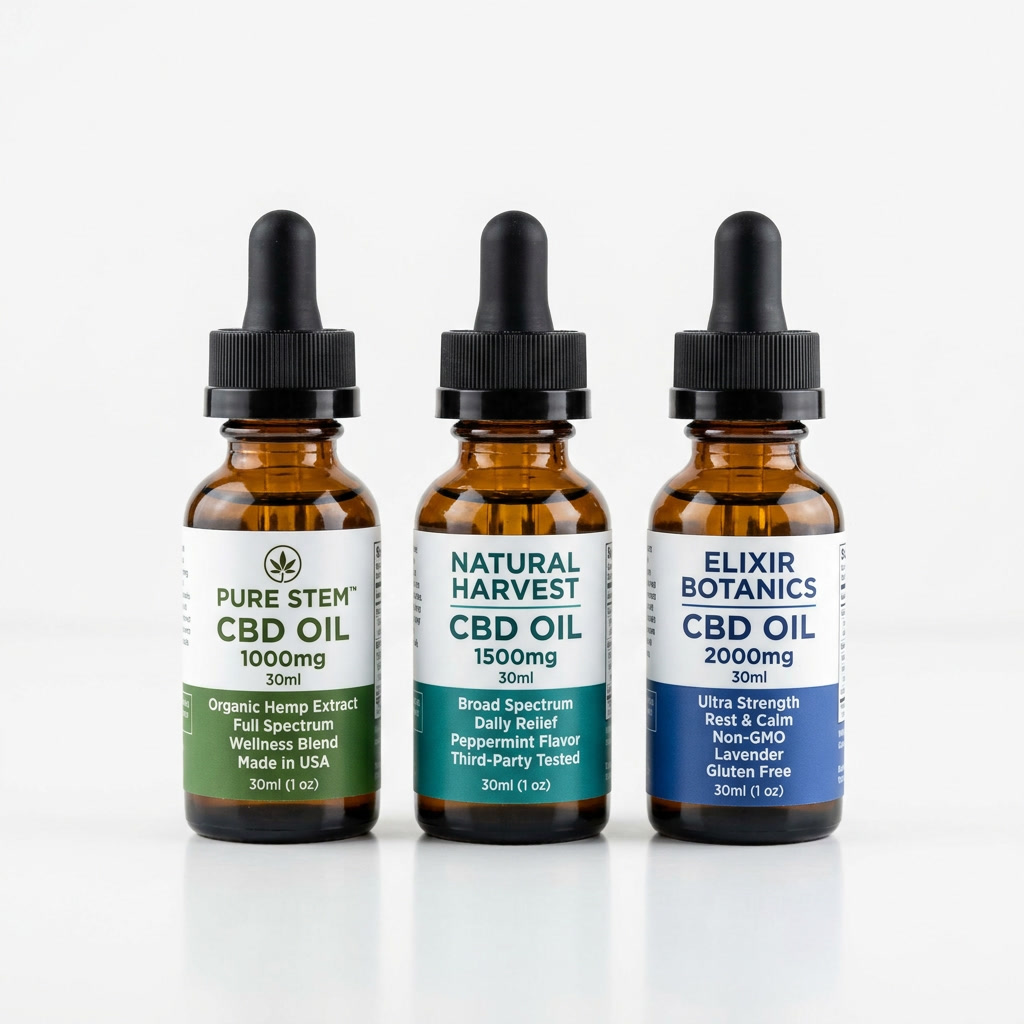
The CBD market is largely unregulated. FDA analyses have found that many products don't contain the CBD amounts listed on labels, and some contain unexpected THC or contaminants. Look for:
- Third-party lab testing (Certificate of Analysis showing CBD content and contaminant screening)
- Clear labeling of CBD amount per serving
- Reputable manufacturers with transparent sourcing
- Full-spectrum vs. isolate: Full-spectrum products contain multiple cannabinoids and terpenes that may work synergistically (the entourage effect), while isolates contain pure CBD only
Dosing Considerations
There's no standardized CBD dose for inflammation — research studies have used wildly varying amounts. General guidance from clinical experience:
- Start low: 10-20mg once daily
- Track your response: Keep a simple journal noting any changes in symptoms, sleep, energy, or side effects
- Increase gradually: If needed, increase by 5-10mg every 5-7 days
- Find your minimum effective dose: More isn't always better with CBD
Delivery Methods
Different CBD products offer different advantages:
- Oils/tinctures: Sublingual absorption, flexible dosing, onset within 15-45 minutes
- Capsules: Convenient, consistent dosing, slower onset (1-2 hours)
- Topicals: Localized application for joint or skin inflammation, minimal systemic absorption
- Edibles: Tasty, but variable absorption and slower onset
For systemic inflammation, oral products (oils or capsules) make more sense. For localized joint or skin inflammation, topicals may provide targeted relief.
Safety and Side Effects
CBD is generally well-tolerated, but side effects can include:
- Fatigue or drowsiness
- Dry mouth
- Digestive changes (diarrhea or reduced appetite)
- Mild lightheadedness
More importantly, CBD can interact with medications metabolized by CYP450 enzymes — this includes blood thinners (warfarin), certain antidepressants, seizure medications, and some statins. If you take prescription medications, talk to your doctor before starting CBD.
Legal Status
Hemp-derived CBD (containing less than 0.3% THC) is federally legal in the United States under the 2018 Farm Bill, but state laws vary. Always check your local regulations.
---
Setting Realistic Expectations
Here's what CBD can and cannot do based on current evidence:
CBD May Help:
- Modulate inflammatory signaling pathways
- Provide symptomatic relief for some inflammatory conditions
- Offer an alternative for individuals who can't tolerate NSAIDs
- Complement (not replace) conventional anti-inflammatory treatments
- Support overall wellness with a favorable safety profile
CBD Cannot:
- Replace disease-modifying medications for autoimmune conditions
- Eliminate chronic inflammation overnight
- Work equally well for everyone (individual responses vary significantly)
- Substitute for foundational lifestyle factors (diet, exercise, sleep, stress management)
- Cure inflammatory diseases
The Timeline Question: Unlike NSAIDs that work within hours, CBD's effects on inflammation may take days to weeks of consistent use to notice. Patience and consistency matter.
---
The Lifestyle Foundation: CBD Isn't a Magic Bullet
It's crucial to emphasize that no supplement — including CBD — can override the impact of lifestyle on inflammation. The most powerful anti-inflammatory interventions remain:
- Anti-inflammatory diet: Emphasizing whole foods, omega-3 fatty acids, fruits, vegetables, and minimizing processed foods and added sugars
- Regular physical activity: Both aerobic exercise and strength training reduce inflammatory markers
- Quality sleep: Poor sleep elevates inflammatory cytokines
- Stress management: Chronic stress drives inflammation through cortisol dysregulation
- Maintaining healthy weight: Adipose tissue produces inflammatory cytokines
Think of CBD as a potential adjunct to these foundational practices, not a replacement. Someone taking CBD while eating poorly, sleeping inadequately, and remaining sedentary is unlikely to see meaningful results.
---
Action Steps
If you're interested in exploring CBD for inflammation:
1. Talk to your healthcare provider, especially if you take prescription medications or have underlying health conditions
2. Research reputable brands that provide third-party lab testing and transparent sourcing
3. Start with a low dose (10-20mg daily) and track your response for 2-3 weeks
4. Choose the right delivery method for your needs (oral for systemic effects, topical for localized issues)
5. Don't stop prescribed medications without explicit guidance from your doctor
6. Focus on lifestyle foundations — diet, exercise, sleep, and stress management remain the cornerstones of inflammation management
7. Give it time — allow 4-6 weeks of consistent use before evaluating effectiveness
8. Keep a symptom journal to track changes objectively
---
Bottom Line
The science behind CBD and inflammation is genuinely interesting — and genuinely incomplete. Preclinical research clearly demonstrates that CBD influences multiple inflammatory pathways through mechanisms distinct from conventional anti-inflammatories. Human clinical evidence, while growing, remains preliminary.
For individuals seeking alternatives or complements to traditional anti-inflammatory approaches, CBD offers a relatively safe option with a different mechanism of action. It's not a miracle cure, and it won't work for everyone. But for some people, it may provide meaningful symptomatic relief as part of a comprehensive inflammation management strategy.
The key is approaching CBD with realistic expectations, prioritizing product quality, and viewing it as one tool among many — not a standalone solution. As research continues to evolve, we'll have clearer answers about which conditions, which patients, and which dosing strategies optimize CBD's anti-inflammatory potential.
Until then, stay informed, stay skeptical of exaggerated claims, and partner with your healthcare provider to make decisions that fit your individual health situation.
Find Your Perfect CBD Product
Take our 2-minute quiz to get personalized recommendations based on your needs.
Take the Quiz →Disclaimer: This article is for informational purposes only and does not constitute medical advice. CBD products are not FDA-approved to treat, cure, or prevent any disease. Always consult with a qualified healthcare professional before starting any new supplement, especially if you have a medical condition or take medications.