CBD for Ovarian Cancer: Why the Petri Dish Is Not the Patient
Ovarian cancer has one of the widest gaps in all of oncology between a result that looks exciting in a laboratory and a treatment that helps a person sitting in a clinic chair. Search for CBD and ovarian cancer and you will find a stream of stories about cell lines dying, tumours in mice growing more slowly, and words like synergy used with real confidence. None of that is worthless science. It is simply much earlier than the tone of the coverage suggests. This piece walks through what the recent papers actually did, where the evidence thins out, and what a patient or a family member should reasonably take away from it.
What ovarian cancer actually is
Ovarian cancer is not one disease wearing one name. Roughly 90 percent of cases are epithelial tumours, and the most common of those is high grade serous carcinoma, a cancer that in many cases begins in the fallopian tube and only later spreads to the ovarian surface. Less common types include clear cell, endometrioid, mucinous and the germ cell and sex cord stromal tumours, which behave differently and respond differently to treatment. This matters because a laboratory result obtained in one cell line says almost nothing about the others.
Risk is concentrated in a few well described patterns. Inherited BRCA1 and BRCA2 mutations raise lifetime risk substantially, Lynch syndrome is associated with a smaller increase, and advancing age remains the strongest single factor, with most diagnoses after menopause. Symptoms are notoriously unhelpful in the early stages. Bloating, feeling full quickly, pelvic pressure and urinary urgency are all common and all easy to attribute to something else, which is a large part of why around three quarters of cases are diagnosed after the cancer has already spread beyond the pelvis.
Why stage at diagnosis changes everything
Stage is the single most powerful variable in this disease, and it dwarfs anything CBD is likely to contribute. In broadly cited registry figures, five year relative survival across all stages sits near 50 percent. When the cancer is confined to the ovary, that figure is above 90 percent. When it has spread to distant sites, it falls to roughly 30 percent. Those numbers drive everything about treatment intensity and about how a patient should read a headline.
Treatment usually means cytoreductive surgery followed by platinum and taxane chemotherapy, with PARP inhibitors or bevacizumab added in selected cases and germline testing now standard. The biology that makes ovarian cancer dangerous is not a single receptor that a plant molecule can switch off. It is a disease that sheds cells into the peritoneal cavity, where they attach and grow as diffuse deposits that surgery struggles to clear completely. Any claim that a CBD capsule changes that trajectory needs evidence from people, not from plastic.
What the 2025 and 2026 cell studies actually did
The recent literature is more careful than the headlines drawn from it, and the CBD papers in particular are unusually explicit about their own limits. A 2026 paper in ACS Omega tested phytocannabinoids as antitumour agents against ovarian cancer cells, including in combination with conventional chemotherapy. That is a screening design. Cells are exposed to compounds at concentrations chosen by the researchers, viability is measured, and combinations are compared against each drug alone. It tells you which combinations deserve a second look. It does not tell you what happens in a human body.
A 2025 paper in Frontiers in Pharmacology reported selective anticancer effects of CBD and THC through inhibition of the PI3K, AKT and mTOR signalling axis. This pathway is genuinely important in ovarian cancer, and the finding that CBD and THC both touch it is biologically interesting. The word selective is doing a lot of work in that sentence, however, since selectivity in a dish usually means the researchers observed a wider therapeutic window between a cancer line and a non-cancerous line than they expected. It is a promising observation, not a safety guarantee.
A 2024 paper in Frontiers in Pharmacology examined the cytotoxicity of natural and synthetic cannabinoids and reported synergistic antiproliferative effects in combination. A 2025 paper in Scientific Reports found that CBD altered lipid metabolism and induced apoptosis through CB1 receptor mediated endoplasmic reticulum stress. A 2025 paper in ACS Omega screened cannabinoids as HER2 tyrosine kinase inhibitors, which is relevant to the subset of ovarian tumours with HER2 amplification. Each of these is a real contribution to a real question. None of them is a trial of CBD in a patient, and each is a long way upstream of a prescription.
Why cell death in a dish is a weak signal
Most of what goes wrong in cannabinoid cancer research happens in the gap between "killed cells" and "helped a patient", and that gap has several well understood components.
Concentration is the first filter
Laboratory studies routinely use concentrations in the tens of micromolar range. Achieving those levels with CBD in human plasma by swallowing oil is essentially impossible. Oral CBD bioavailability is low, commonly estimated at somewhere between 4 and 20 percent depending on formulation and food, and plasma levels after typical retail doses sit in the low nanomolar to very low micromolar range. A 2026 paper in Nanotechnology Science and Applications addresses exactly this problem by building functionalised colloidal hydroxyapatite for combined delivery of CBD and epirubicin, which is a delivery solution to a delivery problem, not a demonstration that CBD treats cancer.
Immortalised cells are not tumours
A cell line growing in a flat layer on plastic has no blood supply, no immune system, no stroma and no drug clearance. It cannot develop resistance the way a tumour does, and it cannot produce the liver enzymes that decide how long a compound survives in the body. Immortalised lines also drift genetically across decades of passaging, which is one reason results differ between laboratories working on the same named cell line.
The mouse is a better model and still a poor one
Xenograft work is a genuine step up, and some of it is encouraging. But mice are dosed at schedules that would be difficult or impossible in humans, their metabolism of cannabinoids differs from ours, and their tumours are implanted rather than spontaneously arising in a peritoneal cavity that has spent decades remodelling. A slowed xenograft from CBD is a signal worth following. It is not a clinical result.
The delivery problem nobody photographs
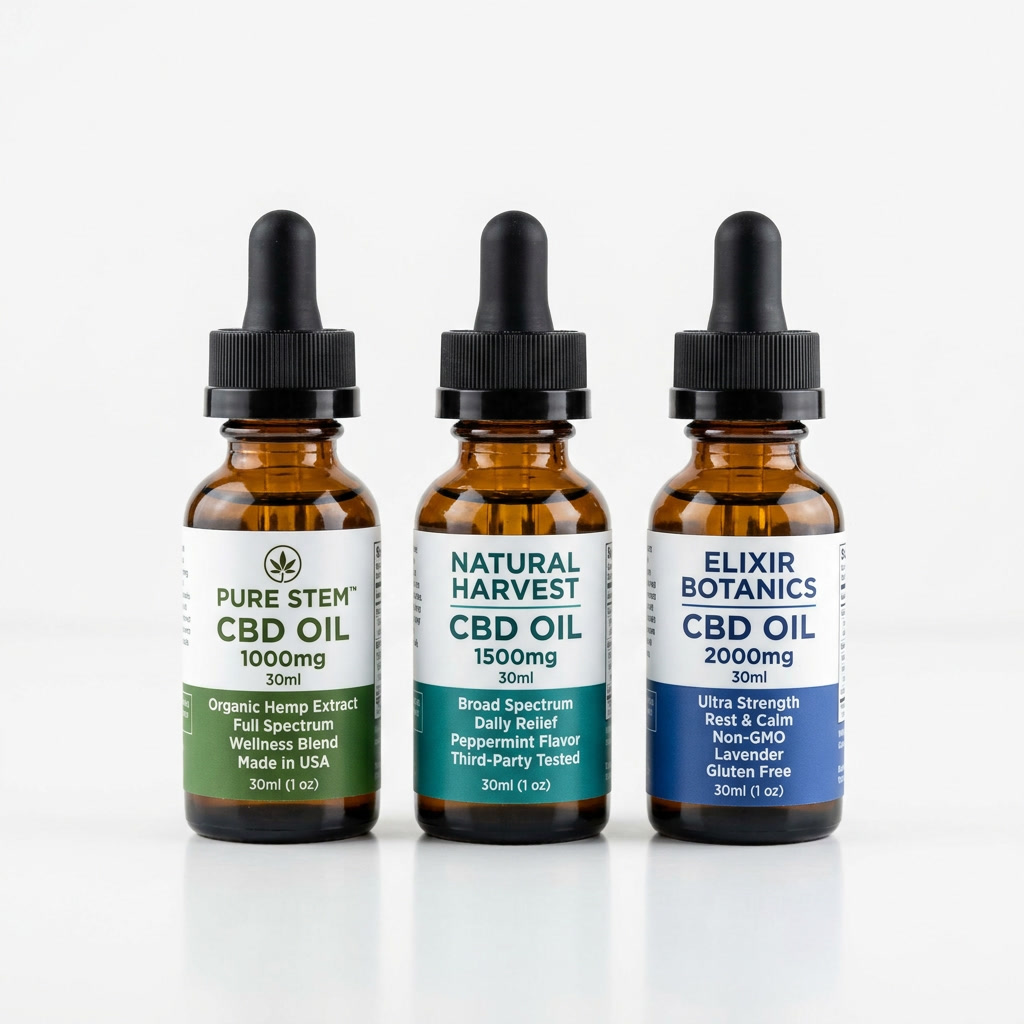
CBD is lipophilic, poorly water soluble, and subject to substantial first pass metabolism in the gut wall and liver. Practically, that means three things for anyone thinking about CBD seriously. First, the labelled milligram number on a bottle tells you very little about plasma exposure, because a 25 mg dose in a self emulsifying formulation and 25 mg in a plain oil can produce very different curves. Second, food changes absorption, sometimes dramatically. Third, the metabolites are not the parent compound, and some of them are active at receptors the parent barely touches.
Formulation research is where the honest near term progress sits. Nanoemulsions, liposomal systems, solid lipid nanoparticles and the hydroxyapatite approach mentioned above all aim at the same target, which is getting more of the molecule into circulation and, in an oncology context, into tumour tissue rather than into fat. For CBD, particle size in the low hundreds of nanometres changes distribution. It also changes safety questions, since a delivery vehicle is a drug component and has to be tested as one.
There is a second delivery problem that gets less attention. The peritoneum is a compartment, and intraperitoneal chemotherapy exists precisely because systemic drug penetration into peritoneal deposits is uneven. A capsule swallowed at home does not concentrate where the disease is.
Chemotherapy interaction, synergy and the CYP trap
The most technically interesting paper in this group for a patient is a 2025 study in Biomedicines that combined CBD with cisplatin or paclitaxel and analysed the results with the Chou and Talalay method, the standard framework for deciding whether a combination is additive, synergistic or antagonistic. That method requires careful dose response curves and gives a combination index rather than a yes or no answer. The finding of synergy in a cell model is a legitimate reason to design a better experiment. It is not a reason to combine supplements with chemotherapy at home. The combination index describes a pair of drugs in a well, not a claim that CBD sensitises every tumour to every agent.
The reason for caution is pharmacological, not mystical. CBD is a potent inhibitor of several cytochrome P450 enzymes, including CYP3A4 and CYP2C19, and it induces others. Paclitaxel is metabolised largely by CYP2C8 and CYP3A4. Many antiemetics, azole antifungals, benzodiazepines and anticoagulants pass through the same routes. A compound that inhibits CYP3A4 can raise plasma levels of a chemotherapy drug with a narrow therapeutic index, and the dose limiting toxicity of paclitaxel is neuropathy, which is not a side effect anyone wants to amplify by accident. Tamoxifen, used in some ovarian and breast contexts, is converted to its active metabolite by CYP2D6, another enzyme CBD interacts with.
This is the practical reason every serious review ends in the same place. If you are on active treatment, the conversation about any cannabinoid belongs with the oncology pharmacist before the first dose, not after. The internal piece on CBD drug interactions covers the enzyme map in more detail.
Neuropathy, the symptom with the best evidence
Chemotherapy induced peripheral neuropathy is the place where the clinical evidence is strongest, and it is worth being precise about what the strongest evidence shows. A 2025 randomised dose finding trial in Frontiers in Oncology tested CBD and THC for chemotherapy induced peripheral neuropathy. A dose finding trial establishes tolerability and picks a dose for a later efficacy study. It is a necessary step, and it is not proof of benefit. Patients reading that a randomised trial exists should ask what the trial measured and whether it was powered to show a difference in symptoms.
That said, neuropathy is a reasonable place to have a conversation, because the alternatives are limited. Duloxetine has modest evidence, gabapentinoids are widely used with mixed results, and many patients get partial relief at best. A trial of CBD under supervision, with a clear symptom diary and a plan to stop if there is no benefit by a set date, is a defensible clinical experiment. The same logic applies to the broader symptom picture covered in CBD for cancer symptoms.
Nausea, appetite, anxiety and sleep
These are the domains where cannabinoids have the longest clinical history, mostly through synthetic THC products rather than CBD. Appetite and nausea have regulatory approval pathways in some countries for specific indications. Anxiety and sleep have weaker but plausible evidence, and sleep in particular matters because poor sleep amplifies fatigue, pain and low mood in a way that compounds across a chemotherapy cycle.
CBD specifically is a different question from THC, and it has been studied far less often for nausea, and the two should never be spoken about as one thing. CBD is not strongly psychoactive at typical doses, does not produce a high, and has a different interaction profile. It also has less evidence for nausea than THC does. Anyone who tells you a CBD oil is the same as a prescribed cannabinoid for chemotherapy induced nausea is selling something.
If cognitive fog is part of the picture, the chemo brain piece covers what is known and what is not. If pelvic pain is the dominant symptom, the discussion of CBD for endometriosis and pelvic pain is a closer match than anything oncology specific, since the pain mechanisms overlap more than the disease labels suggest.
A comparison that keeps expectations calibrated
Prostate cancer is a useful mirror because it is also a hormone influenced solid tumour with a large supplement market around it. The evidence base there is similarly dominated by cell work and small supportive care studies, and the same rule applies, which is that a compound can look active in a dish and still fail in a person. The prostate cancer article lays out that parallel in more depth. Reading the two side by side is a decent antidote to enthusiasm.
What a real trial would have to look like
If CBD were going to earn a place in ovarian cancer treatment, the study would need several features that none of the current papers have.
- A defined population, likely a single histotype and a single line of therapy, rather than a mixed group.
- A formulation with measured pharmacokinetics, so that the dose is a dose and not a guess.
- A randomised comparison against standard care, with progression free survival as the primary endpoint rather than a laboratory marker.
- Blinding, which is difficult with THC because the psychoactivity gives the assignment away, and which is one reason designs using CBD alone are more feasible.
- Pre specified safety monitoring for liver enzymes, drug interactions and psychiatric effects.
- Enough participants to detect a difference that matters to patients, which for ovarian cancer means hundreds rather than dozens.
For symptom endpoints the bar is lower and the trials are smaller, which is exactly why neuropathy, nausea and anxiety are where clinical work is actually happening. That asymmetry is not a failure of ambition. It reflects what can be tested ethically and affordably.
Questions worth bringing to your oncology team
A short list, written for a clinic appointment rather than a forum thread.
1. Is there any interaction between CBD and my current regimen, given my specific drugs and liver function?
2. If I want to try something for neuropathy, what would you want me to track, and over what period?
3. What dose ceiling would you be comfortable with, and which product would you prefer I use so that the concentration is known?
4. Are there signs, such as rising liver enzymes or new dizziness, that should make me stop and call?
5. Does anything in my regimen affect how I metabolise this, and does the timing of the chemotherapy cycle matter?
The honest answer to most of these will include uncertainty. A clinician who says "we do not know, here is what we would watch" is being more useful than one who says "it is natural, it cannot hurt".
How to read the next headline
Four habits cover most of it. Find the model, because cells, mice and humans are three different claims. Find the concentration, because micromolar in a dish is often nanomolar in blood. Find the endpoint, because a lab marker is not survival and not even symptom relief. A CBD result in a mouse is still a mouse result. Find the funder and the journal, because a paper in a specialist journal with a described method deserves more weight than a press release about a paper that has not been through review.
None of this is an argument against the research. The PI3K and AKT work, the endoplasmic reticulum stress findings and the Chou and Talalay combination analyses are worth doing and worth funding. They are the raw material from which a real trial might eventually be designed. The mistake is to read the raw material as the building.
Bottom line
The CBD literature in ovarian cancer is a literature of mechanisms. The cell studies are real, the mechanisms are plausible, and the clinical evidence in ovarian cancer specifically is close to absent. The strongest human data involves neuropathy and symptom control, and even there the recent work is a dose finding trial rather than a demonstration of benefit. CBD is not a treatment for ovarian cancer, and no formulation currently sold anywhere has earned that description. It may have a modest supportive role in selected patients, under supervision, with attention to cytochrome P450 interactions that are genuinely consequential during chemotherapy. The distance between a petri dish and a patient is not a technicality. It is the whole of medicine, and it is the reason the next decade of trials matters more than the last decade of press coverage.
Find Your Perfect CBD Product
Take our 2-minute quiz to get personalized recommendations based on your needs.
Take the Quiz →Disclaimer: This article is for informational purposes only and does not constitute medical advice. CBD products are not FDA-approved to treat, cure, or prevent any disease. Always consult with a qualified healthcare professional before starting any new supplement, especially if you have a medical condition or take medications.