CBD vs Ibuprofen for Pain: Which Actually Works Better in 2026?
The Ache That Started It All
It's 2 a.m. and your lower back is throbbing again. You reach for the bottle of ibuprofen on the nightstand, swallow two tablets, and wait. Twenty minutes pass. Then forty. The dull ache fades, but your stomach feels tight and unsettled — the trade-off you've made a thousand times before. Meanwhile, your friend swears by a dropper of CBD oil under the tongue, claiming it handles her arthritis pain without the stomach upset. So which one is actually right for you?
This is one of the most common questions in pain management today. Ibuprofen and other NSAIDs (nonsteroidal anti-inflammatory drugs) have been the go-to for decades, but they come with real risks. CBD has exploded in popularity as a natural alternative, yet the science is still catching up to the hype. In this honest comparison, we'll break down how each works, what the latest 2026 research actually shows, their side effect profiles, and when each one makes sense. By the end, you'll know exactly how to think about CBD versus ibuprofen for your pain.
How Ibuprofen and NSAIDs Work
Ibuprofen belongs to a class of drugs called nonsteroidal anti-inflammatory drugs, or NSAIDs. Along with naproxen, diclofenac, and aspirin, these medications work by blocking enzymes called COX-1 and COX-2. These enzymes produce prostaglandins, chemical messengers that trigger inflammation, pain, and fever in the body.
When you take an NSAID, it reduces prostaglandin production, which lowers inflammation and dulls pain signals. That's why ibuprofen is so effective for acute issues like headaches, muscle strains, dental pain, and menstrual cramps. It's fast, reliable, and widely available over the counter.
But here's the catch: COX-1 also protects the stomach lining and supports kidney function. By blocking it, NSAIDs can irritate the gastrointestinal tract and stress the kidneys, especially with long-term or high-dose use. This is the fundamental trade-off of the entire drug class.
How CBD Works for Pain
CBD, or cannabidiol, works through a completely different system. Instead of blocking enzymes, CBD interacts with the body's endocannabinoid system — a network of receptors and signaling molecules that help regulate pain, inflammation, mood, and sleep.
CBD doesn't bind strongly to the classic CB1 and CB2 receptors the way THC does. Instead, it influences them indirectly while also acting on other pain-related targets. Research shows CBD interacts with TRPV1 receptors, which are involved in sensing heat and pain, and it can modulate inflammatory pathways in ways that differ from NSAIDs.
A 2023 review in Molecules described CBD's "polypharmacological" nature — meaning it affects multiple biological targets at once rather than a single enzyme. This broad, gentle action is part of why CBD's effects can feel different from a targeted drug like ibuprofen.
What the 2026 Science Says About CBD and Inflammatory Pain
The most relevant recent evidence comes from a 2026 study published in Scientific Reports (PMID 42151379). Researchers examined the effects of CBD, along with two other minor cannabinoids — cannabinol (CBN) and tetrahydrocannabivarin (THCV) — in managing inflammatory pain.
The findings were encouraging: CBD and its companion cannabinoids showed meaningful anti-inflammatory and pain-relieving activity in experimental models. Importantly, the study highlighted that these compounds work through mechanisms distinct from traditional NSAIDs, which could make them useful additions to pain management strategies.
> "Cannabidiol and related minor cannabinoids demonstrated anti-inflammatory and analgesic effects through mechanisms distinct from conventional NSAIDs."
This matters because it suggests CBD isn't just a weaker version of ibuprofen — it's a different tool entirely, one that might complement rather than replace conventional treatment.
The Systematic Review Evidence for CBD in Pain
Beyond single studies, researchers have been pulling together the broader evidence. A 2024 systematic review in Pharmaceuticals (Basel) (PMID 39598350) examined both clinical and preclinical evidence for CBD in treating pain. Systematic reviews are important because they weigh the totality of research rather than one isolated finding.
The review found that CBD shows promise for pain, particularly in conditions with an inflammatory or neuropathic component. However, the authors were careful to note that the quality of human clinical trials remains mixed, and dosing varies widely across studies. In other words, the evidence is building, but it's not yet conclusive enough to call CBD a proven replacement for established painkillers.
A 2024 chapter in the International Review of Neurobiology (PMID 39029988) reached a similar conclusion, framing CBD as a promising but still-developing option for pain management. The honest takeaway: CBD has real biological plausibility and growing support, but it's not a slam dunk for every type of pain.
Side Effects: The NSAID Problem
This is where the comparison gets serious. NSAIDs are effective, but their side effect profile is well documented and can be dangerous with prolonged use.
- Stomach irritation and bleeding: NSAIDs can damage the stomach lining, leading to ulcers and gastrointestinal bleeding, especially in older adults or with high doses.
- Kidney stress: Long-term NSAID use can reduce blood flow to the kidneys and contribute to chronic kidney disease.
- Cardiovascular risk: Some NSAIDs, particularly at high doses, are associated with increased risk of heart attack and stroke.
- Blood pressure: Regular NSAID use can raise blood pressure and interfere with common blood pressure medications.
These risks are why health authorities recommend using the lowest effective dose for the shortest time possible. For chronic pain, daily NSAID use is generally discouraged.
Side Effects: The CBD Profile
CBD's side effect profile is notably milder, which is a major reason people explore it. The most commonly reported effects include:
- Fatigue or drowsiness at higher doses
- Dry mouth
- Changes in appetite
- Mild diarrhea in some users
- Potential drug interactions with medications metabolized by the liver
The key concern with CBD isn't stomach damage or kidney stress — it's drug interactions. CBD can affect how the liver processes certain medications, including blood thinners, antidepressants, and seizure drugs. If you take any prescription medication, it's essential to talk to your doctor before adding CBD.
A 2023 study in Pathogens (PMID 37513798) even explored combining CBD with NSAIDs, finding that certain molecular combinations showed enhanced inhibitory effects. This hints that CBD and NSAIDs might work together, though more research is needed before drawing firm conclusions.
Onset and Duration of Action
How quickly each works matters for real-world use.
- Ibuprofen: Onset in about 20-30 minutes, peak effect around 1-2 hours, lasting roughly 4-6 hours. Fast and predictable.
- CBD oil (sublingual): Onset in 15-45 minutes, effects lasting 4-6 hours. Reasonably fast when held under the tongue.
- CBD topicals: Onset in 30-60 minutes, localized relief lasting several hours. Best for joint and muscle pain in a specific area.
- CBD gummies/edibles: Onset in 45-90 minutes, effects lasting 6-8 hours. Slower but longer-lasting.
For sudden, acute pain, ibuprofen wins on speed and predictability. For ongoing, low-grade pain, CBD's longer duration and gentler profile can be appealing.
When Each One Makes Sense
There's no single winner here — it depends on the situation. Here's a side-by-side look at how the two compare across the factors that matter most:
Ibuprofen makes sense when:
- You have acute, severe pain like a sprain, headache, or dental pain
- You need fast, reliable relief
- You have no contraindications like stomach ulcers or kidney disease
CBD makes sense when:
- You have chronic, low-to-moderate pain like arthritis or back pain (see our full guide on CBD for back pain)
- You want to avoid NSAID side effects
- You're looking for a complementary option alongside other treatments
- You want localized relief from a topical product
A 2024 study in Cannabis and Cannabinoid Research (PMID 37883662) examined non-intoxicating cannabinoids in visceral pain, adding to the evidence that CBD-type compounds may help with internal, organ-related pain that's often hard to treat. And a 2025 study in Pharmacological Research (PMID 41120021) looked at CBD combined with beta-caryophyllene for chronic inflammatory pain, suggesting that pairing CBD with other natural compounds may enhance its effects.
Can You Combine CBD and Ibuprofen?
This is a common question, and the short answer is: possibly, but cautiously. Because CBD and NSAIDs work through different mechanisms, they don't directly compete. Some research, including the 2023 Pathogens study, suggests they may even complement each other.
However, there are important caveats:
- Drug interactions: CBD can affect liver enzymes that process ibuprofen, potentially altering how much stays in your system.
- Bleeding risk: Both CBD and NSAIDs can have mild blood-thinning effects, so combining them may increase bleeding risk, especially at high doses.
- Talk to your doctor: If you're considering combining them regularly, get professional guidance first.
The safest approach is to use one at a time, or to combine them only under medical supervision.
The Honest Bottom Line
Here's the truth: CBD is not a proven replacement for ibuprofen when it comes to acute, severe pain. If you twist your ankle or have a pounding headache, ibuprofen remains the faster, more reliable choice. The evidence for CBD in pain is real and growing — the 2026 Scientific Reports study and the 2024 systematic review both support its potential — but it's not yet at the level where it can replace a well-established drug for serious acute pain.
What CBD offers is something different: a complementary option with a much gentler side effect profile. For chronic, low-to-moderate pain, especially when NSAIDs cause stomach or kidney problems, CBD is a reasonable thing to explore. It's not a miracle cure, and it's not a substitute for medical advice — but for many people, it's a worthwhile addition to their pain management toolkit.
Your Action Plan
If you're considering CBD for pain, here's a practical way to approach it:
1. Start with a clear goal. Identify the specific pain you want to address and how it currently affects your daily life.
2. Choose the right product. For localized joint or muscle pain, try a topical. For whole-body or sleep-related pain, an oil or gummy may work better.
3. Start low and go slow. Begin with a modest dose and track your response for 1-2 weeks before adjusting.
4. Keep a pain journal. Note your dose, timing, and how you feel. Patterns will emerge within a couple of weeks.
5. Talk to your doctor. Especially if you take other medications, get clearance before adding CBD.
6. Don't stop your current treatment abruptly. Use CBD as a complement, not a sudden replacement.
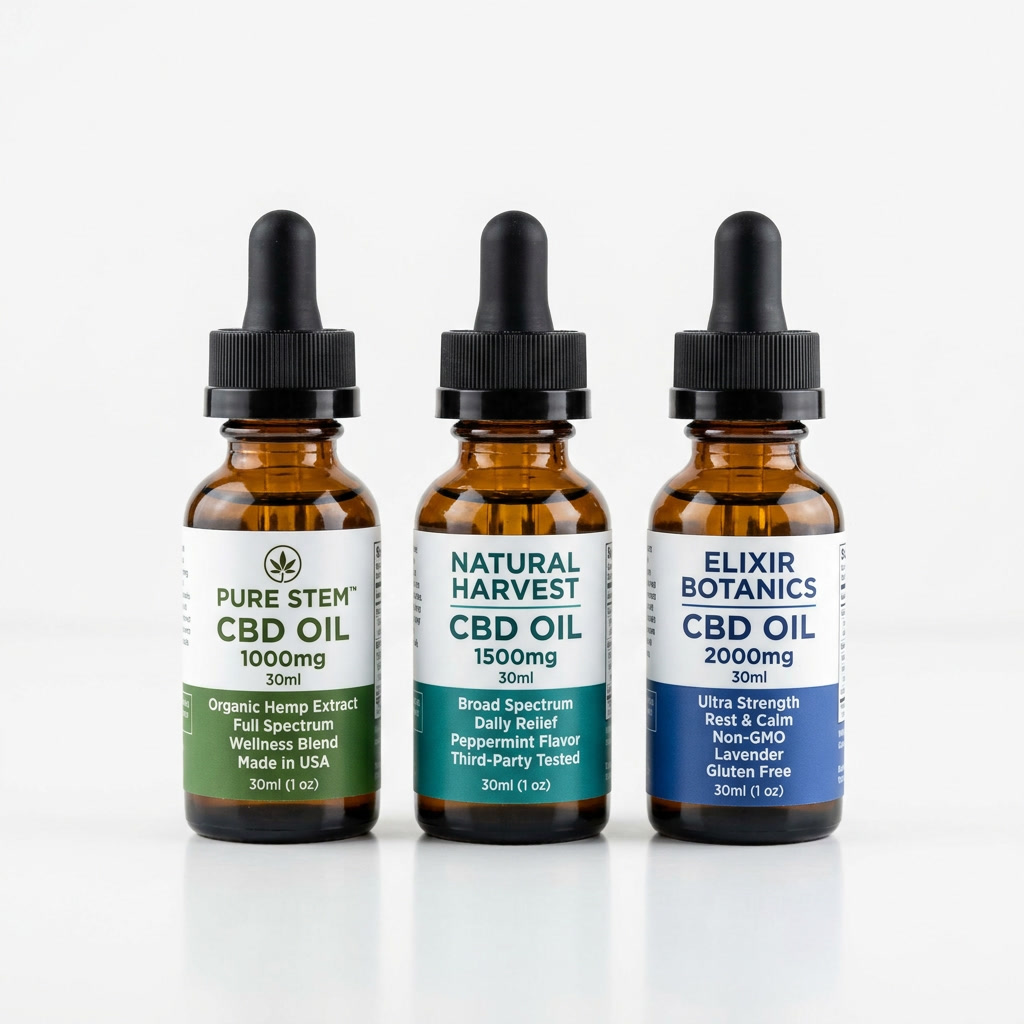
Ready to explore CBD for your pain? Browse our CBD oils, topicals, and gummies to find a format that fits your routine. And remember — the best pain plan is the one that works safely for your body.
Find Your Perfect CBD Product
Take our 2-minute quiz to get personalized recommendations based on your needs.
Take the Quiz →Disclaimer: This article is for informational purposes only and does not constitute medical advice. CBD products are not FDA-approved to treat, cure, or prevent any disease. Always consult with a qualified healthcare professional before starting any new supplement, especially if you have a medical condition or take medications.