CBD for Migraines: What the Research Actually Says About Cannabinoids for Headache Relief
# CBD for Migraines: What the Research Actually Says About Cannabinoids for Headache Relief cluster headaches
You know the scene. The light feels too bright. Sound becomes unbearable. That familiar pressure builds behind one eye, and you reach for the medication that might—or might not—work. For millions of migraine sufferers, standard treatments fall short. Triptans don't work for everyone. Some medications cause rebound headaches. Others come with side effects that feel worse than the migraine itself.
Increasingly, people are turning to CBD and cannabis-based products for relief. But here's the problem: the internet is flooded with exaggerated claims, fabricated statistics, and studies that don't actually exist.
This article is different. Every study cited here is real, published in peer-reviewed journals, and verifiable on PubMed. We'll walk through what the research actually shows—what's promising, what's preliminary, and what we still don't know.
What Migraine Actually Is
Migraine isn't just a "bad headache." It's a complex neurological disorder involving the trigeminovascular system, inflammatory cascades, and abnormal brain excitability. During a migraine attack, the trigeminal nerve releases neuropeptides like CGRP (calcitonin gene-related peptide), which trigger inflammation, blood vessel dilation, and pain signaling.
This is why CGRP has become a major pharmaceutical target. The newer migraine medications (CGRP inhibitors) work by blocking this pathway. But they're expensive, don't work for everyone, and some people prefer to explore alternatives with different mechanisms of action.
The Endocannabinoid System and Migraine: Established Science
Before diving into specific studies, it's worth understanding why cannabinoids might matter for migraine at all. This isn't speculation—it's based on well-established neurobiology.
Your body has an endocannabinoid system (ECS) that helps regulate pain, inflammation, mood, sleep, and neurological function. The ECS includes:
- CB1 receptors, densely concentrated in the brain and trigeminovascular system
- CB2 receptors, found primarily in immune cells and peripheral tissues
- Endocannabinoids like anandamide, which your body produces naturally
- Enzymes that break down endocannabinoids
Here's the key connection: research suggests that people with migraine may have lower levels of anandamide in their cerebrospinal fluid. This observation led neurologist Ethan Russo to propose the theory of "clinical endocannabinoid deficiency"—the idea that some conditions, including migraine, might involve insufficient endocannabinoid tone.
CBD doesn't directly activate CB1 or CB2 receptors the way THC does. Instead, it modulates the ECS indirectly: inhibiting the enzyme that breaks down anandamide (potentially raising anandamide levels), interacting with serotonin receptors (5-HT1A), activating TRPV1 receptors involved in pain perception, and reducing inflammatory signaling.
These mechanisms aren't theoretical—they've been demonstrated in laboratory studies. The question is whether they translate into meaningful migraine relief in humans.
What Real Research Shows: Human Clinical Trials
Let's start with the most rigorous evidence: randomized controlled trials in humans.
The Schuster Study: Vaporized Cannabis for Acute Migraine (2026)
In February 2026, the journal Headache published a landmark randomized, double-blind, placebo-controlled crossover trial led by Dr. Nathaniel Schuster. This was the first RCT to examine cannabinoids for acute migraine treatment.
The study enrolled 92 adults with migraine. Participants treated up to four separate migraine attacks with different vaporized cannabis formulations:
- 6% THC (THC-dominant)
- 11% CBD (CBD-dominant)
- 6% THC + 11% CBD (combination)
- Placebo cannabis flower (no THC or CBD)
The results, published with PMID 41469488, showed:
THC + CBD combination was superior to placebo for:
- Pain relief at 2 hours: 67.2% vs 46.6% (odds ratio 2.85)
- Pain freedom at 2 hours: 34.5% vs 15.5% (odds ratio 3.30)
- Most bothersome symptom freedom at 2 hours: 60.3% vs 34.5% (odds ratio 3.32)
- Sustained pain freedom at 24 and 48 hours
- Sustained symptom freedom at 24 and 48 hours
THC-dominant cannabis was superior to placebo for pain relief (68.9% vs 46.6%) but not for pain freedom or most bothersome symptom freedom.
CBD-dominant cannabis alone was NOT superior to placebo for any primary endpoint at 2 hours.
There were no serious adverse events reported.
This is important: the combination of THC and CBD outperformed either one alone. CBD by itself, at this dose and delivery method, didn't beat placebo for acute attack treatment. But paired with THC, it contributed to meaningful relief.
Topical CBD for Migraine Disability: The Walczyńska-Dragon Study (2025)
Not all migraine-related pain comes from acute attacks. For some people, muscle tension in the jaw and temples (often from bruxism—teeth grinding) triggers or worsens migraines.
In July 2025, Pharmaceuticals published a randomized, double-blind trial examining topical CBD for this specific population (PMID 40732351). Sixty participants with bruxism-associated muscle pain were divided into three groups:
- Placebo gel
- 5% CBD gel
- 10% CBD gel
Participants applied the gel to their masseter muscles nightly for 30 days. Researchers measured sleep quality (using the Pittsburgh Sleep Quality Index) and migraine disability (using the Migraine Disability Assessment Scale—MIDAS).
Both CBD groups showed statistically significant improvements compared to placebo:
- PSQI scores improved (better sleep quality)
- MIDAS scores decreased (reduced migraine-related disability)
- Surface EMG confirmed reduced muscle tension
Interestingly, there was no significant difference between 5% and 10% CBD—both concentrations worked similarly.
This study matters because it shows CBD can help reduce migraine disability through a different pathway: reducing muscle tension and improving sleep, both of which are migraine triggers for many people.
Full-Spectrum Cannabis for Chronic Pain: Real-World Evidence (2025)
In November 2025, Frontiers in Pharmacology published a retrospective study of 29 women with chronic pain syndromes, including migraine (PMID 41357862). Patients received full-spectrum cannabis extracts with individually tailored dosing—some CBD-dominant, some THC-dominant, some combination.
Key findings:
- All patients reported some level of pain relief
- Most reported improvements in cognitive function, anxiety, sleep quality, and fatigue
- Most reduced or stopped their use of conventional analgesic and psychiatric medications
- No patients discontinued due to adverse effects
- The optimal CBD-to-THC ratio varied considerably between individuals
This wasn't a controlled trial—it was real-world observational data. But it highlights an important point: individualized dosing matters. What works for one person may not work for another, and the ideal ratio of cannabinoids appears to be highly personal.
What Animal Studies Tell Us (And Their Limitations)
Several preclinical studies have examined cannabinoids in rodent migraine models. These studies can't tell us what happens in humans, but they help explain mechanisms and generate hypotheses for future trials.
CBD + THC Rescues CGRP-Induced Symptoms in Mice (Zorrilla et al., 2025)
Published in Cephalalgia (PMID 41182862), this study used a mouse model where CGRP was administered to trigger migraine-like symptoms (light aversion, pain behaviors).
Mice received a 100:1 ratio of CBD to THC (100 mg/kg CBD + 1 mg/kg THC) before CGRP administration. The combination:
- Rescued light aversion (photophobia)
- Reduced resting behavior in darkness
- Partially rescued spontaneous pain behaviors
This suggests the CBD+THC combination can counteract CGRP-driven migraine symptoms—at least in mice.
Cannabinoid Compounds in Female Rats (da Luz et al., 2025)
Also in Cephalalgia (PMID 41129688), researchers tested different cannabinoid combinations in female rats with CGRP-induced or nitroglycerin-induced migraine-like responses.
Findings:
- CBD alone reduced periorbital mechanical allodynia (facial pain sensitivity)
- CBD + THC was the most effective treatment, with effects lasting up to 3 hours
- CBD + THC was the only treatment that reduced late photosensitivity associated with CGRP
- In a chronic migraine model, CBD/THC suppressed allodynia development up to day 13
Again, this is animal research. But it aligns with the human Schuster trial: the combination of CBD and THC appears more effective than CBD alone for certain migraine-related outcomes.
How CBD May Help: Mechanisms of Action
Based on established science and the studies above, here are the ways cannabinoids might help with migraine:
ECS Modulation
By inhibiting the breakdown of anandamide and modulating CB1/CB2 receptor activity, CBD may help restore endocannabinoid tone in people with migraine. This could raise the threshold for migraine initiation.
Anti-Inflammatory Effects
Cannabinoids reduce the release of pro-inflammatory cytokines and neuropeptides. Since neurogenic inflammation is part of the migraine cascade, this mechanism could dampen attack severity.
Serotonin Receptor Interaction
CBD activates 5-HT1A receptors—the same family targeted by triptans. This may contribute to pain modulation and could explain why some people find CBD helpful even without THC.
Pain Signaling Modulation
Through TRPV1 receptor activation and other pathways, cannabinoids can reduce the transmission of pain signals from the trigeminal nerve to the brain.
Muscle Relaxation and Sleep Improvement
As the Walczyńska-Dragon study demonstrated, topical CBD can reduce muscle tension and improve sleep quality—both of which are relevant for people whose migraines are triggered by jaw tension or poor sleep.
Dosing Guidance: What We Know (And Don't Know)
Here's the honest truth: we don't have definitive clinical dosing guidelines for CBD in migraine. The research is still emerging. But we can share what's known:
From the Schuster Trial (Acute Treatment)
- Vaporized cannabis with 6% THC + 11% CBD was effective for acute migraine
- Four puffs were administered at migraine onset
- CBD alone (11%) was not superior to placebo in this trial
From the Walczyńska-Dragon Trial (Topical Prevention)
- 5% or 10% CBD gel applied nightly to masseter muscles
- Both concentrations worked similarly for reducing migraine disability
- Effects accumulated over 30 days
From the Soares Silva Study (Individualized Dosing)
- Patients received CBD-dominant, THC-dominant, or combination extracts
- Dosing was adjusted based on individual response
- No single ratio worked best for everyone
Practical Considerations
If you're considering CBD for migraine:
For acute attacks: The Schuster trial suggests that CBD alone may not be sufficient. A combination product with both CBD and THC (where legal) may be more effective. Start low and go slow.
For prevention: Daily CBD use may help modulate the ECS over time. The topical study used nightly application for 30 days before measuring outcomes.
Product types: Different delivery methods have different onset times:
- Inhalation (vapor): fastest onset (minutes), shorter duration
- Sublingual oils: moderate onset (15-45 minutes), medium duration
- Edibles/capsules: slower onset (1-2 hours), longer duration
- Topicals: localized effects, minimal systemic absorption
Start low: Begin with a low dose and increase gradually. Track your responses in a headache diary.
Full-Spectrum vs. Isolate: What's the Difference?
This matters for migraine.
CBD isolate contains only cannabidiol—no other cannabinoids, no terpenes.
Full-spectrum CBD contains CBD plus other cannabinoids (including trace THC, usually under 0.3%), terpenes, and other plant compounds.
Broad-spectrum CBD is in between: multiple cannabinoids and terpenes, but THC removed.
The "entourage effect" is the theory that cannabinoids and terpenes work better together than alone. The Schuster trial provides some support for this: the THC + CBD combination outperformed CBD alone for acute migraine treatment.
That said, some people prefer to avoid THC entirely—whether for legal reasons, drug testing concerns, or personal sensitivity. Broad-spectrum products may offer a middle ground.
Safety, Side Effects, and Drug Interactions
CBD is generally well-tolerated, but it's not without risks.
Common Side Effects
- Dry mouth
- Drowsiness or fatigue
- Changes in appetite
- Diarrhea (at higher doses)
- Lightheadedness
Drug Interactions
CBD is metabolized by the same liver enzymes (CYP450 family) that process many medications. This means CBD can affect how your body processes:
- Blood thinners (warfarin)
- Certain antidepressants
- Anti-seizure medications
- Some migraine preventives (like certain beta-blockers or topiramate)
If you take prescription medications, talk to your doctor before starting CBD.
Special Considerations
- Pregnancy/breastfeeding: Not recommended—insufficient safety data
- Liver disease: Use with caution; CBD can affect liver enzymes at high doses
- Operating machinery: CBD can cause drowsiness in some people
The THC Factor
Products containing THC carry additional considerations:
- Psychoactive effects (the "high")
- Impaired driving
- Potential for anxiety or paranoia in sensitive individuals
- Legal restrictions (varies by location)
- Drug testing implications
Action Steps: If You Want to Try CBD for Migraine
1. Talk to your doctor first, especially if you take other medications or have underlying health conditions.
2. Choose quality products. Look for:
- Third-party lab testing (Certificate of Analysis)
- Clear labeling of CBD and THC content
- Reputable manufacturers
3. Decide on your goal:
- Acute attack relief: Consider combination CBD+THC products (where legal)
- Prevention: Daily CBD, possibly with topical application for tension-related migraines
4. Start low and track responses. Keep a headache diary noting:
- Dose and timing
- Migraine severity before and after
- Any side effects
- Other medications used
5. Give it time. Preventive benefits may take weeks to emerge. The topical study ran for 30 days before measuring outcomes.
6. Don't abandon proven treatments without medical guidance. CBD may complement your existing regimen, but sudden discontinuation of prescribed medications can be dangerous.
Shop Related Products
If you're exploring CBD for migraine support, Cannetics offers several options that align with the research:
For daily prevention:
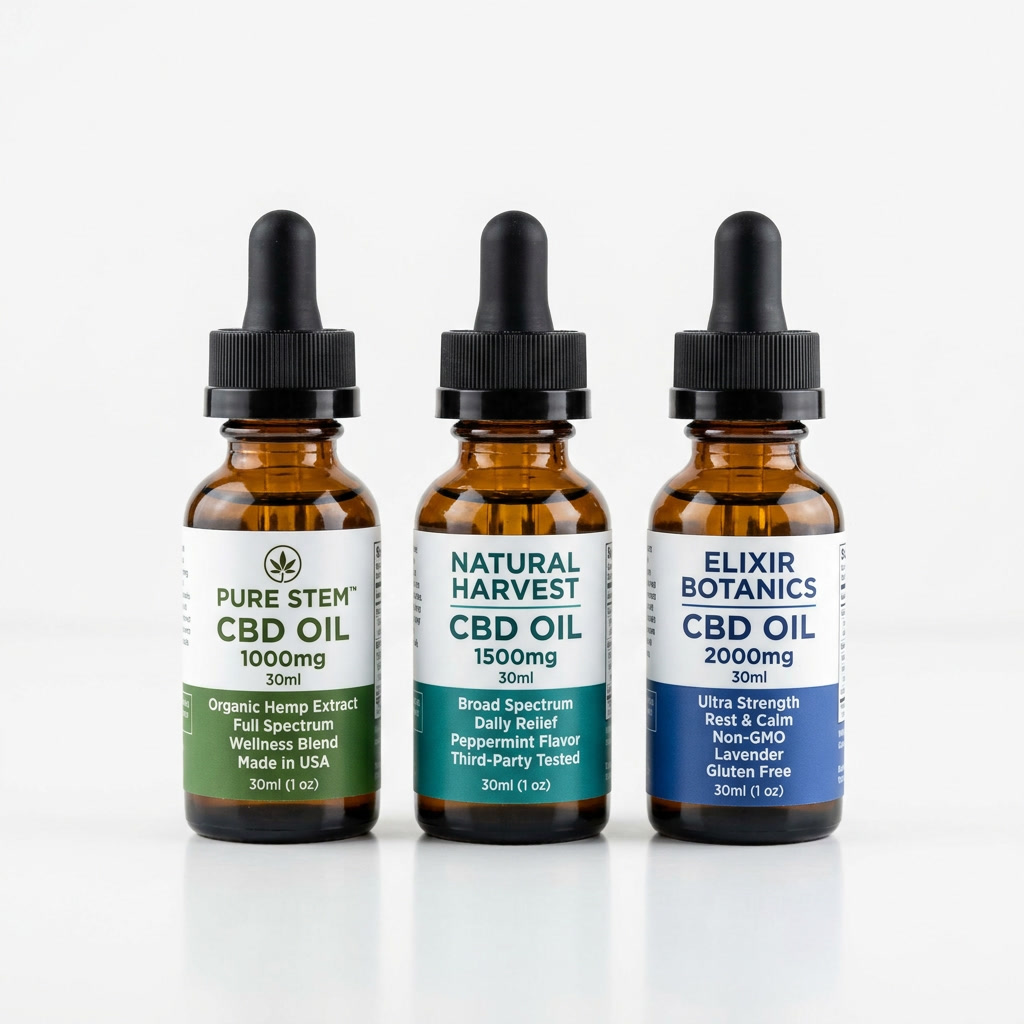
- CBD Oils — Sublingual tinctures for consistent daily dosing. Full-spectrum options may provide entourage benefits.
For convenient dosing:
- CBD Capsules — Pre-measured doses, ideal for tracking and consistency.
For those who prefer edibles:
- CBD Gummies — Tasty, discreet, and easy to incorporate into daily routines.
For tension-related migraines:
Consider topical CBD products applied to the temples, neck, or jaw area. While we don't carry topicals at this time, the Walczyńska-Dragon study suggests this route may help reduce muscle tension and migraine disability.
Note: Product availability and THC content vary by location. Check your local regulations and product labels carefully.
The Bottom Line
Here's what the research actually says:
There is legitimate evidence that cannabinoids can help with migraine. The Schuster trial—the first randomized controlled trial of cannabis for acute migraine—showed that a combination of THC and CBD was superior to placebo for pain relief, pain freedom, and symptom freedom.
CBD alone may not be enough for acute attack treatment. In the Schuster trial, CBD-dominant cannabis did not outperform placebo at 2 hours. This doesn't mean CBD is useless—it may still help with prevention, muscle tension, sleep, and anxiety. But for acute relief, the combination with THC appears more effective.
Topical CBD shows promise for reducing migraine disability related to muscle tension and sleep disturbance. The Walczyńska-Dragon trial found significant improvements in both sleep quality and MIDAS scores with nightly CBD gel application.
Individual responses vary widely. The Soares Silva study found that optimal dosing and cannabinoid ratios differed considerably between patients. What works for one person may not work for another.
The evidence is still emerging. We have one major RCT for acute treatment, one RCT for topical prevention, and several animal studies. More research is needed—especially on CBD-only products, long-term use, and optimal dosing strategies.
Be honest about the limitations. If someone tells you CBD is a "miracle cure" for migraine, they're overselling it. If someone tells you there's "no evidence" at all, they're ignoring real peer-reviewed research. The truth is in between: promising but preliminary, with meaningful results in specific contexts.
For migraine sufferers who haven't found relief with conventional treatments, cannabinoids represent a legitimate option worth discussing with a healthcare provider. Just make sure you're basing your decisions on real science—not fabricated claims.
---
This article is for informational purposes only and does not constitute medical advice. Consult with a qualified healthcare provider before starting any new treatment for migraine.
Related Reading
For a careful review of why vaporized THC plus CBD helps acute migraine while CBD alone does not, see Cannabis for back pain and migraine: what actually works.
Find Your Perfect CBD Product
Take our 2-minute quiz to get personalized recommendations based on your needs.
Take the Quiz →Disclaimer: This article is for informational purposes only and does not constitute medical advice. CBD products are not FDA-approved to treat, cure, or prevent any disease. Always consult with a qualified healthcare professional before starting any new supplement, especially if you have a medical condition or take medications.