CBD vs. Traditional Anxiety Medications: What 2026 Research Shows
The Moment Everything Changed
Sarah sat in her doctor's office, prescription in hand. Another SSRI. Another month waiting for it to work. Another list of side effects to monitor: nausea, weight gain, sexual dysfunction, emotional numbness. She'd been here before—three times in five years. Each time, the medication helped somewhat. Each time, she stopped because the cost to her quality of life felt too high.
"I wish there was another option," she said quietly.
Her doctor paused. "There might be. Have you considered CBD?"
Sarah isn't alone. Millions of people are asking the same question as growing research challenges the assumption that traditional anxiety medications are the only path forward. A 2025 scoping review published in Medicinal Cannabis and Cannabinoids examined 29 studies and found significant evidence supporting cannabinoids for anxiety and sleep disturbances—conditions that affect at least 60% of individuals with anxiety disorders.
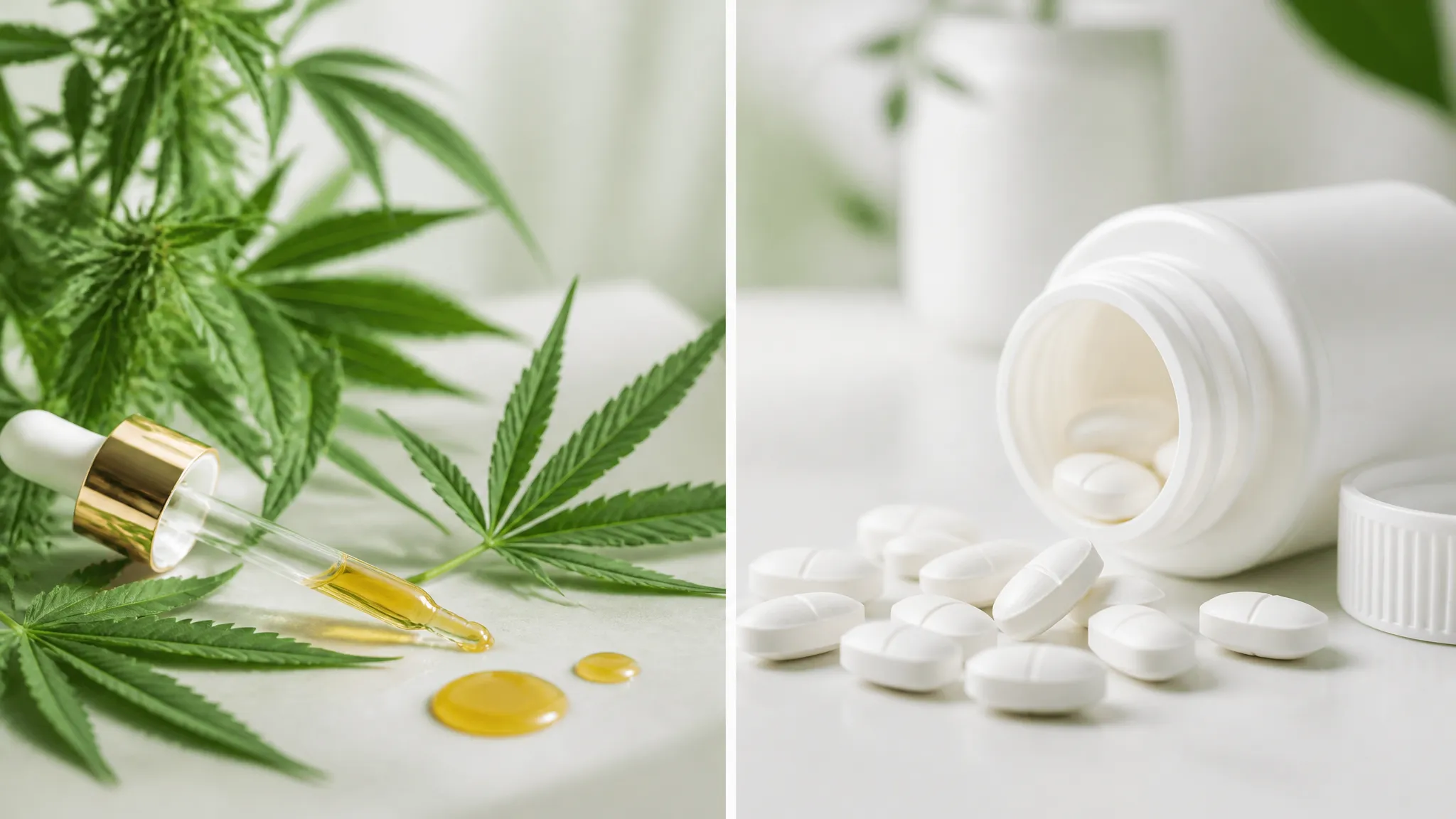
This isn't about rejecting conventional medicine. It's about understanding what 2026 research actually shows when we compare CBD to SSRIs, benzodiazepines, and other traditional treatments. The answer? More nuanced, more promising, and more complex than either side of the debate claims.
The Current State of Anxiety Treatment
Why Traditional Medications Dominate
Anxiety disorders affect nearly one in five adults globally, making them the most common mental health condition worldwide. For decades, the treatment hierarchy has been clear:
First-line treatments:
- SSRIs (selective serotonin reuptake inhibitors) like sertraline, escitalopram, fluoxetine
- SNRIs (serotonin-norepinephrine reuptake inhibitors) like venlafaxine, duloxetine
Second-line or situational treatments:
- Benzodiazepines like alprazolam, clonazepam, lorazepam (for acute anxiety)
- Buspirone (for generalized anxiety)
- Beta-blockers (for performance anxiety)
The problem: These medications work—but not for everyone, and not without consequences.
The Limitations Nobody Talks About
A 2026 systematic review and meta-analysis in The Lancet Psychiatry analyzed cannabinoid efficacy and safety for mental disorders. The researchers noted that while traditional medications remain standard care, their limitations are increasingly documented:
SSRIs:
- Take 4-8 weeks to reach full effect
- 30-50% of patients don't achieve remission
- Common side effects include nausea, insomnia, sexual dysfunction, emotional blunting
- Discontinuation syndrome affects 20-50% of users who stop abruptly
Benzodiazepines:
- Work within 30-60 minutes (fast relief)
- High risk of tolerance and dependence
- Cognitive impairment, especially in older adults
- Dangerous withdrawal symptoms after prolonged use
- Generally recommended for short-term use only (2-4 weeks max)
Buspirone:
- Takes 2-4 weeks to work
- Less effective for severe anxiety
- Side effects include dizziness, headaches, nausea
- Must be taken consistently (not as-needed)
> "Mental disorders and substance use disorders are among the leading reasons for which the medical use of cannabinoids has been approved, but their efficacy and safety in treating these conditions is yet to be established."
This quote from The Lancet Psychiatry study highlights the central tension: people are using CBD for anxiety in massive numbers, but rigorous comparative research is still catching up.
What the 2025-2026 [ADHD research](/blog/blog-cbd-migraine-2026-07-17) Shows
Study #1: The Scoping Review on Cannabinoids for Anxiety and Sleep
Published: October 2025
Journal: Medicinal Cannabis and Cannabinoids
PMID: 41384242
Authors: Perez JG, LaMontagne LG, Garcia GA, et al.
What they did: Researchers reviewed 1,132 documents, ultimately analyzing 29 studies examining cannabinoids for anxiety and sleep disturbances.
Key findings:
- At least 60% of individuals with anxiety disorders report sleep disturbances
- Shared physiological mechanisms include cortisol dysregulation and executive function disruption
- Multiple studies showed CBD reduced anxiety symptoms with minimal side effects
- No serious adverse events reported across reviewed studies
Why it matters: This review confirms what clinicians see daily—anxiety and sleep problems are intertwined, and CBD may address both simultaneously, unlike many traditional medications that worsen sleep quality.
---
Study #2: Social Anxiety Disorder Treatment Review
Published: December 2025
Journal: Expert Review of Neurotherapeutics
PMID: 41388755
Authors: Andreoli G, Kasch C, Lindsay CE, Hofmann SG
What they did: Systematic review of social anxiety disorder (SAD) treatments published since 2015.
Key findings:
- Traditional treatments (SSRIs, CBT) remain first-line
- Cannabidiol showed promising results in reducing social anxiety symptoms
- D-cycloserine also emerged as a promising adjunct treatment
- CBD's anxiolytic effects appear particularly relevant for performance-based social anxiety
Clinical takeaway: CBD may be especially useful for situational anxiety (public speaking, performances) where benzodiazepines are sometimes prescribed as-needed. For the narrower case of test and performance anxiety, the evidence and timing considerations are different again.
---
Study #3: Global Burden of Mental Disorders
Published: May 2026
Journal: The Lancet
PMID: 42167272
Authors: GBD 2023 Mental Disorder Collaborators
What they did: Systematic analysis of mental disorder prevalence from 1990-2023, including anxiety disorders.
Relevant findings:
- Anxiety disorders remain among the leading causes of disability worldwide
- Treatment gaps persist despite available medications
- Interest in alternative treatments (including cannabinoids) has surged alongside recognition of medication limitations
Context: This massive study doesn't evaluate CBD directly but provides crucial context—traditional treatments aren't solving the anxiety epidemic, creating demand for alternatives.
---
Study #4: Randomized Controlled Trial Evidence Review
Published: December 2025
Journal: Clinical Drug Investigation
PMID: 41343139
Authors: Cooling S, Bonomo YA, Castle D, Hallinan CM
What they did: Scoping review of randomized controlled trial (RCT) evidence on medicinal cannabis for mental health and substance use disorders.
Key findings:
- Synthesized highest-quality trial evidence available
- Addressed the question: "How effective is medicinal cannabis for mental health conditions?"
- Found growing but still limited RCT evidence
- Called for more rigorous, large-scale trials
Honest assessment: The research is promising but not definitive. This is both frustrating and exciting—it means we're on the verge of better answers.
---
Study #5: Neurobiological Mechanisms
Published: December 2025
Journal: bioRxiv (Preprint)
PMID: 41409154
Authors: Jarrett ZE, Grueter BA
What they did: Examined how CBD affects neural pathways in the nucleus accumbens, a brain region involved in anxiety and reward processing.
Key findings:
- CBD reduced excitability of D1 and D2 medium spiny neurons
- This mechanism differs fundamentally from how SSRIs and benzodiazepines work
- Suggests CBD may modulate anxiety through multiple pathways simultaneously
Why this matters: Traditional medications typically target one neurotransmitter system (serotonin for SSRIs, GABA for benzodiazepines). CBD appears to work differently—affecting multiple systems including the endocannabinoid system, serotonin receptors, and neural excitability.
How CBD Works in the Brain
The Endocannabinoid System Explained
Your body has a built-in regulatory network called the endocannabinoid system (ECS) that helps maintain balance (homeostasis) across multiple functions:
- Mood and emotional processing
- Sleep-wake cycles
- Pain perception
- Immune response
- Stress response
The ECS uses cannabinoid receptors (CB1 and CB2) located throughout the brain and body. Your body naturally produces endocannabinoids that bind to these receptors. CBD doesn't bind directly to these receptors but modulates their activity indirectly.
CBD's Multiple Pathways
Unlike traditional anxiety medications that typically target one neurotransmitter system, CBD works through multiple mechanisms simultaneously:
5-HT1A Serotonin Receptors:
- CBD activates these receptors (similar to how some anti-anxiety medications work)
- This contributes to anxiolytic effects
- Different mechanism than SSRIs but same target family
TRPV1 Receptors:
- Involved in pain perception and inflammation
- CBD activation may reduce physical anxiety symptoms
GPR55 Receptors:
- Orphan receptor implicated in anxiety and bone density
- CBD acts as an antagonist
Neural Excitability:
- The 2025 bioRxiv study (PMID: 41409154) showed CBD reduces excitability in the nucleus accumbens
- This brain region processes reward, motivation, and anxiety
- Reduced excitability = calmer neural response to stressors
> Key insight: CBD's multi-target approach may explain why it helps some people who don't respond to single-mechanism medications like SSRIs.
The Anxiety Epidemic: Why We Need Alternatives
The Numbers Don't Lie
Anxiety disorders have reached epidemic proportions globally:
- Nearly 1 in 5 adults experience an anxiety disorder each year
- Women are twice as likely as men to be affected
- Only 37% of people with anxiety disorders receive treatment
- Treatment-resistant anxiety affects 30-50% of those who try first-line medications
Why Traditional Treatments Fall Short
Despite decades of pharmaceutical development, significant gaps remain:
The efficacy gap:
- SSRIs achieve full remission in only 50-70% of patients
- That means 30-50% don't get adequate relief
- Many who do respond still experience residual symptoms
The tolerability gap:
- Up to 70% of SSRI users report sexual dysfunction
- 20-30% discontinue due to side effects
- Emotional blunting affects quality of life even when anxiety improves
The access gap:
- Mental health provider shortages limit therapy access
- Medication management requires regular doctor visits
- Cost and insurance barriers affect treatment adherence
The Search for Something Better
The 2026 Global Burden of Disease Study (PMID: 42167272) confirmed that anxiety disorders remain among the leading causes of disability worldwide. Despite available treatments, the burden continues growing.
This reality drives interest in alternatives like CBD:
- Natural origin appeals to those wary of synthetic pharmaceuticals
- Better tolerability attracts those who failed traditional options
- Flexibility (as-needed vs. daily) fits different lifestyles
- Multi-symptom relief addresses comorbidities efficiently
---
CBD vs. SSRIs: Head-to-Head Comparison
How They Work
SSRIs:
- Block serotonin reuptake, increasing serotonin availability
- Require neuroadaptation (brain changes) over 4-8 weeks
- Effect builds gradually
- Must be taken daily regardless of anxiety levels
CBD:
- Modulates endocannabinoid system (CB1 and CB2 receptors indirectly)
- Interacts with 5-HT1A serotonin receptors (similar target, different mechanism)
- Reduces neural excitability in anxiety-related brain regions
- Can work acutely (within hours) or chronically (with daily use)
Onset of Action
Key difference: CBD offers flexibility—some people benefit from as-needed dosing for situational anxiety, while others prefer daily maintenance. SSRIs require daily commitment with no as-needed option.
Side Effect Profiles
SSRIs - Common Side Effects:
- Nausea (20-30% of users)
- Sexual dysfunction (30-70% of users)
- Weight gain (varies by medication)
- Emotional blunting ("feeling numb")
- Insomnia or drowsiness
- Discontinuation syndrome when stopping
CBD - Common Side Effects:
- Dry mouth (mild, manageable)
- Drowsiness (dose-dependent)
- Changes in appetite (increase or decrease)
- Diarrhea (rare, usually high doses)
- No sexual dysfunction
- No emotional blunting
- Minimal discontinuation effects
> Critical distinction: A 2025 review noted that CBD's side effect profile is significantly more favorable than traditional anxiolytics, with no evidence of dependence, abuse potential, or severe withdrawal.
Long-Term Safety
SSRIs:
- Generally safe for long-term use
- Some concerns about bone density with prolonged use
- Potential metabolic effects (weight, blood sugar)
- Discontinuation can be challenging after years of use
CBD:
- Long-term safety data still emerging
- No evidence of organ toxicity at typical doses
- No tolerance development (unlike benzodiazepines)
- Minimal withdrawal symptoms when stopping
Benzodiazepines - The Cautionary Tale:
- Tolerance develops within weeks
- Physical dependence common after 4+ weeks
- Withdrawal can be dangerous (seizures in severe cases)
- Cognitive decline with long-term use
- Generally contraindicated for elderly patients
Benzodiazepines: The Dependence Trap
Why Benzos Work So Well (Initially)
Benzodiazepines like alprazolam (Xanax), clonazepam (Klonopin), and lorazepam (Ativan) are highly effective for acute anxiety:
- Work within 30-60 minutes
- Provide dramatic symptom relief
- Calm both mental and physical anxiety symptoms
- Effective for panic attacks
For someone in acute distress, benzos feel like miracles.
The Dark Side: Tolerance and Dependence
Tolerance develops quickly:
- Within 2-4 weeks, the same dose provides less relief
- Patients often request dose increases
- Escalating doses increase side effect risks
Physical dependence is common:
- After 4+ weeks of regular use, most people develop dependence
- Missing a dose triggers withdrawal symptoms
- Stopping abruptly can cause seizures in severe cases
Withdrawal symptoms include:
- Rebound anxiety (worse than original anxiety)
- Insomnia
- Tremors
- Sweating
- In severe cases: seizures, psychosis
Cognitive Costs
Long-term benzodiazepine use carries documented risks:
- Memory impairment, especially forming new memories
- Reduced cognitive performance in attention and processing speed
- Increased fall risk in older adults
- Potential dementia link (research ongoing but concerning)
Where CBD Differs Fundamentally
No tolerance: CBD doesn't require escalating doses over time
No dependence: Users can stop without withdrawal syndrome
No cognitive impairment: Studies show no negative cognitive effects at typical doses
No abuse potential: CBD doesn't produce euphoria or cravings
> Critical point: For people who need something for situational anxiety (public speaking, flying, medical procedures), CBD offers benzo-like flexibility without the dependence risk.
---
When CBD Makes Sense (And When It Doesn't)
CBD May Be Right For You If:
You have mild to moderate anxiety:
- Generalized worry that interferes with daily life
- Situational anxiety (presentations, social events)
- Anxiety with prominent physical symptoms (racing heart, tension)
You've struggled with traditional medications:
- Didn't respond to SSRIs
- Couldn't tolerate SSRI side effects
- Experienced emotional blunting or sexual dysfunction
- Want to avoid benzodiazepine dependence
You have comorbid conditions:
- Anxiety + chronic pain (CBD addresses both)
- Anxiety + sleep disturbances (CBD may help both)
- Anxiety + inflammation (CBD has anti-inflammatory properties)
You prefer a different approach:
- Want as-needed flexibility
- Prefer natural/plant-based options
- Concerned about long-term medication use
- Interested in addressing root causes alongside symptom management
CBD Is NOT Appropriate If:
You have severe anxiety:
- Panic disorder with frequent attacks
- Severe OCD with disabling rituals
- PTSD with severe hyperarousal
- Anxiety requiring immediate stabilization
You need rapid crisis intervention:
- Acute panic attacks (benzodiazepines work faster)
- Suicidal ideation (requires immediate psychiatric care)
- Severe functional impairment (can't work, leave home, etc.)
You're pregnant or breastfeeding:
- Insufficient safety data
- Potential risks unknown
- Wait until after pregnancy/nursing
You take certain medications:
- Blood thinners (warfarin, clopidogrel)
- Certain antidepressants (potential interactions)
- Anti-seizure medications (CBD affects metabolism)
- Always consult your doctor first
> ⚠️ Important: If you currently take prescription anxiety medication, do NOT stop abruptly to try CBD. Work with your doctor on a supervised transition plan if appropriate.
Understanding the Research Limitations
What We Know
Based on 2025-2026 research:
- CBD shows anxiolytic (anxiety-reducing) effects in multiple studies
- Side effect profile is significantly better than traditional medications
- Works through different mechanisms than SSRIs and benzodiazepines
- May be particularly useful for situational anxiety and social anxiety
- Appears safe for short-to-medium term use
What We Don't Know Yet
Large-scale RCTs are still needed:
- Direct head-to-head comparisons (CBD vs. sertraline, for example)
- Optimal dosing for different anxiety disorders
- Long-term safety data (5+ years)
- Best practices for combining CBD with therapy or other treatments
Individual variability:
- Why do some people respond dramatically while others notice nothing?
- Genetic factors affecting CBD metabolism
- Role of product quality and formulation
- Impact of THC content (full-spectrum vs. isolate)
The honest truth: The research is promising enough to justify trying CBD for appropriate candidates, but not definitive enough to claim it's superior to all traditional options for all people.
drug interactions: What You Must Know
The Cytochrome P450 Connection
CBD is metabolized by liver enzymes in the cytochrome P450 family, specifically CYP3A4 and CYP2C19. Here's why this matters:
These same enzymes process many medications:
- Blood thinners (warfarin, clopidogrel)
- Some antidepressants (citalopram, escitalopram)
- Anti-seizure medications (clobazam, valproate)
- Some statins (cholesterol medications)
- Certain immunosuppressants
What Happens During Interaction
CBD can inhibit these enzymes, meaning:
1. Other medications stay in your system longer
2. Blood levels of those medications increase
3. Side effects become more likely
4. Toxicity risk rises in severe cases
Specific Interactions to Watch
Blood Thinners:
- Warfarin levels can increase significantly
- INR monitoring becomes critical
- Bleeding risk elevated
Antidepressants:
- SSRIs metabolized by CYP2C19 may have increased levels
- Citalopram and escitalopram particularly affected
- May increase SSRI side effects
Anti-Seizure Medications:
- Clobazam levels can double when combined with CBD
- Sedation and coordination problems increase
- Dose adjustments often necessary
Sedatives:
- Additive sedative effects with benzodiazepines, sleep medications, alcohol
- Increased drowsiness and impairment
- Avoid combining until you know your response
How to Stay Safe
Before starting CBD:
1. Make a complete list of all medications and supplements
2. Share this list with your doctor or pharmacist
3. Ask specifically about CYP450 interactions
4. Plan monitoring if needed (blood tests, symptom tracking)
When starting:
- Begin with lower doses than usual (5-10mg)
- Monitor for increased medication side effects
- Keep a daily log for the first 2 weeks
- Report any concerning changes to your doctor immediately
> ⚠️ Never stop prescription medications abruptly to replace them with CBD. Work with your healthcare provider on any transitions.
---
Practical Considerations: Dosing, Products, and Timing
Starting CBD for Anxiety
Recommended approach:
1. Start low: 10-20mg once daily
2. Track your response: Keep a simple journal noting anxiety levels, sleep quality, and any side effects
3. Give it time: Allow 5-7 days at each dose before adjusting
4. Increase gradually: Add 5-10mg every week if needed
5. Find your minimum effective dose: More isn't always better
Typical dosing ranges:
- Mild anxiety: 10-25mg daily
- Moderate anxiety: 25-50mg daily
- Severe anxiety: 50-100mg daily (consult doctor)
Product Types Matter
Full-spectrum CBD:
- Contains CBD plus other cannabinoids and terpenes
- May provide "entourage effect" (enhanced benefits)
- Contains trace THC (<0.3%)
- May show up on drug tests
Broad-spectrum CBD:
- Contains CBD plus other cannabinoids
- THC removed entirely
- Still may provide entourage effect
- Unlikely to trigger positive drug tests
CBD isolate:
- Pure CBD only
- No entourage effect
- Best for those who must avoid all THC
- May require higher doses for same effect
For anxiety specifically: Many clinicians recommend starting with broad-spectrum or full-spectrum products, as the additional cannabinoids may enhance anxiolytic effects.
Timing Your Doses
For generalized anxiety:
- Morning dose (with breakfast)
- Optional evening dose if anxiety persists or sleep is affected
For situational anxiety:
- Take 60-90 minutes before anticipated stressor
- Example: Public speaking at 2pm → take CBD at 12:30pm
For sleep-related anxiety:
- Evening dose 1-2 hours before bed
- May combine with sleep hygiene practices
The Bottom Line
The 2025-2026 research on CBD for anxiety tells a compelling story: CBD is a legitimate therapeutic option with a fundamentally different risk-benefit profile than traditional medications.
Here's what the evidence supports:
CBD advantages:
- Faster onset than SSRIs (hours vs. weeks for some effects)
- Better side effect profile (no sexual dysfunction, minimal withdrawal)
- No dependence or tolerance (unlike benzodiazepines)
- May address multiple symptoms (anxiety, sleep, pain)
- Flexible dosing (as-needed or daily)
Traditional medication advantages:
- More extensive long-term safety data
- Standardized dosing and formulations
- Insurance coverage (CBD often out-of-pocket)
- Clear guidelines for monitoring and adjustment
- Proven efficacy in severe anxiety disorders
The nuanced truth: CBD isn't a replacement for all anxiety medications. But for millions of people with mild to moderate anxiety—who struggle with SSRI side effects, fear benzodiazepine dependence, or simply want a different approach—CBD represents a legitimate, research-backed alternative worth discussing with their healthcare provider.
Ready to explore whether CBD might work for your anxiety? Start with a quality broad-spectrum or full-spectrum product, begin with 10-20mg daily, track your response honestly, and partner with a healthcare provider who understands both traditional and emerging treatments.
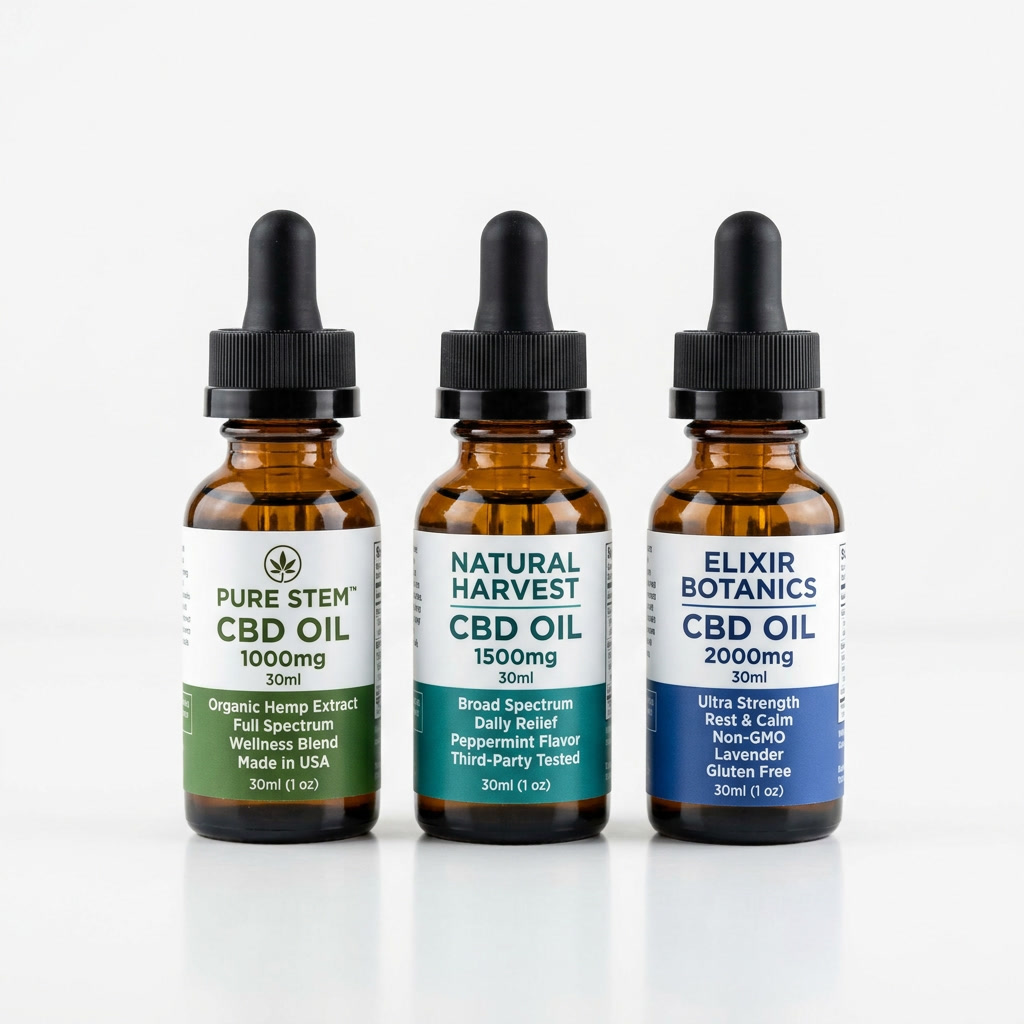
For those looking to get started, Cannetics offers a range of CBD oils and tinctures designed for consistent dosing and maximum bioavailability. Our third-party tested products ensure you know exactly what you're getting—no guesswork, no contaminants, just pure relief.
The anxiety treatment landscape is evolving. The question isn't whether CBD works—the 2025-2026 research says it does for many people. The question is whether it might work for you.
---
Last updated: August 1, 2026
Find Your Perfect CBD Product
Take our 2-minute quiz to get personalized recommendations based on your needs.
Take the Quiz →Disclaimer: This article is for informational purposes only and does not constitute medical advice. CBD products are not FDA-approved to treat, cure, or prevent any disease. Always consult with a qualified healthcare professional before starting any new supplement, especially if you have a medical condition or take medications.