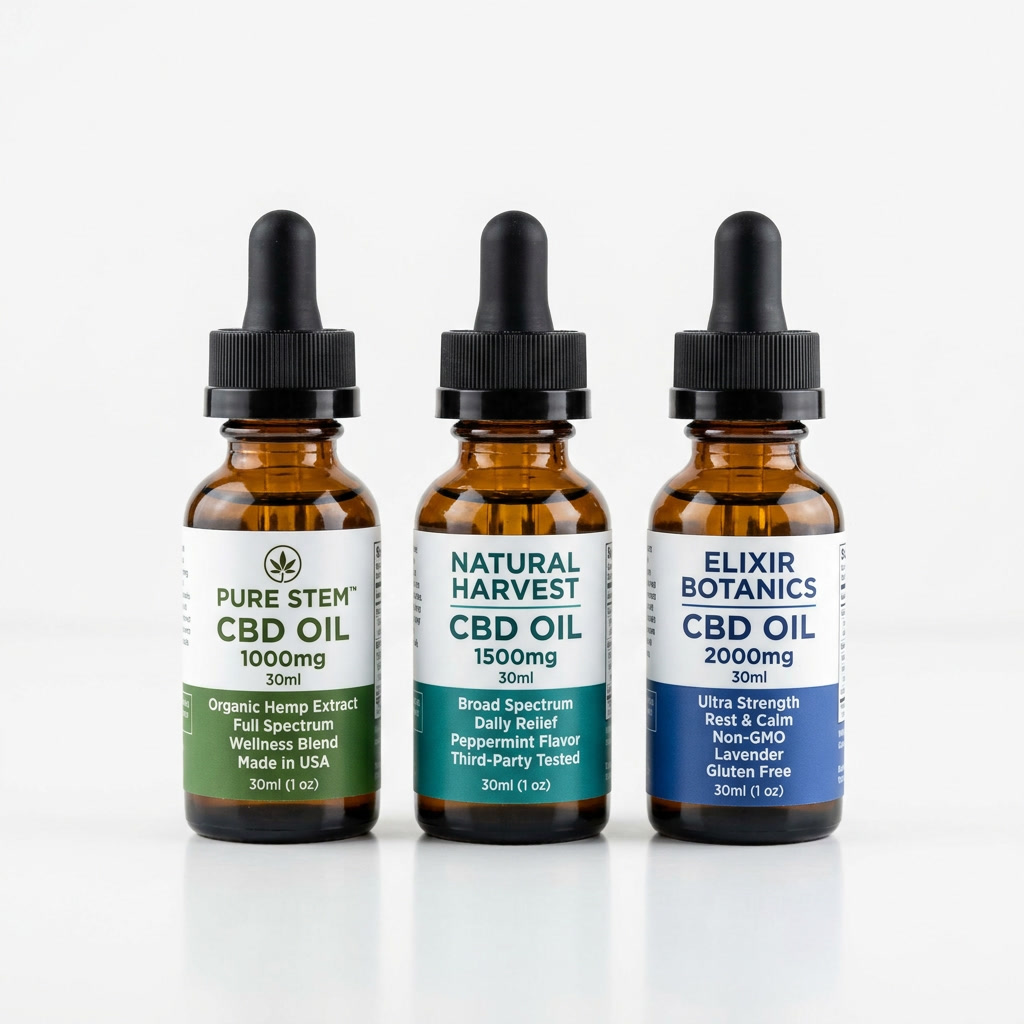
CBD for ADHD: What the Research Actually Says About Cannabinoids and Attention

You're sitting at your desk, laptop open to a dozen tabs, coffee gone cold. You've been staring at the same email for twenty minutes. Your brain feels like a browser with too many windows open—everything's running at once, nothing's getting done. Sound familiar?
For the estimated 10 million American adults living with attention-deficit/hyperactivity disorder (ADHD), this scenario isn't occasional—it's daily reality. Traditional treatments like stimulants (Adderall, Ritalin) work well for many, but they come with side effects: appetite suppression, sleep disruption, anxiety, and the potential for dependency. Some people can't tolerate them. Others simply prefer a different approach.
That's where CBD enters the conversation. Anecdotal reports flood online forums—parents sharing stories about their children's improved focus, adults describing calmer minds and better task completion. But here's the critical question: What does the actual science say?
The truth is more nuanced than the marketing hype. Let's dig into what researchers have discovered about cannabinoids and attention disorders, where the evidence stands in 2026, and what this means if you're considering CBD as part of your ADHD management strategy.
Understanding ADHD: More Than Just Distraction
Before we examine CBD's potential role, it's essential to understand what ADHD actually involves. This isn't about occasional forgetfulness or restlessness. ADHD is a neurodevelopmental disorder characterized by persistent patterns of inattention, hyperactivity, and impulsivity that interfere with daily functioning.
The Three Presentations:
- Predominantly Inattentive: Difficulty sustaining focus, organizing tasks, following through on instructions
- Predominantly Hyperactive-Impulsive: Fidgeting, excessive talking, interrupting others, difficulty waiting turns
- Combined Presentation: Features of both inattentive and hyperactive-impulsive types
The underlying neurobiology involves dysregulation in several neurotransmitter systems, particularly dopamine and norepinephrine. These chemicals play crucial roles in attention, motivation, and executive function. Most conventional ADHD medications work by increasing the availability of these neurotransmitters in the brain.
But ADHD rarely travels alone. Up to 80% of adults with ADHD have at least one coexisting condition—anxiety, depression, sleep disorders, or substance use issues. This comorbidity complicates treatment and may explain why some people turn to cannabis-based products seeking relief for multiple symptoms simultaneously.
The Self-Medication Hypothesis: Why People With ADHD Use Cannabis
Here's where things get interesting—and complicated.
Multiple studies have documented a striking pattern: people with ADHD report higher rates of cannabis use compared to the general population. A study published in Journal of Attention Disorders found that individuals with ADHD were significantly more likely to use cannabis, often reporting it helps with relaxation, sleep, and even concentration.
This has led researchers to propose the self-medication hypothesis: people with ADHD may be using cannabis (and increasingly, CBD products) to manage not just core ADHD symptoms, but also the anxiety, restlessness, and sleep problems that frequently accompany the disorder.
> "ADHD is highly prevalent in patients seeking treatment for cannabis use disorders." — Journal of Addiction Medicine, 2016
But self-medication doesn't equal effective treatment. The critical distinction: just because someone feels helped doesn't mean the intervention is objectively improving symptoms—or that it's safe long-term.
What the [Parkinsons research](/blog/blog-cbd-migraine-2026-07-17) Shows (And What It Doesn't)
Let's address the elephant in the room: rigorous clinical trials specifically examining CBD for ADHD are extremely limited. As of 2026, there are no large-scale, randomized controlled trials (the gold standard) that have definitively established CBD's efficacy for treating core ADHD symptoms.
However, that doesn't mean we have zero data. Here's what emerging research and related studies suggest:
The Project CBD Patient Survey (Real-World Data)
Project CBD, a leading cannabinoid research organization, conducted a comprehensive patient survey that included 263 respondents using CBD specifically for ADD/ADHD. While this isn't a controlled clinical trial, it provides valuable real-world insights:
Survey Demographics:
- 57% Female
- 38% Male
- 4% Prefer not to say
Most respondents reported having either Inattentive Type or Combined Type ADHD. Importantly, this group was using CBD for multiple overlapping issues:
- 78% also used CBD for mood issues
- 68% used CBD for pain
- 60% used CBD for sleep problems
This mirrors the clinical reality: ADHD rarely exists in isolation.
Symptom-Specific Effects
When survey participants rated how CBD impacted seven common ADHD symptoms, distinct patterns emerged:
Most Improved Symptoms:
- Staying on task
- Minimizing distractibility
- Mitigating agitation or irritability
Least Improved (Sometimes Worse):
- Tendency to lose things
- Procrastination
This suggests CBD may help more with emotional regulation and sustained attention than with organizational challenges or executive function deficits.
The THC Factor
An important finding from the Project CBD survey: people using CBD for ADHD were almost three times more likely to be using cannabis-derived CBD (which contains some THC) rather than hemp-derived CBD alone.
This raises a critical question: Is it CBD helping, or the combination of CBD and THC?
Some preliminary research suggests THC may have paradoxical effects in people with ADHD. A small study published in European Neuropsychopharmacology examined a THC/CBD combination in various conditions and noted complex interactions with attention and impulse control. However, THC also carries risks—including potential cognitive impairment, dependency, and worsening anxiety in some individuals.
Related Research: What Adjacent Studies Tell Us
While direct ADHD+CBD trials are scarce, research in related areas provides indirect clues about potential mechanisms and effects:
Anxiety and Emotional Regulation
Strong evidence supports CBD's anxiolytic (anti-anxiety) effects. A landmark 2019 study published in The Permanente Journal found that 79% of participants experienced reduced anxiety scores within the first month of CBD use. Since anxiety exacerbates ADHD symptoms for many people, reducing anxiety could indirectly improve focus and task completion.
Neuroimaging studies add credibility: a 2024 placebo-controlled study in Journal of Psychopharmacology found that CBD altered amygdala-based neural responses to an acute stressor, providing initial evidence that CBD may modulate the brain's threat detection center.
Why this matters for ADHD: If anxiety is making your ADHD worse, and CBD reduces anxiety, you may experience secondary improvements in attention—even if CBD isn't directly targeting ADHD neurobiology.
Sleep Quality
Sleep disturbances affect 50-70% of adults with ADHD. Poor sleep worsens every ADHD symptom: focus deteriorates, impulsivity increases, emotional regulation becomes harder.
Multiple studies have examined CBD's effects on sleep. Research published in Epilepsia Open (2025) examining high-dose purified CBD for epilepsy found that caregivers reported sleep quality improvements alongside attention and reactivity gains in some patients.
A 2025 scoping review in Medicinal Cannabis and Cannabinoids analyzed 29 studies and concluded that cannabinoids show promise for sleep disturbances, though effects vary by individual and dosage.
Impulse Control and Hyperactivity
Animal studies provide intriguing hints. A 2012 study in Journal of Psychopharmacology found that CBD reversed MK-801-induced hyperactivity in rodents, suggesting potential effects on hyperactive behaviors. However, animal models don't always translate to human outcomes.
Human data remains limited. Some adults with ADHD report subjective improvements in hyperactivity and impulsivity when using cannabis products, but these reports are anecdotal and often involve THC-containing products, not isolated CBD. No rigorous clinical trials have specifically examined CBD alone for ADHD hyperactivity.
The Dopamine Connection: A Theoretical Framework
Here's where neuroscience gets fascinating. ADHD involves dysregulated dopamine signaling in the prefrontal cortex—the brain region responsible for executive functions like planning, focus, and impulse control.
CBD doesn't directly increase dopamine like stimulant medications do. Instead, it appears to work through multiple pathways:
- Modulating the endocannabinoid system, which influences neurotransmitter release
- Activating serotonin receptors (particularly 5-HT1A), which can affect mood and anxiety
- Reducing inflammation, which may impact brain function
- Influencing adenosine signaling, which plays roles in alertness and attention
This multi-target approach could theoretically benefit ADHD through indirect mechanisms—calming an overactive mind, reducing anxiety-driven distraction, improving sleep quality—all of which support better daytime functioning.
But theory isn't proof. And the absence of direct dopamine modulation means CBD likely won't produce the same dramatic, immediate effects that stimulants do for many people with ADHD.
Safety Considerations: What We Know About CBD's Risk Profile
One area where CBD shines compared to traditional ADHD medications: safety and tolerability.
Common Side Effects (Generally Mild):
- Dry mouth
- Drowsiness or fatigue
- Changes in appetite
- Digestive discomfort
- Lightheadedness
These tend to be dose-dependent and often resolve with continued use or dose adjustment.
Drug Interactions: Important Warnings
CBD inhibits certain liver enzymes (particularly CYP3A4 and CYP2D6) that metabolize many medications. This means CBD can increase blood levels of drugs processed by these pathways.
Potential interactions with ADHD-related medications:
- Stimulants (Adderall, Vyvanse, Ritalin): Limited data, but theoretical risk of altered metabolism
- Antidepressants (SSRIs, SNRIs): CBD may increase levels, potentially intensifying side effects
- Anti-[anxiety medications](/blog/blog-cbd-vs-anxiety-medications-2026-08-01) (benzodiazepines): Additive sedative effects possible
- Blood thinners: Well-documented interaction risk
> ⚠️ Critical: If you take any prescription medications, consult your doctor before adding CBD. This isn't optional—it's essential for safety.
Special Populations
Children and Adolescents: Almost no safety data exists for pediatric CBD use outside of FDA-approved Epidiolex for seizure disorders. Parents should exercise extreme caution and work closely with pediatric specialists.
Pregnancy and Breastfeeding: Insufficient safety data. Most experts recommend avoiding CBD during pregnancy and lactation.
Liver Disease: High-dose CBD can elevate liver enzymes. People with hepatic impairment need medical supervision.
Comparing CBD to Traditional ADHD Treatments
Let's put CBD in context by comparing it to established ADHD interventions:
Stimulant Medications (Adderall, Ritalin, Vyvanse)
Effectiveness: ⭐⭐⭐⭐⭐
Onset: Immediate (30-60 minutes)
Evidence Base: Extensive (decades of rigorous trials)
Side Effects: Appetite suppression, insomnia, anxiety, increased heart rate, dependency risk
Best For: Moderate-to-severe ADHD, especially when rapid symptom control is needed
Non-Stimulant Medications (Strattera, Intuniv, Kapvay)
Effectiveness: ⭐⭐⭐⭐
Onset: Gradual (2-6 weeks for full effect)
Evidence Base: Strong
Side Effects: Fatigue, digestive issues, mood changes
Best For: People who can't tolerate stimulants, those with coexisting anxiety or tics
Behavioral Therapy and Coaching
Effectiveness: ⭐⭐⭐⭐ (when consistently applied)
Onset: Gradual (skills build over months)
Evidence Base: Strong
Side Effects: None
Best For: All ages, especially combined with medication; builds lasting coping strategies
CBD/Cannabinoids
Effectiveness: ⭐⭐ (limited direct evidence; anecdotal reports vary widely)
Onset: Variable (some report immediate calming effects; therapeutic benefits may take weeks)
Evidence Base: Preliminary (mostly observational, animal studies, and adjacent research)
Side Effects: Generally mild (dry mouth, drowsiness, appetite changes)
Best For: Mild symptoms, adjunctive support for anxiety/sleep, people seeking alternatives due to side effects or personal preferences
The Bottom Line: CBD is not a replacement for evidence-based ADHD treatments in moderate-to-severe cases. However, it may serve as a complementary tool for some individuals, particularly those struggling with anxiety, sleep, or medication side effects.
Dosage Considerations: Finding Your Starting Point
If you and your healthcare provider decide to explore CBD, dosing requires patience and systematic tracking. Unlike stimulants with standardized dosing protocols, CBD dosing is highly individualized.
General Starting Guidelines:
For Beginners:
- Start with 10-20mg once daily
- Take consistently at the same time each day
- Track effects for 5-7 days before adjusting
If No Noticeable Effect:
- Increase by 5-10mg increments
- Wait another 5-7 days between adjustments
- Continue until you notice benefits or reach 50-60mg daily
Common Maintenance Ranges (based on anecdotal reports):
- Mild support: 15-30mg daily
- Moderate support: 30-60mg daily
- Higher doses: 60-100mg+ daily (consult physician)
Timing Matters
Some people report CBD helps them focus when taken in the morning. Others find it more beneficial for evening wind-down and sleep improvement. Experiment with timing while keeping other variables consistent.
Product Type Considerations
- Oils/Tinctures: Fastest absorption (15-30 minutes), easy dose titration
- Capsules: Convenient, precise dosing, slower onset (1-2 hours)
- Edibles/Gummies: Pleasant taste, delayed onset (1-3 hours), harder to fine-tune doses
- Vapes: Rapid onset but lung health concerns; generally not recommended
Quality matters enormously. Look for third-party lab testing (Certificate of Analysis), transparent sourcing, and products from reputable manufacturers. The FDA has found significant labeling inaccuracies in the CBD marketplace—one analysis revealed 70% of online CBD products were mislabeled regarding CBD content.
Realistic Expectations: What CBD Can and Cannot Do
Managing expectations is crucial. Here's an honest assessment:
CBD Might Help With:
- Reducing background anxiety that worsens distractibility
- Improving sleep quality (which indirectly improves daytime focus)
- Calming mental restlessness or racing thoughts
- Supporting emotional regulation during frustrating tasks
- Providing a sense of calm without sedation (at appropriate doses)
CBD Probably Won't Fix:
- Core executive function deficits (organization, planning, time management)
- Working memory challenges
- The tendency to lose items or forget appointments
- Motivation deficits unrelated to anxiety
- Severe ADHD symptoms requiring pharmaceutical intervention
> Quick Take: Think of CBD as a potential support tool, not a standalone treatment. It may smooth some edges, but it's unlikely to transform severe ADHD without additional interventions.
The Legal and Employment Landscape
Before diving in, consider practical realities:
Legal Status
Hemp-derived CBD (containing less than 0.3% THC) is federally legal under the 2018 Farm Bill. However:
- State laws vary (some states restrict CBD sales or require prescriptions)
- International travel with CBD is risky (illegal in many countries)
- Regulations continue evolving; stay informed about your local laws
Drug Testing Concerns
Even "THC-free" CBD products can contain trace amounts of THC that accumulate over time. Full-spectrum products definitely contain THC (up to 0.3%).
If you face regular drug testing through employment, athletics, or legal requirements:
- Use only CBD isolate products (theoretically THC-free)
- Request Certificates of Analysis confirming non-detectable THC
- Understand that false positives are possible despite precautions
- Consider whether the risk is worth potential consequences
Some employers have updated policies to distinguish between THC and CBD, but many haven't. Proceed with caution.
Action Steps: If You Want to Try CBD for ADHD
Ready to explore CBD thoughtfully? Here's a systematic approach:
1. Talk to Your Healthcare Provider First
- Disclose all current medications and supplements
- Discuss your specific ADHD symptoms and goals
- Get personalized guidance based on your health history
2. Define Your Goals Clearly
- What specific symptoms are you hoping to address?
- How will you measure success? (e.g., "I want to complete tasks without feeling overwhelmed")
- Set a timeline for evaluation (e.g., 4-6 weeks)
3. Choose a Quality Product
- Select CBD isolate or broad-spectrum if concerned about THC
- Verify third-party lab testing (Certificate of Analysis)
- Start with a reputable brand specializing in wellness products
- Consider starting with CBD oils and tinctures for easy dose adjustment
4. Start Low, Go Slow
- Begin with 10-15mg once daily
- Maintain the same dose for at least one week
- Keep a daily journal tracking: dose, timing, mood, focus, sleep quality, side effects
5. Evaluate Objectively
- After 4 weeks, review your journal
- Are you noticing meaningful improvements in target symptoms?
- Are side effects manageable?
- Is the cost sustainable for ongoing use?
6. Adjust or Discontinue
- If helpful: maintain or fine-tune dosage
- If no effect after 6-8 weeks at reasonable doses: it may not work for you
- If adverse effects occur: reduce dose or stop; consult your doctor
7. Don't Abandon Proven Treatments
- CBD should complement, not replace, evidence-based interventions
- Continue therapy, coaching, medication (if prescribed), and lifestyle strategies
- View CBD as one tool among many in your ADHD management toolkit
The Bottom Line
The science on CBD for ADHD is still in its early chapters. While anecdotal reports are encouraging and mechanistic theories make sense, we lack the rigorous clinical trials needed to make definitive claims.
What we do know:
- CBD appears safe for most adults when used appropriately
- It shows genuine promise for anxiety and sleep—two issues that worsen ADHD symptoms
- Some people with ADHD report subjective benefits, particularly with emotional regulation and sustained attention
- CBD is unlikely to replace stimulant medications for moderate-to-severe ADHD
- Quality, dosing, and individual biology all dramatically influence outcomes
If you're curious about CBD, approach it with realistic expectations and medical guidance. Track your response systematically. Be prepared for the possibility that it may not help—and that's okay. ADHD management is deeply personal, and what works wonders for one person may do nothing for another.
The future may bring clearer answers. Several research groups are actively investigating cannabinoids for neurodevelopmental disorders. Until then, stay informed, stay skeptical of bold claims, and prioritize interventions with proven track records while exploring complementary options thoughtfully.
Your brain deserves evidence-based care.For a fuller look at whether CBD can help concentration and mental clarity, see our guide to CBD for focus But it also deserves compassion, experimentation within safe boundaries, and openness to tools that might make the journey a little smoother—even if they're not perfect solutions.
Find Your Perfect CBD Product
Take our 2-minute quiz to get personalized recommendations based on your needs.
Take the Quiz →Disclaimer: This article is for informational purposes only and does not constitute medical advice. CBD products are not FDA-approved to treat, cure, or prevent any disease. Always consult with a qualified healthcare professional before starting any new supplement, especially if you have a medical condition or take medications.