CBD for Panic Attacks & Panic Disorder: What the 2026 Research Really Says
The Moment It Hits
You're standing in line at the grocery store, completely fine, when suddenly your heart slams against your ribs. Your chest tightens. The room tilts. You can't catch your breath, and a voice in your head whispers that something is terribly, catastrophically wrong. You've felt this before, and you know what's coming: a panic attack. For the millions of people living with panic disorder, these episodes aren't just uncomfortable, they're terrifying, unpredictable, and exhausting. And when they keep happening, you'll try almost anything to make them stop.
That's why so many people are asking about CBD. Cannabidiol, the non-intoxicating compound in hemp, has become one of the most talked-about natural options for anxiety. But does it actually help with panic attacks specifically? The honest answer is more nuanced than the marketing suggests. In this guide, we'll break down what the latest research from 2023 through 2026 actually shows, how CBD might influence the brain circuits behind panic, what doses people are using, and how to approach it safely alongside professional care.
What Panic Disorder Actually Is
Before we talk about CBD, it's worth being clear about what we're dealing with. Panic disorder is a real, diagnosable psychiatric condition, not just "being stressed." It involves recurrent, unexpected panic attacks, which are sudden surges of intense fear or discomfort that peak within minutes. Common symptoms include a racing or pounding heart, sweating, trembling, shortness of breath, chest pain, dizziness, and a feeling of losing control or even dying.
Many people with panic disorder also develop agoraphobia, a fear of being in situations where escape might be difficult or help unavailable. This can shrink a person's world dramatically over time. Panic disorder is not something to dismiss or "tough out," and it's not something CBD alone is proven to cure. It's a medical condition that deserves proper evaluation and treatment, which is why talking to a doctor or psychiatrist should always be your first step.
Why People Turn to CBD for Panic
The appeal of CBD is easy to understand. Unlike THC, the compound in cannabis that gets you high, CBD doesn't produce intoxication. It's widely available, generally well tolerated, and many people report that it helps them feel calmer. A growing body of research has explored CBD for anxiety, and some studies suggest it may help certain people. But panic disorder is a specific condition, and the evidence for CBD here is still early and mixed.
A 2024 review in the Journal of Cannabis Research examined the current landscape of clinical trials exploring CBD's anti-anxiety effects. The authors noted that while several preclinical and clinical studies suggest CBD may help some patients with anxiety disorders, the evidence is not yet robust enough to firmly establish how or whether CBD should be used in clinical care. Importantly, they specifically called for better-designed trials in conditions like panic disorder, which tells you the scientific community still considers this an open question.
What the Latest Studies Actually Found
Let's look at the most recent research, because this is where the picture gets interesting. A 2024 study in the journal Psychopharmacology tested CBD in 69 patients with panic disorder with agoraphobia or social anxiety disorder. Participants took 300 mg of CBD or a placebo alongside exposure therapy. The results were nuanced: CBD reduced the expectation of threat during a fear memory test, but it did not enhance fear re-extinction, and in some female patients taking antidepressants, CBD actually interfered with safety learning. In other words, CBD had some effects on how people anticipated danger, but it didn't clearly improve the core learning process that therapy relies on.
Meanwhile, animal research has been more encouraging. A 2023 study in Behavioural Brain Research found that CBD reduced panic-like escape behavior in female rats and mice exposed to low oxygen or high carbon dioxide, both of which are used as panic triggers in the lab. Interestingly, the effect was sex-dependent, with CBD helping females but not males, and it varied with the estrous cycle. A 2025 study in the International Journal of Pharmaceutics built on this, showing that a nanoencapsulated form of CBD at very low doses reduced panic-like defensive responses in mice exposed to a predator threat, and that the formulation crossed the blood-brain barrier more effectively.
The Human Evidence Is Still Building
When it comes to humans, the evidence is thinner but growing. A 2025 open-label study in Cannabis and Cannabinoid Research looked at CBD-rich cannabis treatment in 65 autistic children and found significant reductions in several anxiety subtypes, including panic anxiety, after six months of treatment. The authors were careful to note that these findings need confirmation in double-blind, placebo-controlled trials, but it's one of the few recent studies to specifically track panic-related anxiety in a clinical population.
A 2026 systematic review in Psychotherapy and Psychosomatics, which examined treatment options for treatment-resistant anxiety disorders, listed CBD among several agents with preliminary open-label evidence as an augmentation strategy. That's a meaningful signal, but it's also a reminder that CBD is currently viewed as an add-on with emerging evidence, not a first-line, proven treatment for panic disorder.
How CBD Might Work in the Brain
To understand why CBD could matter for panic, it helps to know a little about the endocannabinoid system. If you want a deeper dive into how this signaling network works, our guide to the endocannabinoid system walks through the science in plain language. This is a widespread signaling network in your body that helps regulate mood, stress responses, and fear. CBD interacts with this system in complex ways, and it's thought to influence areas of the brain involved in processing threat and fear, including the amygdala and related limbic structures.
The 2025 nanoencapsulation study is particularly interesting here because it showed CBD reaching limbic and paralimbic brain regions implicated in defensive and antipredatory behavior. The idea is that CBD may help dampen the brain's threat-detection alarm, which could, in theory, make panic attacks less likely to spiral. But the human data from the Psychopharmacology study reminds us that this is not a simple on-off switch, and CBD's effects can vary depending on the person, their sex, and what other medications they're taking.
CBD vs. Prescribed Panic Treatments
It's important to be realistic about where CBD fits relative to established treatments. Panic disorder is most effectively treated with a combination of cognitive behavioral therapy (CBT) and, in many cases, medication such as selective serotonin reuptake inhibitors (SSRIs) or serotonin-norepinephrine reuptake inhibitors (SNRIs). These treatments have strong evidence behind them and are the standard of care.
CBD is not a replacement for any of this. At best, the current research positions it as a potential complementary tool that some people find helpful for anxiety symptoms. The 2026 systematic review explicitly framed CBD as an augmentation option with preliminary evidence, not a standalone cure. If you're considering CBD, the responsible approach is to use it alongside, not instead of, professional treatment, and to keep your doctor in the loop, especially because CBD can interact with certain medications, including some antidepressants.
Dosing: What People Actually Use
There's no officially established dose of CBD for panic attacks, and research studies have used a wide range. The human trial in Psychopharmacology used a single 300 mg dose before therapy sessions, which is on the higher end. Many over-the-counter products, by contrast, contain far less per serving, often 10 to 25 mg.
A sensible starting point for most people is a low dose, around 10 to 20 mg once daily, taken consistently for a couple of weeks to see how you respond. From there, you can gradually adjust based on how you feel. Some people prefer a faster-acting format like a tincture placed under the tongue, while others like the convenience of gummies or capsules. Keep in mind that individual responses vary widely, and what works for one person may not work for another.
Choosing a Product That's Right for You
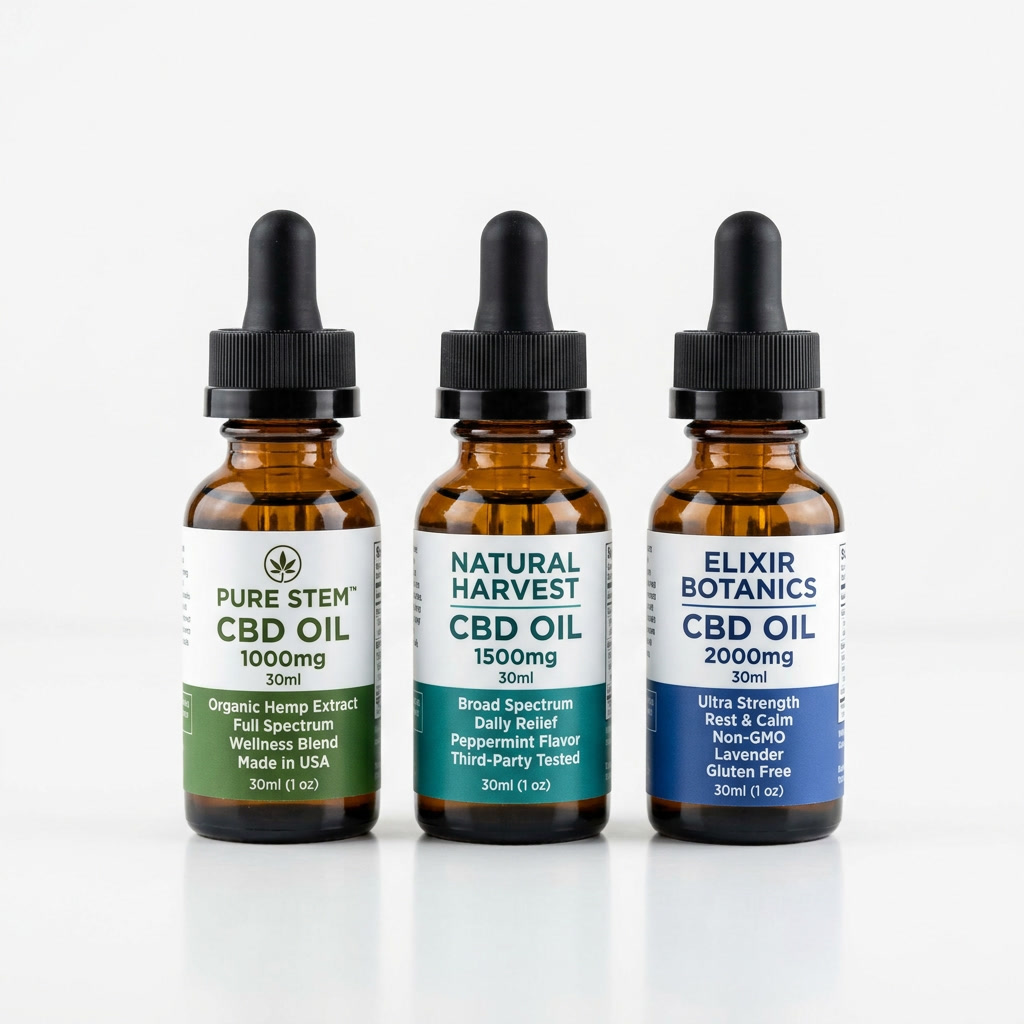
If you decide to try CBD, product quality matters enormously. The market is uneven, and not every product contains what its label claims. Look for products that provide third-party lab testing, clear labeling of CBD content per serving, and a certificate of analysis you can review. Full-spectrum products contain trace amounts of other hemp compounds, while broad-spectrum and isolate products have had THC removed, which may matter if you want to avoid any psychoactive effects or are subject to drug testing.
For panic support, many people gravitate toward tinctures for their flexibility and fast onset, gummies for their convenience and consistent dosing, or capsules for a no-fuss daily routine. You can browse our CBD oils and tinctures, CBD gummies, and CBD capsules to compare formats. Whichever you choose, start low, go slow, and track your response over time.
The Role of Lifestyle and Coping Skills
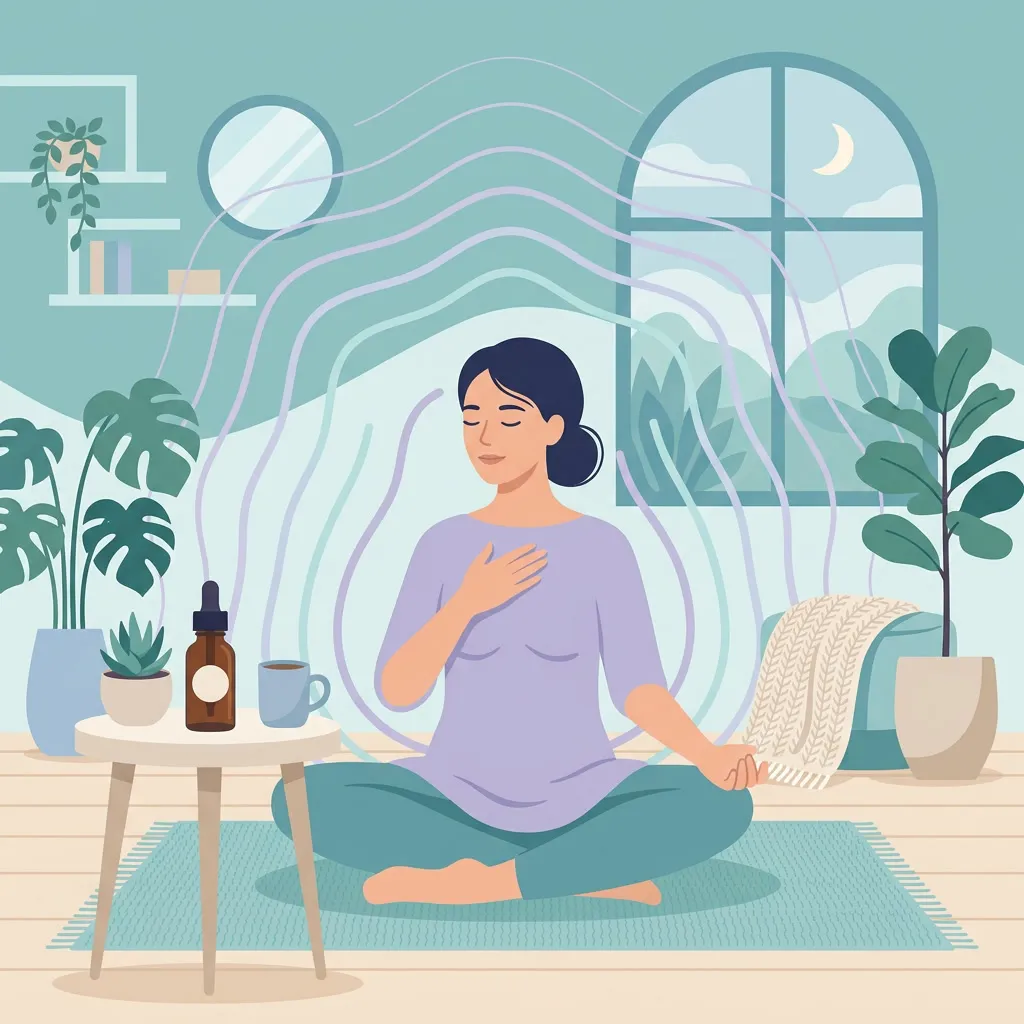
CBD is not a magic bullet, and it works best as part of a broader toolkit. Panic attacks are often managed with breathing techniques, grounding exercises, and gradual exposure to feared situations, all of which are core components of CBT. Regular physical activity also appears to help with anxiety. A 2026 randomized trial in Clinical Therapeutics found that cannabis products, including CBD-dominant ones, were associated with reductions in negative affect in anxious individuals, and the researchers noted that physical activity played a moderating role in how people responded.
The takeaway is that a holistic approach, combining professional care, coping skills, healthy habits, and possibly CBD, is far more likely to help than any single product on its own.
Safety, Side Effects, and Interactions
CBD is generally well tolerated, but it's not completely without side effects. Some people experience fatigue, diarrhea, changes in appetite, or dry mouth. More importantly, CBD can interact with other medications because it affects liver enzymes that help break down many drugs. This is especially relevant if you take antidepressants, blood thinners, or seizure medications, all of which are common in people managing anxiety or related conditions.
The Psychopharmacology study even found that CBD appeared to interfere with safety learning in some female patients taking serotonergic antidepressants, which is a reminder that combining CBD with psychiatric medication is not automatically benign. Always talk to your doctor before adding CBD, and never stop or change your prescribed medication without medical guidance.
Action Steps: A Responsible Plan
If you're thinking about trying CBD for panic attacks, here's a practical, responsible way to approach it:
1. Talk to your doctor or psychiatrist first, especially if you take any medication or have other health conditions.
2. Keep your prescribed treatment and therapy in place, and treat CBD as a possible complement, not a replacement.
3. Choose a high-quality product with third-party lab testing and clear CBD labeling.
4. Start with a low dose, around 10 to 20 mg daily, and take it consistently for two to three weeks.
5. Track your symptoms, dose, timing, and any side effects in a simple journal.
6. Adjust slowly, by 5 to 10 mg at a time, only if needed and ideally with professional input.
7. Combine CBD with proven coping tools like breathing exercises, grounding, and regular movement.
8. If you notice any worsening of symptoms or unusual reactions, stop and check in with your doctor.
The Bottom Line
Panic disorder is a real, treatable condition, and the most reliable path to feeling better runs through professional care, therapy, and, when appropriate, medication. CBD is an intriguing and increasingly studied option, and the latest research from 2023 through 2026 shows real promise in animal models and some encouraging signals in humans, particularly for reducing threat-related anxiety. But the evidence is not yet strong enough to call CBD a proven treatment for panic attacks, and it can interact with other medications. If you're curious about CBD, approach it with realistic expectations, choose a quality product, start low, and keep your doctor in the loop. For more on how CBD compares to conventional anxiety treatments, see our breakdown of CBD versus anxiety medications, and if social situations are a trigger for you, our guide to CBD for social anxiety is worth a read. Used responsibly alongside proper care, CBD may become one more useful tool in your toolkit for taking back control.
Find Your Perfect CBD Product
Take our 2-minute quiz to get personalized recommendations based on your needs.
Take the Quiz →Disclaimer: This article is for informational purposes only and does not constitute medical advice. CBD products are not FDA-approved to treat, cure, or prevent any disease. Always consult with a qualified healthcare professional before starting any new supplement, especially if you have a medical condition or take medications.