CBD for Cancer Symptom Management: What the 2023–2026 Research Says About Pain, Nausea, Appetite, and Sleep
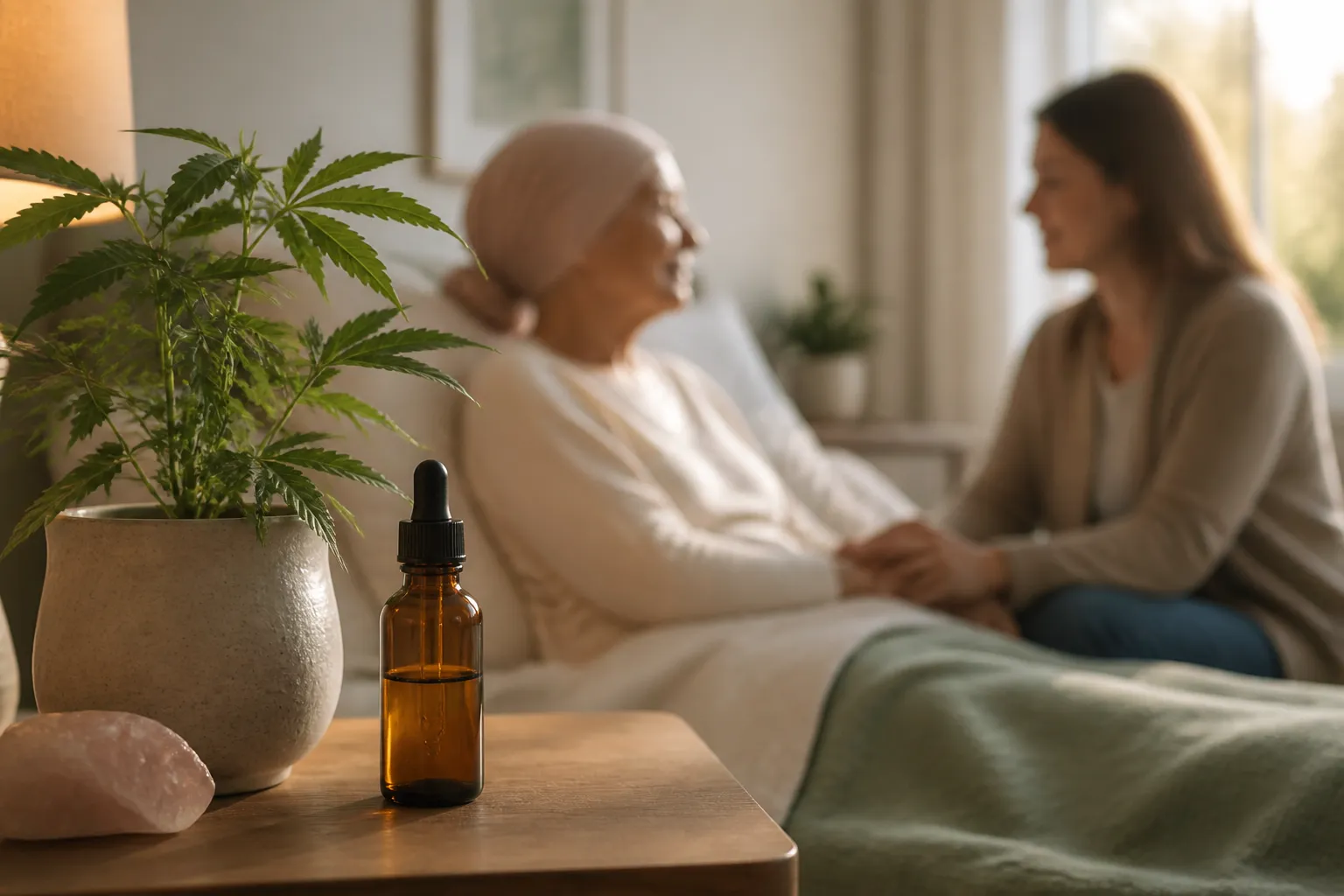
Chemotherapy was over for the day, but the after-effects were just beginning. Sarah sat in the passenger seat of her husband's car, a cold pack pressed to her temples, willing herself not to be sick. It was the third cycle, and the nausea was worse than the cancer itself — or so it felt. The neuropathy in her feet buzzed like static, sleep had abandoned her weeks ago, and food had become a distant memory. Her oncologist had mentioned that many patients ask about CBD. Was it worth trying? What could it actually help with — and what could it not do?
If you or someone you love is navigating treatment, you've probably heard the same chatter: friends, forums, and wellness pages all talking about CBD oils, gummies, and creams for chemo side effects. Sorting the genuine evidence from the noise is hard. This guide looks specifically at what the most recent research (2023–2026) actually says about CBD and other cannabinoids for cancer-related pain, chemotherapy-induced nausea and vomiting, appetite, sleep, and overall quality of life — with an honest picture of both promise and limitations.
Let's start with the most important frame up front: CBD is not a cancer treatment and cannot cure cancer. No credible source claims otherwise, and treating it as medicine in that way can be dangerous. What we're exploring is narrower and genuinely promising — CBD as a supportive tool for managing symptoms alongside your oncology care, used under medical supervision.
A Quick Reality Check on What CBD Is (and Isn't)
CBD (cannabidiol) is one of more than a hundred cannabinoids from the cannabis plant. Unlike THC, it's not intoxicating — it won't get you "high" — which is part of why so many people are curious about it. Research on its molecular effects has expanded rapidly, and reviewers continue to map how CBD interacts with the body's endocannabinoid system and other pathways involved in pain, inflammation, and mood.
In 2023, a detailed review published in the journal Molecules described CBD's complex mechanisms of action, noting its effects are mediated through multiple receptor systems rather than a single target. That complexity is part of why CBD feels different for different people — and why effects can be modest and variable rather than dramatic.
> "Cannabidiol exerts its actions through multiple pathways, targeting various receptors and cellular mechanisms, which may explain its broad but often modest effects." — Molecules (2023)
When we talk about CBD for cancer symptom management, we're really talking about a layered picture: some symptoms (like chemotherapy-induced nausea) have decades of evidence behind them, while others (like appetite and sleep) are newer, less settled, and more individual.
---
Chemotherapy-Induced Nausea and Vomiting: The Strongest Evidence
Of all the symptoms in this article, chemotherapy-induced nausea and vomiting (CINV) has the longest and most credible research history with cannabinoids. Nausea and vomiting are among the most distressing side effects of chemotherapy, affecting a large proportion of patients despite modern anti-nausea medications.
The most notable recent evidence comes from a large randomized, placebo-controlled, Phase II/III trial published in the Journal of Clinical Oncology in 2024. Researchers evaluated an oral cannabis extract as a secondary (backup) prevention for CINV in people who had already failed standard antiemetic therapy. This trial showed that the oral cannabis extract reduced nausea, and the findings were important enough to be published in one of the most respected oncology journals in the world (Grimison et al., 2024).
What does this mean in practice?
- The evidence is strongest when standard anti-nausea drugs aren't working well.
- Most of the strongest data uses oral THC or THC/CBD combinations, not pure CBD alone.
- Pure CBD's role in CINV is less established than combined cannabinoid formulations.
If you're considering CBD for nausea, it's worth being honest about a key distinction: pure CBD oil is not the same as the THC-containing cannabis extracts that dominate the nausea research. That doesn't mean CBD is useless here — many patients report it helps with the "background" queasiness and anxiety around treatment — but the strongest trial evidence centers on balanced THC:CBD extracts.
---
Cancer Pain: Real Signal, But Not a Silver Bullet
Chronic cancer pain — from the disease itself or from treatments like neuropathy — is one of the most common reasons patients explore cannabinoids. It's also one of the most heavily studied, with updated evidence coming in frequently.
In 2023, an updated Cochrane systematic review specifically examined cannabis-based medicines and medical cannabis for adults with cancer pain. The Cochrane reviews are considered among the highest-quality evidence syntheses in medicine, and their conclusion was appropriately cautious: the available data showed limited certainty of benefit for cancer pain, with only a small number of studies meeting their strict quality bar (Häuser et al., 2023).
A separate systematic review, in 2023, looked across meta-analyses of randomized controlled trials for a wide range of conditions, and cautioned that the evidence of benefit for cannabis in chronic pain was limited while risks were real (Solmi et al., 2023).
That said, more recent trials have added nuance. A double-blind, placebo-controlled, randomized trial of a 1:1 THC:CBD medicinal cannabis product for symptom control in advanced cancer, published in Supportive Care in Cancer in 2025, examined effects on pain, sleep, and overall symptom burden (Hardy et al., 2025). And a 2025 pilot study specifically looked at CBD alone for aromatase inhibitor-associated musculoskeletal symptoms in breast cancer — a common, hard-to-treat pain (Fleege et al., 2025).
Here's the balanced read on cancer pain and CBD:
- The gold-standard Cochrane analysis says current evidence for cancer pain is limited — some patients benefit, but it isn't dramatic for most.
- The strongest recent trials combine THC and CBD, not CBD alone.
- CBD's evidence for pain is preliminary (reviews describe it as emerging, not established).
- Patients do report real relief — but relief is variable and individual.
So the honest statement is: CBD may help some people with cancer-related pain, but the current high-quality evidence does not support it as a reliable first-line pain reliever. It's best viewed as an add-on option to discuss with your oncology team, not a replacement for prescribed analgesia.
---
Sleep Disturbance: A Frequent, Frustrating Companion
Sleep disruption during cancer treatment is brutal — a mix of pain, worry, medication side effects, and hospitalization. And it's an area where recent research has direct relevance.
In 2025, a study published in Clinical and Translational Oncology examined the effects of tetrahydrocannabinol and CBD on sleep in cancer patients — directly addressing the question so many patients ask (Reddy et al., 2025). The advanced-cancer trial from 2025 also reported on sleep as part of symptom control (Hardy et al., 2025).
The findings are realistic: both THC and CBD show some potential to improve sleep, but effects are modest and not everyone responds. Some patients sleep a little better and feel more rested, while others see little change. CBD's role in sleep is also complex — low doses feel slightly alerting to some people — which is why dosing, timing, and supervision matter.
---
Appetite and Weight: Hope, With an Important Caveat
Loss of appetite and unintentional weight loss (cachexia) are among the most distressing aspects of advanced cancer, and they're closely tied to quality of life and treatment tolerance. Because THC has long been associated with stimulating appetite ("the munchies"), it's natural to wonder whether CBD or cannabis products can help here.
Here's the important nuance for a CBD-focused article: the appetite-stimulating effects seen in the research are largely attributed to THC, not CBD. A 2025 review in Pharmacology Research & Perspectives on the mechanisms and pharmacotherapy of cancer cachexia-associated anorexia notes that appetite support from cannabinoids is strongest for THC-based products, and the evidence overall remains mixed.
What about CBD specifically? The honest answer is that CBD has not been shown in high-quality recent trials to reliably stimulate appetite on its own. Some patients find that better-controlled nausea and pain indirectly help them eat more, but that's an indirect effect. If weight loss is a major concern, talk to your oncology team about evidence-based options — including, where appropriate, THC-containing products, which have a stronger theoretical basis.
---
Quality of Life: The Big Picture
Beyond any single symptom, patients want to feel more like themselves. Quality of life is often the measure that matters most, and it's where supportive-care approaches like CBD are frequently evaluated.
A review published in Cancers in 2024 examined the use of medicinal cannabis products in palliative care, summarizing the evidence across nausea, pain, appetite, and QoL (2024). And a major ASCO guideline — the clinical practice guideline from the American Society of Clinical Oncology, published in the Journal of Clinical Oncology in 2024 — looked specifically at cannabis and cannabinoids in adults with cancer. ASCO's guideline was careful: it flagged that the evidence for treating most symptoms was limited and emphasized shared decision-making with the oncology team, especially because of drug interactions and the limited number of high-quality trials (Braun et al., 2024).
The honest big-picture takeaway: cannabinoids show the most promise for CINV and sleep, modest and variable potential for pain, and limited evidence for QoL. Any improvement in symptom burden can improve quality of life, but the research is far from settled.
---
What the Doctors Recommend (and What to Ask First)
One theme runs through every credible source, from the 2024 ASCO guideline to the 2023 Cochrane review: talk to your oncology team before starting CBD. This isn't caution for caution's sake — there are real, specific reasons.
Drug interactions matter. CBD and other cannabinoids are processed by the liver's cytochrome P450 enzyme system, which handles many chemotherapy drugs, anticoagulants, and other medications. That means CBD can change how other drugs behave — sometimes raising their levels, sometimes lowering them. Your oncologist or pharmacist needs to know exactly what you're taking (dose, product, frequency) to check for interactions.
What to ask your oncology team:
- Are there any interactions with my current medications (chemo, blood thinners, antidepressants, pain meds)?
- What formulation and dose would be safe to try?
- Should I start low and go slow, and how should I track effects?
- Is a CBD-only product or a balanced THC:CBD product more appropriate for my symptoms?
- Are there red flags I should watch for?
Practical starting tips if you and your team decide to explore CBD:
- Start with a low dose and increase gradually (often "low and slow")
- Choose a third-party-tested product so you know what's actually in the bottle
- Keep a simple symptom journal (pain, nausea, appetite, sleep) to see what's working
- Don't stop or change prescribed medications without speaking to your doctor
- Be realistic: expect modest, symptom-specific improvements, not a fix
---
Understanding the Limitations: A Dose of Honesty
A responsible look at CBD for cancer symptoms has to include what the evidence does not show. Landmark reviews and guidelines from 2023–2026 published in high-impact journals (including BMJ, Cochrane, and ASCO) are strikingly consistent on the limits:
- The overall quality of CBD and cannabis trials remains limited — small studies, mixed symptom comparisons, risk of bias
- Most strong evidence is for CINV, and for THC-containing products rather than CBD alone
- Pain and QoL evidence shows inconsistent benefits
- Some trials have high dropout rates due to side effects like drowsiness and dizziness
Bold key number: In one rigorous 2023 analysis, the researchers concluded that evidence of benefit across a broad range of medical conditions was limited, while risks (including dizziness, drowsiness, and cognitive effects) were consistently present (Solmi et al., 2023).
This doesn't mean CBD is a waste of time — it means the honest framing is: some people find it helpful for specific symptoms, and the science supports a cautious trial under medical supervision, not a strong guarantee.
---
Choosing a Product Wisely (If Your Team Gives the Green Light)
If your oncology team approves exploring CBD, product choice matters — a lot. The market is largely unregulated, so the bottle label doesn't always match what's inside.
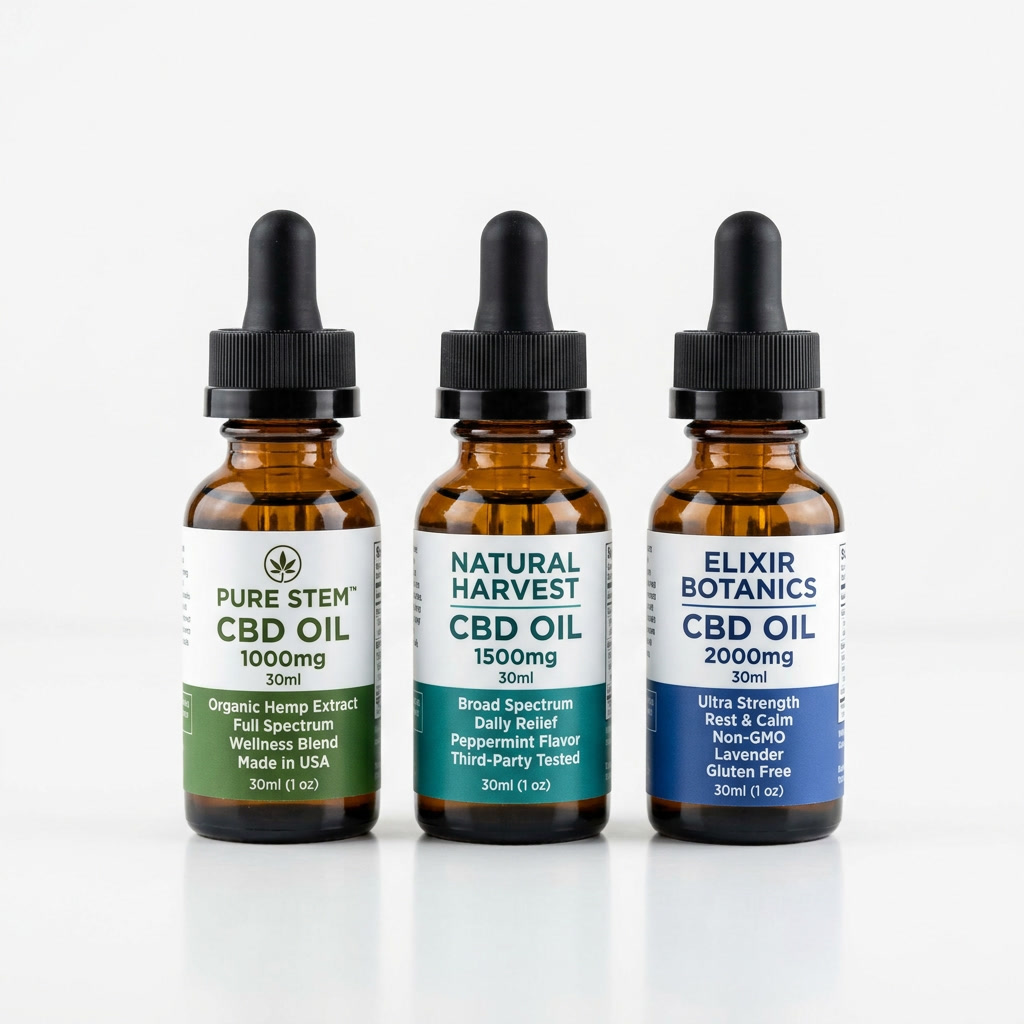
- Full-spectrum vs. isolate: Full-spectrum oils contain a wider range of compounds (including trace THC); isolate is pure CBD. Each has pros and cons for different symptoms.
- Third-party lab testing: Look for Certificates of Analysis (COAs) showing actual CBD and THC content.
- Transparency: A reputable brand publishes its testing and sourcing clearly.
- Oils, capsules, and topicals all deliver differently. Topical CBD is often used for localized pain but doesn't affect nausea or sleep.
- Proportion of CBD:THC: If you're hoping for anti-nausea benefit, a product with a meaningful THC component may be worth discussing with your doctor. To avoid THC entirely, an isolate or broad-spectrum CBD is the path — with the honest caveat that pure-CBD evidence is thinner.
We've rounded up thoughtfully reviewed options if you want a starting reference: explore our CBD oils, CBD gummies, and CBD topicals — but remember, choosing a product should happen with your medical team's awareness.
---
How to Bring It Up With Your Doctor (and What to Expect)
Many patients are nervous about mentioning CBD to their oncologist. Here's how to make it productive and non-awkward:
1. Frame it as a supportive-care question, not a treatment question: "I've been thinking about whether CBD could help with my nausea/ sleep, and I'd like your advice."
2. Bring the actual product (or its label / COA) so they can see dose and ingredients.
3. Be honest about what you're already taking. Your team isn't judging; they need the full picture to keep you safe.
4. Expect them to be evidence-informed but cautious — that's appropriate, given the state of the science.
The best experiences happen when CBD is treated as a complementary support within a care plan you trust — never as a replacement for the treatments your oncology team has prescribed.
Bottom Line
CBD is a genuinely interesting — but genuinely incomplete — supportive tool for managing cancer symptoms. The most credible 2023–2026 evidence gives it a narrow but real role: its strongest, best-supported use is for chemotherapy-induced nausea and vomiting (typically in THC-containing forms), with more modest and variable evidence for pain, sleep, and quality of life. It is not a cancer treatment or cure, and it should never replace prescribed therapies. The single most important step before you try CBD is a conversation with your oncology team about drug interactions and the right product and dose for your situation. Approached honestly — as one piece of a wider supportive-care plan — CBD may help some patients feel a bit more like themselves through a very hard chapter.
---
This article is for information only and is not medical advice. Always consult your oncology team before starting CBD or any new product, especially during active cancer treatment.
Find Your Perfect CBD Product
Take our 2-minute quiz to get personalized recommendations based on your needs.
Take the Quiz →Disclaimer: This article is for informational purposes only and does not constitute medical advice. CBD products are not FDA-approved to treat, cure, or prevent any disease. Always consult with a qualified healthcare professional before starting any new supplement, especially if you have a medical condition or take medications.