Endometriosis Pain and CBD: What the Evidence Supports and What It Does Not
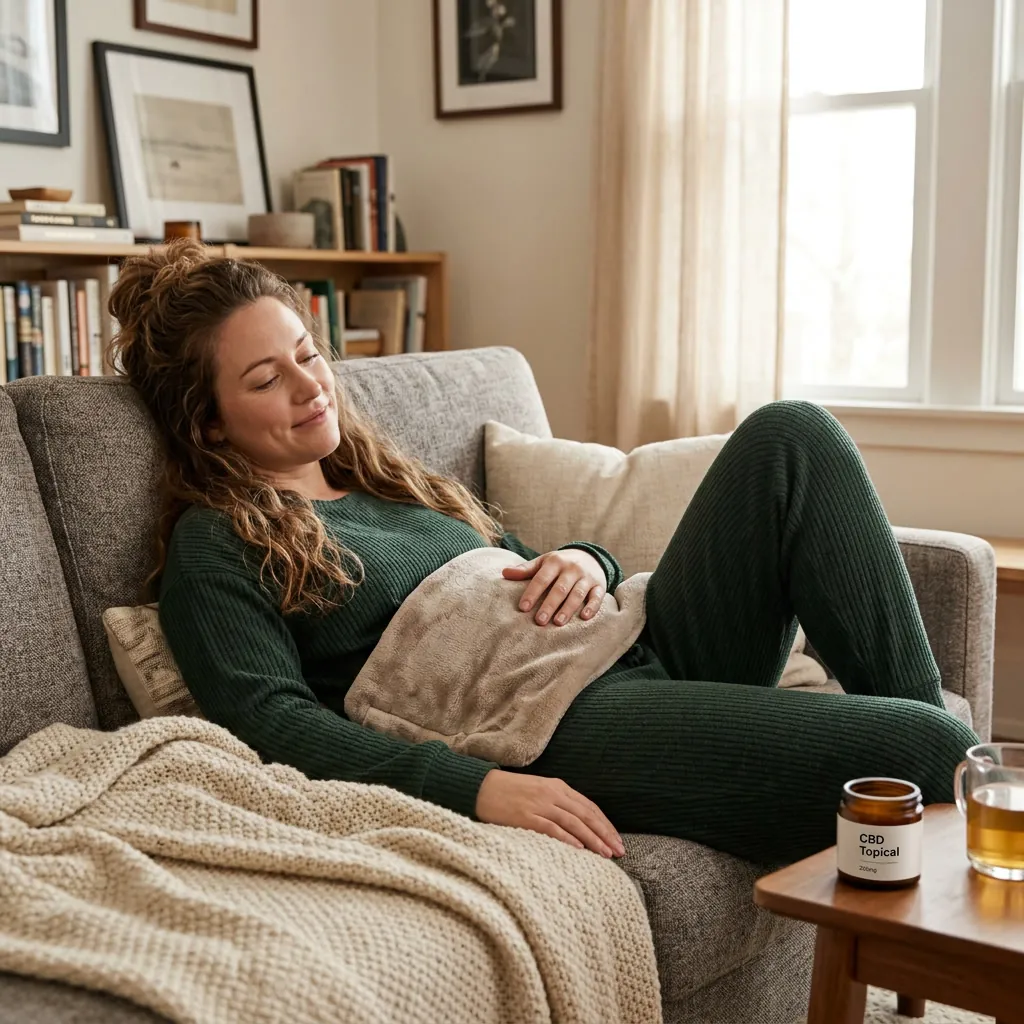
Imagine waking up to a familiar ache low in your pelvis, the kind that tells you the next few days will be spent managing pain instead of living. For many women with endometriosis, this is not a rare bad day. It is a recurring rhythm tied to periods, ovulation, intimacy, and sometimes nothing predictable at all. Over the years you may have tried heating pads, ibuprofen, hormonal birth control, and surgery, and still found yourself searching at midnight for something that helps. In that search, CBD often appears, usually wrapped in bold promises. So it is fair to ask a calm question. Does the science behind CBD for endometriosis pain actually hold up, or is most of what you read simply marketing? This article walks through the real human studies and reviews that exist, names where the evidence is genuinely interesting, and stays honest about how early and uncertain much of it still is. Nothing here is a reason to step away from the care your gynaecologist has arranged.
Why endometriosis pain is so hard to treat
Endometriosis happens when tissue similar to the lining of the uterus grows outside it, often on the ovaries, bowel, bladder, or the lining of the pelvis. That tissue responds to hormones, bleeds, and drives inflammation, which can create scar tissue and adhesions. The pain is not one single thing. It can be cramping before and during periods, deep pain during sex, pain with bowel movements, and a constant background ache that wears you down.
Because the causes are layered, treatment is layered too. Common options include anti-inflammatory painkillers, hormonal therapies that quiet the cycle, and surgery to remove lesions. These help many people, but they do not work for everyone, and some carry side effects that are hard to live with. That gap is exactly where people start asking about cannabis and CBD.
It is also worth naming how exhausting the search can be. Endometriosis is often diagnosed late, after years of being told the pain is normal period pain, and many people arrive at CBD having already tried a long list of options. That history shapes why this topic matters so much to so many, and why it deserves a careful answer rather than a slogan.
What the research on cannabis and endometriosis actually looks like
The most useful place to start is a 2026 scoping systematic review published in the Australian and New Zealand Journal of Obstetrics and Gynaecology. That review gathered the existing literature on cannabis use in endometriosis and found a field that is still young. The studies that exist point toward possible benefit for pain and related symptoms, but they are largely small, varied in design, and not the kind of large controlled trials that would let anyone make a firm claim.
This matters for how you read everything that follows. A scoping review does not prove that cannabis works. It maps what has been studied and where the gaps are. The honest takeaway is that the signal is worth watching, and the certainty is low. If a product page tells you the science is settled, that review says otherwise.
How CBD and THC might work in endometriosis
A 2026 literature review in JBRA Assisted Reproduction looked specifically at cannabidiol and delta-9-THC in endometriosis, covering both therapeutic applications and possible mechanisms. The review discusses how cannabinoids interact with the body's endocannabinoid system, a network of receptors and signalling molecules involved in pain perception, inflammation, and even cell growth.
In plain terms, there are plausible biological reasons to think cannabinoids could influence endometriosis pain. They may dampen inflammatory signalling, and they may change how pain is processed in the nervous system. THC, the compound behind the cannabis high, is the one most tied to pain relief in general cannabis research, while CBD is often used for its calmer, non-intoxicating profile. The review frames these as mechanisms under study, not as settled facts. That distinction is important. A plausible mechanism is a reason to keep researching, not a promise about your body.
What women with chronic pelvic pain report
Human experience matters, and one of the more direct studies is a 2025 paper in the Journal of Obstetrics and Gynaecology Canada. It examined CBD use and perceptions of effectiveness among women living with chronic pelvic pain. The women who used CBD often described it as helpful for some aspects of their pain, and many felt it improved day to day comfort.
Notice the word perceptions. This study captures how people feel about CBD rather than proving what it does under controlled conditions. Self-reported benefit is real and worth respecting, because pain is lived, not just measured. At the same time, people who invest effort and money in a treatment often hope it works, and hope can colour how relief is reported. The fair conclusion is that many women find CBD subjectively helpful, while the objective proof remains thin.
Real-world reports on medicinal cannabis
A 2026 observational study in BMC Complementary Medicine and Therapies asked about the perceived impact of medicinal cannabis on pelvic pain and endometriosis related symptoms. Again the design is observational, meaning people reported their own experiences rather than being randomly assigned to a treatment. Participants described improvements in several symptoms, which adds to the picture that some people with endometriosis do feel better when using cannabis based products.
Observational studies are valuable because they reflect real life, where doses vary, products vary, and people use these options alongside other care. Their weakness is that they cannot separate the product from expectation, lifestyle, or the natural ups and downs of a chronic condition. Taken together with the Canadian study, the message is consistent. There is a believable pattern of reported relief. There is not yet proof that would let a doctor prescribe CBD as a first line treatment.
The laboratory and animal evidence
Basic science gives another angle. A 2025 study in Frontiers in Pharmacology examined the antinociceptive, anti-inflammatory, and anti-dysmenorrheal activities of Cannabis sativa, meaning its pain relieving, inflammation calming, and period cramp easing effects. This kind of research often uses laboratory models and animal models to see whether extracts or compounds reduce pain behaviour and inflammatory markers.
The results support the idea that Cannabis sativa has genuine biological activity in these areas, which is a meaningful finding. It also keeps the conversation grounded. Activity in a lab or an animal is a starting point, not a finish line. Bodies are complicated, endometriosis is complicated, and effects that appear in controlled models do not always carry over cleanly to people living with the condition.
Where the evidence is weak
It is worth being blunt so you can judge claims with clear eyes. Across all five of these sources, the consistent theme is early and limited evidence. The reviews map a small and uneven body of work. The human studies rely on what people report. None of this is the large, randomised, placebo controlled research that would settle the question.
That does not mean CBD is useless. It means the honest position is cautious hope rather than certainty. Weak evidence is different from no evidence, and it is also different from strong evidence. A trustworthy source will tell you which one it is dealing with. When you read about CBD and endometriosis, ask whether the writer names the study type. If everything is presented as proven, be sceptical.
It also helps to notice what the reviews keep pointing out. The studies differ in how much cannabis people used, what form they used, and what symptoms they measured, so it is hard to combine them into one clean answer. That inconsistency is a normal stage for a young research area, and it is the main reason the conclusions stay tentative.
What CBD can and cannot do
Given the evidence, CBD sits in a specific place. It may help some people manage certain pain and symptom experiences, and many users report it is part of a routine that makes hard days more bearable. For general guidance on how people use it for ongoing discomfort, our overview of CBD for chronic pain is a reasonable starting point.
What CBD should not be is a replacement for medical care. Endometriosis can affect fertility, organs, and long term health, and it deserves proper diagnosis and a plan from a gynaecologist. If you are considering CBD, treat it as a possible companion to your existing treatment, never as a substitute. It is also worth understanding what you are actually taking, which our explainer on what CBD is covers in plain language.
CBD safety and interactions
CBD is generally well tolerated by many people, but well tolerated does not mean risk free. It can interact with certain medications, including some blood thinners and epilepsy drugs, because it affects the same liver enzymes that process many medicines. If you take prescription medication, this is a conversation to have with your doctor or pharmacist before you start.
Dosing is another area where guesswork is common. There is no single correct amount, and more is not automatically better. A cautious approach is to start low, change slowly, and keep notes on what you notice. Our CBD dosage guide and CBD safety guide explain the reasoning behind that approach, and both are written to be read before you buy, not after.
Choosing a product without getting fooled
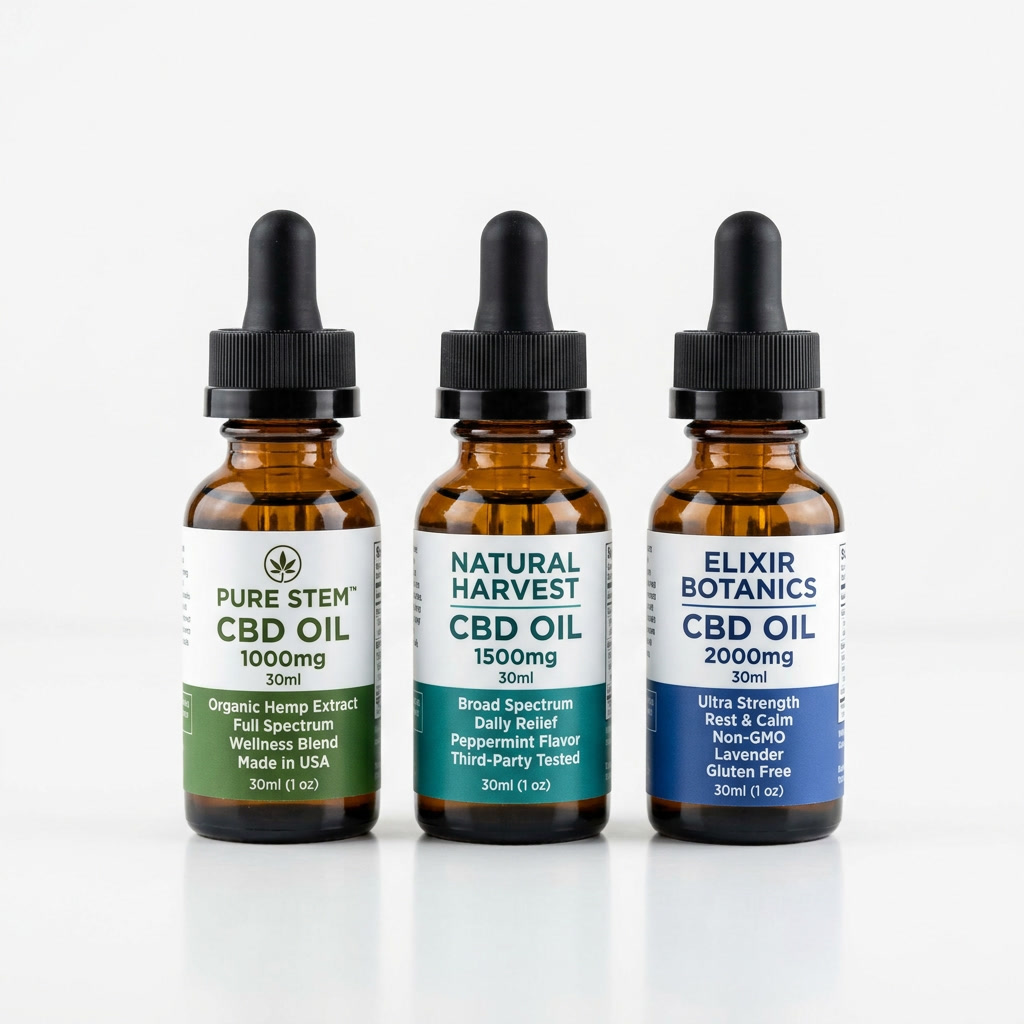
If you decide to try CBD, the product itself matters. Oils and tinctures let you adjust your amount drop by drop, which suits people who want to start slowly. Browsing a few of these products can help you see how labels are typically presented. Look for third party testing, a clear statement of how much CBD is in each serving, and a short ingredient list.
Watch out for two extremes. One is a product that promises to cure endometriosis, which no honest seller can claim. The other is a bottle with almost no information about its contents. Good products tell you what is inside and how much. If a label is vague about potency or testing, that vagueness is itself information.
Talking with your gynaecologist
Bringing CBD up with your doctor is not an admission that you are out of options. It is you being informed and careful. You might say that you have read the research and that it looks early but interesting, and you want to know whether it is safe alongside your current treatment. A good clinician will not dismiss the question, and a good clinician will also want to know exactly what you are taking.
Come prepared with specifics. Note the product, the amount of CBD per serving, how often you use it, and what you have noticed. This turns a vague conversation into a useful one. Your gynaecologist can weigh it against your medications, your symptoms, and your goals, which no article can do from a distance. If you feel shut down, it is reasonable to seek a clinician who takes chronic pelvic pain seriously.
Action Steps
- Keep your endometriosis care with a gynaecologist, and treat CBD as something to discuss with them, not something to replace their plan.
- Before starting CBD, check for interactions with your current medications by asking your doctor or pharmacist.
- If you try CBD, start with a low amount, increase slowly, and keep simple notes on pain, sleep, and side effects so you have real data to share.
- Choose products from sellers who publish third party testing and state clearly how much CBD is in each serving.
- Read up before you buy, using trustworthy basics and the CBD products for pain category.
- Set a realistic review point, such as four to six weeks, and decide in advance what would make you stop or continue.
- Be sceptical of any claim that CBD cures endometriosis, because the current evidence does not support that.
Bottom Line
CBD is not a cure for endometriosis, and no honest source will tell you it is. What the research shows is early but real interest. A 2026 scoping systematic review in the Australian and New Zealand Journal of Obstetrics and Gynaecology found a young field with suggestive but limited findings. A 2026 review in JBRA Assisted Reproduction described plausible mechanisms for CBD and THC in endometriosis. A 2025 study in the Journal of Obstetrics and Gynaecology Canada and a 2026 observational study in BMC Complementary Medicine and Therapies both found that many women report feeling better with CBD or medicinal cannabis, while a 2025 Frontiers in Pharmacology study showed genuine pain relieving and anti-inflammatory activity for Cannabis sativa in the lab.
Read together, these point to cautious hope. Some people may find CBD helpful for comfort and hard days, and it is reasonable to explore that with your gynaecologist, especially alongside your existing treatment. It is not a replacement for diagnosis, hormonal therapy, surgery, or any other care your doctor recommends. If you go ahead, start low, watch for interactions, choose tested products, and keep your medical team in the loop.
Find Your Perfect CBD Product
Take our 2-minute quiz to get personalized recommendations based on your needs.
Take the Quiz →Disclaimer: This article is for informational purposes only and does not constitute medical advice. CBD products are not FDA-approved to treat, cure, or prevent any disease. Always consult with a qualified healthcare professional before starting any new supplement, especially if you have a medical condition or take medications.