CBD and Chemo Brain: What 2023-2026 Research Says About Chemotherapy-Induced Cognitive Decline
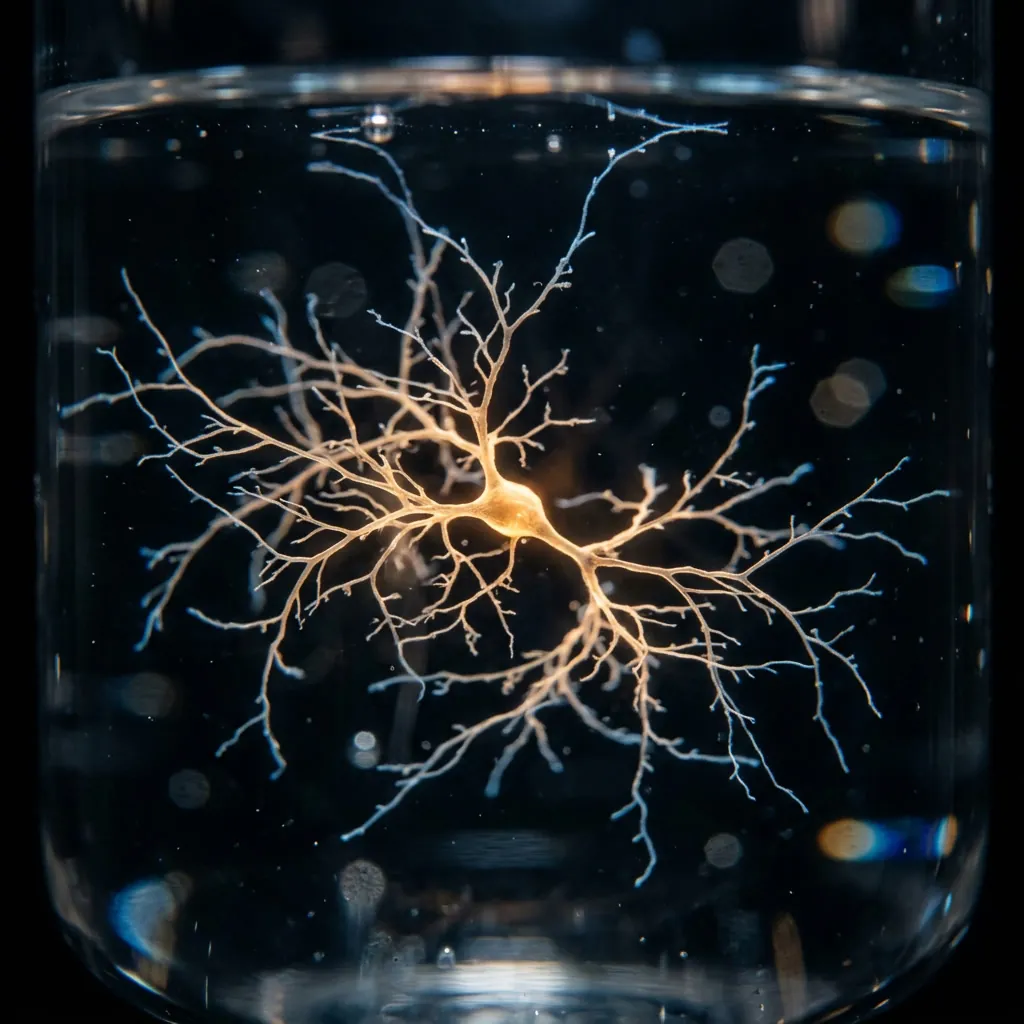
You finished treatment. The scans were clean, the hair is growing back, and everyone keeps telling you the hard part is over. Except you can't remember where you put the car keys. You walk into the kitchen and forget why. Mid-sentence, the word you need simply vanishes, and you stand there smiling while your brain scrambles in silence. Then comes the fear no one warned you about: is this permanent?
It has a name — chemotherapy-induced cognitive impairment, or "chemo brain." Clinicians call it CRCI, for cancer-related cognitive impairment. It is one of the most common and most under-discussed long-term effects of cancer treatment, and it can damage quality of life, work capacity and relationships long after the infusion chair is empty. Because standard medicine offers so few targeted options, many survivors look for alternatives — and cannabidiol (CBD) keeps coming up. This article covers what the research on CBD and chemotherapy-induced cognitive decline actually shows, where the evidence stops, and how to think about it honestly.
What Chemo Brain Actually Is
More Than "Forgetfulness"
Chemo brain is not a vague complaint or a side effect of stress alone. It is a measurable pattern of cognitive change. The most commonly affected domains are memory and learning, processing speed, executive function (planning, organizing, task-switching), attention and concentration. A 2025 systematic review in Neurology pooled 63 studies covering 3,642 patients and found consistent associations between chemotherapy and both functional and structural changes in brain networks — not just subjective reports, but imaging-level differences.
How Common Is It?
The numbers are larger than most people expect:
Up to 75% → patients report cognitive impairment during treatment
About 35% → report symptoms persisting months or years afterward
78% → of breast cancer survivors in one 2026 study reported chemo brain
Those figures come from a 2026 review in Neuro-Oncology Advances and a 2026 study in Scientific Reports. The last two are the ones that matter most, because they describe people who are supposed to be "done." This is a distinct problem from the general symptom load of cancer treatment — the pain, nausea and sleep disruption covered in our guide to CBD for cancer symptom management. Chemo brain is its own neurological story.
Why Doctors Under-Diagnose It
Standard cognitive screening tools often miss chemo brain. A 2025 scoping review in Cancer Medicine, analyzing 29 studies across colorectal, testicular, lung, prostate and blood cancers, found that tools like the Mini-Mental State Examination frequently lack the sensitivity to detect subtle neurocognitive changes.
The same review flagged a second problem: most chemo brain research has focused on breast cancer, leaving gaps for other cancer populations. If your cancer isn't breast cancer and your doctor says chemo brain isn't a thing, this is part of why.
The Biology: Why Chemotherapy Harms the Brain
Chemo Drugs Cross the Blood-Brain Barrier
The first misconception to clear up is that chemotherapy stays in the body. It doesn't. A 2025 review in Biomedicine & Pharmacotherapy explains that agents including cisplatin, doxorubicin and paclitaxel cross the blood-brain barrier and induce direct neurotoxicity in the central nervous system. Once inside, these drugs set off a cascade:
- Reactive oxygen species (ROS) generation
- Mitochondrial dysfunction and reduced ATP production
- DNA damage, including mitochondrial DNA damage
- Impaired synaptic plasticity and reduced neurogenesis
Mitochondrial dysfunction sits at the center of this model. When brain cells can't produce energy efficiently while flooded with oxidative stress, neurons become vulnerable to degeneration and programmed cell death.
Neuroinflammation and Microglia
The second mechanism is inflammation — where the research has converged fastest. A 2026 bibliometric analysis in Clinics (Sao Paulo), mapping 923 publications from 1994 to 2023, found the field shifted decisively from describing chemo brain to interrogating its mechanisms, with cytokines, microglia and oxidative stress emerging as dominant themes.
Microglia are the brain's resident immune cells. Normally they prune connections and clear debris. After chemotherapy, they can become chronically activated, releasing inflammatory signals that damage the very circuits they are meant to protect. A 2025 study in Open Medicine found that in paclitaxel-induced cognitive impairment, necroptosis of hippocampal neurons drives microglial activation through the TLR4/MyD88 signaling pathway.
The Hippocampus Is a Prime Target
The hippocampus — the region responsible for forming new memories — depends on adult neurogenesis, the birth of new neurons, for some of its function. Chemotherapy suppresses this process. This is a narrower, treatment-specific injury than the age-related cognitive changes discussed in our broader piece on CBD, memory and cognition.
A 2026 study in Scientific Reports used a mouse model of the common breast cancer regimen AC-T (doxorubicin, cyclophosphamide and paclitaxel) and found deficits in social memory plus increased anxiety-like behavior. RNA sequencing revealed downregulation of transcripts tied to neurogenesis, axonal guidance and neurotransmission, along with reduced immediate early genes including Arc, c-Fos and Egr-1 — molecular markers of active learning. A separate 2025 study in Scientific Reports found that doxorubicin induces CNS expression of Ascl1, a regulator of adult neurogenesis and differentiation, suggesting the brain attempts to repair itself and that this machinery is directly affected by treatment.
Cellular Aging and the Blood-Brain Barrier
A 2025 study in Geroscience added another layer: cisplatin and methotrexate induced senescence — a form of cellular aging — in brain microvascular endothelial cells and microglia in mouse models of chemotherapy-associated cognitive impairment. Senescent cells don't just stop working; they leak inflammatory signals that harm neighboring tissue. The gut may be involved too: the 2026 Scientific Reports AC-T study found inflammatory markers in intestinal tissue and a dysbiotic gut microbiome alongside the cognitive deficits — early, but consistent with broader gut-brain research.
> "Neuroinflammation remains a highly active, yet not fully elucidated, mechanistic hypothesis driving the field."
The 2026 Study Everyone Should Read
The Strongest Direct Evidence
This is the study to build the conversation around. Published in Cancer Letters in 2026, it is titled "Cannabidiol alleviates chemotherapy-induced cognitive decline and neuropathology." The University of California, Irvine authors came to the question with clinical data in hand: their prior studies on breast cancer patients treated with doxorubicin and cyclophosphamide had found significant cognitive impairment associated with neurodegenerative and neuroinflammatory signatures.
To test whether CBD could help, they used a mouse model of adjuvant chemotherapy-induced cognitive decline and gave oral CBD — 99% pure, 20 mg/kg in sesame oil — for one month. The results were striking:
- Significant improvement in learning and memory
- Better executive function and memory consolidation
- Restoration of brain endocannabinoid levels
- Reduced activity of endocannabinoid-metabolizing enzymes
- Less chemotherapy-induced loss of neurogenesis
- Preserved neuronal plasticity and synaptic density
- Reduced gliosis (inflammatory activation of glial cells)
Read the study's own framing carefully, because the honesty matters:
> "In summary, this data provides preclinical evidence for a translationally feasible approach to alleviate CRCI, an unmet medical need."
Preclinical evidence. From mice. That phrase is not a formality — it is the entire caveat.
Why the Endocannabinoid Finding Matters
One result deserves special attention. CBD treatment restored brain endocannabinoid levels and reduced the enzymes that break endocannabinoids down. This matters because the endocannabinoid system helps regulate synaptic plasticity, mood and inflammation. Chemotherapy appears to disrupt this system, and CBD appears to help normalize it — giving researchers a plausible mechanism rather than just an observed effect, a bridge between CBD's known biology and the specific damage chemo causes. The same anti-inflammatory profile is studied across many brain conditions; our overview of CBD and neuroinflammation covers that broader body of work.
Supporting Preclinical Evidence
The Cancer Letters result does not stand alone. Other studies support the same mechanisms in different models.
A 2024 study in Military Medical Research tested FDA-approved CBD (Epidiolex) in a rat model of chronic Gulf War Illness — a condition defined by cognitive impairment, persistent neuroinflammation and oxidative stress. After 16 weeks of oral CBD at 20 mg/kg, treated rats improved on every cognitive task tested: associative recognition memory, object location memory, pattern separation and sucrose preference. Hippocampal tissue showed reduced NLRP3 inflammasome activation, normalized inflammatory cytokines and oxidative stress markers, and improved neurogenesis. A 2024 study in Acta Neuropsychiatrica found that CBD prevented memory impairment, reduced neuroinflammation and supported hippocampal newborn neuronal maturation in a rat model of Parkinsonism. And a 2026 study in Phytomedicine showed that a CB2-receptor-mediated cannabis extract attenuated symptoms and neuroinflammation in an autoimmune encephalomyelitis model — different disease, same receptor system and anti-inflammatory thread.
The dose in the Cancer Letters study matters: 20 mg/kg delivered in sesame oil, an oil-based formulation. That is not a coincidence. A 2025 review in the Journal of Cannabis Research found that oil-based delivery improves CBD bioavailability, because CBD is highly lipophilic and poorly water-soluble. Much of the recent drug-delivery research exists because giving CBD effectively is itself unsolved. For context on the mechanics, see our CBD dosage guide.
The Honest State of the Evidence
Here is the central fact that separates honest reporting from marketing: every direct CBD-and-chemo-brain study cited above is preclinical. Mice and rats. Not people.
There is no completed randomized controlled trial showing that CBD improves cognitive function in cancer survivors. That is not a gap the research has quietly closed — it is one the researchers themselves name repeatedly. The Cancer Letters authors call CRCI "an unmet medical need" and describe their work as preclinical evidence for a "translationally feasible" approach. Translationally feasible means it might work in humans. It does not mean it has been shown to.
What Human Evidence Does Exist
Human CBD research in cancer populations exists, but it has studied different outcomes.
A 2024 randomized clinical trial in JAMA Network Open gave a single 400 mg oral dose of FDA-approved CBD to 50 women with advanced breast cancer and scan-related anxiety. The study did not meet its primary endpoint comparing pre- and post-ingestion anxiety change scores, but did find significantly lower anxiety levels in the CBD arm two to four hours after ingestion, and no grade 3 or 4 toxic effects.
A 2025 open-label study in Supportive Care in Cancer tested CBD alone and combined with multi-modal exercise in 27 cancer survivors with chemotherapy-induced peripheral neuropathy — nerve damage, not cognition. It is relevant as a safety and feasibility signal in cancer survivors, not as cognitive evidence.
Neither study measured memory, processing speed or executive function. That is the honest summary: human CBD studies in oncology exist, they are small, and they have not tested chemo brain.
What Actually Helps Right Now
For prevention, a 2025 systematic review in Applied Neuropsychology: Adult examined neuroprotective interventions delivered during chemotherapy in breast cancer patients. It identified five qualifying studies and found that physical exercise, compensatory cognitive training, memantine and probiotic supplements were linked to positive cognitive outcomes.
Then it stated the same limitation the CBD field faces: small sample sizes, lack of randomization and absence of blinding limit generalizability. The lesson cuts both ways. The interventions with the most human support for chemo brain right now are structured, unglamorous ones — exercise and cognitive training — not supplements.
Safety Is Not a Non-Issue
A 2025 randomized clinical trial in JAMA Internal Medicine gave healthy adults CBD at 5 mg/kg/day — a dose within the range consumers actually take with unregulated products — for 28 days. Eight participants (5.6%) in the CBD group developed liver enzyme elevations greater than three times the upper limit of normal, versus zero on placebo. Seven met withdrawal criteria for potential drug-induced liver injury.
For cancer patients, the interaction question is more serious still. A 2024 systematic review in Frontiers in Pharmacology screened 4,600 reports and identified 31 documented cases where cannabinoids altered prescription drug pharmacokinetics or caused adverse events, involving 16 narrow-therapeutic-index medications. Interactions with warfarin, valproate, tacrolimus and sirolimus were the most widely reported and potentially the highest risk. Cancer patients frequently take medications in overlapping metabolic pathways; our breakdown of CBD and drug interactions covers the mechanisms. A 2026 study in Cell & Bioscience found that CBD enhanced tamoxifen efficacy in ER-positive breast cancer cells — a laboratory finding about cancer cells, not cognition, and not a reason to self-medicate alongside endocrine therapy. It simply shows why this picture needs a clinician's eyes.
> Important: CBD is not an approved treatment for chemo brain or any cognitive condition. It has not been shown to improve cognition in cancer survivors, and it must never replace cancer treatment, rehabilitation or prescribed supportive care.
Practical Action Steps
If you are a survivor dealing with chemo brain, or caring for someone who is, here is a responsible sequence.
1. Treat the symptoms as legitimate and document them. Write down specific incidents — the missed appointment, the lost word, the double-booked task — because patterns are what clinicians act on.
2. Ask for a proper neuropsychological assessment rather than relying on a general screening tool. As the 2025 Cancer Medicine review showed, brief cognitive screens often miss subtle changes.
3. Rule out the reversible contributors. Poor sleep, anemia, thyroid changes, depression, medication side effects and fatigue can all worsen cognition and are treatable.
4. Prioritize the interventions with the best human evidence first: structured aerobic exercise, cognitive training, sleep repair and support for anxiety or depression.
5. Talk to your oncologist or pharmacist before using any CBD product, and bring your complete medication list — especially anticoagulants, anticonvulsants, immunosuppressants and hormone therapies.
6. Be precise about what CBD is and isn't. It has a plausible preclinical mechanism for chemo brain and no human cognitive-outcome data. Anyone selling it as a proven fix is ahead of the evidence.
7. If you trial a product on a clinician's blessing, treat it as an experiment: track dose, timing, effects and side effects, and watch for liver-related symptoms like fatigue, nausea or jaundice.
8. Understand that over-the-counter doses often fall far below those studied in trials, and label accuracy varies widely.
Bottom Line
The 2023-2026 research on CBD and chemotherapy-induced cognitive decline is genuine, mechanistically specific and consistent in animal models. The 2026 Cancer Letters study showed that oral CBD restored endocannabinoid balance, reduced neuroinflammation, mitigated the loss of neurogenesis and synaptic density, and improved memory and executive function in chemotherapy-treated mice. Supporting studies across different models point to the same anti-inflammatory and neuroprotective pathways.
What is missing is exactly what patients need most: human data on cognition. No trial has shown that CBD improves chemo brain in cancer survivors, and the leading research says so openly. Meanwhile, CBD carries real liver-signal risk at consumer doses and documented interactions with narrow-therapeutic-index medications many cancer patients take.
That combination — promising mechanism, absent human evidence, non-trivial safety considerations — describes a compound worth watching and not worth building your recovery around. The research is a reason for careful scientific optimism. It is not a reason to change anything about your medical care without your clinician. Until the clinical trials this field keeps calling for exist, the honest answer to "does CBD help chemo brain?" is: we do not know, and anyone telling you otherwise is ahead of the evidence.
Frequently Asked Questions About CBD and Chemo Brain
Does CBD help with chemo brain?
There is no human evidence that CBD improves cognitive function in cancer survivors. The most direct evidence — a 2026 study in Cancer Letters — found that oral CBD improved learning, memory and executive function in chemotherapy-treated mice, and reduced neuroinflammation, gliosis and loss of neurogenesis. The authors describe it as preclinical evidence for a "translationally feasible" approach. Feasible is not proven.
How common is chemo brain?
More common than many patients are told. A 2026 review in Neuro-Oncology Advances reported cognitive impairment in up to 75% of patients with systemic cancers during treatment, persisting in up to 35% in the years after. A 2026 Scientific Reports study cited 78% of breast cancer survivors reporting chemo brain. Prevalence varies by cancer type, regimen and how cognition is measured.
What causes chemo brain biologically?
The leading model has three interacting parts. Chemotherapy drugs cross the blood-brain barrier and cause oxidative stress, mitochondrial dysfunction and DNA damage. That triggers chronic microglial activation and neuroinflammation. And it suppresses hippocampal neurogenesis and synaptic plasticity — the processes the brain uses to form and maintain memories. A 2026 bibliometric analysis in Clinics (Sao Paulo) found the field has shifted decisively toward exactly these mechanistic explanations.
Is CBD a treatment for chemo brain?
No. CBD is not approved for chemo brain or any cognitive condition, and no human trial supports that use. The FDA has approved a purified CBD product (Epidiolex) for specific severe pediatric seizure disorders — not for cognitive impairment.
Can I take CBD during or after chemotherapy?
That is a question for your oncologist and pharmacist, not a general article. CBD is metabolized through CYP enzymes that overlap with those handling many prescription drugs, and a 2024 systematic review in Frontiers in Pharmacology documented interactions with 16 narrow-therapeutic-index medications including warfarin, valproate, tacrolimus and sirolimus. Never start or change a cannabinoid without telling your care team.
Is CBD safe?
Generally well tolerated at studied doses, but "well tolerated" is not "risk-free." A 2025 randomized trial in JAMA Internal Medicine found that 5.6% of healthy adults taking CBD at 5 mg/kg/day for 28 days developed liver enzyme elevations above three times the normal limit, versus none on placebo. Reported side effects also include drowsiness, gastrointestinal upset and appetite changes.
What actually helps chemo brain right now?
Structured exercise, cognitive training, sleep repair, and treatment of depression, anxiety and fatigue have the strongest human evidence base. A 2025 systematic review in Applied Neuropsychology: Adult found physical exercise, compensatory cognitive training, memantine and probiotic supplements were linked to positive cognitive outcomes in breast cancer patients — though the studies were small and often unblinded.
Why is there so little human research on CBD and chemo brain?
Chemo brain itself has historically been under-recognized, and most research has focused on breast cancer. CBD research in oncology has prioritized symptoms like anxiety, neuropathy and nausea, not cognition. And designing a clean cognitive trial requires standardized formulations, defined dosing and sensitive outcome measures — all things the leading reviews in this field explicitly call for. Until those trials exist, the mechanism is promising and the human answer is unknown.
Find Your Perfect CBD Product
Take our 2-minute quiz to get personalized recommendations based on your needs.
Take the Quiz →Disclaimer: This article is for informational purposes only and does not constitute medical advice. CBD products are not FDA-approved to treat, cure, or prevent any disease. Always consult with a qualified healthcare professional before starting any new supplement, especially if you have a medical condition or take medications.