CBD and Stimulant Addiction: A New Avenue Researchers Are Watching

Imagine a substance that rewires the brain's reward system so completely that ordinary life stops feeling rewarding at all. That is the reality for many people caught in stimulant addiction, particularly with methamphetamine. Recovery is possible, yet relapse rates remain stubbornly high, and the treatments available today do not work for everyone.
In laboratories around the world, a quieter line of research has been unfolding. Scientists are studying cannabidiol, better known as CBD, to understand whether it might one day support recovery from stimulant use disorder. This work is early. It is almost entirely preclinical, which means it happens in cells and animals rather than in people. Nothing here is a green light to self-treat.
Still, the findings are worth watching. They point to specific biological mechanisms, from the sigma-1 receptor to mitochondrial function, that researchers are only beginning to map. This article walks through what stimulant use disorder is, why CBD has drawn scientific interest, what the animal models actually show, and why human trials have not yet caught up. It also covers the most important part, when and how to seek real help.
What Stimulant Use Disorder Actually Is
Stimulant use disorder is a clinical diagnosis, not a moral judgment. It describes a pattern of using stimulants such as methamphetamine, cocaine, or prescription stimulants that causes significant impairment or distress. The diagnosis rests on a cluster of behaviors and symptoms:
- Using more than intended, or for longer than intended
- Unsuccessful efforts to cut down or control use
- Strong cravings that intrude on daily life
- Spending a great deal of time obtaining, using, or recovering from the substance
- Giving up important activities, work, or relationships
- Continued use despite clear physical or psychological harm
Methamphetamine sits at the severe end of this spectrum for many people. It floods the brain with dopamine, and repeated use can blunt the brain's natural reward pathways. Over time this can lead to reduced ability to feel pleasure from ordinary things, changes in attention and memory, problems with impulse control, and in some users, psychosis.
The scale of the problem is real. Methamphetamine use has spread across many regions, and treatment options remain limited. There is no approved medication that directly treats methamphetamine addiction. That gap is exactly why researchers keep searching for new leads, and why a molecule like CBD has entered the conversation at all.
Why CBD Entered the Addiction Conversation
CBD is one of many compounds found in the cannabis plant, and it behaves quite differently from THC. CBD does not produce a traditional "high" in the way THC does, and it is not a classic CB1 receptor agonist. That distinction matters, because much of what makes cannabis controversial in the addiction space is tied to THC and its effects on reward circuitry.
What drew researchers to CBD is a different set of properties. Across studies, CBD has shown anti-inflammatory, antioxidant, and neuroprotective effects in a range of laboratory models. It also interacts with several receptor systems that are relevant to addiction, though usually in an indirect way. CBD does not simply switch a reward pathway off. Instead, it appears to influence how cells handle stress, how they manage energy, and how they respond to repeated drug exposure.
That last point is the one scientists care about most. Addiction is not a single event. It is a slow reshaping of the brain that happens through repeated cycles of exposure, withdrawal, and craving. A compound that acts on cellular resilience, rather than on the reward signal itself, could theoretically interrupt that cycle in ways current treatments cannot.
> This is a hypothesis under active investigation, not a proven treatment pathway.
The Sigma-1 Receptor: A Target That Keeps Appearing
If you read the recent preclinical literature on CBD and methamphetamine, one name shows up again and again, the sigma-1 receptor. The sigma-1 receptor is a protein found in the membranes of cells, and it acts as a kind of molecular chaperone. It helps regulate signaling between the endoplasmic reticulum and the mitochondria, the structures that manage energy and stress inside a cell.
Why does this matter for addiction? Because sigma-1 receptors are involved in dopamine signaling, in the brain's response to stress, and in the cellular damage that follows repeated stimulant exposure. When methamphetamine disrupts normal signaling, sigma-1 activity can shift in ways that worsen both the psychological and the physical consequences.
A 2026 study in Phytomedicine examined whether CBD could attenuate methamphetamine-induced psychosis through an antioxidant mechanism tied to sigma-1 receptor-mediated mitochondrial dysfunction. The authors reported that CBD's effects were linked to how it influenced this pathway, suggesting that the sigma-1 receptor sits close to the center of the puzzle.
A second 2026 study, published in Cellular Signalling, reached a related conclusion from a different angle. That work found that CBD alleviated methamphetamine-induced autophagy and oxidative stress, and it did so by suppressing sigma-1 receptor expression. Autophagy is the cell's internal recycling process, and when it goes wrong after drug exposure, it can contribute to further damage.
Two independent research groups, two journals, one recurring mechanism. In early science, that kind of convergence is a signal worth paying attention to.
Why a Chaperone Protein Matters
The sigma-1 receptor is not a simple on and off switch. It modulates many downstream processes at once, including calcium signaling, oxidative stress responses, and mitochondrial function. That makes it an attractive target, but also a complicated one. A compound that nudges sigma-1 activity could produce broad effects, and broad effects are difficult to predict in advance. This is a large part of why the research stays in the laboratory for now.
What Animal Models Show About Methamphetamine and the Brain
Before anything becomes a human treatment, it usually has to show something in animals. The methamphetamine literature uses several standard models, including rodents given repeated doses and then observed for behavioral and biochemical changes.
What the models consistently show is that repeated methamphetamine exposure damages the brain in more than one way:
- It increases oxidative stress, a state where harmful molecules called free radicals build up faster than the body can clear them
- It disturbs energy production in neurons by affecting mitochondria
- It alters reward and motivation circuits, which contributes to craving
- It changes gene expression, the way cells read and act on their genetic instructions
CBD, in these models, has repeatedly been associated with reductions in several of these markers. A 2025 study in Phytomedicine found that CBD attenuated methamphetamine-induced oxidative neurotoxicity by regulating transient receptor potential vanilloid channels, a family of receptors involved in pain, inflammation, and stress signaling.
The pattern is consistent, yet consistency in animals is not the same as effectiveness in humans. Many compounds that look protective in a rodent brain fail to translate. Animal models are a starting point, not a finish line.
Relapse and Behavioral Sensitization: The Hardest Part to Treat
For anyone who has watched addiction up close, the cruelest feature is not the initial use. It is the return. Relapse can happen months or years later, sometimes triggered by a place, a person, or a feeling that the brain has linked to the drug.
Scientists study this using a concept called behavioral sensitization. When an animal receives repeated stimulant doses, its response to the drug can grow stronger over time rather than leveling off. This mirrors the escalating sensitivity that can drive compulsive use in people. Relapse models then test whether an intervention can reduce the likelihood that a drug-seeking behavior returns after a period without the substance.
A 2024 study in CNS Neuroscience and Therapeutics looked at the molecular machinery behind methamphetamine-induced relapse and behavioral sensitization. The researchers identified a network of interacting RNA molecules, a circRNA-miRNA-mRNA network, that appeared to be involved in the process. This matters because it points to potential intervention points beyond the classic receptor targets.
CBD does not appear as a magic solution in this literature. Instead, it shows up as one candidate among several, with effects that seem to involve stress responses, inflammation, and cellular resilience. That is a much more modest claim than headlines often suggest, and it is the honest way to read the science.
Oxidative Stress and Neurotoxicity: The Damage Behind the High
The pleasurable effects of methamphetamine come with a hidden cost. As the drug increases dopamine release, it also increases the breakdown of dopamine, and that breakdown process produces reactive molecules that can damage cells. Over time, this oxidative stress can harm neurons, particularly in regions involved in movement, memory, and reward.
This is where CBD's antioxidant profile becomes relevant. CBD is not a vitamin or a simple antioxidant supplement. It appears to influence the body's own stress-response systems, including the enzymes and signaling pathways that manage oxidative damage.
The 2025 Phytomedicine work on vanilloid channels fits here, and so does the 2026 Cellular Signalling finding on autophagy and oxidative stress. Both studies suggest that CBD's protective effects in these models are mediated through specific cellular targets rather than through a vague, general mechanism.
> When a compound's effects can be traced to named receptors and pathways, it becomes testable. That is precisely what the field needs.
A Second Mechanism: Energy Metabolism and the ATP Pathway
The sigma-1 receptor is not the only door researchers have opened. A 2025 study in Acta Pharmaceutica Sinica B took a different route. That work found that CBD alleviated methamphetamine addiction-related effects by targeting a protein called ATP5A1 and modulating what the authors describe as the ATP-ADO-A1R signaling pathway.
Translating the jargon, ATP is the molecule cells use for energy. ATP5A1 is part of the machinery that produces it. Adenosine, or ADO, is a signaling molecule involved in sleep, calm, and the brain's response to stress, and A1R is one of its receptors. Put together, this pathway connects energy production to a calming, regulatory signal in the brain.
This is significant because it offers an explanation for how CBD might influence motivation and reward without directly blocking dopamine. If a compound helps restore energy balance in stressed neurons and simultaneously supports adenosine signaling, it could reduce the intensity of the dysregulated state that drives craving.
Again, this is a mechanistic finding from a preclinical study. It suggests a plausible route, not a proven therapy.
The Delivery Problem: Getting CBD to the Brain
There is a practical obstacle that sits underneath all this promising biology. CBD is difficult to deliver effectively to the brain. When taken orally, a large fraction of it is broken down in the gut and liver before it ever reaches the bloodstream at useful levels. What does arrive tends to distribute widely across the body rather than concentrating in the brain.
For a compound that needs to act on neurons to influence addiction, that is a real problem. You can give a large dose and still achieve a modest effect where it counts. Increasing the dose brings its own issues, including digestive discomfort and interactions with other medications.
This is why researchers have started asking a different question. Instead of only asking whether CBD works, they are asking how to get it where it needs to go.
What the Nanodelivery Research Suggests
One promising answer comes from nanomedicine. A 2024 study in Biochemical and Biophysical Research Communications described a nanodelivery system that paired CBD with exosomes engineered to carry a brain-targeting peptide known as RVG. The goal was to enhance both brain targeting and efficacy of CBD.
Exosomes are tiny vesicles that cells naturally use to carry cargo. By attaching a targeting signal, scientists can nudge these vesicles toward the brain. In the study, the RVG-Exo/CBD system improved delivery compared with plain CBD.
This line of work is early, and it is a long way from a clinical product. Yet it solves a problem that has quietly limited CBD research for years. If delivery can be made more efficient, the doses that reach the brain could be lower and more predictable, and future studies could test effects that were previously impossible to isolate.
It also reminds us to be cautious about claims made from oral CBD products. The biology in a petri dish or an animal study often depends on concentrations and delivery methods that a standard consumer product does not replicate.
Why Human Trials Are Still Missing
Here is the question that matters most. If the preclinical work is this interesting, why are there still no large human trials of CBD for stimulant addiction?
There are several honest answers.
- Translation is hard. The vast majority of promising preclinical findings never become effective human treatments.
- Addiction trials are complex. They require careful ethical design, long follow-up, and reliable measures of relapse, which is difficult to track.
- Delivery is unsolved. As the nanodelivery research shows, getting enough CBD to the right place is not trivial.
- Funding and incentives lag. Methamphetamine addiction carries stigma, and research funding does not always follow the size of the problem.
- Safety and interactions need study. CBD interacts with several medications, and these interactions must be mapped before broad human use.
It is also worth saying plainly that the absence of human trials is not evidence that CBD works, and it is not evidence that it does not. It simply means the question is open. Anyone who tells you otherwise, in either direction, is ahead of the data.
What CBD Can and Cannot Do for Addiction
It is easy for a topic like this to drift into hype. So let us be precise.
What CBD might plausibly contribute, based on preclinical research:
- Support for cellular resilience against oxidative and metabolic stress
- Modulation of receptor systems that are relevant to stress and reward
- A possible complementary role, if future human studies support it
What CBD cannot currently claim:
- It is not an approved treatment for stimulant use disorder
- It is not a substitute for evidence-based addiction care
- It is not a proven way to prevent relapse
- It is not something to self-prescribe for a serious medical condition
If you are dealing with stimulant addiction, whether your own or a loved one's, CBD is not the tool to reach for first. Professional care is. The preclinical research is a reason to follow the science, not a reason to experiment on yourself.
When to Seek Real Help
If you or someone you care about is struggling with stimulant use, please treat this as urgent and addressable. Effective help exists, and reaching for it early tends to lead to better outcomes.
Signs that it is time to seek professional support:
- You have tried to stop or cut back and found you cannot
- Use is affecting your health, work, relationships, or finances
- You experience strong cravings, withdrawal, or mood crashes between uses
- You notice confusion, paranoia, or unusual thoughts, which can occur with stimulant use
- A family member or friend has expressed concern more than once
Where to turn:
- Talk to a doctor or a qualified healthcare professional. Be honest about what you are using and how often.
- Call a national substance use helpline or a local addiction service. These lines are confidential and staffed by people who help every day.
- Consider medically supervised withdrawal and behavioral treatment. These are the evidence-based foundations of recovery.
- In an emergency, if there is risk of harm to yourself or others, contact emergency services immediately.
Recovery is not a straight line, and relapse is not failure. It is a signal to reconnect with care, not to give up. For a deeper look at how cannabinoid research intersects with another form of substance use, our article on CBD and alcohol use disorder explores the parallel questions in that field.
Action Steps for Anyone Following This Research
If this topic interests you for reasons beyond personal treatment, here is how to engage with it responsibly.
1. Read primary sources, not summaries. The studies cited here are preclinical and should be read as such.
2. Watch for registered human trials, which are the only way to move from theory to practice.
3. Be skeptical of any product that markets itself as an addiction cure. No CBD product holds that approval.
4. If you use CBD for other reasons, such as general wellness, buy from transparent brands and treat it as a supplement, not a medicine.
5. Talk to a pharmacist or doctor about interactions if you take prescription medication.
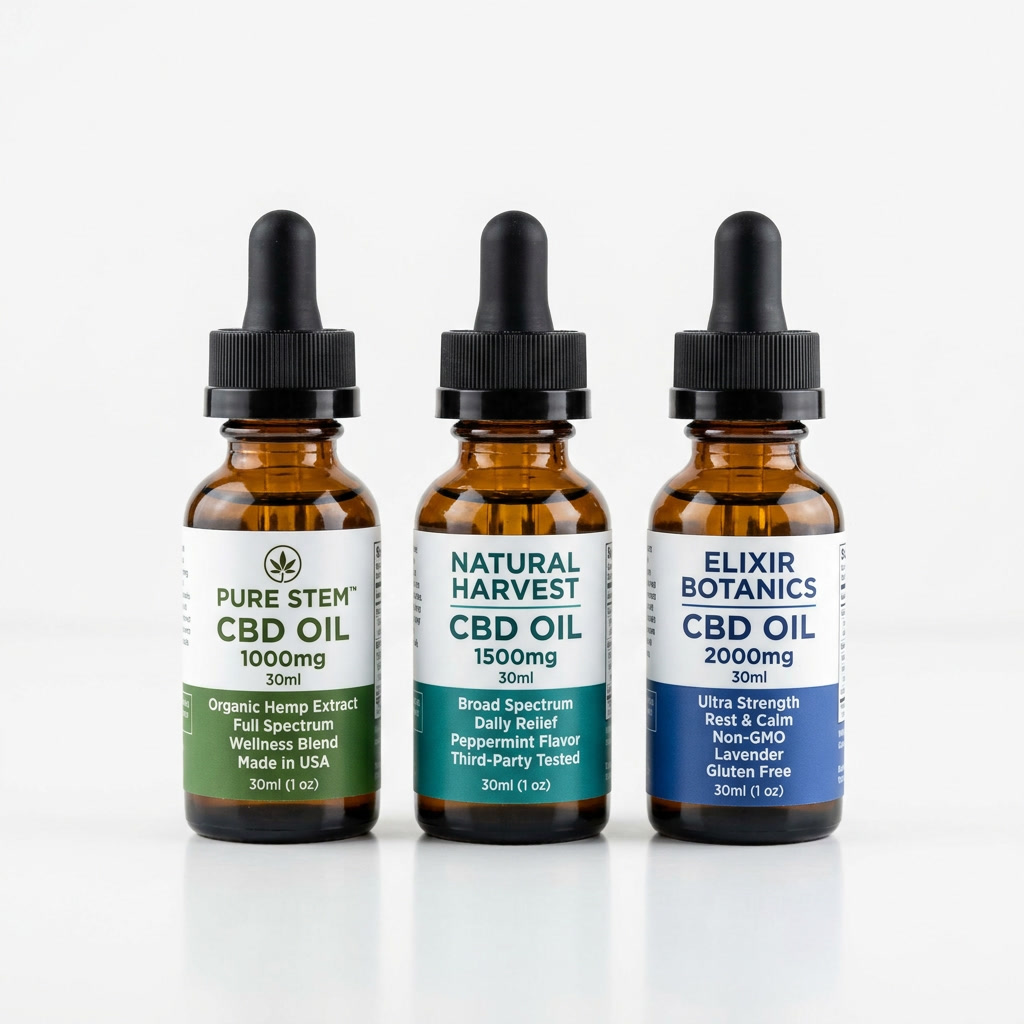
For readers who want to explore quality-tested CBD for everyday wellness goals like calm and recovery, you can browse our CBD oils and tinctures. It is worth repeating, these products are not positioned as addiction treatment, and they should never replace professional care.
The Bottom Line
CBD and stimulant addiction is one of the most interesting areas in early cannabinoid research, and also one of the easiest to misread. The preclinical studies are real and specific. CBD appears to influence the sigma-1 receptor, oxidative stress, autophagy, energy metabolism, and even brain delivery when paired with engineered carriers. Together they sketch a plausible mechanism.
But plausible is not proven. Every study discussed here was conducted in cells or animals. There are no completed human trials showing that CBD treats methamphetamine addiction, and CBD is not an approved medication for it. If you are facing stimulant use disorder, the right first step is professional help, not a supplement.
The science is worth following closely. Just follow it all the way, including the parts that say, not yet.
Find Your Perfect CBD Product
Take our 2-minute quiz to get personalized recommendations based on your needs.
Take the Quiz →Disclaimer: This article is for informational purposes only and does not constitute medical advice. CBD products are not FDA-approved to treat, cure, or prevent any disease. Always consult with a qualified healthcare professional before starting any new supplement, especially if you have a medical condition or take medications.