CBD After Myocarditis: What the First Trial Found
A myocarditis diagnosis arrives fast and leaves you with instructions that feel impossibly vague. Your heart muscle is inflamed. Stop training, stop lifting, stop running intervals, come back in a few months for another MRI. Then the appointment ends and the internet fills the silence. A surprising amount of that silence mentions CBD. For the deeper evidence on this, see CBD and Your Heart Rate.
This article walks through the first randomised trial of CBD in acute myocarditis, published in 2026 in ESC Heart Failure. It covers what the trial measured, what it found, what it did not find, and how it sits against the preclinical cardiac work behind it. Three practical subjects get more space than the trial, because they matter more: exercise restriction, cardiology follow-up, and drug interactions.
One thing needs saying first. This is early phase research in a high risk population. Nobody should use CBD to treat or prevent myocarditis. The trial used a pharmaceutical grade product in monitored patients under cardiology supervision, and reading it as permission to self experiment would badly misread the data. For the deeper evidence on this, see CBD for Bruxism and Teeth Grinding.
Why Myocarditis Is Not a Normal Heart Problem
Most people picture a heart problem as a plumbing failure, a blocked artery starving a patch of muscle. Myocarditis is not that. It is inflammation of the heart muscle, usually triggered by a viral infection and sometimes by an immune reaction, a toxin, or an autoimmune condition. The injury is cellular. Immune cells infiltrate the tissue, myocytes are damaged, the muscle becomes oedematous, and damaged areas can be replaced by scar.
That explains a clinical picture which confuses patients. A young person can have a normal ejection fraction on echocardiography and still be at meaningful risk of ventricular arrhythmia. The pump can look fine while the tissue is angry. A small proportion of patients progress to dilated cardiomyopathy and heart failure, and the risk depends on the extent of injury, the presence of scar, ventricular function, and probably on genetic factors still being worked out.
It also explains why recovery is hard to measure. If ejection fraction can look reassuring while the myocardium is still inflamed, it is a poor endpoint for a trial asking whether a drug helps tissue heal.
The Trial That Put CBD in a Cardiology Ward
ARCHER was an international, multicentre, randomised, double blind, placebo controlled phase 2 trial. Investigators enrolled 109 patients with cardiac MRI confirmed acute myocarditis and randomised them within ten days of diagnosis. Participants received oral pharmaceutical CBD, a formulation called CardiolRx, titrated to 10 mg per kilogram twice daily, or placebo, for twelve weeks. Fifty six patients got CBD, fifty three got placebo, and all completed the study.
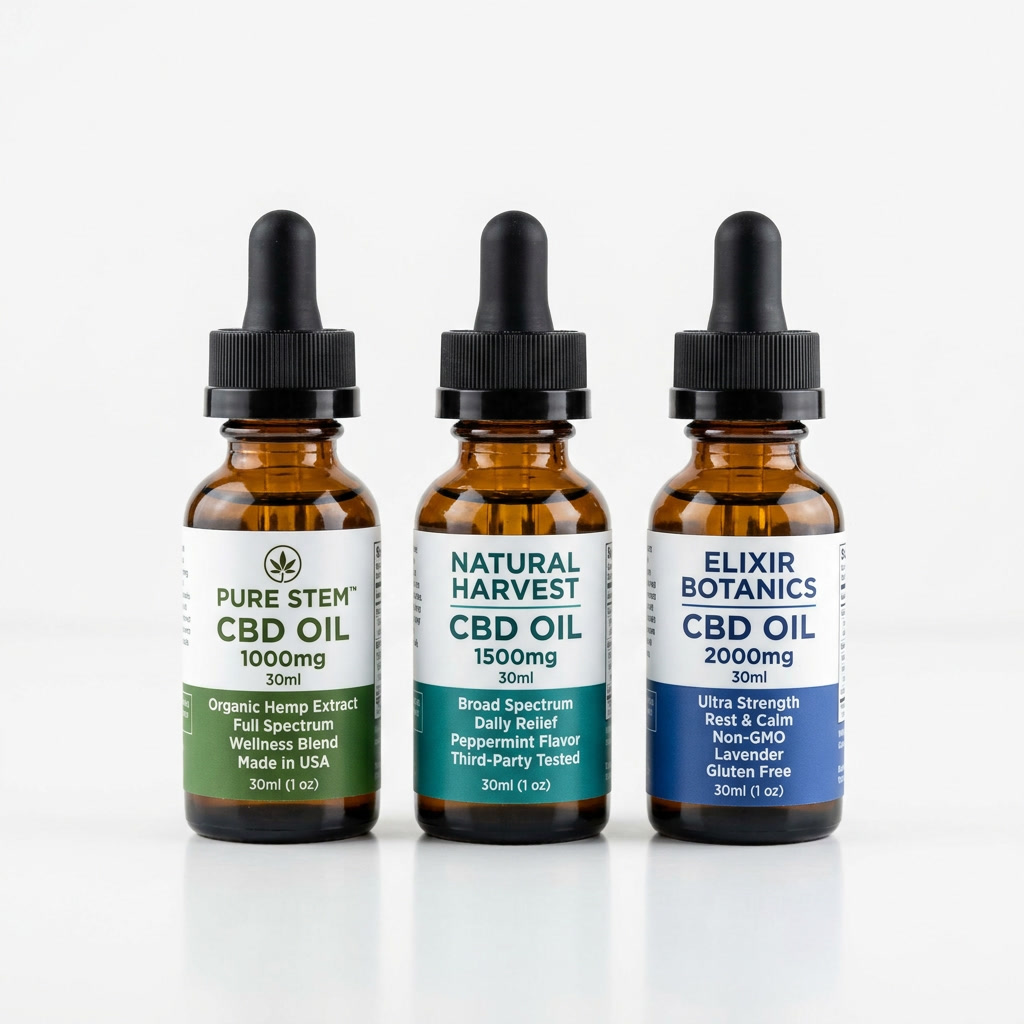
The product detail deserves emphasis. This was not a tincture bought online. It was a formulated, quality controlled, precisely dosed pharmaceutical preparation given to patients who were imaged, monitored, and followed by cardiologists. Whatever the trial shows about CBD, it shows it about that product in that setting. It does not transfer to a bottle with a dropper and a label claiming 1000 mg.
The rationale and design paper appeared in 2024 in ESC Heart Failure. CBD had shown immune modulating and anti inflammatory activity in preclinical models, the myocarditis literature pointed to inflammation as the driver of acute injury and later remodelling, and cardiac MRI offered a way to measure tissue change rather than pump function.
What the Trial Showed
Both primary endpoints were measured by cardiac MRI at week twelve. Extracellular volume, or ECV, estimates how much of the space between heart muscle cells is occupied by something other than cells. In acute myocarditis that space fills with oedema, and later it can fill with collagen, so a falling ECV suggests resolving inflammation, less fibrosis, or both. Global longitudinal strain, or GLS, measures how much the left ventricle shortens along its long axis, and it detects subtle systolic dysfunction earlier than ejection fraction does.
On those endpoints, CBD did not produce a statistically significant improvement. The between group difference in extracellular volume was minus 3.7, with a 95 percent confidence interval from minus 7.4 to 0.1, and a p value of 0.0538. The between group difference in global longitudinal strain was minus 0.1, with a confidence interval from minus 1.2 to 1.1, and a p value of 0.90. Neither crossed the prespecified threshold.
On secondary measures, some signals moved in a favourable direction. Left ventricular mass was lower with CBD, with a between group difference of minus 9.2 grams and a p value of 0.0117. Left atrial end systolic volume also came down significantly. The safety profile looked reassuring, and CBD was described as well tolerated over twelve weeks.
Those paragraphs are the trial in miniature. A drug that misses its primary endpoints but moves secondary remodelling measures has generated a hypothesis, not a treatment.
What It Did Not Show
The gaps are more instructive than the wins.
It did not show that CBD improves myocardial recovery by the definition chosen in advance. It did not show any effect on global longitudinal strain, the functional half of the primary endpoint. It was not powered for death, transplantation, ventricular arrhythmia, or hospitalisation, so it cannot speak to hard outcomes. It did not study severe myocarditis, and the enrolled population was mostly mild to moderate with preserved left ventricular function, so the highest risk patients were underrepresented. It did not follow anyone beyond twelve weeks. And it did not test any over the counter CBD product, at any dose, in any formulation.
That last point is where most online commentary goes wrong. A trial of a pharmaceutical CBD formulation at 10 mg per kilogram twice daily tells you nothing about a 15 mg gummy. Dose, route, purity, and supervision all differ. A 2026 appraisal in Mayo Clinic Proceedings makes the same point more diplomatically. The human cardiovascular evidence base is small, heterogeneous, and mostly early phase.
The Near Miss on ECV
A p value of 0.0538 invites wishful thinking, and it is worth resisting. The number is not almost significant in a way that licenses belief. A p value just above the threshold means the observed data are reasonably compatible with the null hypothesis. It does not mean the null is false and the study was unlucky.
Look instead at the confidence interval, which runs from minus 7.4 to 0.1. The upper bound sits essentially at zero, and the lower bound sits at a difference which would be clinically meaningful if real. That interval is compatible with a modest treatment effect on myocardial oedema or fibrosis. It is also compatible with no effect at all.
There is a second reason for caution. The trial had two primary endpoints, and the left ventricular mass finding was secondary. Secondary endpoints in a trial that missed its primaries are hypothesis generating by definition, raw material for the next protocol rather than evidence for a clinical decision. The direction is interesting. The certainty is not there.
The Preclinical Work Behind It
ARCHER existed because two strands of laboratory work converged on a plausible mechanism.
The first is ischaemia reperfusion injury. A 2026 paper in the Journal of Cardiovascular Pharmacology reported that CBD protects the heart from ischaemia reperfusion injury through a SIRT-1 and PGC-1 alpha dependent pathway. In animal and cell models, CBD limited infarct size, preserved mitochondrial function, and reduced oxidative damage, and the protective effect disappeared when the SIRT-1 pathway was blocked. That last detail turns a correlation into a mechanistic claim.
SIRT-1 is a NAD dependent deacetylase which activates PGC-1 alpha, the master regulator of mitochondrial biogenesis. If a compound preserves membrane potential, limits reactive oxygen species, and keeps ATP production adequate under inflammatory stress, cardiomyocytes die less. Less cell death means less replacement fibrosis, and less fibrosis means less stiffening and less remodelling. That chain would connect the preclinical data to the left ventricular mass signal in ARCHER.
The second strand is adverse remodelling in heart failure. A 2025 paper in JACC: Basic to Translational Science reported that CBD prevented cardiac dysfunction and remodelling through mitochondrial preservation. Again the work was preclinical, and again the theme was mitochondrial integrity rather than haemodynamics. The heart pumped better, in these models, because the cells retained the capacity to make energy.
A 2024 paper in Expert Opinion on Investigational Drugs assessed CBD as a cardiovascular therapeutic candidate and concluded that the mechanistic case is strong while the clinical case is unproven. For the vascular and blood pressure side, our piece on CBD and heart health covers that literature, and CBD and the aging heart covers the remodelling side.
Where the Preclinical Evidence Stops Being Useful
The gap between a mouse and a myocarditis patient is wider than it looks.
Species differ in cannabinoid receptor distribution, in the enzymes which metabolise cannabinoids, and in baseline cardiac physiology. Doses used in animal work often exceed what a human can tolerate, and the exposure profile of an injected compound is not that of an oral tincture. Timing is the largest problem. Preclinical studies typically dose before or at the moment of injury. Patients arrive days after symptom onset, when the inflammatory cascade is already established.
The endpoint problem is equally serious. Mouse infarct size is not human extracellular volume. A reduction in scar area in a rodent is suggestive, but it does not map onto an MRI measurement in a person with a different immune system and a different burden of comorbidity.
Cannabis evidence also does not all point one way. A 2024 study in the Journal of the American Heart Association found that acute cannabis inhalation increased arterial stiffness and impaired vascular function. That study looked at inhaled cannabis, usually THC predominant, so it does not transfer to oral CBD. But it corrects the assumption that anything acting on the endocannabinoid system must be friendly to the vasculature.
Why Exercise Restriction Exists After Myocarditis
This section matters more than the trial, and it deserves to be read twice.
During acute inflammation the myocardium is electrically irritable and mechanically vulnerable. Vigorous exertion raises catecholamine levels, heart rate, blood pressure, and myocardial oxygen demand at once. In an inflamed heart that combination can precipitate ventricular arrhythmia. There are documented cases of sudden cardiac death in athletes with myocarditis, and those cases are why sports cardiology guidance is as strict as it is.
Scar tissue also takes months to mature and strengthen. Loading a healing wall with heavy resistance training or high intensity intervals does not accelerate remodelling. It may distort it.
Typical practice is a period of restriction from competitive and strenuous exercise, commonly around three to six months, followed by reassessment with repeat imaging, ambulatory rhythm monitoring, and a supervised stress test before return to training. The exact timeline is individual and belongs to your cardiologist. If you are using CBD and wondering whether it lets you get back to the gym sooner, the answer is no, and that answer does not depend on the trial result.
Being told to stop training is also psychologically hard, and some people reach for CBD to manage the anxiety of it. Our article on CBD and cortisol covers what the human evidence supports there. That is a separate question from myocardial healing, and it should not become a back door into cardiac claims.
Why Cardiology Follow-Up Outranks Any Supplement
Myocarditis follow-up is where the real levers are, and every one of them outperforms a capsule.
Repeat imaging shows whether function and tissue composition have normalised, and it is the basis for lifting exercise restrictions. Arrhythmia surveillance, including ambulatory monitoring in selected patients, catches conduction problems a resting ECG can miss. Medication review matters because heart failure therapy should start or change when function is reduced. Clearance for exercise and physically demanding work is a formal decision with real consequences if rushed. Recognition of the minority who progress to dilated cardiomyopathy is the difference between early treatment and late presentation.
None of that is replaceable by a supplement. A capsule cannot perform an MRI, read a rhythm strip, or titrate a beta blocker. ARCHER existed inside a system of monitored care, and that context is exactly what made it safe to give a pharmaceutical CBD product to people with inflamed hearts.
The Interaction Problem With Heart Medications
This is the section most CBD content glosses over, and it is the one which can put someone in hospital.
CBD inhibits cytochrome P450 enzymes, particularly CYP3A4 and CYP2C19, and it affects the P glycoprotein transporter. A large share of cardiac medications travel those same pathways, so CBD can raise their blood levels without anyone changing the prescribed dose.
The list is not short:
- Amiodarone, narrow therapeutic index, CYP3A4 substrate
- Diltiazem and verapamil, both substrates and inhibitors of CYP3A4
- Apixaban and rivaroxaban, CYP3A4 and P glycoprotein substrates, bleeding risk if exposure rises
- Warfarin, where small pharmacokinetic shifts move the INR unexpectedly
- Statins, especially simvastatin, where raised exposure increases myopathy risk
- Digoxin, a P glycoprotein substrate with a narrow window
A patient with acute myocarditis may be discharged on three or four of these at once, often newly started, often still being titrated. That is the worst possible moment to add an unmonitored inhibitor of the enzymes which clear them. The interaction shows up as a bruise that will not stop, a rhythm that feels wrong, or a level checked in an emergency department.
CBD can also raise liver enzymes at higher doses, which complicates monitoring of any drug that is hepatically cleared. In a monitored trial that is manageable. At home, with a product of unknown potency, it is not.
Why Self-Treating Here Is a Bad Trade
No one should use CBD to treat or prevent myocarditis, and the reasoning is not complicated.
The CBD trial missed both primary endpoints. The population was lower risk than many real world patients, with mostly preserved function and mild to moderate disease. The CBD product was pharmaceutical grade and precisely dosed. Follow-up stopped at twelve weeks. The safety data come from a monitored cohort with scheduled imaging and bloodwork. Every one of those conditions is absent when someone buys a bottle online and starts dosing themselves.
Set against that, the realistic upside is unclear and probably small. The downside includes variable potency, inaccurate labelling, interaction with drugs that have narrow margins, and a disease whose most dangerous complication, arrhythmia, can occur during a window when the patient feels completely fine. A small chance of a modest tissue effect is not worth a meaningful chance of destabilising anticoagulation or rhythm control in a healing heart.
If you want a tested product for an unrelated reason, our CBD oils and tinctures section exists for that. It is not a recommendation for this population, and it is not a substitute for the conversation below.
What to Ask Your Cardiologist
Bring questions rather than a product. The useful ones are specific.
Ask whether the inflammation is still active on imaging, or whether it has resolved. Ask what your current restriction actually is, and what has to be true before it lifts. Ask whether any of your medications are CYP3A4 substrates, and whether adding an inhibitor would change your monitoring. Ask whether there is reason to think CBD would help you specifically, given your ejection fraction, scar burden, and rhythm history.
A good answer separates three things which get muddled constantly. The mechanism may be interesting. The trial result may be modest and uncertain. The decision for you is a separate clinical judgment which depends on your medications and your risk. If someone tells you CBD will heal your myocardium, that person is selling something.
Where This Leaves the Field
ARCHER is a genuine milestone. It is the first randomised trial of CBD in acute myocarditis, it enrolled a well characterised MRI confirmed population, it used a proper placebo control, and it produced a clean safety signal over twelve weeks.
It is also a reminder that plausible biology often produces small clinical effects. The preclinical story around SIRT-1, PGC-1 alpha, and mitochondrial preservation is coherent and worth pursuing. The clinical story so far is a near miss on one tissue endpoint, a flat result on a functional endpoint, and some encouraging secondary signals which need confirmation. The next step is a larger trial, probably enriched for higher risk patients, with longer follow-up and endpoints which can speak to hard outcomes.
Until then the practical ranking does not change. Cardiology care comes first. Exercise restriction gets respected, not negotiated. Medications get reviewed by someone who knows their pathways. And CBD stays where the evidence puts it, as an open research question in a high risk population, not a home remedy for a healing heart.
Find Your Perfect CBD Product
Take our 2-minute quiz to get personalized recommendations based on your needs.
Take the Quiz →Disclaimer: This article is for informational purposes only and does not constitute medical advice. CBD products are not FDA-approved to treat, cure, or prevent any disease. Always consult with a qualified healthcare professional before starting any new supplement, especially if you have a medical condition or take medications.