CBD and Kidney Health: What the 2023+ Research Actually Shows
The Question Nobody Wants to Ask
Maria is 58, manages her blood pressure with two medications, and was just told her estimated glomerular filtration rate (eGFR) has dipped below 60. Her doctor used the words "chronic kidney disease" and told her to be careful with anything new. But her knees ache, her sleep is broken, and a friend swears CBD changed her life. So Maria does what millions of people do: she types "is CBD safe for kidneys?" into a search bar and gets a wall of conflicting answers. Some sites call it a miracle for inflammation. Others warn it will destroy your liver and kidneys. Neither feels trustworthy.
The honest answer is more nuanced than either extreme. The research on cannabinoids and kidney function has matured significantly since 2023, and it points in a direction that is neither "totally safe" nor "dangerous for everyone." This guide walks through what the recent studies actually found, where the real risks live, and how to think about CBD if you have kidney disease. No hype, no fear-mongering, just the evidence.
Why the Kidney Is a Special Case for CBD
The kidneys are not just filters. They are metabolic workhorses that process a huge share of the drugs and compounds that pass through your body. That makes them uniquely exposed to anything you consume, including cannabinoids.
When you take CBD, it is metabolized primarily in the liver by a family of enzymes called cytochrome P450, but the kidney plays a supporting role in clearing the resulting metabolites. A 2026 study in ACS Medicinal Chemistry Letters traced exactly how one of CBD's main breakdown products, 7-carboxy-cannabidiol, forms reactive metabolites in human liver, kidney, and intestinal tissue. The researchers found that this metabolite can undergo a process called acyl migration, which is a known trigger for drug-related toxicity.
The takeaway is not that CBD is toxic to kidneys. It is that the kidney is directly involved in handling CBD's byproducts, so people with reduced kidney function cannot assume their body processes it the same way as a healthy person's.
This matters for a practical reason. When kidney function declines, drug clearance slows, and compounds that a healthy kidney would clear quickly can linger in the body at higher concentrations. That is why dosing guidance for CBD, which is usually written for people with normal organ function, may not apply to someone with advanced kidney disease. It is also why the same dose can feel very different from one person to the next.
What the Recent Human Data Actually Shows
The most reassuring recent evidence comes from a 2026 study in Cannabis and Cannabinoid Research that followed more than 1,500 adults in Baltimore over roughly a decade. The researchers compared people with no cannabis history to those with current regular use, looking for three kidney outcomes: new chronic kidney disease, rapid decline in kidney function, and new albuminuria (protein in the urine).
After adjusting for age, race, smoking, and other drug use, the study found no independent association between cannabis use and any adverse kidney outcome. Current regular users were not at higher risk of developing CKD, rapid decline, or albuminuria.
This is meaningful, but it comes with an important caveat. The study looked at cannabis broadly, not purified CBD, and it followed people who mostly had healthy kidneys at the start. It tells us that moderate cannabis use does not appear to harm healthy kidneys over time. It does not tell us how CBD behaves in someone who already has significant kidney disease.
A Clinical Trial in People With Kidney Failure
The most direct human evidence on CBD in kidney disease came in 2026, when researchers published a Phase 1B trial in Kidney International Reports testing CBD for symptom management in people with kidney failure. This was a small, early-stage safety and tolerability study, not a proof that CBD cures anything.
What it did establish is that CBD can be studied safely in this population and that it was tolerated well enough to justify further research. That matters because kidney failure patients are often excluded from trials of new compounds, leaving them with few options for symptom relief.
The study reflects a broader shift. A 2026 qualitative study in Hemodialysis International interviewed people with kidney failure who had used cannabis, prescribed or not, to manage their symptoms. Participants described severe, often intractable symptoms and frustration at the limited treatment options. Many valued the benefits of cannabis but worried about the safety of unregulated products and wished their clinicians knew more about prescribed options.
The Preclinical Evidence: Promise and Limits
Animal and laboratory studies have explored whether cannabinoids can actually protect the kidney. A 2023 study in Scientific Reports tested CBD and a related compound called CBGA in two mouse models of kidney damage: one mimicking acute injury from the chemotherapy drug cisplatin, and one mimicking chronic fibrosis.
The results were striking in their specificity. CBGA protected the kidney from cisplatin-induced damage and strongly suppressed inflammatory signals. CBD was only partially effective in that acute model. But in the chronic fibrosis model, both CBD and CBGA significantly reduced renal fibrosis. The authors concluded that both compounds possess reno-protective properties, with CBGA showing higher efficacy.
This is genuinely promising, but it is preclinical. Mouse models do not always translate to humans, and the doses used in these experiments are not the same as what a person takes from a dropper bottle. Treat this as a reason for more research, not a reason to self-medicate.
It is also worth noting that the study found meaningful differences between individual cannabinoids. CBD and CBGA are chemically related but behaved differently in the acute injury model, which is a reminder that "cannabinoids" are not interchangeable. What holds for one compound may not hold for another, and the same logic applies when comparing CBD to THC or to synthetic derivatives.
Where the Real Risks Live: Synthetic Cannabinoids
When people talk about "cannabinoids harming kidneys," the evidence is strongest for synthetic cannabinoids, not CBD. These are lab-made compounds, often sold as "herbal incense" or "spice," that bind to the same receptors as THC but far more potently.
A 2025 study in Forensic Toxicology gave mice a synthetic cannabinoid called AB-FUBINACA and found substantial impairment of kidney function, with elevated markers of tubular damage, oxidative stress, and inflammation. A 2026 case report in the Journal of Cannabis Research described a 35-year-old man who developed severe rhabdomyolysis and acute kidney injury after using hexahydrocannabinol (HHC), a semi-synthetic derivative made from CBD. He recovered without dialysis but spent 11 days in intensive care.
The pattern is consistent: synthetic and semi-synthetic cannabinoids carry a real risk of acute kidney injury. This is a different risk profile from regulated, plant-derived CBD, and it is worth understanding the difference before assuming all "cannabinoids" are the same.
The Drug Interaction Problem
For someone with kidney disease, the biggest practical concern with CBD is not the kidney itself. It is how CBD interacts with the medications they already take.
CBD is a known inhibitor of several cytochrome P450 enzymes, the same enzymes that process many common drugs. When CBD slows these enzymes down, it can raise the blood levels of other medications, sometimes to dangerous levels. A 2026 clinical study in Clinical Pharmacology and Therapeutics directly evaluated CBD's interactions with citalopram (an antidepressant) and morphine (a painkiller) in healthy adults, confirming that CBD meaningfully changes how these drugs are handled.
For kidney patients, the stakes are higher because many of their medications have a narrow therapeutic window. Blood pressure drugs, immunosuppressants, and certain pain medications can all be affected. A 2026 study in Clinical and Translational Science also found that CBD's safety and pharmacokinetics vary by genotype, meaning individual genetic differences change how people respond.
This is why the single most important piece of advice for anyone with kidney disease considering CBD is to talk to a doctor or pharmacist first, ideally before buying anything. A pharmacist can review your full medication list and flag potential interactions that a general internet search will miss. That conversation is the single highest-value step you can take, and it costs nothing.
If you do decide to try CBD, choosing a tested product matters. Look for a brand that publishes third-party lab results showing the actual cannabinoid content and confirming the absence of contaminants. A reputable full-spectrum oil from a source you can verify is a very different product from an unregulated vape cartridge or a synthetic "herbal" blend.
What This Means for You
So where does this leave Maria, and anyone in a similar position? The evidence supports a cautious, informed approach rather than either panic or blind enthusiasm.
- Current research does not show that moderate cannabis use harms healthy kidneys over time
- Early human trials suggest CBD can be studied safely in kidney failure, but they are small and preliminary
- Preclinical studies show potential anti-inflammatory and anti-fibrotic effects, but these are not proven in humans
- The clearest kidney risks come from synthetic and semi-synthetic cannabinoids, not regulated CBD
- Drug interactions with common kidney medications are a real and underappreciated concern
How to Approach CBD Safely With Kidney Disease
If you and your doctor decide CBD is worth trying, a few practical steps can reduce risk.
- Start with a low dose and increase slowly, tracking how you feel
- Choose a product with third-party lab testing so you know what is actually in it
- Prefer full-spectrum or broad-spectrum oils from a reputable source over unregulated or synthetic products
- Never combine CBD with new medications without checking for interactions
- Watch for signs of trouble, including swelling, changes in urination, or unusual fatigue
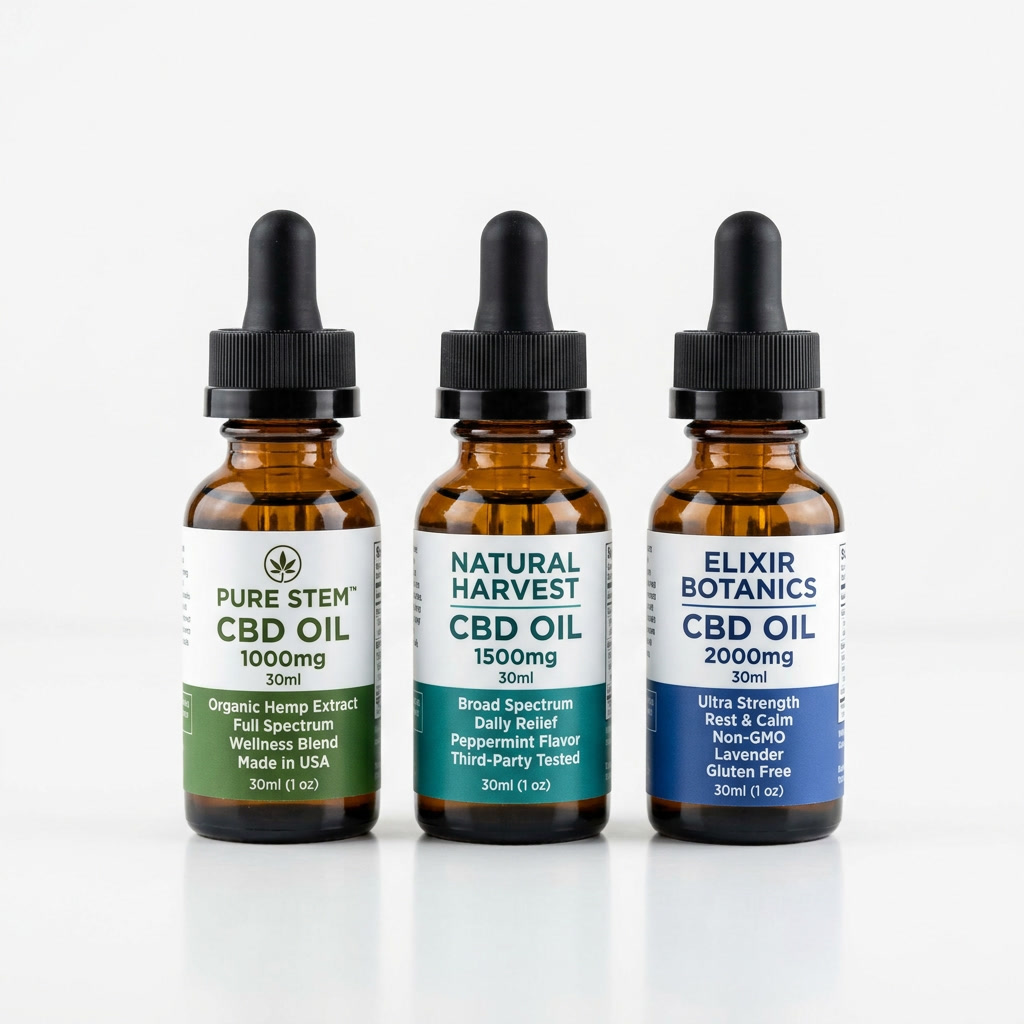
If you are looking for a starting point, our CBD oils are a good place to begin, since oils let you control your dose drop by drop. Some people prefer the convenience of gummies or capsules for a consistent daily amount, though these are harder to fine-tune. Whichever format you choose, the same rules apply: start low, go slow, and keep your doctor in the loop.
The Bottom Line
The 2023 and later research paints a balanced picture. CBD does not appear to be a kidney toxin for healthy people, and early evidence suggests it may even have anti-inflammatory and anti-fibrotic potential. But the kidney is directly involved in processing CBD's metabolites, drug interactions are real, and the strongest kidney risks come from synthetic cannabinoids rather than regulated CBD. If you have kidney disease, the responsible path is clear: talk to your doctor, start low, choose tested products, and never treat CBD as a replacement for your prescribed care. The science is promising enough to take seriously, and not settled enough to take lightly.
Find Your Perfect CBD Product
Take our 2-minute quiz to get personalized recommendations based on your needs.
Take the Quiz →Disclaimer: This article is for informational purposes only and does not constitute medical advice. CBD products are not FDA-approved to treat, cure, or prevent any disease. Always consult with a qualified healthcare professional before starting any new supplement, especially if you have a medical condition or take medications.