CBD for Aging Skin & Anti-Aging: What 2026 Research Says
You catch your reflection in a shop window and pause. The fine lines around your eyes seem deeper than they were last year. Your skin looks a little thinner, a little less plump, and the "glow" you used to take for granted is fading. You've tried retinol, vitamin C, peptides — some helped, some burned. But the honest truth is that aging skin is driven by invisible forces: oxidative stress, chronic low-grade inflammation, and the slow breakdown of the collagen and elastin that keep skin firm and springy.
Here's the part nobody tells you: those forces don't just happen naturally. They're accelerated by UV exposure, air pollution, poor sleep, and stress — all of which crank up inflammation and free radicals in your skin. That's exactly where cannabidiol (CBD) has started to grab attention. Researchers are increasingly studying CBD as a multifunctional skincare ingredient with antioxidant, anti-inflammatory, and collagen-supporting properties that may help slow visible aging at the cellular level.
The science is still young, and much of it comes from laboratory and animal models rather than large human trials. But the recent 2025 and 2026 research is genuinely promising. In this guide, we'll break down what the latest evidence actually shows — how CBD may support skin aging, wrinkles, collagen, elasticity, and the everyday stressors that age your face — and how to use it realistically. We'll also cover what's still unproven, because honest skincare beats hype every time.
Why Skin Ages: The Biology Behind Wrinkles
Aging skin isn't just a surface issue — it's a breakdown of the skin's structural scaffolding. Your skin's firmness and elasticity come largely from two proteins produced by cells called fibroblasts: collagen and elastin. Collagen gives skin its structure and plumpness, while elastin lets it snap back after you smile, squint, or frown.
As you age, three things happen at once:
- Collagen production declines — your body makes less new collagen each year after about age 30
- Collagen and elastin break down faster — enzymes called matrix metalloproteinases (MMPs) chew up existing scaffolding
- Oxidative stress accumulates — free radicals (reactive oxygen species, or ROS) damage cells, DNA, and structural proteins
Add in the "inflammaging" — that steady, low-level inflammation that creeps up with age — and you get the perfect recipe for thinning, wrinkling, sagging skin. This is exactly the territory where CBD's antioxidant and anti-inflammatory properties look most relevant.
CBD and the Skin's Endocannabinoid System
You may be surprised to learn your skin has its own version of the body's endocannabinoid system (ECS) — a signaling network involved in regulating inflammation, cell turnover, and the skin barrier. Receptors like CB1, CB2, TRPV channels, and PPARs are present right in the skin.
A 2025 comprehensive review in Biomolecules by Rusu and colleagues summarized CBD's topical potential across dermatology and cosmetic science. The authors noted CBD exhibits anti-inflammatory, antioxidant, moisturizing, and anti-aging properties through interactions with this skin-based endocannabinoid system. It's a helpful framework: CBD isn't just "cream with a compound in it" — it's talking to receptors that regulate how your skin responds to stress and repair.
The Antioxidant Angle: Fighting Free Radicals
The most consistent theme in the research is CBD's ability to reduce oxidative stress — the imbalance between free radicals and your skin's antioxidant defenses. Free radicals can be thought of as molecular rust on your cells. They damage collagen, disrupt cell membranes, and accelerate the visible signs of aging.
A 2025 review in Plants synthesized the evidence and concluded that CBD acts as an antioxidant by scavenging free radicals and reducing oxidative stress, which contributes to aging as well as conditions like acne and dermatitis. The same review highlighted how formulations (including liposomal encapsulation) can improve CBD's antioxidant and anti-inflammatory effects on keratinocytes — the main cells in your skin's outer layer.
Crucially, a 2026 study in Antioxidants examined how phytocannabinoids (including CBD) protected melanocytes — skin pigment cells — from UVA radiation. UV light roughly doubled reactive oxygen species in cells. Treatment with CBD and related compounds reduced ROS by around 30%, enhanced antioxidant enzymes like superoxide dismutase (SOD), and reduced markers of oxidative damage by roughly 23–37%. Since UVA exposure is one of the most powerful drivers of photoaging, this is directly relevant to wrinkles and pigment changes.
CBD and Collagen: Building Blocks Under Pressure
The collagen question is where CBD research gets particularly encouraging — and it's also where you should stay the most honest about what's proven.
One of the most useful recent studies was a 2025 Pharmaceuticals investigation into CBD for cosmeceutical development. Researchers treated keratinocytes and fibroblasts (the collagen-making skin cells) with low concentrations of CBD and found it:
- Enhanced cell growth in long-term treatment at low doses
- Showed antioxidant and anti-aging activity in skin cells
- Boosted the expression of skin-regeneration genes via TGF-β, VEGF, and NF-κB pathways
- Promoted CO1A2 expression, which is directly related to collagen production
That's a meaningful result: a signal that CBD may help nudge fibroblasts toward producing collagen rather than standing by while it breaks down.
The environmental angle is just as interesting. A 2025 study in Biomolecules exposed human skin to airborne particulate matter (pollution) — a known accelerator of skin aging — and treated it with CBD. Pollution triggered inflammation, oxidative stress, and degradation of extracellular matrix proteins like procollagen and fibrillin. CBD selectively reduced key inflammatory markers (IL-6, MMP-1, COX-2), cut oxidative damage, and restored procollagen and fibrillin expression. In other words, CBD looked like a shield against pollution-driven collagen loss.
A caveat worth keeping
Not every study finds a dramatic collagen effect. A 2024 safety study in the International Journal of Molecular Sciences found that CBD and CBG were safe (non-irritating, non-phototoxic) but did not show significant anti-aging effects on extracellular matrix components. Instead, they were more useful as protective, anti-inflammatory agents against pollution. That's a useful reality check: CBD may be better thought of as a protector of the collagen you have than a proven wrinkle-filler.
Anti-Inflammatory Support: The Inflammaging Connection
Chronic, low-grade inflammation — sometimes called "inflammaging" — quietly fuels skin aging. It keeps MMPs active, breaks down collagen, and hampers repair. CBD is well-known for its anti-inflammatory effects, and this extends to skin.
The 2025 review in Biomolecules emphasized CBD's anti-inflammatory action through ECS and PPAR pathways. In the pollution study, CBD reduced IL-6, COX-2, and MMP-1 — all key players in inflammation-driven tissue breakdown. For deeper inflammation context, our guide to CBD and inflammation explores how these mechanisms work throughout the body.
From a practical skincare standpoint, reducing chronic skin inflammation is one of the most credible ways CBD may support a calmer, more even-looking, healthier complexion over time — rather than as an instant wrinkle remover. For deeper inflammation context, our guide to CBD and inflammation explores how these mechanisms work throughout the body.
Elastin and Skin Structure: What the Research Shows
Elastin is the protein that keeps skin springy and prevents it from sagging. It's a bit harder to study than collagen, and the evidence base is thinner.
- A 2023 human skin gene-expression study in Frontiers in Bioscience tested CBD combined with a soy isoflavone called equol. Across 97 biomarkers, the CBD+equol combination showed effects on anti-aging categories including collagen, elastin, TIMP1, antioxidants, hydration, and wound healing — more than either alone.
- CBD-based hydrogel formulations have been shown to inhibit the activity of collagenase and elastase — the enzymes that break down collagen and elastin. A 2024 hydrogel study found carriers could both fight free radicals and inhibit these matrix-degrading enzymes, alongside anti-inflammatory effects.
Inhibiting collagenase and elastase is meaningful: it's a way of "slowing the breakdown" side of aging, which is easier to show than stimulating brand-new production.
CBD for Age-Related Skin Conditions
Beyond wrinkles and firmness, CBD is being studied for a range of skin conditions that become more common with age.
Dry, itchy, fragile skin
The 2025 review highlighted CBD's moisturizing and barrier-supporting effects, and its use in dermatitis and eczema where barrier damage and inflammation reign. Supporting the barrier means skin holds onto moisture better — which, on its own, makes fine lines less visible.
Rosacea and sensitivity
If your aging skin is also prone to redness and flare-ups, CBD's anti-inflammatory action has been explored in this context. We've covered this in detail in our post on CBD for rosacea.
Acne and breakouts (even later in life)
Adult-onset acne is real, and it's often tied to sebum production and inflammation. Research suggests CBD may help calm oil production and inflammation. See our in-depth piece on CBD and acne.
Slow wound healing
Skin repairs more slowly with age, and CBD has been studied for wound healing effects — including promoting cell regeneration and even collagen synthesis in wound models. Our CBD and wound healing guide digs into that research.
How Does CBD's Antioxidant Power Compare?
You've probably been told to use vitamin C or niacinamide for antioxidants. Where does CBD fit?
The honest answer is that most CBD research is much younger than the decades of evidence behind vitamin C. Direct head-to-head comparisons are scarce. But CBD's edge may be in its dual antioxidant and anti-inflammatory profile, and its unique mechanism via the skin's endocannabinoid system rather than a single pathway. It's also considered generally well-tolerated and non-irritating in the studies we've seen.
For now, treat CBD as a complementary player in an anti-aging routine rather than a replacement for your proven antioxidant serum. Layering a broad strategy — sunscreen, vitamin C, retinoids, hydration, and CBD — is almost certainly stronger than any single ingredient.
What's Real vs. What's Hype (Honest Science)
Let's be straight with you, because overhyped marketing hurts everyone.
What research reasonably supports:
- Antioxidant activity — CBD scavenges free radicals and reduces oxidative stress markers. Strong laboratory and UVA-protection support.
- Anti-inflammatory support — Reduces key inflammatory markers (IL-6, COX-2, MMP-1) in skin models.
- Barrier and pollution protection — Helps skin withstand pollution-driven breakdown and restore structural proteins.
- Collagen-supporting signals — Evidence of boosting collagen-related gene expression, but mostly in lab/ex vivo.
- Safety — Topical CBD appears generally well-tolerated and non-irritating.
What's NOT yet proven (be skeptical):
- Dramatic, instant wrinkle reduction
- "Anti-aging" claims validated by large human clinical trials
- A magic "collagen-builder" — evidence is promising but preclinical
- Any promise that topical CBD can replace retinoids, vitamin C, or sunscreen
In short: CBD is a promising, science-backed ingredient for skin resilience — but it's not a miracle in a bottle. It's a strong supporting player.
Choosing and Using CBD Skincare Products
If you're ready to try CBD for aging skin, here's a practical approach.
Forms to consider
- CBD topicals and creams — the most direct way to get CBD onto the skin where it can act locally. Look for products formulated with hydrating and barrier-supporting ingredients. Explore our CBD topicals and creams.
- CBD for skin — products designed specifically around skin wellness. Browse our CBD for skin category.
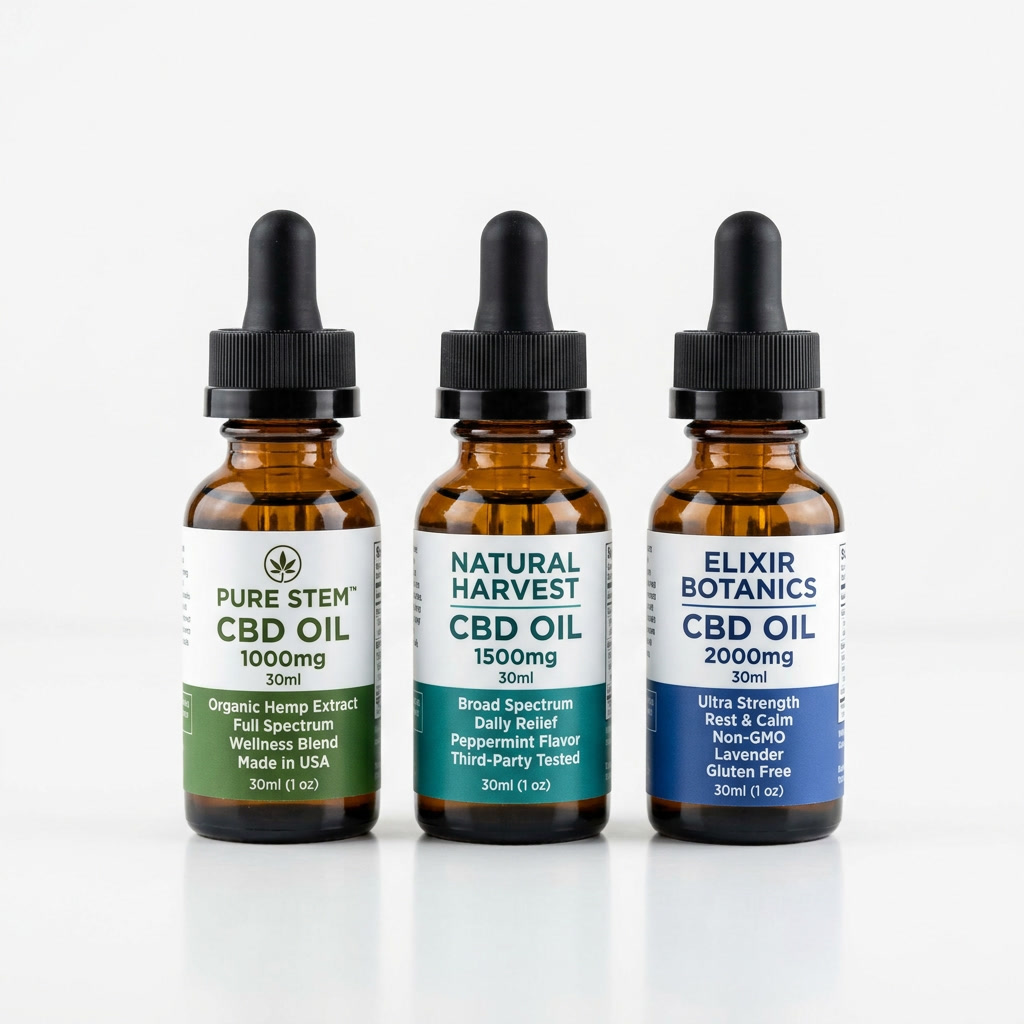
- CBD oils and tinctures — these work differently (systemically, not directly on the skin). They work more on overall inflammation and stress, which can indirectly support skin. If you're after whole-body effects, CBD oils and tinctures might fit your routine.
What to look for on the label
- Third-party lab testing — CBD is weakly regulated, so independent batch testing is non-negotiable. Look for potency and purity results.
- Clear CBD (and total cannabinoid) content — avoid vague labels that don't tell you the dose.
- Formulated for stability — CBD can be unstable; look for well-formulated products, including liposomal or encapsulated versions.
- Compatible carriers — moisturizing bases (ceramides, hyaluronic acid, oils) work best for aging skin.
- No shady claims — if a product promises overnight face-lift results, walk away.
How to Add CBD to an Anti-Aging Routine
A thoughtful approach is more likely to give results than slapping on high doses. Here's a realistic, step-by-step plan:
1. Patch test first. Apply a small amount of your CBD cream to your inner arm or behind the ear for 24 hours to confirm no irritation.
2. Start slowly. Introduce CBD skincare one product at a time, once daily, so you can tell what's working and what's not.
3. Layer correctly. Cleanse, then apply lighter products (serums) before thicker CBD creams. If you use retinol, consider alternating nights or layering over a moisturizer to avoid excess irritation.
4. Pair with sunscreen. There is no anti-aging routine without SPF. Sunscreen is the single most evidence-backed way to slow photoaging, and CBD works best as a complement.
5. Be consistent. CBD's skin benefits are about the cumulative reduction of inflammation and oxidative stress over weeks to months, not a single-dose effect. Give it 6–8 weeks.
6. Track it. Take a photo in consistent lighting every few weeks and note changes in calmness, hydration, and texture.
How Long Until You See Results?
Patience is key. Because CBD acts more as a protective and anti-inflammatory agent than an instant resurfacer, meaningful changes typically show up over weeks to months of consistent use:
- Skin calm and reduced redness: as soon as 1–2 weeks for some people
- Better hydration and less tightness: 2–4 weeks
- Smoother texture and visible firmness changes: typically 6–12 weeks
- Aging-related changes: needs long-term, consistent use alongside sunscreen and other actives
If you're dealing with breakouts or flare-ups as well, see how the anti-inflammatory effects play out — some people find relief in the first few weeks.
The Bottom Line
CBD is a genuinely promising addition to an anti-aging skincare toolkit, and the 2024–2026 research is making that increasingly clear. The evidence is strongest around three pillars: reducing oxidative stress, dampening skin inflammation, and protecting collagen and elastin from the enzymes and environmental pressures that break them down. Studies show CBD can scavenge free radicals, reduce UVA-driven oxidative damage, blunt pollution-induced inflammation, and support collagen-supporting gene expression in skin cells.
But it's also important to keep expectations honest. This is a protective and supporting ingredient, not a miracle wrinkle-filler. The best results come from pairing CBD with sunscreen, hydration, and good sleep — and from a consistent, patient routine. If you choose a third-party-tested CBD cream designed for skin, and you give it time, CBD could earn a permanent place in your anti-aging arsenal. It's a smart, research-backed way to help your skin hold up better under the years and the environment.
Related reading: Curious how CBD handles acute UV stress? Read our guide to CBD and sunburn recovery.
Find Your Perfect CBD Product
Take our 2-minute quiz to get personalized recommendations based on your needs.
Take the Quiz →Disclaimer: This article is for informational purposes only and does not constitute medical advice. CBD products are not FDA-approved to treat, cure, or prevent any disease. Always consult with a qualified healthcare professional before starting any new supplement, especially if you have a medical condition or take medications.