CBD for Skin: What the Research Really Says About Cannabinoids for Acne, Eczema, and Skin Health
# CBD for Skin: What the Research Really Says About Cannabinoids for Acne, Eczema, and Skin Health
You're staring in the mirror again. Another breakout. Another patch of dry, itchy skin that won't quit. You've tried the drugstore creams, the prescription gels, the "miracle" serums your friend swore by. Nothing seems to work for long — or worse, they make things worse.
If this sounds familiar, you're not alone. Acne affects up to 50 million Americans annually, making it the most common skin condition in the United States. Eczema (atopic dermatitis) impacts roughly 10% of people worldwide. And despite decades of research, many conventional treatments come with frustrating side effects: dryness, irritation, antibiotic resistance, or the dreaded rebound flare when you stop using them.
Lately, you've probably noticed CBD everywhere — oils, gummies, creams, serums. The claims are bold: CBD can calm acne, soothe eczema, even slow aging. But here's the question nobody seems to answer straight: what does the actual science say?
Not the marketing copy. Not the influencer testimonials. The real, peer-reviewed research.
This article cuts through the noise. We examined every relevant study published in reputable scientific journals — including multiple 2025 reviews and clinical trials — to give you an honest, evidence-based look at what CBD can (and can't) do for your skin.
The Skin's Endocannabinoid System: Your Body's Built-In Balance Mechanism
Before we talk about CBD, you need to understand something remarkable: your skin already produces its own cannabinoids.
Discovered in the late 1990s, the cutaneous endocannabinoid system (ECS) is a network of receptors, signaling molecules, and enzymes distributed throughout your skin. CB1 and CB2 receptors — the same ones that respond to cannabis compounds — are found in:
- Keratinocytes (the primary cells of your epidermis)
- Sebaceous glands (oil-producing glands)
- Hair follicles
- Sweat glands
- Immune cells residing in skin tissue
- Sensory nerve endings that detect itch and pain
This isn't accidental. Your skin's ECS serves as a regulatory system, maintaining what scientists call "homeostasis" — balance. It helps control:
- Sebum production (how much oil your skin makes)
- Cell growth and differentiation (how skin cells mature and shed)
- Inflammatory responses (how your skin reacts to threats)
- Itch and pain signaling
- Barrier function (keeping moisture in, irritants out)
When this system functions properly, your skin stays balanced. When it's disrupted — by stress, hormones, environmental damage, or genetics — problems like acne, eczema, and premature aging can develop.
CBD (cannabidiol) is a phytocannabinoid — a plant compound that interacts with this same system. Unlike THC, CBD doesn't produce psychoactive effects. Instead, research suggests it modulates ECS activity and influences other cellular pathways involved in inflammation, oxidation, and cell regulation.
CBD for Acne: What the Studies Actually Show
Acne develops through four interconnected processes: excess sebum production, abnormal skin cell shedding that clogs pores, proliferation of Cutibacterium acnes bacteria, and inflammation. Conventional treatments typically target one or two of these factors. The question is: does CBD address acne's root causes?
Sebum Regulation and Anti-Inflammatory Effects
Laboratory studies have demonstrated that CBD can influence sebaceous gland activity. Research published in the Journal of Clinical Investigation (2014) showed that CBD exerted sebostatic effects — meaning it reduced excessive sebum production — while also displaying anti-inflammatory properties in human sebocytes (oil gland cells).
The mechanism appears to involve CBD's interaction with multiple receptors beyond CB1 and CB2, including TRPV channels and PPAR receptors, which regulate lipid production and inflammatory signaling. CBD has been shown to reduce the production of pro-inflammatory cytokines (signaling proteins) including IL-6, IL-8, and TNF-alpha — all of which play roles in acne inflammation.
Clinical Evidence: The 2023 Cohen Study
In 2023, Cohen and colleagues published a study in Evidence-Based Complementary and Alternative Medicine that moved beyond laboratory research into human testing. The researchers developed a topical formulation combining CBD with two herbal extracts: Centella asiatica triterpenes and silymarin (from milk thistle).
Why the combination? The researchers hypothesized that targeting multiple acne pathways simultaneously would be more effective than CBD alone. Their laboratory screening found that these ingredients worked synergistically — the combination showed superior anti-inflammatory activity compared to any single ingredient.
The clinical trial: Thirty human subjects with acne used the formulation twice daily for 56 days. The results showed:
- Statistically significant reduction in acne lesions, particularly inflammatory lesions (the red, swollen ones)
- Reduced porphyrin levels (porphyrins are compounds produced by C. acnes bacteria that contribute to inflammation)
- Strong correlation between laboratory results and clinical outcomes
The researchers noted that further placebo-controlled studies are needed to confirm these findings. But the study provided important preliminary evidence that CBD-based topical formulations can be both safe and effective for acne management.
What the 2025 Reviews Say
A comprehensive review by Rusu and colleagues, published in Biomolecules in August 2025, examined the current state of CBD research in dermatology. The authors concluded that preclinical and clinical evidence supports CBD's efficacy in managing acne, though they emphasized that most studies remain small-scale and short-term.
The review highlighted CBD's multi-target approach: reducing sebum production, decreasing inflammation, and exhibiting antimicrobial activity against acne-related bacteria. However, the authors were clear about limitations: large-scale, randomized controlled trials are still needed to establish optimal concentrations, formulations, and treatment protocols.
Bottom line on acne: The evidence is promising but preliminary. Laboratory studies consistently show CBD can reduce sebum production and inflammation. One clinical trial demonstrated real-world effectiveness when CBD was combined with complementary botanical extracts. But we don't yet have large-scale trials comparing CBD directly to standard acne treatments like benzoyl peroxide or retinoids.
CBD for Eczema and Atopic Dermatitis: Emerging Evidence
Atopic dermatitis (eczema) is characterized by a compromised skin barrier, chronic inflammation, intense itching, and susceptibility to infection. Conventional treatments include emollients (moisturizers), topical corticosteroids, and calcineurin inhibitors — all of which have limitations when used long-term.
The 2025 Burczyk Clinical Study
In March 2025, Burczyk and colleagues published a pilot study in Clinical, Cosmetic and Investigational Dermatology examining a topical ointment containing 30% CBD and 5% CBG (cannabigerol, another non-psychoactive cannabinoid) in nine patients with atopic dermatitis.
Over eight weeks, researchers measured multiple biophysical parameters:
- Skin hydration (corneometry)
- Transepidermal water loss (TEWL — how much moisture escapes through skin)
- Sebum levels
- Erythema (redness)
- Itch intensity
Results: Patients showed improvement across all measured parameters:
- Increased skin hydration
- Reduced transepidermal water loss (better barrier function)
- Improved sebum levels
- Decreased erythema
- Reduced itching and improved quality of life
Capillaroscopy images (magnified views of skin microcirculation) showed visible improvement in skin condition from baseline to week eight. The researchers concluded that topical cannabinoid therapy could serve as an alternative to conventional auxiliary therapies during both flare-ups and remission periods.
Important context: This was a small pilot study (nine participants) without a placebo control group. While the results are encouraging, larger controlled trials are needed to confirm efficacy and determine optimal dosing.
The 2025 Stoco Review
A review published in the Journal of Cannabis Research in August 2025 by Stoco and Mazzola assessed the therapeutic potential of cannabinoids for atopic dermatitis. The authors examined multiple cannabinoids including CBD, THC, PEA (palmitoylethanolamide), and dronabinol.
Key findings:
- Anti-inflammatory effects: Cannabinoids modulate immune responses involved in eczema
- Antipruritic (anti-itch) effects: CBD and other cannabinoids can reduce itch signaling
- Antioxidant properties: Protecting skin from oxidative stress that worsens inflammation
- Antimicrobial activity: Some cannabinoid formulations show activity against Staphylococcus aureus, a bacteria that commonly colonizes eczema-damaged skin
The review also highlighted CBD's role in skin barrier function: research suggests CBD can increase sphingomyelinase activity and aquaporin-3 (AQP3) expression, both of which contribute to skin structure and hydration.
The authors' conclusion: "Despite these promising results, the use of cannabinoids in AD treatment requires further investigation to better understand their efficiency and safety, necessitating high-accuracy clinical and preclinical trials."
The 2025 Hermosilha Study: Synergistic Combinations
Research published in Pharmaceutics in October 2025 by Hermosilha and colleagues explored an interesting angle: combining phytocannabinoids with other natural anti-inflammatory compounds.
The team developed formulations containing:
- Terpene-rich fractions from Thymus mastichina (wild thyme) essential oil
- A phytocannabinoid formulation with CBD and CBG
In laboratory testing using human keratinocytes (HaCaT cells), the researchers found that combining thyme terpenes with CBD/CBG enhanced the anti-inflammatory response beyond what either component achieved alone. In a mouse model of acute skin inflammation, gel formulations reduced edema (swelling).
This research points toward a broader principle: cannabinoids may work best as part of multi-ingredient formulations that target inflammation through complementary mechanisms.
Bottom line on eczema: Early clinical evidence is encouraging. The 2025 Burczyk study showed real improvements in eczema symptoms with a CBD/CBG ointment. Multiple reviews confirm cannabinoids' anti-inflammatory, anti-itch, and barrier-supporting properties. But the evidence base remains small — we need larger, longer trials to establish CBD's place in standard eczema care.
CBD for General Skin Health: Antioxidant and Anti-Aging Potential
Beyond specific conditions like acne and eczema, CBD has attracted interest for general skin health and anti-aging applications. The science here centers on two key properties: antioxidant activity and cellular protection.
The 2025 Fafaliou Review on Antioxidant Properties
A review published in Plants (Basel) in November 2025 by Fafaliou and colleagues synthesized current literature on CBD's antioxidant properties in skincare. The authors examined CBD's mechanisms:
- Free radical scavenging: CBD can directly neutralize reactive oxygen species (ROS) that damage skin cells
- Reducing oxidative stress: By decreasing ROS, CBD helps prevent the cascade of cellular damage that contributes to aging
- Anti-inflammatory effects: Chronic low-grade inflammation ("inflammaging") accelerates skin aging; CBD's anti-inflammatory action may slow this process
- Cellular pathway modulation: CBD interacts with the Nrf2 pathway, a key regulator of antioxidant defense genes
The review highlighted research showing CBD protects keratinocytes from UVB radiation and hydrogen peroxide exposure — two common sources of skin damage. Studies have demonstrated that CBD-treated skin fibroblasts show altered proteome profiles suggesting enhanced protective capacity.
Liposomal Delivery: Improving Absorption
One challenge with topical CBD is penetration. The skin's outer layer (stratum corneum) is designed to keep things out — including beneficial compounds. The Fafaliou review discussed liposomal encapsulation as a solution:
- Liposomes are microscopic lipid (fat) spheres that can carry CBD through the skin barrier
- This approach bypasses CBD's natural insolubility issues
- Liposomal protection shields CBD from oxidation before it reaches target cells
- Enhanced absorption means lower concentrations may be effective
A systematic review by Ahmed and colleagues, published in the European Journal of Pharmaceutics and Biopharmaceutics in September 2025, examined nanoformulated CBD for skin disorders. Analyzing 16 papers and 18 patents from 2019-2024, the authors concluded that nano-CBD platforms provide improved tolerability, sustained release, and enhanced skin delivery — though clinical and regulatory challenges remain.
What This Means for Anti-Aging
The antioxidant and anti-inflammatory properties of CBD theoretically position it as an anti-aging ingredient. Oxidative stress and chronic inflammation are two major drivers of premature aging:
- Oxidative stress breaks down collagen and elastin, leading to wrinkles and loss of firmness
- Inflammation accelerates cellular turnover issues and can trigger hyperpigmentation
- UV damage accumulates over time, causing photoaging
By addressing these underlying processes, CBD could complement traditional anti-aging strategies like sunscreen, retinoids, and antioxidants (vitamin C, vitamin E).
Important caveat: Most antioxidant research on CBD comes from laboratory studies. We don't yet have long-term clinical trials demonstrating that CBD topicals reduce wrinkles or improve skin elasticity in aging populations. The mechanistic evidence is strong; the clinical evidence is still developing.
Bottom line on general skin health: CBD's antioxidant and anti-inflammatory properties are well-documented in laboratory research. Advanced delivery systems (liposomal, nanoformulated) show promise for improving absorption. But claims about anti-aging benefits remain theoretical until supported by long-term human studies.
Topical vs. Oral CBD for Skin: Understanding the Difference
You'll find CBD marketed for skin health in multiple forms: creams and serums for direct application, oils and tinctures taken under the tongue, and capsules swallowed like supplements. Which approach works better for skin concerns?
Topical CBD: Direct Application
How it works: Topical CBD products (creams, balms, serums) are applied directly to affected skin areas. The CBD interacts with cannabinoid receptors in the skin's epidermis and dermis.
Advantages:
- Targeted delivery: CBD goes exactly where you need it
- Minimal systemic absorption: Little CBD enters the bloodstream, reducing potential drug interactions
- No first-pass metabolism: Avoids liver processing that reduces oral CBD bioavailability
- Complementary ingredients: Topicals often include other beneficial compounds (hyaluronic acid, niacinamide, botanical extracts)
Limitations:
- Penetration challenges: The skin barrier limits how much CBD reaches deeper layers
- Formulation matters: Quality varies dramatically between products
- Localized effect: Only treats areas where applied
Oral CBD: Systemic Approach
How it works: Oral CBD (oils, capsules, edibles) is absorbed through the digestive system, enters the bloodstream, and circulates throughout the body — including the skin.
Advantages:
- Systemic effects: May address internal factors contributing to skin issues (stress, inflammation, hormonal balance)
- Convenience: One dose affects the whole body
- Established dosing: Easier to standardize amounts
Limitations:
- Lower bioavailability: Oral CBD has estimated bioavailability of 6-19%, meaning much is lost before reaching circulation
- Drug interactions: Oral CBD can interact with medications metabolized by liver enzymes (CYP450 system)
- Less targeted: May not deliver sufficient concentrations to specific skin areas
- Delayed onset: Takes 30 minutes to 2 hours to feel effects
What Does the Research Say?
Here's the honest answer: we don't have direct comparative studies. No published trials have compared topical versus oral CBD for the same skin condition in the same population.
The clinical studies we examined used topical formulations:
- The 2023 Cohen acne study used a topical CBD + herbal extract formulation
- The 2025 Burczyk eczema study used a topical CBD/CBG ointment
This makes sense mechanistically. For localized skin conditions like acne or eczema patches, direct application delivers higher concentrations to affected areas. For systemic inflammatory conditions that manifest in the skin, oral CBD might provide complementary benefits — but this remains theoretical without clinical data.
Practical recommendation: For most skin-specific concerns (acne, eczema patches, localized irritation), topical CBD is the logical first choice. Oral CBD may provide additional support for overall inflammation and stress management, but shouldn't replace targeted topical treatment.
How to Choose a CBD Skincare Product: A Practical Guide
The CBD skincare market is largely unregulated. A 2020 study published in JAMA found that only 31% of CBD products were accurately labeled — some contained far less CBD than advertised, others contained more, and some contained detectable THC despite claiming to be THC-free.
Here's how to navigate this landscape:
1. Look for Third-Party Lab Testing (Certificate of Analysis)
Reputable brands provide Certificates of Analysis (COAs) from independent laboratories. These documents verify:
- CBD content matches what's on the label
- THC content is within legal limits (or undetectable for broad-spectrum/isolate products)
- Contaminant screening for pesticides, heavy metals, residual solvents, and microbacteria
Red flag: Brands that don't make COAs easily accessible (website, QR code on packaging) should be avoided.
2. Understand CBD Types
- Full-spectrum: Contains CBD plus other cannabinoids, terpenes, and trace THC (<0.3%). May provide "entourage effect" but could trigger positive drug tests.
- Broad-spectrum: Contains CBD and other cannabinoids/terpenes but THC is removed. Middle ground for those avoiding THC.
- CBD isolate: Pure CBD with no other cannabinoids. Safest for drug testing concerns but may be less effective due to lack of entourage effect.
3. Check CBD Concentration
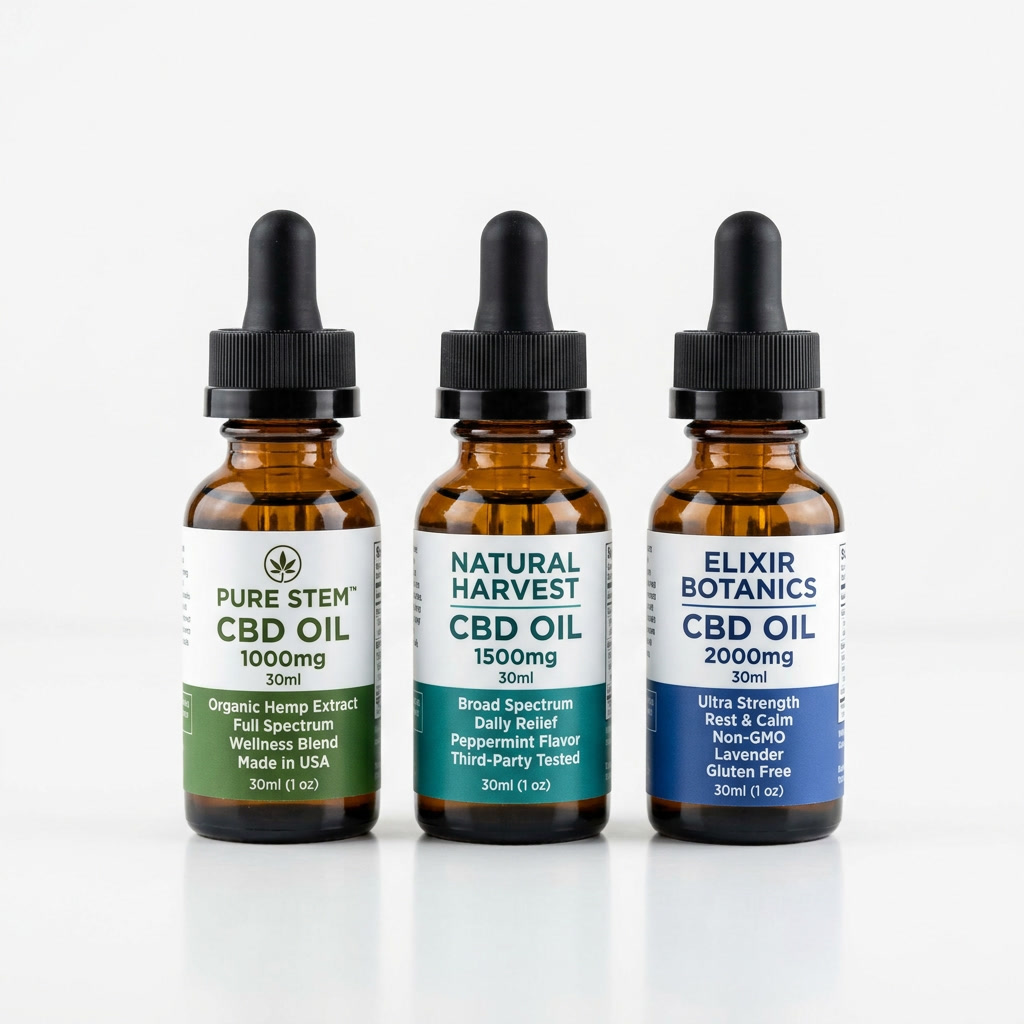
Products should clearly state CBD content in milligrams (mg). A 30ml bottle containing 300mg CBD provides 10mg per ml. For targeted skin concerns, look for products with meaningful concentrations — typically 100-500mg per container for facial products.
Warning sign: Products that list "hemp seed oil" or "cannabis sativa seed oil" without specifying CBD content. Hemp seed oil is nutritious but contains negligible CBD.
4. Examine the Full Ingredient List
CBD doesn't work in isolation. Look for complementary ingredients based on your concern:
For acne:
- Niacinamide (regulates sebum, reduces inflammation)
- Salicylic acid (exfoliates, unclogs pores)
- Tea tree oil (antimicrobial)
- Zinc (anti-inflammatory)
For eczema/dry skin:
- Ceramides (restore barrier function)
- Hyaluronic acid (hydration)
- Colloidal oatmeal (soothing)
- Shea butter (emollient)
For general skin health:
- Vitamin C (antioxidant, brightening)
- Vitamin E (antioxidant)
- Peptides (collagen support)
- Sunscreen (essential for anti-aging)
5. Consider Formulation Type
- Creams/lotions: Good for larger areas, moderate absorption
- Serums: Lightweight, higher concentration, better for facial application
- Balms/ointments: Occlusive, good for very dry or damaged skin
- Masks: Short-term treatment, often combined with other actives
6. Price Reality Check
Quality CBD extraction and testing cost money. Extremely cheap CBD products (think $15 for a 500mg serum) are almost certainly mislabeled or use poor-quality ingredients. Expect to pay $40-100+ for reputable CBD skincare products.
Potential Side Effects and Safety Considerations
CBD is generally well-tolerated, but it's not risk-free.
Topical CBD Side Effects
Topical application has minimal systemic absorption, so side effects are typically localized:
- Skin irritation or allergic reaction (redness, itching, rash)
- Contact dermatitis (especially if product contains fragrances or other allergens)
- Dryness or flaking (depending on formulation)
Patch test recommendation: Apply a small amount to inner forearm and wait 24 hours before using on face or larger areas.
Oral CBD Side Effects
Oral CBD has more potential for systemic effects:
- Dry mouth
- Drowsiness or fatigue
- Changes in appetite
- Diarrhea (at higher doses)
- Drug interactions: CBD can inhibit liver enzymes (CYP3A4, CYP2C19) that metabolize many medications, potentially increasing blood levels of drugs like blood thinners, certain antidepressants, and anti-seizure medications
Special Populations
Pregnancy and breastfeeding: Insufficient safety data. Most health authorities recommend avoiding CBD during pregnancy and lactation.
Children: Limited research in pediatric populations. Consult a pediatrician before using CBD products on children.
Existing skin conditions: If you have severe acne, eczema, or other dermatological conditions, consult a dermatologist before adding CBD products. CBD should complement — not replace — prescribed treatments without medical guidance.
Action Steps: What to Do Next
Ready to explore CBD for your skin? Here's a practical roadmap:
Step 1: Define Your Goal
Be specific. "Better skin" is vague. "Reduce inflammatory acne lesions" or "Decrease eczema itching and improve hydration" are actionable targets you can track.
Step 2: Start with Topicals
For most skin-specific concerns, begin with a quality topical product. Look for:
- Third-party tested
- Clear CBD concentration (100-500mg range)
- Complementary ingredients for your concern
- Fragrance-free if you have sensitive skin
Step 3: Patch Test
Apply a small amount to your inner forearm. Wait 24 hours. If no reaction occurs, proceed to facial or affected area application.
Step 4: Establish a Routine
Consistency matters. Apply your CBD product as directed (typically 1-2 times daily) for at least 4-6 weeks before evaluating results. Skin turnover takes approximately 28 days; meaningful changes take time.
Step 5: Track Your Progress
Take photos in consistent lighting. Note changes in:
- Lesion count (for acne)
- Itch intensity (for eczema)
- Hydration levels
- Overall skin texture and appearance
Step 6: Adjust or Consult
If you see no improvement after 6-8 weeks, the product may not be right for you. Consider:
- Trying a different formulation or concentration
- Adding complementary treatments (under dermatologist guidance)
- Consulting a dermatologist for persistent or severe conditions
Shop Related Products
Looking to explore CBD skincare? Cannetics offers a range of products formulated for different skin concerns:
- [CBD Topicals](/products/topicals) — Creams, balms, and serums for targeted application on acne, eczema, and localized irritation
- [CBD Oils](/products/oils) — Full-spectrum and broad-spectrum tinctures for systemic support and customizable dosing
- [CBD Capsules](/products/capsules) — Convenient, pre-measured oral CBD for daily wellness routines
All Cannetics products are third-party tested, with Certificates of Analysis available for every batch. We believe in transparency and quality — because your skin deserves nothing less.
Bottom Line: Honest Assessment of the Evidence
Let's be clear about where the science stands:
What we know:
- Your skin has its own endocannabinoid system that regulates sebum, inflammation, and barrier function
- CBD interacts with this system and demonstrates anti-inflammatory, antioxidant, and sebostatic properties in laboratory studies
- Early clinical trials show promise: a 2023 study found CBD-based topicals reduced acne lesions; a 2025 pilot study showed CBD/CBG ointments improved eczema symptoms
- Multiple 2025 reviews confirm CBD's mechanistic potential for various skin conditions
What we don't know yet:
- Optimal CBD concentrations for specific conditions
- How CBD compares to standard treatments (benzoyl peroxide, retinoids, topical steroids) in head-to-head trials
- Long-term safety and efficacy data (most studies are 8 weeks or shorter)
- Which patients are most likely to benefit (biomarkers, genetic factors, condition subtypes)
The honest verdict: CBD skincare is promising but preliminary. The science is real — not fabricated, not imaginary — but it's early-stage. Laboratory evidence is strong; clinical evidence is emerging but limited.
If you're struggling with acne, eczema, or other skin concerns, CBD topicals may be worth trying as part of a comprehensive skincare routine. Just go in with realistic expectations: this isn't a miracle cure, and it may not work for everyone. But for some people, it could be the missing piece that finally brings relief.
The research is evolving rapidly. The 2025 reviews we cited represent just the beginning of what will likely be a decade of expanded clinical investigation. By the end of the 2020s, we should have much clearer answers about CBD's place in dermatological care.
Until then: stay skeptical of exaggerated claims, demand transparency from brands, and remember that healthy skin is built on fundamentals first — gentle cleansing, consistent moisturizing, sun protection, and professional guidance for persistent problems. CBD can complement those foundations. It can't replace them.
Find Your Perfect CBD Product
Take our 2-minute quiz to get personalized recommendations based on your needs.
Take the Quiz →Disclaimer: This article is for informational purposes only and does not constitute medical advice. CBD products are not FDA-approved to treat, cure, or prevent any disease. Always consult with a qualified healthcare professional before starting any new supplement, especially if you have a medical condition or take medications.