CBD for Rosacea: What the 2025–2026 Research Actually Says
You know the feeling. You're mid-conversation, someone makes you laugh, and suddenly your cheeks flush hot and red. Or you step out of a warm shower and catch your reflection — a blotchy, burning face staring back. For the estimated millions of people living with rosacea, this isn't a one-off embarrassment. It's a chronic, unpredictable cycle of redness, flushing, bumps, and visible blood vessels that can make your skin feel like it has a mind of its own. Triggers pile up fast: spicy food, alcohol, heat, stress, even the wrong moisturizer. And the frustrating part? Many standard treatments take weeks to work, and some come with irritation of their own.
That's why so many people are turning to the skincare aisle for something different — and CBD has become one of the buzziest ingredients in the redness conversation. If you're new to the idea, our guide to CBD skincare and acne is a good place to start understanding how CBD fits into a routine for reactive skin. Cannabidiol, the non-psychoactive compound from hemp, has built a reputation as a calming, anti-inflammatory ingredient. But does the science back it up for a condition as complex as rosacea? In this guide, we'll break down what rosacea actually is, how CBD interacts with your skin's own endocannabinoid system, what the 2025–2026 research really shows, and how to choose and use a CBD topical safely. We'll be honest about the limits too — because you deserve real answers, not hype.
What Rosacea Actually Is
Rosacea is a chronic inflammatory skin condition that primarily affects the central face — the cheeks, nose, chin, and forehead. It's not just "sensitive skin." It's a distinct medical condition with several recognized subtypes, and it can look different from person to person.
The most common signs include persistent facial redness, flushing that comes and goes, small red bumps or pustules that can resemble acne, and visible, dilated blood vessels (telangiectasia). Some people also experience a burning or stinging sensation, dry or rough patches, and in more advanced cases, thickening of the skin around the nose.
What makes rosacea tricky is that it's driven by multiple overlapping factors. Researchers point to a combination of genetics, an overactive immune and inflammatory response, abnormal blood vessel reactivity, and a disrupted skin barrier. Certain triggers — heat, UV exposure, spicy foods, alcohol, stress, and even some skincare ingredients — can set off a flare by dilating blood vessels and ramping up inflammation.
Because the root causes are so varied, there's no single "cure." Management is about calming inflammation, protecting the skin barrier, and avoiding triggers. That's exactly the territory where CBD's anti-inflammatory and soothing properties have caught researchers' attention.
How CBD Interacts With Your Skin
To understand why CBD might help, you need to know about the endocannabinoid system (ECS) — a signaling network that helps regulate a huge range of bodily functions, including inflammation, pain, and immune response. The ECS was first described in the early 1990s, and we now know it's not just in the brain. Your skin has its own endocannabinoid system, complete with receptors and enzymes that help keep skin cells in balance.
CBD doesn't bind strongly to the classic CB1 and CB2 receptors the way THC does. Instead, it works through a broader set of pathways. It's thought to influence the ECS indirectly, and it interacts with other receptors and enzymes involved in inflammation and pain signaling.
One of the most relevant for rosacea is the TRPV1 receptor — sometimes called the "vanilloid" or "heat" receptor. TRPV1 is activated by heat, capsaicin, and certain inflammatory signals, and it plays a role in the flushing and burning sensations that define rosacea flares. CBD is known to interact with TRPV1, which is one reason researchers are interested in it for redness and sensitivity.
The takeaway: CBD's value for skin isn't one single mechanism. It's a multi-target ingredient that touches inflammation, barrier function, and sensory signaling all at once.
What the 2025–2026 Research Says
Here's the honest part: research on CBD specifically for rosacea is still in its early stages. There are no large, long-term human clinical trials proving CBD cures or treats rosacea. But the evidence base is growing, and some of the most recent studies are directly relevant.
The most notable development came in 2025, when a research team published a paper in BMB Reports titled "Cannabidiol as a therapeutic agent for rosacea through simultaneous inhibition of multiple inflammatory pathways." The study explored how CBD could act on several inflammatory pathways at once — a promising angle given that rosacea involves multiple overlapping drivers. It's an important step, but it's important to note this is mechanistic and experimental work, not a clinical trial in patients.
That same team has been active in the dermatology space. In 2024, they published work in Archives of Dermatological Research on CBD's potential for acne and acne scarring, examining the molecular pathways behind sebum production and inflammation. Since rosacea and acne can look similar and share some inflammatory mechanisms, this research is relevant context — though acne and rosacea are distinct conditions.
Beyond rosacea specifically, a wave of recent studies supports CBD's general anti-inflammatory and skin-protective effects. A 2025 study in Biomolecules found that CBD helped mitigate pollution-induced inflammatory, oxidative, and barrier damage in ex vivo human skin. A 2026 paper in the Journal of Investigative Dermatology examined how CBD attenuates T-helper-2 inflammation through JAK/STAT signaling and CB2 receptor modulation in atopic dermatitis. And a 2026 study in Nutrients showed a CBD-dominant hemp extract helped modulate the NLRP3 inflammasome and JAK1/STAT6 signaling in a mouse model of atopic dermatitis.
What ties these together is a consistent theme: CBD appears to dampen inflammatory signaling in skin and support barrier health. That's mechanistically encouraging for a condition like rosacea, but it's not the same as proof it works in humans with rosacea.
The Anti-Inflammatory Case for CBD
Inflammation is the engine of rosacea, and it's where CBD's evidence is strongest. Across multiple recent studies, CBD has been shown to reduce the production of pro-inflammatory molecules and calm overactive immune responses in skin.
The 2026 Journal of Investigative Dermatology work is a good example. The researchers looked at how CBD could attenuate T-helper-2 inflammation — a type of immune response involved in several inflammatory skin conditions — by modulating JAK/STAT signaling and the CB2 receptor. The CB2 receptor is particularly interesting because it's heavily expressed in skin and is associated with anti-inflammatory effects.
Similarly, the 2026 Nutrients study found that a CBD-dominant hemp extract helped regulate the NLRP3 inflammasome, a protein complex that drives inflammation, in a mouse model of dermatitis. Inflammasomes are implicated in a range of inflammatory skin diseases, so this is a meaningful mechanistic finding.
For rosacea specifically, the 2025 BMB Reports paper is the most direct evidence. The authors proposed that CBD's ability to inhibit multiple inflammatory pathways simultaneously could make it a useful therapeutic agent for rosacea. It's a hypothesis backed by laboratory evidence — promising, but still a hypothesis.
CBD and the TRPV1 "Heat" Receptor
If you've ever felt your face burn during a rosacea flare, you've experienced the TRPV1 receptor in action. TRPV1 is a sensor that responds to heat, capsaicin, and inflammatory signals, and it's heavily involved in the flushing and burning sensations of rosacea.
CBD's interaction with TRPV1 is one of the more intriguing angles for redness-prone skin. By influencing this receptor, CBD may help modulate the sensory signaling that leads to that uncomfortable heat and flushing. It's part of why CBD is often described as "cooling" or "calming" for sensitive skin.
That said, the relationship is nuanced. TRPV1 is a complex receptor, and CBD's effects on it can depend on dose and context. This is an area where more human research is needed, but the mechanistic interest is real and it's a big reason CBD topicals are marketed toward redness and sensitivity.
The Skin Barrier Connection
Rosacea is often accompanied by a compromised skin barrier — the outer layer that keeps moisture in and irritants out. When the barrier is weak, skin becomes more reactive, more prone to irritation, and more easily triggered.
Recent research suggests CBD may help here too. The 2025 Biomolecules study found that CBD helped mitigate barrier damage in ex vivo human skin exposed to pollution. By supporting barrier integrity and reducing oxidative stress, CBD could help skin become more resilient and less reactive over time.
This matters for rosacea because a healthier barrier means fewer triggers get through and less inflammation gets started. It's a supporting role, but an important one — and it's one reason CBD is often paired with other barrier-supporting ingredients like ceramides and niacinamide in skincare formulations.
How to Use CBD Topicals for Rosacea
If you're considering a CBD topical for rosacea, how you use it matters as much as what you buy. Here's a practical, step-by-step approach.
Start with a patch test. Apply a small amount to a discreet area, like behind your ear or on your inner forearm, and wait 24 to 48 hours. Rosacea-prone skin is reactive, so you want to catch any irritation before it reaches your face.
Introduce it slowly. Use the product once a day, ideally in the evening, for the first week or two. If your skin tolerates it well, you can gradually increase to twice daily. Don't layer it with other active ingredients like retinoids or strong acids at first — give your skin time to adjust.
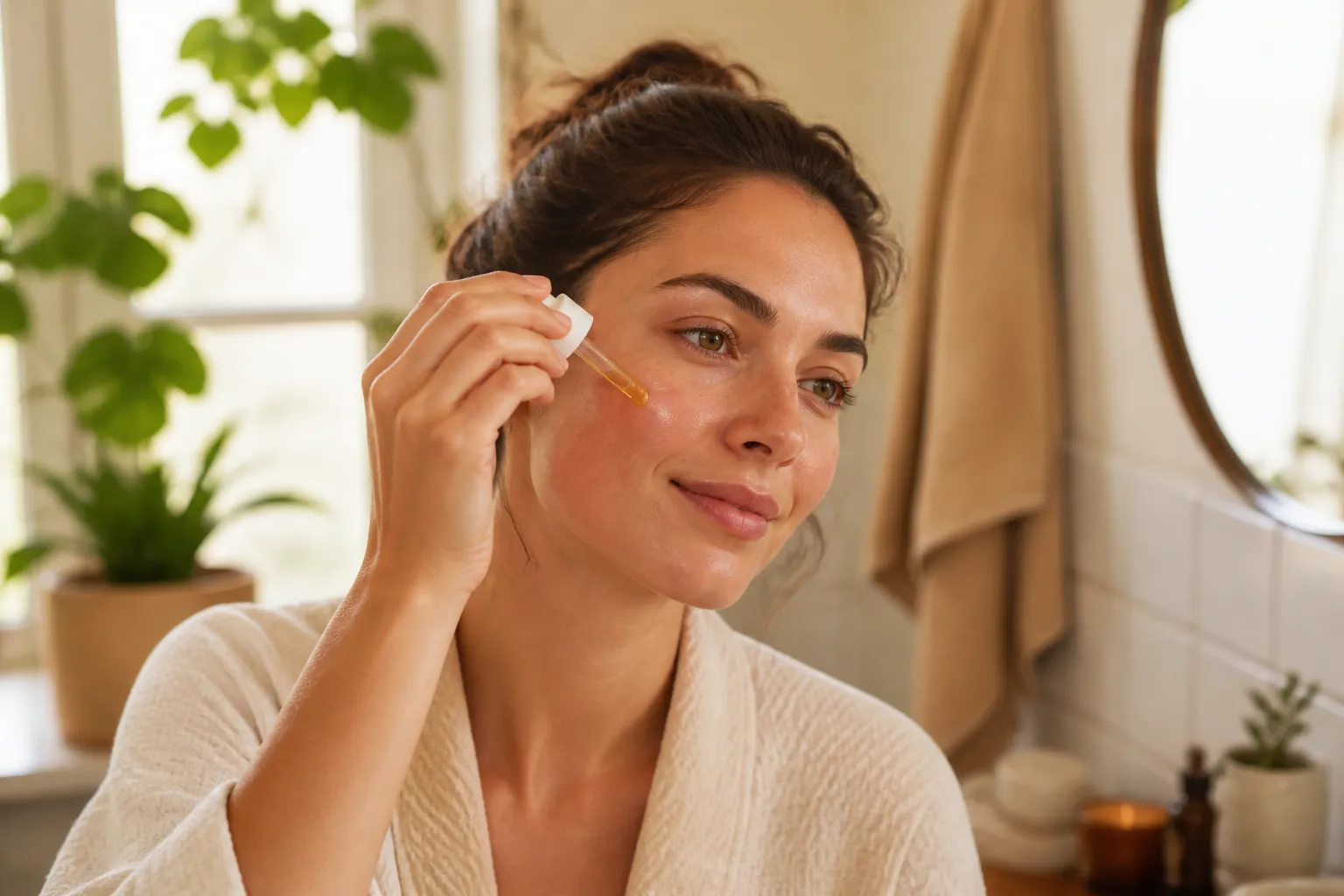
Apply to clean, dry skin. CBD topicals work best on a freshly cleansed face. Gently pat the product in rather than rubbing, since friction can trigger flushing in sensitive skin.
Be patient and consistent. Topical skincare doesn't work overnight. Give a product a fair trial of at least four to six weeks before judging whether it's helping. Track your flares and note any changes in redness, burning, or overall skin comfort.
Choosing the Right CBD Product
Not all CBD topicals are created equal, and for reactive skin, the formulation matters as much as the CBD itself. Here's what to look for.
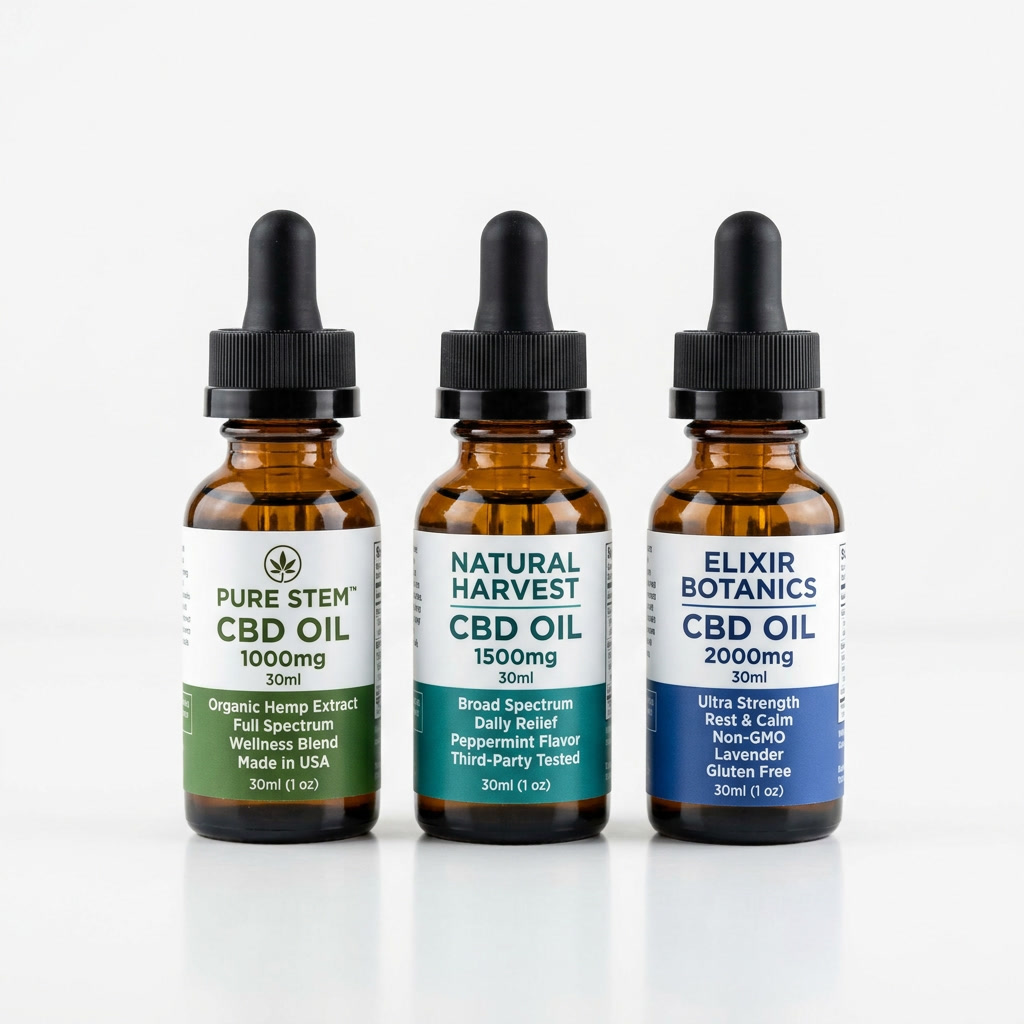
Check the CBD type. Full-spectrum products contain a range of hemp compounds, while isolates contain only CBD. Some people find full-spectrum more effective due to the "entourage effect," but isolates can be a better choice if you want to minimize other plant compounds. Our CBD-101 guide on isolate vs. full-spectrum breaks down the difference in detail.
Look at the carrier ingredients. For rosacea, you want a gentle, non-comedogenic base. Avoid products heavy in essential oils, fragrance, or alcohol, which can trigger flares. Look for soothing additions like aloe, ceramides, niacinamide, or squalane.
Verify third-party testing. A reputable brand will have independent lab results confirming the CBD content and checking for contaminants like heavy metals and pesticides. If a brand won't show you a certificate of analysis, that's a red flag.
Consider the format. Creams and lotions are easy to spread over larger areas, while serums and balms can be more concentrated. For rosacea, a lightweight, non-greasy formula is usually more comfortable than a heavy balm.
Safety and Side Effects
CBD is generally well-tolerated, and topical use is considered low-risk for most people. But "generally well-tolerated" isn't the same as "no one reacts." Rosacea-prone skin is sensitive, and any new product carries some risk of irritation.
The most common issue is contact irritation or a mild allergic reaction to an ingredient in the formulation — which is why patch testing is so important. Some people also find that certain carrier oils or botanical extracts trigger flushing, even if the CBD itself is fine.
A 2026 randomized trial in Cannabis and Cannabinoid Research assessed the feasibility and tolerability of topical cannabis balms and found them generally well-tolerated, though the study focused on musculoskeletal symptoms rather than skin conditions. It's a useful data point on tolerability, but it's not rosacea-specific.
If you're pregnant, nursing, or taking medications that affect the liver, talk to your doctor before using CBD products. And if you have a rosacea diagnosis, it's always wise to run any new skincare product by your dermatologist — especially if you're using prescription treatments.
The Honest Limitations
Let's be direct: CBD is not a proven treatment for rosacea. The most exciting research is mechanistic and experimental, not clinical. There are no large, randomized, placebo-controlled trials showing CBD topicals reduce rosacea redness in humans. Anyone who tells you otherwise is overselling.
What the 2025–2026 research does show is that CBD has genuine anti-inflammatory and barrier-supporting properties in skin, and that it interacts with pathways relevant to rosacea — including TRPV1 and multiple inflammatory signaling cascades. That's a solid foundation for cautious optimism, not a cure.
It's also worth remembering that rosacea is complex and highly individual. What calms one person's skin might do nothing for another's. CBD is best viewed as one tool in a broader skincare and lifestyle approach — not a magic bullet.
Stress, Flares, and the Endocannabinoid System
Stress is one of the most commonly reported rosacea triggers, and it's where the endocannabinoid system gets especially interesting. When you're stressed, your body releases inflammatory signals that can dilate blood vessels and set off a flare.
The ECS plays a role in how your body responds to stress, and recent research has explored how cannabinoid receptor signaling modulates the stress response. A 2026 review in Progress in Neuro-Psychopharmacology & Biological Psychiatry examined cannabinoid receptor-mediated modulation of the gut-brain axis under chronic stress, highlighting neuroinflammatory mechanisms. While this work is focused on the brain and gut rather than skin, it underscores the broader connection between stress, inflammation, and the ECS.
For rosacea, this suggests a two-pronged approach: calming the skin topically with CBD, and managing stress systemically. If stress is a major trigger for you, combining a soothing topical with stress-management practices — and potentially exploring CBD for anxiety — may be worth considering.
A Simple Action Plan
Ready to try CBD for your rosacea-prone skin? Here's a straightforward plan to get started safely.
First, talk to your dermatologist. If you have a rosacea diagnosis, get their input before adding anything new to your routine. Second, choose a gentle, third-party-tested CBD topical with soothing, non-irritating ingredients. Third, patch test before you commit. Fourth, introduce it slowly — once daily, then build up. Fifth, give it four to six weeks and track your results. And finally, keep your expectations realistic: CBD is a supportive tool, not a cure.
The Bottom Line
Rosacea is a frustrating, chronic condition, and it's completely understandable to want relief. The growing body of 2025–2026 research on CBD's anti-inflammatory and barrier-supporting effects in skin is genuinely encouraging, and the direct mechanistic work on CBD and rosacea is a promising sign. But the honest truth is that CBD is not yet a proven rosacea treatment — it's a promising, well-tolerated option worth exploring as part of a broader skincare routine.
If you're curious, start with a high-quality, third-party-tested CBD topical designed for sensitive skin, patch test it, and introduce it slowly. Pair it with a gentle skincare routine and trigger management, and give it time. For many people, CBD's calming, anti-inflammatory profile makes it a worthwhile addition to the redness conversation. Browse our curated selection of CBD topicals and creams and CBD products for skin to find a product that fits your routine — and as always, check with your dermatologist before making changes to your skincare.
Find Your Perfect CBD Product
Take our 2-minute quiz to get personalized recommendations based on your needs.
Take the Quiz →Disclaimer: This article is for informational purposes only and does not constitute medical advice. CBD products are not FDA-approved to treat, cure, or prevent any disease. Always consult with a qualified healthcare professional before starting any new supplement, especially if you have a medical condition or take medications.