CBD Vaping and Lung Health: What the 2023-2026 Research Actually Shows

The pitch is almost irresistible. Vaping CBD hits faster than a capsule, avoids the first-pass liver metabolism that swallows so much of an edible dose, and lets you titrate effect breath by breath. For anyone who has waited two hours for a gummy to do something, a vaporizer looks like the obvious upgrade. And the marketing has followed: sleek pens, "clean" terpene blends, and a promise that because nothing is combusted, nothing is burned, and nothing is really at risk.
The research tells a different story. Between 2023 and 2026, toxicologists, pharmacologists and veterinary pathologists published work pointing in one direction: heating cannabinoids into an aerosol does not make them harmless. It makes them chemically different. The device changes the molecule, and the lung keeps the receipt.
A 2026 Study Found Progressive Lung Injury in Rats
The single most important piece of recent evidence comes from an August 2026 study in Veterinary World. Researchers in Thailand exposed thirty male Sprague-Dawley rats to purified CBD vapor in a whole-body inhalation chamber for 5 minutes a day, for either 15, 30, 60 or 90 consecutive days, loading roughly 100 mg of CBD isolate into an electronic vaporizer per session.
The systemic results looked reassuring: no deaths, no weight loss, no abnormal breathing, no histopathological damage to the liver, kidneys, gastrointestinal tract or brain, and most blood markers inside normal ranges.
Then they looked at the lungs, and the picture inverted.
Lung lesions appeared early and got worse with time:
- Day 15 → interstitial pneumonia and bronchus-associated lymphoid tissue hyperplasia detectable
- Day 30-60 → perivascular eosinophilic cuffing and pulmonary arterial smooth muscle hypertrophy increasing
- Day 60-90 → marked interstitial inflammation, dense eosinophilic perivascular infiltrates, hemorrhagic foci, advanced arterial remodeling
Two blinded veterinary pathologists scored the tissue independently and reached the same conclusion. As the authors put it:
> "Repeated whole-body inhalation of purified CBD vapor was associated with progressive, localized pulmonary inflammatory and vascular changes despite the absence of clinically meaningful systemic toxicity."
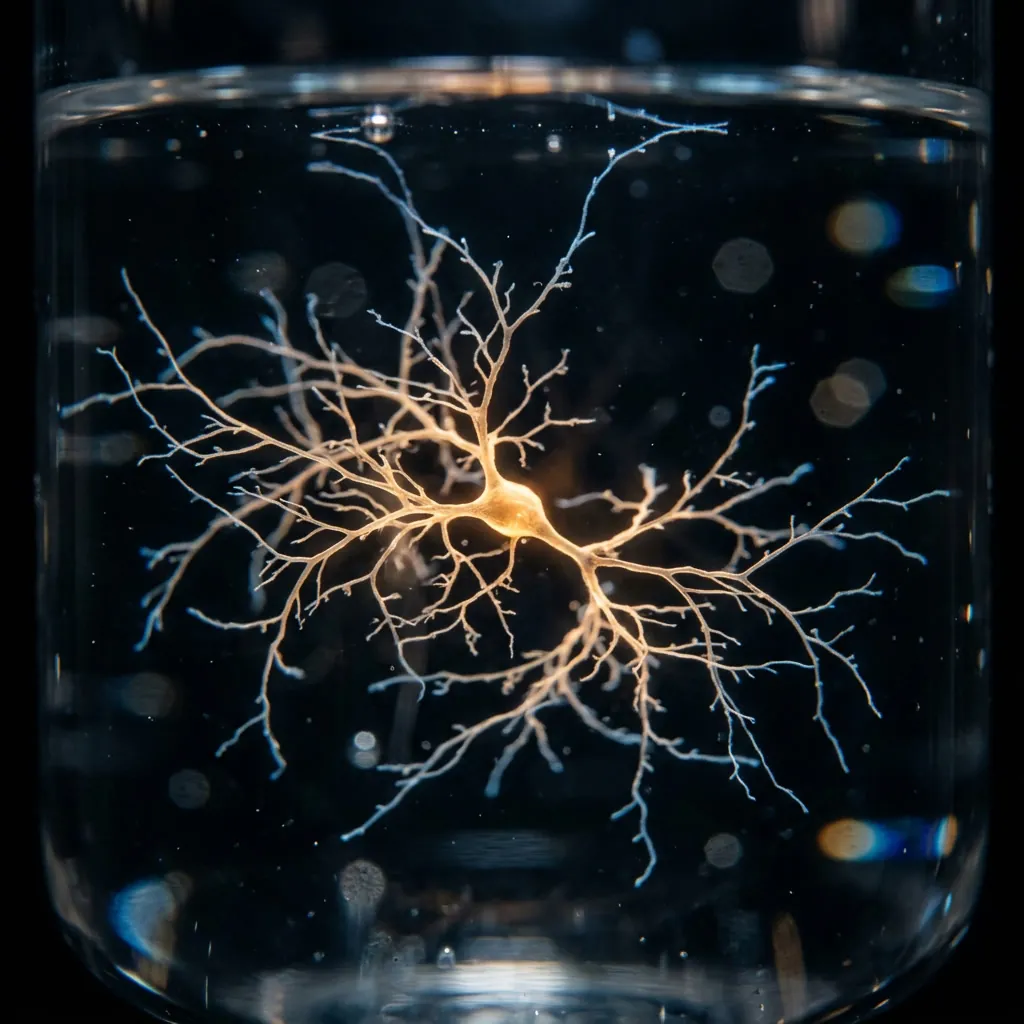
Read that twice, because the phrase "despite the absence of clinically meaningful systemic toxicity" is the trap. This was not a study that found a sick animal. It found an animal that looked and behaved fine while its pulmonary arteries were remodeling. The lungs absorbed the damage without broadcasting it.
Be precise about what this study is not. It is a rat study, not a human trial. Exposure was standardized whole-body chamber exposure of a purified isolate at a single daily dose, which does not mirror occasional puffs from a flavored distillate cartridge, and rats have different airway geometry, breathing rates and metabolism. The authors call for follow-up work with aerosol characterization, inhaled dosimetry, pulmonary function testing and clinically relevant formulations. But for the question of whether inhaling heated CBD is a problem, a 90-day dose-response study showing progressive vascular remodeling is about as direct an answer as this field has.
Even "CBD-Only" Vaping Delivers THC
Here is a detail that surprises most people who vape CBD specifically to avoid THC.
A randomized, placebo-controlled, double-blind crossover trial published in the International Journal of Legal Medicine in 2023 tested two commercially available cannabis products labeled CBD-rich and containing less than 1% THC. Products were vaporized by healthy adult volunteers and whole-blood cannabinoid levels were measured over time.
Peak THC concentrations and duration of detectability both tracked the product's THC content. After a single session, THC dropped below 1.5 µg/L within about 1.5 hours for most participants but was still detectable in some for up to 5 hours. Driving-related ability tests showed no significant difference from placebo — but the blood was not clean.
That matters practically, not theoretically. In jurisdictions with per-se THC blood limits, a product marketed as CBD-dominant can still produce a detectable THC concentration. If you chose CBD vapes to avoid impairment or a positive test, that reasoning does not survive contact with the pharmacokinetic data.
What Actually Happens in the Coil
The strongest evidence on vapor chemistry comes from the University of California, Davis, published in Chemical Research in Toxicology in December 2024.
The team vaped CBD, CBG, CBDA and two synthetic CBD analogues in propylene glycol and vegetable glycerin solvent at 50 mg/mL in a commercial fourth-generation device, then analyzed the aerosol by accurate mass spectrometry. Adding cannabinoids to the solvent significantly increased both total aerosol mass and carbonyl formation compared with the solvent alone. Roughly 3-6% of the cannabinoid mass emerged as carbonyls under the study conditions. Every cannabinoid tested formed hydroxyquinones during vaping, at up to about 1% mass conversion — with the exception of CBDA, which mostly decarboxylated into plain CBD.
Then the comparison turned unflattering for CBD specifically. CBD produced significantly higher concentrations of formaldehyde, acetaldehyde, acrolein, diacetyl and methylglyoxal than the other cannabinoids tested. CBG produced higher levels of acetone, methacrolein and methylglyoxal. The authors propose oxidation of the terpene moiety as a major driver of carbonyl formation. Notably, no conversion of CBD to THC was observed.
Formaldehyde, acetaldehyde and acrolein are not abstract concerns. They are recognized respiratory irritants and carcinogens. The study's conclusion is blunt:
> "Compared with other modalities of use for CBD and other cannabinoids, vaping has the potential to adversely impact human health by producing harmful products during the heated aerosolization process."
A 2025 review in Frontiers in Toxicology extended this to manufactured cannabis concentrates. Emissions from vaping concentrates contained isoprene, 3-methylcrotonaldehyde, 3-methyl-1-butene and 2-methyl-2-butene, and the authors flagged that some formulations have contained hazardous additives such as pine rosin and ketene precursors like cannabinoid acetates. Oxygen availability during heating drove much of the degradation chemistry. The review's core complaint is a gap: concentrates exploded into one of the fastest-growing U.S. cannabis market segments while research into their inhalation risks lagged behind.
Not All Vaping Is the Same — But CBD Was Worse Than Nicotine
A 2023 study in Thorax set out to answer a question the field had been dodging: is vaping a cannabinoid the same as vaping nicotine?
The Roswell Park team ran side-by-side mouse inhalation experiments plus in vitro cytotoxicity work on human neutrophils and small airway epithelial cells in an air-liquid interface system, measuring pulmonary inflammation, lung damage markers including myeloperoxidase and neutrophil elastase, epithelial and endothelial integrity, and oxidative stress in lung tissue.
The result ran opposite to what most people assume:
> "Vaping of CBD induces a potent inflammatory response and leads to more pathological changes associated with lung injury than vaping of nicotine."
CBD aerosol produced greater inflammatory change, more severe lung damage, higher oxidative stress and higher human cell toxicity than nicotine aerosol under the same conditions. That finding reframes a widespread assumption — that "it's just CBD" somehow means a gentler aerosol than a nicotine pod. In this model, the cannabinoid was the harsher of the two.
The EVALI Context: What It Taught Us and What It Didn't
No honest article on inhaled cannabinoids can skip EVALI — e-cigarette, or vaping, product use-associated lung injury — but it needs careful handling, because the popular memory of that outbreak is distorted in both directions.
A 2025 review in Pediatric Pulmonology summarized the evidence. EVALI's exact causes are still not completely understood, though the syndrome has been linked to THC products and vitamin E acetate. There is no specific biomarker; diagnosis proceeds largely by excluding other conditions, which is why eight reviewed studies described pediatric patients initially diagnosed with COVID-19 or community-acquired pneumonia before eventually being identified as EVALI cases.
After public health alerts and the removal of vitamin E acetate from vape liquids, case counts fell from their 2019 peak — but cases have not disappeared. The authors recommend continuing to search for diagnostic markers and to investigate vape toxicity to prevent another outbreak, particularly among adolescents and young adults.
What EVALI does not prove: that every cannabinoid aerosol causes acute lung injury. What it does prove: the inhalation route can deliver catastrophic pulmonary harm, that harm was often misdiagnosed as something else, and removing one adulterant measurably changed outcomes. A 2023 study in the Journal of Applied Toxicology reinforced the mechanism at the epithelial level, showing cannabinoid oil and vitamin E acetate additives adhere to and damage human airway epithelium.
Bioavailability: Why Vaping Feels Like It Works Better
There is a real reason vaping CBD is popular, and it is not marketing. It is pharmacokinetics.
A 2025 comparative pharmacokinetic study in Cannabis and Cannabinoid Research put novel sublingual, rectal and vaporizer cannabis products against approved comparators including Sativex and oil-based oromucosal products in twelve healthy volunteers in a randomized crossover design. The vaporizer delivered immediate systemic absorption and the highest maximal concentration of any product tested. Oral and oromucosal routes produced slower, more variable uptake.
That pharmacokinetic speed is why inhaled CBD is attractive — and why it should not be the default. A 2024 systematic review and meta-regression in the same journal confirmed what most dose-response confusion comes from: absorption varies enormously by route, formulation and individual. When a drug enters the bloodstream faster and more completely, exposure to both the intended compound and its thermal degradation products arrives at the same time, in the same breath.
If the delivery route is what you are weighing, our breakdown of CBD bioavailability by delivery method covers oral, sublingual, topical and inhaled routes in detail.
The Dosing Problem Nobody Talks About
Inhaled cannabinoids have a dosing problem that no label can fix.
A 2026 review in Expert Review of Clinical Pharmacology examined vaping THC in liquid form and concluded that pharmacokinetics, pharmacodynamics and regulatory implications are all under-characterized. The core issue: inhaled dose is not what the package says. It is what the coil actually vaporizes, minus what the user holds and exhales, multiplied by an absorption fraction that depends on puff depth and lung surface area.
The variables stack up fast:
- Device temperature and coil age
- Solvent ratio and terpene content
- Cartridge age and oxidation history
- Puff duration, depth and hold time
- Session frequency across a day
Every one changes the dose actually delivered — sometimes by a wide margin. That is why two people can use "the same" 10 mg cartridge and get meaningfully different exposure, and why the 2026 Veterinary World authors specified aerosol characterization and inhaled dosimetry as prerequisites for better research. Until dosing can be described accurately, safety claims about inhaled CBD rest on shaky ground.
What the Trends and Marketing Say
The demand side of this story does not point toward caution.
A 2025 analysis in the American Journal of Preventive Medicine tracked National Youth Tobacco Survey data across 2021, 2022 and 2023 — 69,899 U.S. middle and high school students — and found significant increases in adolescent vaping of delta-9 THC, CBD and synthetic cannabinoids. In 2023, an estimated 2.9% of U.S. adolescents — roughly 999,000 young people — were currently vaping CBD.
An earlier 2023 cross-sectional study in JAMA Network Open, covering 28,291 students from the 2022 survey, found that 21.3% of current e-cigarette users reported past-month vaping of CBD, with another 6.3% unsure.
Meanwhile a 2026 content analysis in Substance Use & Misuse examined how derived intoxicating cannabis vape products are marketed online, and a companion 2026 study catalogued intoxicating cannabis brands in U.S. vape shops. Both point to the same governance gap: products with real pulmonary risk profiles are sold through channels where labeling, potency disclosure and age verification are uneven at best. A 2024 study in Frontiers in Pharmacology found ongoing problems with CBD labeling accuracy and contamination and recommended improved regulatory oversight.
What the Oral Alternatives Look Like
For readers whose goal is symptom relief rather than fast onset, oral and topical routes sidestep the entire thermal-degradation problem.
- Capsules and softgels → standardized dosing, no inhalation exposure
- Oils and tinctures → flexible sublingual titration
- Gummies and edibles → convenient, longer onset, first-pass metabolism
- Topicals and creams → local application, minimal systemic absorption
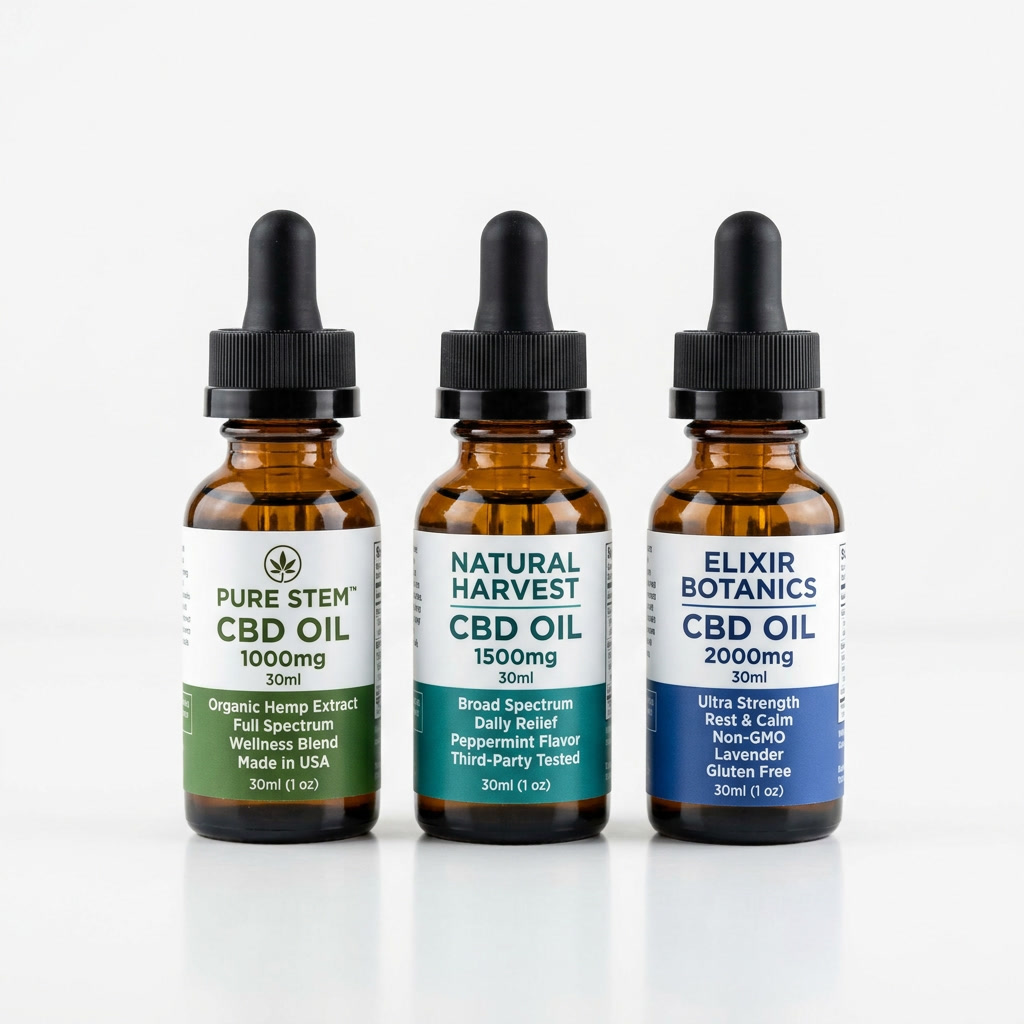
If you are exploring non-inhaled options, browse our CBD capsules and softgels, CBD oils and tinctures, or CBD gummies and edibles. Each avoids exposing lung tissue to carbonyls, hydroxyquinones or ultrafine particulate.
Anyone taking prescription medication should also read our guide to CBD drug interactions, because route of administration changes peak concentration and therefore interaction risk.
Action Steps If You Currently Vape CBD
If you vape CBD and want a concrete plan rather than a scare headline, start here:
1. Be honest about frequency. Daily, long-session use is the exposure pattern that produced progressive remodeling in the 2026 animal work. Occasional use is a different risk profile.
2. Stop vaping entirely if you have asthma, COPD, interstitial lung disease or pulmonary hypertension. Inhaled irritants and vascular remodeling are not a category you want to add to.
3. Never use unregulated cartridges, homemade dilutions, or products with added vitamin E acetate, pine rosin or untested "thickening" agents. This is the EVALI-adjacent risk you can eliminate today.
4. Lower device temperature and shorten sessions. Carbonyl and hydroxyquinone formation is a heating-chemistry problem, and less heat means less conversion.
5. Consider switching to oral or sublingual routes for daily use, reserving inhalation, if at all, for acute episodes. The pharmacokinetic advantage of vaping is real; it is just not free.
6. Talk to your clinician before switching routes if you vape for a diagnosed symptom.
7. Track onset, duration, dose per session and any respiratory symptoms — cough, chest tightness, reduced exercise tolerance.
8. Never vape low-THC "CBD" products before driving in a per-se THC jurisdiction. Detectable blood THC for hours is documented.
The Bottom Line
The 2023-2026 evidence does not support the idea that vaping CBD is a benign delivery method. It supports something more uncomfortable: heating CBD produces a chemically different aerosol than the CBD you started with, and repeated exposure to that aerosol remodeled pulmonary arteries in a controlled 90-day animal study while leaving the animals outwardly healthy. Side-by-side work found CBD vapor more inflammatory than nicotine vapor. Chemistry work found 3-6% of vaped cannabinoid mass converting to carbonyls including formaldehyde, acetaldehyde and acrolein.
None of this means an occasional puff will injure you, and none of it is human outcome data. The honest summary: inhaled CBD carries a plausible pulmonary risk the industry has not characterized, on a route whose convenience has outpaced its evidence.
If CBD helps you and you want the lowest-risk way to use it, oral and topical routes avoid the heated-aerosol question entirely. If you vape, vape less, vape cooler, avoid black-market cartridges, and treat persistent respiratory symptoms as a reason to stop and get evaluated — not something to push through. For a broader look at the current safety literature, our 2026 CBD safety overview covers the FDA, EFSA and the latest clinical findings.
Find Your Perfect CBD Product
Take our 2-minute quiz to get personalized recommendations based on your needs.
Take the Quiz →Disclaimer: This article is for informational purposes only and does not constitute medical advice. CBD products are not FDA-approved to treat, cure, or prevent any disease. Always consult with a qualified healthcare professional before starting any new supplement, especially if you have a medical condition or take medications.