CBD for PTSD: What the Research Says About Cannabinoids for Trauma Recovery
Post-traumatic stress disorder (PTSD) affects millions of people worldwide. From combat veterans to survivors of accidents, assault, or natural disasters, PTSD can cast a long shadow over daily life. The condition can strain relationships, disrupt sleep, trigger overwhelming anxiety, and make everyday situations feel threatening. In recent years, cannabidiol (CBD) has emerged as a potential therapeutic option for trauma recovery. But what does the actual science say?
This article dives deep into the current research on CBD and PTSD. We'll examine clinical trials, preclinical studies, and meta-analyses published through 2026. Most importantly, we'll be honest about what we know, what we don't know, and where the evidence falls short. No hype. No false promises. Just the facts.
Understanding PTSD: The Neuroscience of Trauma
PTSD isn't simply remembering something traumatic. It's a complex psychiatric condition where the brain's fear-processing systems become stuck in overdrive. When someone experiences trauma, the amygdala—the brain's alarm system—becomes hyperactive and oversensitive. Meanwhile, the prefrontal cortex, which normally helps regulate emotional responses and put the brakes on fear, becomes less effective at calming that alarm.
This creates a vicious cycle. Neutral stimuli that resemble aspects of the original trauma can trigger intense fear responses. The brain struggles to learn that these cues are no longer dangerous, a process called fear extinction. Over time, this dysregulation affects multiple brain regions and neurotransmitter systems, creating the complex symptom profile we recognize as PTSD.
PTSD symptoms typically fall into four categories: intrusive memories (flashbacks, nightmares) For a closer look at that specific symptom, see our guide to CBD and trauma-related nightmares., avoidance behaviors (staying away from trauma reminders), negative changes in thinking and mood (guilt, detachment, hopelessness), and hyperarousal (being easily startled, difficulty sleeping, irritability). Each person's experience is unique, which is one reason why treatment responses vary so widely.
Why Traditional Treatments Don't Always Work
First-line PTSD treatments include trauma-focused psychotherapies like prolonged exposure therapy, cognitive processing therapy, and EMDR. SSRIs such as sertraline and paroxetine are the only FDA-approved medications for PTSD. These treatments help many people, but a significant portion don't achieve full remission.
Some patients can't tolerate the side effects of SSRIs, which can include sexual dysfunction, weight gain, emotional numbing, and sleep disturbances. Others find that therapy is too overwhelming or that they drop out before completing the full course. Still others try multiple approaches without finding meaningful relief. This treatment gap has driven interest in alternative and complementary approaches, including cannabinoids.
The Endocannabinoid System and Stress Response
Your body has its own cannabinoid system called the endocannabinoid system (ECS). This network of receptors, signaling molecules, and enzymes helps regulate stress responses, mood, sleep, appetite, pain perception, and memory consolidation. The two main cannabinoid receptors are CB1 (primarily in the brain) and CB2 (primarily in the immune system).
The ECS becomes dysregulated in PTSD. Research shows altered cannabinoid receptor availability and changes in endocannabinoid levels in people with PTSD. This dysregulation may contribute to impaired fear extinction, heightened startle responses, and the persistent nature of traumatic memories. In theory, modulating the ECS could help restore balance to these disrupted systems.
How CBD Interacts With the Endocannabinoid System
Unlike THC, CBD doesn't directly bind strongly to cannabinoid receptors. Instead, it modulates the system indirectly through multiple mechanisms. CBD influences anandamide levels (an endogenous cannabinoid), interacts with serotonin receptors, affects TRPV1 channels involved in stress responses, and modulates various other pathways involved in fear extinction and stress recovery.
This multi-target activity is both promising and complicated. On one hand, CBD might address multiple aspects of PTSD simultaneously. On the other hand, it makes it harder to predict exactly how CBD will affect any given individual. The complexity also means that dosing, timing, and individual biology all matter significantly.
What Makes CBD Different From THC
THC produces psychoactive effects by directly activating CB1 receptors. This can sometimes worsen anxiety, paranoia, or psychotic symptoms, particularly at higher doses. For people with PTSD, THC's effects are a double-edged sword: some report relief from nightmares and hyperarousal, while others experience increased anxiety or cognitive impairment.
CBD is non-intoxicating. It doesn't produce a "high" and appears to have a better safety profile for anxiety-related conditions. CBD may even counteract some of THC's anxiety-provoking effects. This distinction matters greatly for PTSD treatment considerations, particularly for people who need to function clearly during the day or who have histories of substance use disorders.
The Promise and Limitations of CBD for Anxiety
CBD has shown promise for generalized anxiety disorder, social anxiety disorder, and panic disorder in both preclinical and some clinical studies. This raised hopes that it might help PTSD-related anxiety as well. However, PTSD is distinct from other anxiety disorders in important ways. The trauma-specific nature of PTSD symptoms, the role of memory reconsolidation, and the complex neurobiology mean that findings from other anxiety conditions don't automatically translate.
Early Preclinical Research on CBD and Fear Extinction
Animal studies provided the initial excitement about CBD for PTSD. Research showed that CBD could enhance fear extinction learning—the process by which the brain learns that a previously threatening stimulus is now safe. This is particularly relevant for PTSD, where impaired fear extinction is a core feature. These preclinical findings generated significant interest and helped justify human trials.
The 2026 Son Study: CBD's Effects on Stress Recovery
A landmark preclinical study published in Communications Biology in 2026 examined CBD's effects on stress recovery in mice (PMID 42050066). This study by Son and colleagues went beyond simple behavioral observations to examine molecular mechanisms.
Key Findings: Researchers found that CBD reduced spontaneous recovery of fear responses in mice. Spontaneous recovery is when extinguished fear responses return over time—a phenomenon highly relevant to PTSD relapse. Interestingly, the behavioral effects were greater in males than females, suggesting potential sex differences in CBD response.
Gene Expression Changes: The study went deeper than behavior alone. Researchers analyzed gene expression in the medial prefrontal cortex, a brain region critical for fear regulation and often implicated in PTSD. CBD treatment shifted gene expression patterns in stressed mice toward levels seen in non-stressed controls. This suggests CBD may help normalize stress-related molecular changes at a fundamental level.
Cross-Species Comparisons: The researchers compared their mouse findings with human PTSD transcriptomic datasets. They found conserved gene alterations across species, strengthening the translational relevance of their findings. This cross-species validation is important because it suggests the mechanisms observed in mice may actually apply to humans.
What This Means for Human Treatment: While promising, this was a preclinical study. Mouse models don't perfectly capture human PTSD, which involves complex psychological, social, and cultural factors beyond what can be modeled in animals. The findings suggest mechanisms worth investigating in human trials, not proven treatments. The sex differences observed also raise questions about whether CBD might work differently in men versus women with PTSD.
The Wilson Meta-Analysis: A Critical Reality Check
In 2026, Wilson and colleagues published a major meta-analysis in The Lancet Psychiatry (PMID 41856154). This study examined 54 randomized controlled trials with 2,477 participants across various psychiatric conditions including PTSD. This is the most comprehensive analysis of cannabinoid trials for psychiatric conditions to date.
The Main Finding: The researchers found NO significant effects of cannabinoids on PTSD outcomes. This finding contradicts much of the optimism surrounding CBD for PTSD and must be taken seriously. When you pool data from dozens of trials, any true effect should emerge. The absence of a significant effect suggests that either cannabinoids don't work for PTSD, or any effect is too small to be clinically meaningful.
What the Authors Concluded: The authors stated that "routine use of cannabinoids for the treatment of mental disorders and SUDs is currently rarely justified." This is a strong statement from a prestigious journal. The authors weren't saying cannabinoids never work for anything—they specifically noted benefits for cannabis use disorder, insomnia, and Tourette's syndrome. But for PTSD and most other mental disorders, the evidence simply wasn't there.
Adverse Events: The meta-analysis found higher odds of adverse events with cannabinoids. The number needed to harm was 7, meaning one additional adverse event for every 7 people treated. Common adverse events included dizziness, sedation, dry mouth, and gastrointestinal symptoms. Importantly, the study did not find increased serious adverse events. This suggests cannabinoids are relatively safe, even if not clearly effective for PTSD.
Why This Meta-Analysis Matters: This analysis represents the highest level of evidence available. Individual trials can be misleading due to small sample sizes, methodological flaws, or random variation. Meta-analyses pool data to get a clearer picture. The Wilson study's negative findings for PTSD must weigh heavily in any treatment decision.
The Gournay RCT: CBD and Trauma Script Reactivity
A 2024 randomized controlled trial examined whether CBD could reduce anxiety responses to trauma reminders (PMID 38959155). This study by Gournay and colleagues was specifically designed to test CBD's effects on trauma-relevant emotional arousal.
Study Design and Participants: The Gournay study included 42 trauma-exposed individuals. Participants received 300mg of oral CBD daily for one week—a substantial dose based on previous anxiety research. This was a randomized, placebo-controlled design, the gold standard for clinical trials.
What the Researchers Measured: The team assessed anxiety, distress, and heart rate responses to trauma-related scripts. These are standardized, validated methods for measuring trauma reactivity in laboratory settings. Participants listened to personalized scripts describing their traumatic experiences while researchers measured their physiological and psychological responses.
The Results Were Negative: CBD did NOT significantly reduce anxiety, distress, or heart rate compared to placebo. Participants receiving CBD responded to trauma scripts just as strongly as those receiving placebo. This was a disappointing but important finding.
Authors' Conclusions: The authors noted that CBD "may not effectively reduce trauma-relevant emotional arousal." They also acknowledged the study's limitations, including the small sample size and short treatment duration. However, the negative finding is still meaningful. If CBD doesn't reduce acute trauma reactivity at 300mg daily, it's unclear what dose or duration would be needed.
Why Negative Results Matter: Science advances through honest reporting of all results, not just positive ones. Negative findings like the Gournay study tell us something important about CBD's limitations. They help prevent false hope and guide resources toward more promising approaches. Unfortunately, negative results often get less attention than positive ones, creating a distorted picture in the public mind.
The Scarante Study: CBD as Add-On Therapy
A 2026 preclinical study explored whether CBD could enhance standard antidepressant treatment (PMID 41791701). This research by Scarante and colleagues asked a different question: not whether CBD works alone, but whether it might optimize existing treatments.
CBD Worked Faster Than Escitalopram: In chronically stressed male mice, CBD (30 mg/kg) produced behavioral improvements within 7 days. Escitalopram, a commonly prescribed SSRI, took 14 days to show similar effects. This faster onset could be clinically significant if it translates to humans, as one of the frustrations with SSRIs is their delayed therapeutic effect.
Low-Dose CBD Potentiated SSRI Effects: A lower dose of CBD (7.5 mg/kg) enhanced escitalopram's anti-stress effects when given together. This suggests CBD might work well in combination with existing treatments rather than as a replacement. The combination produced effects greater than either treatment alone.
The Mechanism: The study identified a specific mechanism involving NAPE-PLD enzyme activity in prefrontal cortex parvalbumin interneurons. NAPE-PLD is involved in producing endocannabinoids. By influencing this pathway, CBD may enhance the brain's own stress-regulation systems in ways that complement SSRI action.
Implications for Combination Therapy: These findings suggest CBD might optimize SSRI antidepressants rather than replace them. This is a more nuanced view of CBD's potential role. For patients who partially respond to SSRIs but don't achieve full remission, adding CBD might provide additional benefit. However, this remains speculative until tested in human trials.
The Raminelli Meta-Analysis: CBD vs. THC for PTSD
A 2025 meta-analysis examined 21 randomized controlled trials, including 7 PTSD-specific trials (PMID 40956670). This research by Raminelli and colleagues specifically compared pure CBD, pure THC, and combination products.
Pure CBD Showed a Nonsignificant Trend: Pure CBD showed a trend toward benefit (standardized mean difference -0.40) but did not reach statistical significance. This suggests possible effects that larger trials might confirm, but it's not evidence of efficacy on its own. A trend is not a finding—it's a hint that deserves further investigation.
Pure THC Showed Moderate Significant Effects: Interestingly, pure THC showed moderate significant effects for PTSD (SMD -0.65), particularly for reducing nightmares. This finding is surprising given THC's reputation for potentially worsening anxiety. It suggests that THC might have specific benefits for certain PTSD symptoms, particularly sleep disturbance and nightmares.
CBD+THC Combinations Were Not Significant: Combination products did not show significant benefits in this analysis. This challenges the popular "entourage effect" hypothesis for PTSD, which suggests that whole-plant cannabis products work better than isolated compounds. The data simply didn't support this claim for PTSD outcomes.
Evidence Quality Was Low: The authors emphasized that overall evidence quality was low. Many trials had small sample sizes, short durations, and methodological limitations. Larger, better-designed trials are needed before any firm conclusions can be drawn. Low-quality evidence means we should be cautious about drawing strong conclusions in either direction.
The Straud Trial: CBD Combined With Exposure Therapy
A 2024 pilot RCT design paper outlined a study combining CBD with prolonged exposure therapy (PMID 38404650). This research by Straud and colleagues represents an innovative approach: using CBD not as a standalone treatment, but as an enhancer of psychotherapy.
Study Design Details: The trial planned to enroll 24 participants with PTSD. They would receive Epidiolex (pharmaceutical-grade CBD) 250mg twice daily combined with massed prolonged exposure therapy over 2 weeks. Massed therapy means intensive daily sessions rather than weekly sessions, which may enhance extinction learning.
Primary Outcome Measure: The primary outcome was PCL-5 PTSD severity scores. This is a validated, widely-used measure of PTSD symptom severity. Secondary outcomes likely included measures of anxiety, depression, sleep, and functioning.
The Rationale for Combination: The hypothesis is that CBD might enhance extinction learning during exposure therapy. Exposure therapy works by helping patients learn that trauma reminders are no longer dangerous. If CBD enhances fear extinction as preclinical studies suggest, it might make exposure therapy more effective or faster-acting.
Results Pending: This was a trial design paper describing the planned methodology. Results from this study would provide important clinical data on CBD's role in trauma-focused psychotherapy. The combination approach is theoretically promising but remains unproven until results are published.
What We Know: An Honest Summary
The evidence for CBD in PTSD is mixed at best. Preclinical studies from 2026 (Son et al., Scarante et al.) show promising mechanisms and potential benefits in animal models. These studies suggest CBD may influence stress-related gene expression, work faster than some antidepressants, and enhance extinction learning.
However, clinical evidence tells a more cautious story. The landmark 2026 Wilson meta-analysis in The Lancet Psychiatry found no significant effects of cannabinoids on PTSD outcomes across 54 trials. The 2024 Gournay RCT specifically tested CBD for trauma-related anxiety and found no benefit. The 2025 Raminelli meta-analysis found only a nonsignificant trend for pure CBD in PTSD.
The disconnect between preclinical promise and clinical disappointment is not unusual in psychiatry. Many compounds that work beautifully in animal models fail to show effects in humans. The complexity of human PTSD, with its psychological, social, and cultural dimensions, simply can't be fully captured in rodent models.
What We Don't Know
Significant knowledge gaps remain. We don't know optimal dosing for PTSD—studies have ranged from equivalent of 7.5 mg/kg in mice to 300mg daily in humans. We don't know which patients might respond—there may be subtypes of PTSD that respond better to cannabinoids. We don't know long-term effects, as most trials have been short-term.
We don't know the best timing—should CBD be taken acutely during trauma reminders, chronically for ongoing symptom management, or specifically in conjunction with therapy sessions? We don't know whether full-spectrum products work differently than isolates, as most clinical trials have used pure CBD while many consumers use whole-plant products.
We also don't know whether certain administration routes work better. Sublingual oils, capsules, edibles, and inhalation all have different pharmacokinetics. The ideal route for PTSD specifically hasn't been established.
Safety Profile and Drug Interactions
CBD is generally well-tolerated in clinical trials. Common side effects include fatigue, diarrhea, changes in appetite, and dry mouth. These are typically mild and manageable. However, CBD can interact with many medications through its effects on cytochrome P450 enzymes in the liver.
Important Drug Interactions: CBD can interact with medications metabolized by CYP450 enzymes, which includes many psychiatric medications. SSRIs, benzodiazepines, some antipsychotics, and certain mood stabilizers may have altered blood levels when taken with CBD. This can lead to either reduced effectiveness or increased side effects.
Special Populations: Safety data is limited for pregnant or breastfeeding women, children, and people with significant liver disease. CBD has been associated with elevated liver enzymes in some studies, particularly at high doses. People with liver conditions should use extra caution and monitor liver function.
Quality Control Issues: The CBD market is poorly regulated. Products may contain less CBD than labeled, more CBD than labeled, or unexpected THC. Some products have been found to contain contaminants like pesticides, heavy metals, or residual solvents. Third-party testing is essential but not universal.
Choosing CBD Products Wisely
If you decide to try CBD despite the limited evidence for PTSD, choosing quality products matters. Look for companies that provide certificates of analysis (COAs) from independent laboratories. These should verify CBD content, THC content, and screen for contaminants.
Check for GMP (Good Manufacturing Practice) certification, which indicates the company follows quality manufacturing standards. Read independent reviews from multiple sources. Be wary of companies making disease treatment claims—this is both a red flag for quality and potentially illegal.
Consider starting with products that have been used in clinical research. Epidiolex, the FDA-approved CBD medication for seizures, has known purity and dosing. While not available for PTSD, it sets a standard for what quality CBD products should look like.
CBD Oils for Sublingual Administration
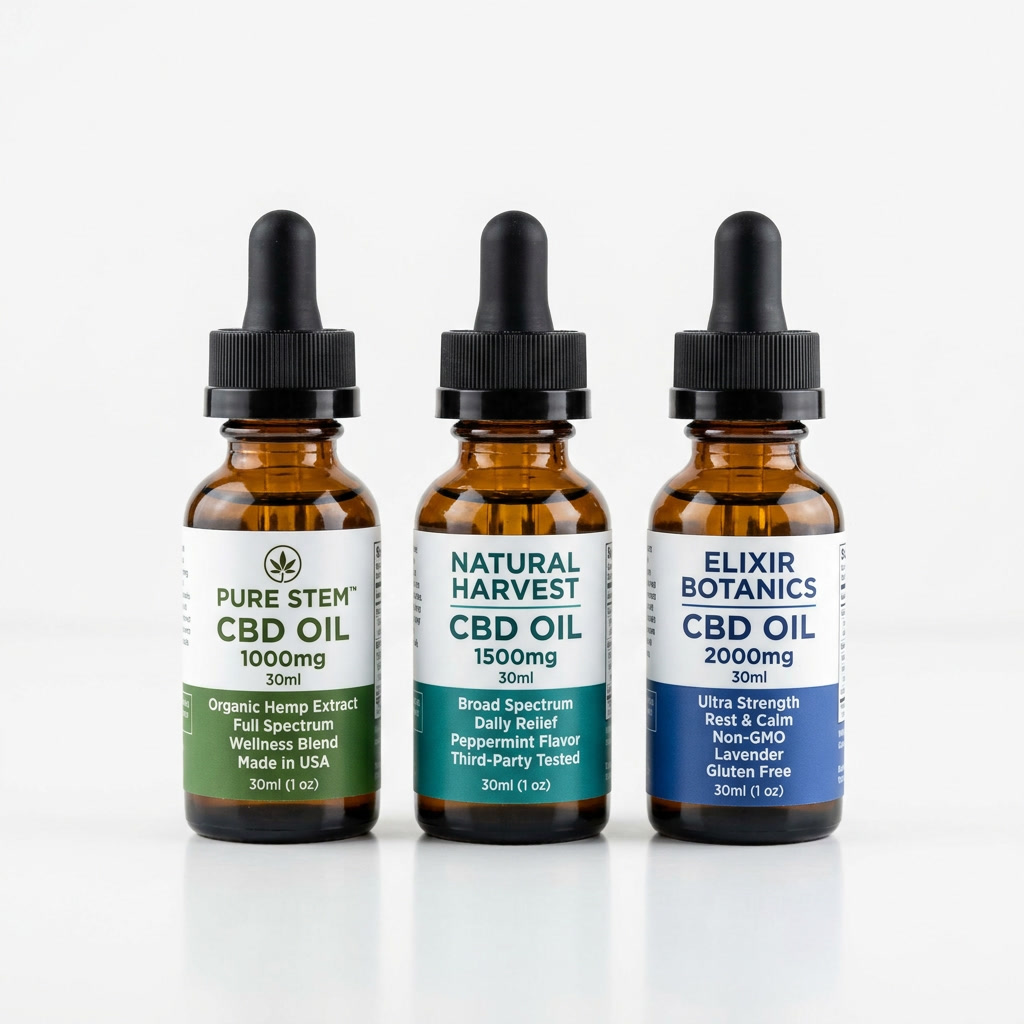
CBD Oils are absorbed under the tongue, providing relatively fast onset compared to swallowed products. Sublingual administration bypasses some first-pass metabolism, potentially increasing bioavailability. Oils allow flexible dosing adjustments—you can increase or decrease by small increments to find your optimal dose.
Oils typically come with droppers for easy measurement. Flavors range from natural hemp taste to mint, citrus, or berry. Some people find the taste unpleasant, while others don't mind it. Oils are versatile and can also be added to food or beverages if preferred.
CBD Capsules for Consistent Dosing
CBD Capsules provide precise, consistent doses in each capsule. They're convenient—just swallow with water like any other supplement. Capsules are tasteless, which appeals to people who dislike the taste of CBD oil.
The main drawback is slower onset. Capsules must be digested and absorbed through the gastrointestinal tract, which takes longer than sublingual absorption. They also offer less dosing flexibility—if a capsule contains 25mg, you can't easily take 20mg or 30mg.
Capsules are ideal for people who want simplicity and consistency. They're also more discreet than oils and easier to take on the go. For PTSD, where consistent daily dosing may be preferable to as-needed use, capsules have practical advantages.
CBD Gummies for Discreet Use
CBD Gummies are palatable and discreet. They taste like regular candy, making them appealing for people who dislike the taste of hemp. Gummies are pre-dosed for convenience—each gummy contains a specific amount of CBD.
Like capsules, gummies have slower onset due to digestion. They also often contain sugar or other additives that some people prefer to avoid. However, for people who struggle with medication adherence, the pleasant taste of gummies can help establish a consistent routine.
Gummies are highly discreet—you can take one without anyone knowing it's CBD. This matters for people who prefer to keep their supplement use private. They're also portable and don't require measuring or droppers.
Shop Related Products
If you're interested in trying CBD as part of your wellness routine, Cannetics offers several options:
- CBD Oils: Fast-acting tinctures in various strengths for flexible dosing
- CBD Capsules: Precise dosing in easy-to-swallow capsules for consistency
- CBD Gummies: Delicious and convenient edible options for discreet use
All Cannetics products are third-party tested for quality and purity. Certificates of analysis are available for every batch, verifying CBD content and screening for contaminants. We believe in transparency and quality you can trust.
Talking to Your Healthcare Provider
Before starting CBD, discuss it with your doctor or healthcare provider. This is especially important if you take other medications, have underlying health conditions, or are pregnant or breastfeeding. Your provider can help you weigh potential benefits against risks based on your specific situation.
Be honest about why you're considering CBD. If you're hoping to reduce PTSD symptoms, your provider can help you evaluate whether CBD is worth trying alongside evidence-based treatments. They can also monitor for drug interactions and side effects.
Bring specific products you're considering to your appointment. Your provider can review the ingredients, dosing, and quality indicators. They may also be aware of clinical trials you could join, which would provide access to pharmaceutical-grade CBD with medical supervision.
CBD as Part of a Comprehensive Treatment Plan
CBD should not replace evidence-based PTSD treatments. Think of it as a potential complement to therapy and established medications, not an alternative. The cornerstones of PTSD treatment remain trauma-focused psychotherapy and appropriate medications when indicated.
A comprehensive treatment plan might include weekly therapy sessions, possibly medication, regular exercise, good sleep hygiene, stress management techniques, and social support. CBD could theoretically fit into this plan as an additional tool, but it shouldn't be the foundation.
If you're not currently engaged in evidence-based PTSD treatment, that should be your first priority. CBD might be worth exploring later, but it shouldn't delay or replace treatments with stronger evidence.
Managing Expectations
The research doesn't support CBD as a miracle cure for PTSD. Some people may experience benefit—perhaps improved sleep, reduced anxiety, or better stress tolerance. Others may notice nothing at all. A few might experience side effects that outweigh any potential benefit.
Be prepared for the possibility that CBD won't help your PTSD symptoms. This isn't failure—it's valuable information. Knowing what doesn't work helps you focus energy on approaches that might. Don't invest more money, time, or emotional energy into CBD than you can afford to lose.
Set specific, measurable goals if you try CBD. Perhaps you want to sleep through the night more often, experience fewer panic attacks, or feel less reactive to trauma triggers. Track these outcomes objectively. If you don't see improvement after 4-6 weeks at a reasonable dose, it's reasonable to discontinue.
The Importance of Psychotherapy
Trauma-focused psychotherapies remain the gold standard for PTSD treatment. Prolonged exposure therapy, cognitive processing therapy, and EMDR have strong evidence for reducing PTSD symptoms. These therapies work by helping you process traumatic memories and learn that trauma reminders are no longer dangerous.
CBD cannot replace the healing that comes from processing trauma with a skilled therapist. Therapy addresses the psychological, cognitive, and behavioral aspects of PTSD in ways that no supplement can. If you're considering CBD, make sure you're also engaged in appropriate psychotherapy unless you have specific reasons not to pursue it.
Some therapists are open to discussing CBD as part of your overall treatment plan. Others may be skeptical based on the limited evidence. Either way, being transparent with your therapist allows them to provide informed guidance and monitor your progress appropriately.
Lifestyle Factors in PTSD Recovery
Sleep, exercise, nutrition, and social support all influence PTSD recovery. Poor sleep worsens PTSD symptoms, creating a vicious cycle. Regular exercise has been shown to reduce PTSD symptoms and improve mood. Nutrition affects brain function and stress resilience. Social support is one of the strongest predictors of recovery.
CBD is just one piece of a larger puzzle. Optimizing these lifestyle factors may provide more benefit than any supplement. Prioritize consistent sleep schedules, regular physical activity, balanced nutrition, and maintaining social connections. These foundations support all other treatments, including any role CBD might play.
Stress management techniques like mindfulness, meditation, deep breathing, and yoga can also help. These practices strengthen the prefrontal cortex's ability to regulate the amygdala—essentially training the same neural circuits that PTSD dysregulates.
Monitoring Your Response
If you try CBD, track your symptoms systematically. Note any changes in sleep quality, anxiety levels, nightmare frequency, startle responses, or overall functioning. A simple daily log can help you detect patterns you might otherwise miss.
Consider using validated self-report measures like the PCL-5 (PTSD Checklist) to track symptom severity over time. These provide objective data rather than relying on impressions. Share this tracking with your healthcare provider to inform treatment decisions.
Pay attention to side effects as well as benefits. Note any changes in appetite, energy, digestion, mood, or cognition. If side effects are bothersome or benefits are absent, discuss adjusting or discontinuing with your provider.
When to Discontinue CBD
Consider discontinuing CBD if you experience adverse effects that outweigh any benefits, if you see no improvement after 4-6 weeks at a reasonable dose, or if your healthcare provider recommends stopping for medical reasons. There's no need to continue something that isn't helping.
Discontinuing CBD is generally straightforward. Unlike some medications, CBD doesn't typically cause withdrawal symptoms. You can usually stop without tapering, though some people prefer to reduce gradually over a week or two.
If CBD was helping certain symptoms, you may notice those symptoms returning when you stop. This can actually be informative—it suggests CBD was providing some benefit worth discussing with your provider. They may suggest alternative approaches to address those specific symptoms.
The Bottom Line
The research on CBD for PTSD presents a complex picture that demands honesty and nuance. Preclinical studies from 2026 (Son et al., Scarante et al.) show promising mechanisms and potential benefits in animal models. These studies suggest CBD may influence stress-related gene expression, work faster than some antidepressants, and enhance fear extinction learning. The molecular findings are genuinely interesting and warrant further investigation.
However, clinical evidence tells a more cautious story that cannot be ignored. The landmark 2026 Wilson meta-analysis in The Lancet Psychiatry found no significant effects of cannabinoids on PTSD outcomes across 54 randomized controlled trials involving 2,477 participants. The 2024 Gournay RCT specifically tested 300mg daily CBD for trauma-related anxiety and found no benefit compared to placebo. The 2025 Raminelli meta-analysis found only a nonsignificant trend for pure CBD in PTSD, while pure THC showed more promise particularly for nightmares.
What does this mean for someone considering CBD for PTSD?
First, be honest about the evidence. CBD is not a proven treatment for PTSD. The best available clinical data does not support its routine use for this condition. Anyone telling you otherwise is either misinformed or selling something. The preclinical promise has not translated into clear clinical benefit.
Second, understand the potential risks. While serious adverse events appear rare, mild side effects are common. Drug interactions are possible and potentially serious, particularly with psychiatric medications. Quality control varies widely in the CBD market, and many products don't contain what their labels claim. You're making an informed choice to try something with limited evidence and known risks.
Third, if you choose to try CBD, do so as part of a comprehensive treatment plan. Continue evidence-based therapies. Work with a healthcare provider who knows your full medical history. Start with low doses and monitor your response systematically. Don't abandon treatments that are working in favor of unproven alternatives.
Fourth, maintain realistic expectations. Some individuals may experience benefit—perhaps improved sleep, reduced anxiety, or better stress tolerance. Others may not notice any difference. The research doesn't yet tell us who will respond or why. Be prepared for either outcome without self-blame or false hope.
Finally, stay informed. This field is evolving rapidly. New trials are underway, including studies of CBD combined with exposure therapy. Today's conclusions may be refined by tomorrow's research. What we know with confidence today is that the evidence is insufficient to recommend CBD as a standard PTSD treatment.
PTSD recovery is a journey that requires patience, persistence, and professional support. CBD might play a role for some people as one tool among many, but it's not the destination and it's not a shortcut. Evidence-based psychotherapy, appropriate medications when indicated, lifestyle factors, and social support remain the cornerstones of trauma recovery. Invest your energy primarily in approaches with proven track records, and approach CBD with cautious curiosity rather than desperate hope.
Medical Disclaimer
This article is for informational purposes only and does not constitute medical advice, diagnosis, or treatment. The information presented here is based on published research but should not replace professional medical guidance from qualified healthcare providers who know your individual situation.
CBD products are not FDA-approved for the treatment of PTSD, anxiety disorders, or any psychiatric condition. The FDA has approved CBD (Epidiolex) only for certain seizure disorders. All other uses of CBD are considered off-label and are not regulated in the same way as approved medications.
Always consult with a qualified healthcare provider before starting CBD or any new supplement, especially if you:
- Have been diagnosed with PTSD or any mental health condition
- Are currently taking prescription medications, particularly psychiatric medications, blood thinners, or seizure medications
- Are pregnant, planning to become pregnant, or breastfeeding
- Have liver disease, kidney disease, or other significant medical conditions
- Have a history of substance use disorder
- Are under 18 years of age
Do not discontinue prescribed medications without medical supervision. Abruptly stopping psychiatric medications can cause withdrawal symptoms or worsening of your condition. CBD may interact with many medications by affecting how your liver processes them, potentially leading to dangerous blood levels of other drugs.
If you are experiencing a mental health crisis, suicidal thoughts, or thoughts of harming yourself or others, contact emergency services immediately. In the United States, call or text 988 for the Suicide and Crisis Lifeline, available 24/7. For immediate danger, call 911. Go to the nearest emergency room if you cannot keep yourself safe.
PTSD is a serious medical condition that requires professional care. This article does not endorse CBD as a replacement for evidence-based treatments including trauma-focused psychotherapy (such as prolonged exposure therapy, cognitive processing therapy, or EMDR) and FDA-approved medications (such as sertraline or paroxetine). These treatments have demonstrated efficacy in rigorous clinical trials and should be the foundation of PTSD treatment.
Individual responses to CBD vary significantly. Some people may experience side effects including fatigue, diarrhea, changes in appetite, dry mouth, nausea, or interactions with other medications. Rare but serious side effects including liver enzyme elevations have been reported, particularly at high doses.
The research cited in this article represents the state of scientific knowledge as of 2026. New studies may refine, expand, or change our understanding of CBD's effects on PTSD and related conditions. Scientific understanding evolves, and today's conclusions may be updated by tomorrow's research.
Cannetics does not claim that CBD products diagnose, treat, cure, or prevent PTSD or any other medical condition. These statements have not been evaluated by the Food and Drug Administration. CBD products are sold as supplements and wellness products, not as medications.
Your health situation is unique. Work with qualified healthcare professionals to develop a comprehensive treatment plan appropriate for your specific needs, medical history, and circumstances. What works for one person may not work for another, and only your healthcare team can provide personalized medical advice.
This article includes affiliate links to Cannetics products. If you choose to purchase products through these links, it supports the creation of educational content like this article. However, purchasing products is entirely optional and should be based on your own research and consultation with healthcare providers.
Find Your Perfect CBD Product
Take our 2-minute quiz to get personalized recommendations based on your needs.
Take the Quiz →Disclaimer: This article is for informational purposes only and does not constitute medical advice. CBD products are not FDA-approved to treat, cure, or prevent any disease. Always consult with a qualified healthcare professional before starting any new supplement, especially if you have a medical condition or take medications.