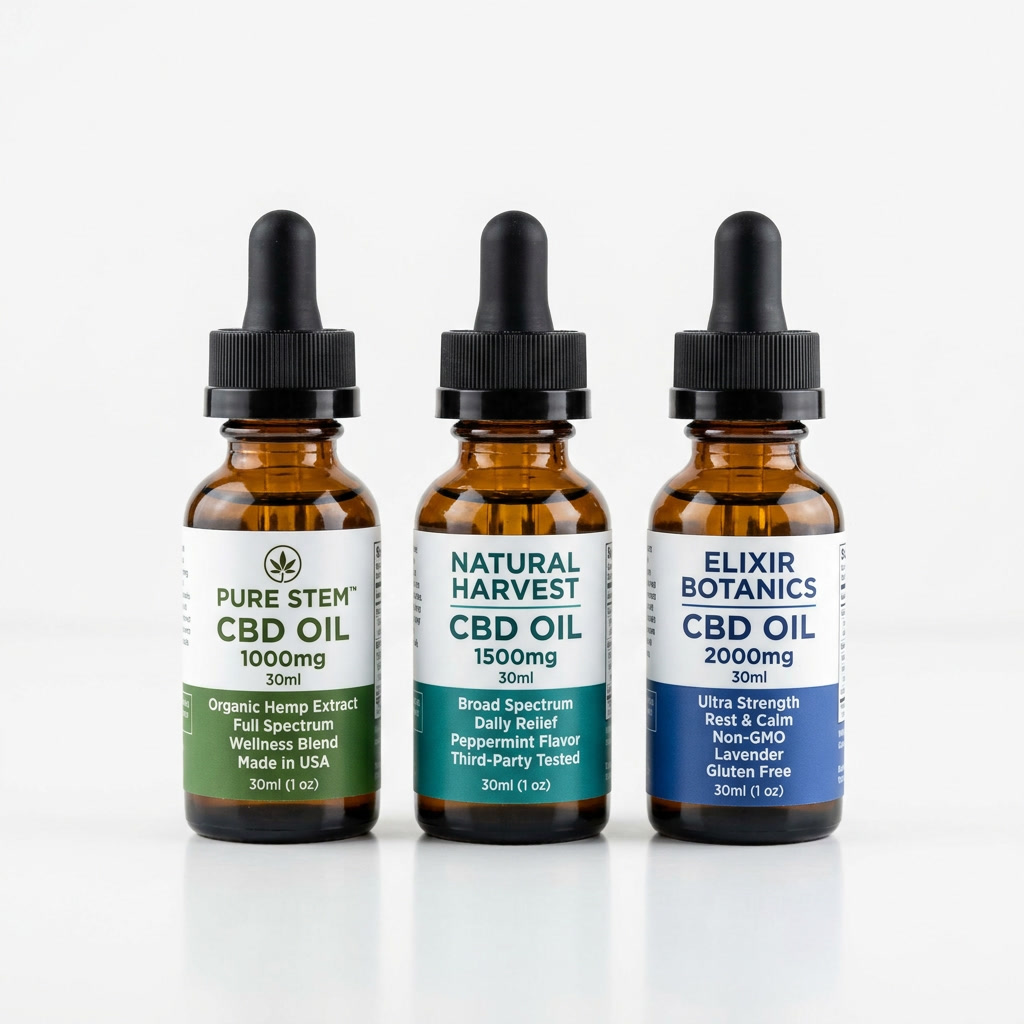
CBD for Insomnia: What 2026 Research Says About Cannabidiol and Sleep Quality
It's 2 AM. You've been staring at the ceiling for three hours. Your mind is racing through tomorrow's to-do list, your body feels tense despite exhaustion, and that familiar dread is creeping in. You reach for your phone and type "CBD for insomnia" into the search bar, wondering if all those claims cannabis and sleep and sleep are real or just marketing hype.
You're not alone. Over 70 million Americans struggle with chronic sleep issues, and insomnia affects approximately 30% of adults worldwide. As prescription sleep medications face increasing scrutiny for dependency risks, millions are turning to CBD as a natural alternative. But here's what most CBD companies won't tell you upfront: the science is more nuanced than the Instagram ads suggest.
In 2026, we have more rigorous research on CBD and sleep than ever before—including new systematic reviews, randomized controlled trials, and long-term safety data. This guide cuts through the noise to show you exactly what the latest studies reveal.
---
The Sleep Crisis: Why Traditional Solutions Fall Short
Prescription sleep medications like zolpidem (Ambien) work—but they come with significant drawbacks. The FDA has issued black box warnings for popular sleep aids due to risks of complex sleep behaviors, dependency, and next-day impairment. A 2025 meta-analysis in Sleep Medicine Reviews found that while pharmaceutical hypnotics reduce sleep latency by 12-15 minutes, the effect size diminishes with prolonged use, and rebound insomnia is common.
Over-the-counter options like diphenhydramine cause anticholinergic side effects—dry mouth, constipation, cognitive fog—and lose effectiveness within days. Melatonin helps with circadian rhythm issues but shows minimal benefit for chronic insomnia in most clinical trials.
This therapeutic gap explains why CBD has exploded in popularity. But does it actually work?
---
How CBD Might Help With Sleep: Multiple Pathways
CBD doesn't work like traditional sleep medications. Instead of directly sedating you, it influences several biological systems that regulate sleep-wake cycles.
The Endocannabinoid System Connection
Your body has a built-in regulatory network called the endocannabinoid system (ECS). This system uses naturally occurring compounds to maintain balance across multiple functions—including sleep, mood, pain perception, and stress response.
The ECS features two primary receptor types:
- CB1 receptors — Concentrated in the brain, influencing sleep architecture
- CB2 receptors — Found in immune cells, modulating inflammation
CBD doesn't directly bind to these receptors like THC does. Instead, it modulates them—influencing how your body responds to its own endocannabinoids and potentially restoring balance to dysregulated sleep patterns.
Anxiety Reduction → Better Sleep
For many insomnia sufferers, anxiety is the root cause. Racing thoughts, physical tension, and hypervigilance make falling asleep impossible. CBD's anxiolytic (anxiety-reducing) effects are among the most well-documented in cannabinoid research.
A 2019 study published in The Permanente Journal followed 72 adults using CBD for anxiety and sleep. After one month:
- 79% experienced reduced anxiety scores
- 66% reported improved sleep quality
The researchers concluded that CBD's sleep benefits may be largely indirect—by calming the anxious mind that keeps people awake.
Pain and Inflammation Modulation
Chronic pain is a leading cause of sleep disruption. CBD's anti-inflammatory properties are well-established. A 2020 review in the Journal of Clinical Medicine analyzed multiple studies and found that cannabinoids reduce inflammatory markers markers (TNF-alpha, IL-6) that sensitize pain receptors. By addressing the underlying pain, CBD may enable deeper, less fragmented sleep.
Direct Effects on Sleep Architecture
Emerging research suggests CBD may influence sleep stages directly. The 2026 pilot randomized controlled trial by Suraev et al., published in the Journal of Sleep Research, examined acute effects of oral cannabinoids on sleep using high-density EEG monitoring in participants with insomnia.
Key findings:
- THC/CBD combination significantly decreased time spent in REM sleep (-33.9 minutes, p < 0.001)
- Increased latency to REM sleep (+65.6 minutes, p = 0.008)
- No observed change in next-day objective alertness
> "While there was no observed change in next-day objective alertness, a small but significant reduction in REM sleep was documented."
This matters because REM sleep abnormalities are common in insomnia, depression, and PTSD.
---
What the 2025-2026 Research Actually Shows
Systematic Review: Cannabinoids for Sleep Quality (2025)
The most comprehensive recent analysis comes from da Silva et al., published in Sleep Medicine Reviews (August 2025).
Study details:
- Published: Sleep Med Rev. 2025 Dec;84:102156
- PMID: 40929927
- Type: Systematic review and meta-analysis
Key findings:
The researchers analyzed participants with insomnia or poor sleep, and CBD-only interventions versus non-CBD interventions.
> CONCLUSION: "Cannabinoids, particularly non-CBD formulations, improve sleep…"
What this means: Cannabinoids as a class show promise for sleep improvement, but formulations containing THC alongside CBD demonstrated stronger effects than CBD-only products. This aligns with the "entourage effect" theory.
---
CBD for Sleep in Multiple Sclerosis Patients (2025)
Saals et al. published a study protocol in Contemporary Clinical Trials (September 2025) examining CBD's effects on sleep quality in patients with multiple sclerosis.
Study details:
- Published: Contemp Clin Trials. 2025 Oct;157:108071
- PMID: 40907941
- Type: Aggregated N-of-1 trials (15 participants)
Background:
> "Sleep disorders, including insomnia, are highly prevalent in individuals with multiple sclerosis (MS), significantly impacting quality of life."
Why this matters: MS patients often experience sleep disruption from pain, muscle spasms, and medication side effects.
---
THC/CBD Combination for Insomnia: Pilot RCT (2026)
The Suraev et al. study represents one of the few randomized controlled trials specifically examining cannabinoid effects on sleep architecture in people with diagnosed insomnia.
Study details:
- Published: J Sleep Res. 2026 Feb;35(1):e70124
- PMID: 40631525
- Type: Pilot randomized controlled trial
Key findings:
- REM sleep reduction: -33.9 minutes (p < 0.001)
- REM latency increase: +65.6 minutes (p = 0.008)
- Next-day alertness: No significant changes
Clinical significance: The REM sleep reduction is intriguing. People with PTSD often experience nightmares during REM sleep, and some medications that suppress REM are used therapeutically.
Caveats: Small sample size, combined THC/CBD, single-dose administration.
---
CBD for Epilepsy: Sleep Improvements (2025)
Vignoli et al. examined purified CBD for drug-resistant epilepsy in patients with Rett syndrome and CDKL5 deficiency disorder.
Study details:
- Published: Epilepsia Open. 2025 Aug;10(4):1111-1119
- PMID: 40543048
Adverse events: Somnolence (3 subjects), irritability (2), loss of appetite (2), insomnia (1)
Caregiver reports: Attention/reactivity improvements in 12 subjects (44.4%), sleep quality improvements noted
What this tells us: Even at very high doses (10-20mg/kg/day), CBD is generally well-tolerated from a sleep perspective.
---
Full-Spectrum Cannabis for Chronic Pain (2025)
F A et al. published an open-label study examining full-spectrum cannabis extracts (containing both THC and CBD) for chronic pain treatment.
Study details:
- Published: J Pain Palliat Care Pharmacother. 2025 Sep;39(3):346-352
- PMID: 40526158
Findings:
> "A significant decrease in both pain and other life quality [measures]"
Relevance to sleep: Sleep quality is intrinsically linked to pain management. The quality-of-life improvements suggest sleep benefits likely occurred.
---
CBD vs. Traditional Sleep Medications
Key advantages of CBD:
- Lower dependency risk compared to prescription hypnotics
- Fewer severe side effects (no sleepwalking, amnesia)
- Multi-mechanism action (anxiety, pain, inflammation)
Key limitations:
- Less robust evidence base than pharmaceuticals
- Variable product quality (unregulated market)
- Drug interaction potential (CYP450 enzyme inhibition)
---
What Types of CBD Work Best for Sleep?
The 2025 systematic review by da Silva et al. specifically noted that non-CBD formulations (those containing THC and other cannabinoids) showed stronger sleep benefits than CBD-only interventions.
Full-Spectrum CBD
Contains: CBD + all other cannabis plant compounds, including trace THC (≤0.3%)
Best for sleep if:
- You want maximum potential effectiveness (entourage effect)
- You're not subject to drug testing
Research support: The Suraev et al. (2026) study used a THC/CBD combination, and the systematic review found stronger effects from multi-cannabinoid formulations.
---
Broad-Spectrum CBD
Contains: CBD + other cannabinoids and terpenes, but zero THC
Best for sleep if:
- You want the entourage effect without THC
- You're concerned about drug testing
---
CBD Isolate
Contains: Pure CBD only (99%+ purity)
Best for sleep if:
- You need absolute certainty of zero THC
- You want to isolate CBD's specific effects
Limitation: Missing the potential synergistic benefits of other cannabinoids.
---
CBD + CBN Combinations
CBN (cannabinol) is often marketed as "the sleep cannabinoid." Many sleep-focused CBD products now combine CBD + CBN + melatonin + calming terpenes.
Research status: Limited human trials on CBN specifically, but the combination approach aligns with the entourage effect theory.
[Browse CBD oils formulated for sleep →](/products?category=cbd-for-sleep)
---
Dosing CBD for Sleep: What the Studies Used
One of the biggest challenges with CBD is determining the right dose. Research studies use wildly varying amounts—from 25mg to 600mg daily.
Doses from Recent Sleep Studies
Suraev et al. (2026): Used THC/CBD combination, single acute dose
Vignoli et al. (2025): Highly purified CBD at 10-20mg/kg/day (700-1,400mg daily for 70kg adult) — extremely high pharmaceutical dose
Da Silva systematic review (2025): Analyzed studies with doses ranging from 25mg to 300mg nightly — no clear dose-response relationship established
Practical Dosing Recommendations
Starting dose for sleep:
- 15-25mg CBD taken 30-60 minutes before bedtime
- Start at the lower end if you're new to CBD
- Increase gradually every 3-5 nights if needed
Titration approach:
1. Begin with 15mg nightly for 3-5 nights
2. Track sleep quality (falling asleep, staying asleep, morning refreshment)
3. If no improvement, increase to 25mg
4. Continue increasing by 10-15mg increments until you find your "sweet spot"
5. Most people find effective doses between 25-75mg for sleep
Important considerations:
- Body weight matters — heavier individuals may need higher doses
- Metabolism varies — some people process CBD faster than others
- More isn't always better — some users report reduced effectiveness at very high doses (>100mg)
---
Timing and delivery methods
CBD Oils/Tinctures (Sublingual)
Onset: 15-45 minutes
Duration: 4-6 hours
Best for: Falling asleep faster, adjustable dosing
---
CBD Capsules/Softgels
Onset: 45-90 minutes
Duration: 6-8 hours
Best for: Staying asleep through the night, consistent dosing
---
CBD Gummies/Edibles
Onset: 60-90 minutes
Duration: 6-8 hours
Best for: People who dislike oil taste, pre-measured convenience
---
CBD + Melatonin Combination Products
Onset: 30-60 minutes
Duration: 5-7 hours
Best for: Circadian rhythm issues, jet lag, shift work
---
Safety Profile: What We Know
Common Side Effects
- Drowsiness/sedation — Most common, especially at higher doses
- Dry mouth — Very common, usually mild
- Diarrhea — Occasional, typically transient
- Decreased appetite — More common at high doses
Most side effects are dose-dependent and resolve with dose reduction.
Drug Interactions: Critical Safety Note
CBD inhibits cytochrome P450 enzymes (CYP3A4, CYP2C19) that metabolize ~60% of prescription medications.
Medications that may interact:
- Blood thinners (warfarin) — Increased bleeding risk
- Antidepressants (SSRIs) — Potential for increased serum levels
- Anti-seizure medications — CBD can increase side effects
- Benzodiazepines — Additive sedation
> Critical: If you take ANY prescription medication, consult your doctor or pharmacist before starting CBD.
Liver Considerations
The EFSA raised concerns about CBD and liver toxicity in February 2026:
> "Animal studies revealed consistent liver toxicity findings..."
A 2026 study in Journal of Cannabis Research found CBD, CBC, and CBN displayed hepatotoxicity in liver cell models.
Practical implications: Get baseline liver enzyme tests if you have existing liver disease, monitor ALT/AST after 4-8 weeks, avoid high doses (>100mg daily) without medical supervision.
Special Populations
Pregnant/breastfeeding women: FDA and EFSA advise against CBD use. CBD crosses the placenta and accumulates in fetal tissue.
Children/adolescents: Limited safety data exists outside of epilepsy treatment.
Older adults: Increased sensitivity and higher likelihood of drug interactions warrant conservative dosing.
---
Choosing Quality CBD Products
The unregulated CBD market means product quality varies dramatically. A 2024 FDA study found that only 31% of CBD products were accurately labeled.
Third-Party Testing (Non-Negotiable)
Only buy products with accessible Certificates of Analysis (COAs) from independent laboratories. The COA should show:
Cannabinoid profile:
- Actual CBD content (should match label within ±10%)
- THC content (verify it meets your requirements)
- Other cannabinoids present (CBG, CBN, CBC)
Contaminant screening:
- Pesticides: All should be "ND" (non-detect)
- Heavy metals: Must be below strict thresholds
- Microbial contamination: No E. coli, Salmonella, mold above limits
Red Flags to Avoid
❌ No COA available or COA doesn't match your batch number
❌ Unrealistic CBD concentrations ("10,000mg CBD" bottles)
❌ Prices significantly below market average
❌ Medical claims ("cures insomnia," "treats anxiety")
Recommended Product Features for Sleep
Look for:
- Clear CBD content per serving
- Full-spectrum or broad-spectrum (for entourage effect)
- Added sleep-supporting ingredients (CBN, melatonin, L-theanine)
- MCT oil carrier (better absorption)
- Batch-specific COAs accessible via QR code
[Explore our full range of CBD products for sleep support →](/products?category=cbd-oils-and-tinctures)
---
Integrating CBD Into a Comprehensive Sleep Strategy
CBD isn't a magic bullet. It works best as part of a holistic approach to sleep hygiene.
Sleep Hygiene Fundamentals
Consistent schedule:
- Go to bed and wake up at the same time daily (even weekends)
- Aim for 7-9 hours of sleep opportunity per night
Bedroom environment:
- Cool temperature (60-67°F / 15-19°C)
- Complete darkness (blackout curtains, eye mask)
- Quiet or white noise
Pre-sleep routine:
- Dim lights 1-2 hours before bed
- Avoid screens (blue light suppresses melatonin)
- Relaxation practices (reading, meditation, warm bath)
- Take CBD 30-60 minutes before intended sleep time
When to Seek Professional Help
CBD may not be sufficient if you have:
- Severe chronic insomnia (>3 nights per week for >3 months)
- Sleep apnea (loud snoring, gasping, daytime exhaustion)
- Restless leg syndrome
- Underlying mental health conditions (severe anxiety, depression, PTSD)
Cognitive Behavioral Therapy for Insomnia (CBT-I) is considered the gold-standard first-line treatment for chronic insomnia and has stronger long-term evidence than any medication or supplement.
---
The Bottom Line
CBD for insomnia isn't a miracle cure. Anyone claiming otherwise is selling something. But the 2025-2026 research paints a genuinely promising picture:
What we know:
- Cannabinoids, particularly multi-cannabinoid formulations, show sleep-improving effects in systematic reviews
- CBD may help indirectly by reducing anxiety and pain that disrupt sleep
- THC/CBD combinations affect sleep architecture (reducing REM sleep, increasing REM latency)
- CBD is generally well-tolerated with a favorable safety profile compared to prescription hypnotics
- Optimal dosing appears to range from 25-75mg for most adults
What remains uncertain:
- CBD's specific effects independent of THC
- Long-term efficacy beyond 3-6 months of use
- Which populations benefit most
- Ideal dosing protocols for different insomnia subtypes
If you're considering CBD for sleep:
1. Talk to your doctor first — Especially if you take medications or have health conditions
2. Start low and go slow — Begin with 15-25mg, titrate gradually
3. Choose quality products — Third-party tested, transparent brands only
4. Set realistic expectations — CBD may help modestly, but it won't transform severe insomnia overnight
5. Combine with good sleep hygiene — CBD works best as part of a comprehensive approach
6. Track your response — Keep a sleep journal to identify patterns
7. Give it time — Allow 2-4 weeks of consistent use before judging effectiveness
The science is still evolving. More large-scale, CBD-specific randomized controlled trials are underway. As the evidence base grows, we'll have clearer answers.
For now, CBD represents a reasonable option for adults struggling with mild-to-moderate insomnia who want to avoid or reduce reliance on prescription sleep medications. Approach it with informed caution, prioritize product quality, and remember that good sleep is built on foundations that no supplement can replace.
Related reading: Sleep is also central to recovery from a night out — see our guide to CBD and hangovers.
If you snore or wake gasping, that is a different problem: our new article on CBD and sleep apnea explains what CBD can and cannot do for breathing.
Find Your Perfect CBD Product
Take our 2-minute quiz to get personalized recommendations based on your needs.
Take the Quiz →Disclaimer: This article is for informational purposes only and does not constitute medical advice. CBD products are not FDA-approved to treat, cure, or prevent any disease. Always consult with a qualified healthcare professional before starting any new supplement, especially if you have a medical condition or take medications.