CBD and polypharmacy: when you already take five medications

Polypharmacy has a clinical definition, and it is not a judgement. It means five or more regular medicines at the same time. In adults over 65 it is common, in care homes it is the norm, and in people with epilepsy, chronic pain, or a transplant it is often the only way a condition is managed at all.
CBD matters in that setting for a reason that has nothing to do with whether it works. It changes how the liver handles other drugs, and the more drugs there are, the more chances there are for that change to matter.
Why one interaction becomes five
Most drug interactions with CBD run through the cytochrome P450 family, a set of liver enzymes that decide how quickly a drug is broken down. CBD inhibits several of them, including CYP3A4 and CYP2C19, and induces others.
In a person taking one medicine, an inhibited enzyme means that medicine may sit in the blood longer and at higher concentration than intended. In a person taking five, the same inhibition touches several pathways at once, and the effects stack in ways that no single drug label describes.
A 2025 scoping review in Planta Medica examined the evidence for potential drug interactions between CBD and other drugs and found the mechanism literature substantial and the clinical literature thin. That gap between mechanism and measured outcome is the honest centre of this subject. We know the enzymes. We know far less about what happens to a specific patient at a specific dose.
A 2026 review in Cannabis and Cannabinoid Research asked the question directly in its title: drug interactions in people on cannabidiol, is there cause for concern. A 2026 paper in Frontiers in Toxicology set out the pharmacokinetic and pharmacodynamic mechanisms behind phytocannabinoid drug interactions, and a 2026 review in Trends in Pharmacological Sciences described CBD as a polypharmacological drug, which is a polite way of saying it does many things at once and not all of them are the ones you wanted.
The drugs that matter most
Three groups carry most of the risk in a polypharmacy picture.
Anticoagulants and antiplatelets. Warfarin, apixaban, rivaroxaban, clopidogrel. Several of these are CYP substrates, and bleeding risk is not a theoretical endpoint. Anyone on an anticoagulant should treat CBD as a change to their medication list rather than a wellness purchase.
Antiepileptics. Clobazam is the clearest example, with a well documented rise in its active metabolite when CBD is added, which is why the epilepsy trials monitored sedation closely. Valproate and others also interact, and the 2025 review work on antiseizure medication dosing and monitoring in intensive care shows how narrow the therapeutic windows can be.
Sedatives and opioids. Benzodiazepines, z-drugs, gabapentinoids, codeine, tramadol, oxycodone. Codeine is the sharpest case, because it is a prodrug and CBD's effect on CYP2D6 changes how much morphine is produced from the same tablet. The detail is in our guide to CBD and codeine.
Then there is the group nobody lists, which is everything else. Statins, thyroid replacement, blood pressure drugs, antidepressants, and the over the counter medicines people do not think of as medicines at all.
The liver question, which is separate
There is a second issue beyond interactions, and it applies even when nobody is taking anything else.
A 2025 randomised clinical trial in JAMA Internal Medicine found that high doses of CBD were associated with elevations in liver enzymes in healthy adults. Healthy adults. In a person already taking several hepatically metabolised drugs, with a liver that is doing more work than usual, the margin is smaller.
That is an argument for dose discipline rather than avoidance. It is also an argument for a baseline liver panel if you are going to use CBD regularly alongside a medication list of that length.
What the clinical literature does show
Almost all of the useful human data comes from epilepsy, because that is where CBD was developed as a licensed medicine rather than sold as a supplement.
A 2025 review in Epilepsy and Behavior examined antiseizure medications for Lennox-Gastaut syndrome, one of the populations where pharmaceutical CBD is used, and a 2026 review in Intensive Care Medicine covered antiseizure medication dosing and monitoring in critically ill patients where every interaction matters. A 2023 paper in Epilepsia used a hyperthermia induced seizure model to establish dosing relationships, which is the sort of work that turns a plausible mechanism into a schedule.
Outside epilepsy, the polypharmacy literature is mostly case reports and pharmacokinetic modelling. A 2024 paper in Medical Cannabis and Cannabinoid Research described a cannabis based magistral preparation used for neuropsychiatric symptoms in Alzheimer's disease, which is exactly the population where five or more medicines is normal. Those reports are useful signals. They are not a dosing guide.
The conversation that actually helps
If you take five medicines and you want to try CBD, the useful move is not research, it is disclosure.
Bring the product, with its certificate of analysis, to the pharmacist who fills your prescriptions. Ask one question: does anything on this list interact with what I take, and what would I notice if it did. A pharmacist can check the interaction database in minutes, and they see the whole list rather than one drug at a time.
Bring it to the prescriber too if any of the medicines has a narrow window, which means anticoagulants, antiepileptics, immunosuppressants, and thyroid replacement.
Then start low and change one thing at a time. If you add CBD and change your blood pressure tablet in the same week, you will not know which one caused what.
What to watch for in yourself
Interactions rarely announce themselves. The signals worth acting on are the ones that appear in the weeks after a change.
Unusual bruising or bleeding on an anticoagulant. New drowsiness or confusion in someone on antiepileptics or sedatives. A fall in someone whose balance was previously fine. A blood pressure reading that has moved without a change in the prescription. Yellowing of the eyes, dark urine, or persistent nausea, which are the liver signals.
None of those means CBD is dangerous for everyone. They are the standard observation set for anyone adding a drug that touches liver enzymes, and they are worth naming out loud before you start.
How the dose changes the risk
Interaction advice often assumes a fixed dose, and CBD does not work that way in real life.
At 10 to 15 mg a day, the enzyme effect is small and the arithmetic is manageable. At 50 mg, which is the dose used in the Danish fibromyalgia trial and close to the average self dosed amount in a large observational cohort, the inhibition is meaningful. At the high doses used in epilepsy, which run from 5 to 20 mg per kilogram of body weight and can exceed 1,000 mg a day in an adult, the interaction profile is the reason those patients are monitored rather than simply prescribed.
So the honest answer to "is CBD safe with my medications" is that it depends on how much, and the answer changes as the dose changes. Anyone who starts low and stays low is having a different conversation from someone following a protocol that recommends hundreds of milligrams.
A worked example, because the general advice is useless without one
Take a person on warfarin for atrial fibrillation, atorvastatin for cholesterol, metformin for diabetes, ramipril for blood pressure, and sertraline for mood. Five medicines. This is not an unusual list.
Warfarin is the one to think about first. It has a narrow therapeutic window, it is monitored by INR, and anything that shifts its metabolism shifts the INR. Adding a meaningful dose of CBD to that list without telling the anticoagulation clinic is how people end up with a bleed or a clot.
Atorvastatin is metabolised by CYP3A4, which CBD inhibits. Higher statin exposure means more muscle aches, and in rare cases more than that. Sertraline also passes through hepatic pathways that CBD touches.
None of that makes CBD impossible for that person. It makes it a decision for the clinic, with an INR check afterwards, and a plan for what to do if the reading moves.
What the evidence cannot tell you
The scoping review literature is consistent about one limitation. There are plenty of studies showing that CBD inhibits an enzyme in a laboratory preparation, and very few studies measuring what that does to a patient's drug levels over months.
That gap matters because the direction of the effect is not always the direction you would predict. Enzyme inhibition can raise a drug level, but CBD also induces some enzymes, and chronic dosing can behave differently from a single dose. A person who is fine in week one is not proof that week eight will be fine.
Which is why monitoring, rather than a one off search, is the useful tool. If a medicine has a blood test associated with it, keep the test on schedule after you start.
Why the "natural" framing is the problem here
People who would never adjust a prescription themselves will happily add a supplement to a list of five medicines, because it feels outside the system.
Pharmacokinetically, it is not outside the system. A molecule that inhibits CYP3A4 is a molecule that inhibits CYP3A4 whether it arrived in a blister pack or a dropper bottle. The liver does not read the label.
That is the whole argument of this article, and it is why the safety questions in this area are about arithmetic rather than ideology. More medicines means more pathways, and a polypharmacological drug adds pathways.
The practical summary
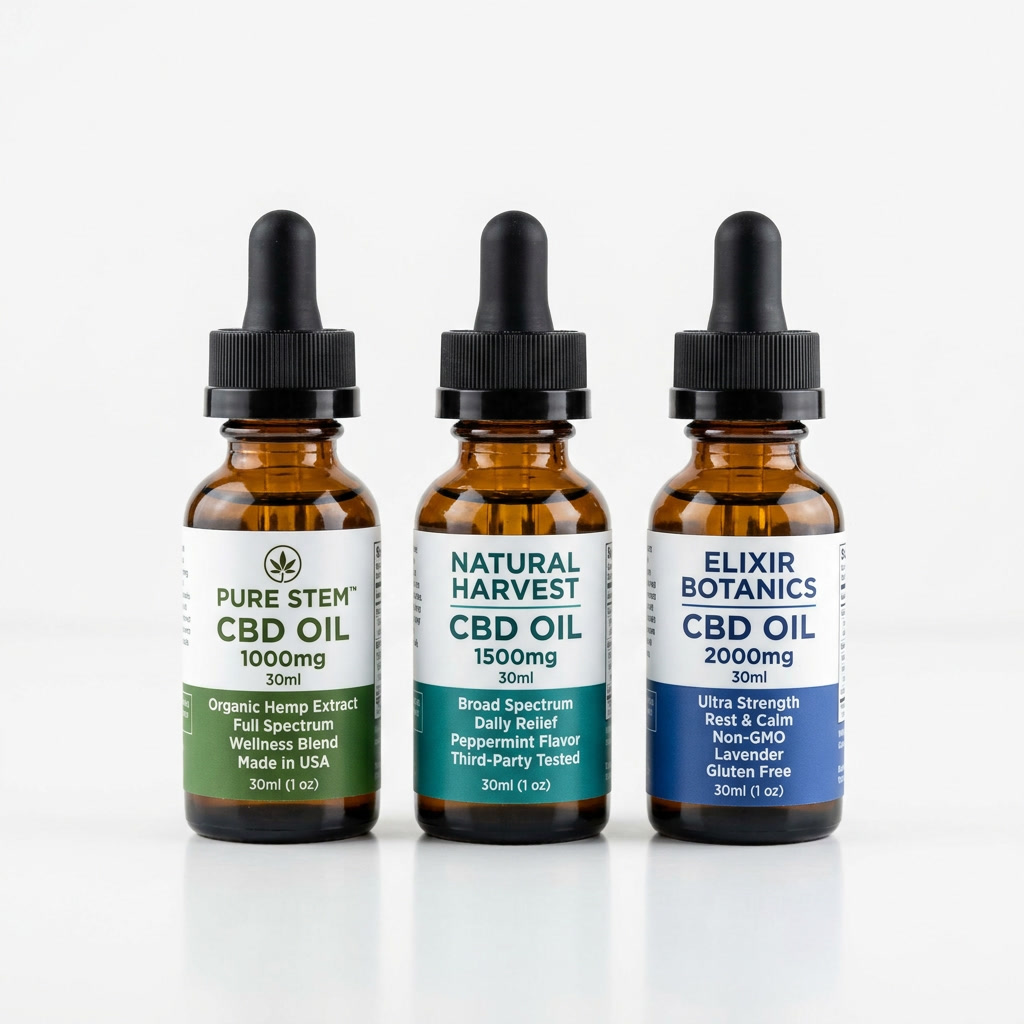
CBD is worth considering as a medicine with interactions, not as a wellness product with none. If you take five or more regular medicines, three steps cover most of the risk. Tell the pharmacist the full list, get a batch specific certificate for the product, and change one thing at a time so you can attribute what happens next.
If you take an anticoagulant, an antiepileptic, or an immunosuppressant, treat the decision as a prescribing conversation rather than a purchase, and read our CBD safety guide before the first dose. If opioids are on the list, the codeine interaction is the closest worked example we have. If you are managing this for a parent rather than yourself, CBD for seniors sets out the questions that matter when several prescribers are involved.
Five medicines is not a reason to refuse CBD. It is a reason to have the conversation before you open the bottle, not after.
Find Your Perfect CBD Product
Take our 2-minute quiz to get personalized recommendations based on your needs.
Take the Quiz →Disclaimer: This article is for informational purposes only and does not constitute medical advice. CBD products are not FDA-approved to treat, cure, or prevent any disease. Always consult with a qualified healthcare professional before starting any new supplement, especially if you have a medical condition or take medications.