CBD for Seniors: A Complete Guide to Safety, Dosing, and Real Benefits
Intro
Margaret is 71, lives alone, and wakes up most mornings with a dull ache in her knees that her arthritis doctor says is "just part of getting older." Her sister-in-law swears by a CBD tincture for sleep, her neighbor uses a CBD cream for her lower back, and her granddaughter keeps telling her "it's totally safe, Grandma." But Margaret has questions nobody seems to answer: Will it interact with her blood pressure pills? Is it even legal? Will it get her high? How much should she take?
If that sounds familiar, you're not alone. CBD is one of the fastest-growing wellness trends among older adults, yet it remains one of the most confusing. A 2025 study published in Cannabis followed patients over age 50 using medical cannabis across multiple sites and found older adults are increasingly turning to these products for chronic pain, sleep, and anxiety — often alongside their regular medications.
This guide is written specifically for seniors (and the people who love them). We'll cover what CBD actually does, how it's different from marijuana, the real risks including drug interactions, how to choose a trustworthy product, and a sensible starting dose. By the end, you'll know exactly what to ask your doctor and how to try CBD safely if you decide it's right for you.
What CBD Is (and Isn't)
Let's clear up the biggest confusion first: CBD is not marijuana, and it won't get you high.
CBD (cannabidiol) is one of over 100 compounds found in the hemp plant. The compound responsible for the "high" is THC (tetrahydrocannabinol). Legally, hemp-derived CBD products sold in the U.S. must contain less than 0.3% THC — too little to produce intoxication.
CBD works with your body's endocannabinoid system, a network of receptors involved in regulating pain, mood, sleep, appetite, and inflammation. Rather than making you feel "stoned," CBD is being studied for its calming and pain-modulating effects.
> Quick distinction: Hemp (low THC, high CBD) is legal nationwide under the 2018 Farm Bill. Marijuana (high THC) is only legal in certain states. Always check the label for THC content, especially if you're subject to drug testing or worried about any psychoactive effect.
Why More Seniors Are Turning to CBD
Chronic conditions multiply with age, and so does the search for relief. A 2025 study in Cannabis of patients over 50 found the most common reasons for use were pain, sleep problems, and anxiety — the same three issues that dominate CBD research in general.
The reasons older adults specifically are drawn to CBD include:
- Concern about prescription side effects — many seniors want alternatives to opioids, sedatives, and NSAIDs
- Chronic pain — arthritis, back pain, neuropathy
- Sleep disruption — difficulty falling or staying asleep
- Anxiety and stress — including worry about health and loneliness
- Stiffness and mobility — topical products applied directly to sore joints
A 2026 study in Frontiers in Public Health found that many people report using CBD as a substitute or adjunct for approved medications — meaning they're replacing or supplementing prescriptions with CBD. That's a powerful trend, but it also means drug interactions are a real concern we'll address below.
The Science: What We Actually Know
Research on CBD in older adults is still young, but the evidence is growing. Here's what peer-reviewed studies currently support:
Pain and Inflammation
- A 2025 PLoS One study in older (12-month-old) mice found CBD improved learning, memory, and reduced anxiety — relevant because these mice model age-related cognitive decline
- A 2025 open-label study in J Pain Palliat Care Pharmacother reported benefits of full-spectrum cannabis extracts for chronic pain
- Preclinical and early clinical work continues to show CBD's potential for inflammatory and neuropathic pain, though effects are often modest and dose-dependent
Anxiety
- A 2025 article in J Geriatr Psychiatry Neurol proposed a treatment algorithm for generalized anxiety in older patients, reflecting growing clinical interest in CBD as a potential option
- Multiple systematic reviews note CBD may reduce anxiety in the short term, but emphasize the need for more rigorous trials in older populations
Sleep
- CBD's calming effects may help with sleep onset, though research on sleep is mixed — some studies show benefit, others minimal change
- Many seniors find that addressing pain and anxiety with CBD indirectly improves sleep quality
Cognitive Health
- The 2025 PLoS One mouse study is promising but preliminary — it's animal research, not proof CBD prevents dementia in humans
- A 2022 pilot in Front Aging Neurosci examined cannabinoids for behavioral symptoms in severe dementia and found them safe and feasible in a small sample, but this is far from a recommendation
> Honest bottom line: The science supports cautious optimism, not miracle claims. CBD shows genuine promise for pain, anxiety, and sleep — but no CBD product is FDA-approved for these uses, and older adults need to weigh benefits against real risks.
The Most Important Topic: Drug Interactions
This is the section that matters most for seniors, because they are far more likely to be taking multiple medications — a situation called polypharmacy.
CBD is processed by the liver through enzymes called cytochrome P450, particularly CYP3A4 and CYP2C19. These same enzymes metabolize many common medications. CBD can slow down how fast your body clears these drugs, potentially raising their levels in your blood and increasing side effects.
Medications that may interact with CBD include:
- Blood thinners (e.g., warfarin) — CBD can increase bleeding risk
- Blood pressure medications — CBD may lower blood pressure further
- Seizure medications (e.g., clobazam, valproate) — significant interactions documented
- Sedatives and sleep aids — CBD can amplify drowsiness
- Antidepressants and anti-anxiety meds (SSRIs, benzodiazepines)
- Some heart rhythm medications
- Thyroid medications
A 2026 review in British Journal of Clinical Pharmacology evaluated low-dose CBD's pharmacokinetics, efficacy, and safety, and the broader literature consistently flags drug interactions as a key safety consideration — especially in older, multi-medication patients.
> ⚠️ Important: If you take blood thinners, blood pressure medication, seizure medication, antidepressants, or any prescription for a chronic condition, talk to your doctor or pharmacist before starting CBD. Do not stop or change any prescription on your own. A 2026 study in Biomed Pharmacother even demonstrated a CBD-oxycodone interaction in mice, underscoring how CBD can change how pain medications behave.
What About the "High" and Drug Testing?
Because legal hemp products contain less than 0.3% THC, they generally don't produce a high or cause intoxication. However:
- Full-spectrum products contain trace THC — enough that a sensitive drug test could pick it up in rare cases
- Broad-spectrum and isolate products have THC removed or reduced
- If you're subject to drug testing (some workplaces, VA programs, federal positions), choose broad-spectrum or isolate and check the Certificate of Analysis (COA)
A 2026 review in Nervenarzt on psychiatric aspects of commercial CBD products reinforces that consumers should understand exactly what's in their product, because labeling and content can vary.
Common Side Effects
CBD is generally well-tolerated, but side effects do occur, especially at higher doses:
- Fatigue or drowsiness
- Dry mouth
- Diarrhea or digestive upset
- Changes in appetite
- Dizziness or low blood pressure
- Elevated liver enzymes — more common with very high doses or certain prescription CBD (Epidiolex)
Starting low and going slow minimizes these risks. If you feel unusually drowsy or dizzy, reduce your dose or take it only at bedtime.
Choosing a Trustworthy Product
The CBD market is unregulated, and quality varies wildly. A common finding in the literature is that product labeling is often inaccurate — some products contain more or less CBD than claimed, and some contain unexpected THC. This is exactly why third-party testing matters.
What to look for:
- Third-party Certificate of Analysis (COA) — an independent lab confirms the CBD and THC levels match the label. Learn how to read one with our CBD-101 guide on lab reports
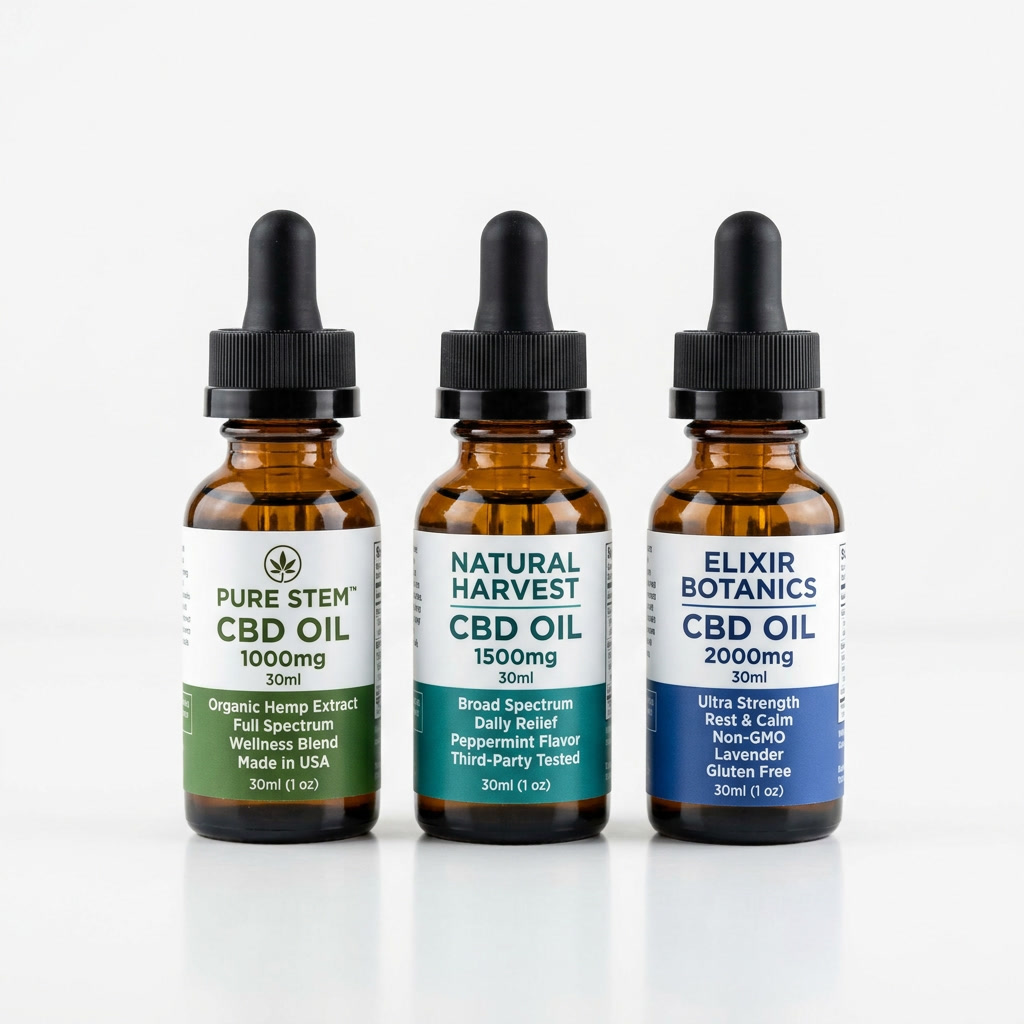
- Full-spectrum vs. broad-spectrum vs. isolate — full-spectrum contains trace THC plus other cannabinoids; broad-spectrum keeps those compounds but removes THC; isolate is pure CBD
- Hemp source and extraction — U.S.-grown hemp with clean extraction (CO2) is a good sign
- Clear dosing information — reputable brands tell you exactly how many mg per serving
- No outrageous health claims — products that promise to "cure" arthritis or dementia are red flags
> 💡 Pro Tip: Check for a lot number and look up the COA online before you buy. If the brand won't show you a lab report, move on — there are plenty that will.
How to Choose a Format That Works for You
CBD comes in several formats, and the best choice depends on your needs and preferences:
- **CBD Oils and Tinctures** — dropped under the tongue; flexible dosing, works in 20–40 minutes. Best all-around option for most seniors
- **CBD Capsules and Softgels** — pre-measured and easy to swallow; predictable dose, but takes 45–90 minutes to kick in. Great for daily routine
- CBD Gummies and Edibles — tasty and discreet; convenient but slower onset and fixed dose
- **CBD Topicals and Creams** — applied directly to sore joints, back, or muscles; great for localized pain and stiffness without any systemic effects
- CBD for Pets — a separate consideration if you're also exploring options for an aging dog or cat
Many seniors combine a daily oil or capsule with a topical for specific problem areas.
Recommended Starting Dose
There is no one-size-fits-all dose, but a sensible, safe approach is:
1. Start low — begin with 10–20mg of CBD per day
2. Go slow — take the same dose for 5–7 days to see how your body responds
3. Adjust gradually — increase by 5–10mg every week only if needed
4. Track your response — note pain, sleep, mood, and any side effects in a simple journal
5. Split doses if needed — some people do better with a smaller morning dose and a larger evening dose
> 💡 Pro Tip: Keep a small notebook or a notes app on your phone. Write down your dose, the time, and how you felt. Within two weeks you'll have a clear picture of what works — and what doesn't.
For most older adults, a range of 20–50mg per day is common. Some people need less, some more. The golden rule is the same for everyone: start low, go slow, and talk to your doctor.
Action Steps: Trying CBD Safely as a Senior
If you've decided to explore CBD, here's a simple, safe plan:
1. Talk to your doctor or pharmacist first — especially about drug interactions with your current medications
2. Choose a tested product — verify the COA and confirm THC content (broad-spectrum or isolate if drug testing is a concern)
3. Start with 10–20mg per day and track your response for a week
4. Increase slowly — no more than 5–10mg per week, only if needed
5. Watch for side effects — drowsiness, dizziness, or digestive upset means reduce your dose
6. Give it time — consistent daily use over 2–4 weeks is the fair test, not one dose
7. Reassess with your doctor — review whether it's helping and whether it's affecting your other medications
Frequently Asked Questions
Is CBD legal for seniors?
Yes. Hemp-derived CBD with less than 0.3% THC is legal nationwide under the 2018 Farm Bill. State laws vary, so check your local rules.
Will CBD get me high?
No. Legal hemp products contain too little THC to cause intoxication. If you want to be certain, choose broad-spectrum or isolate products.
Can I take CBD with my medications?
Only after talking to your doctor or pharmacist. CBD can interact with blood thinners, blood pressure meds, seizure meds, sedatives, and more.
How long does it take to work?
Oils under the tongue: 20–40 minutes. Capsules and edibles: 45–90 minutes. Consistent daily use matters more than any single dose.
Is CBD addictive?
Current research suggests CBD has a low potential for abuse and dependence compared to THC and many prescription drugs. Regulatory and public-health reviews have noted CBD's generally good safety profile. As with any substance, use it sensibly.
The Bottom Line
CBD offers older adults a genuinely promising, generally well-tolerated option for chronic pain, anxiety, and sleep — conditions that are common and hard to treat. The catch is that the market is unregulated and quality varies, and CBD's interactions with common medications are a real, under-discussed risk.
The smart approach is simple: talk to your doctor, choose a third-party-tested product, start low, go slow, and track your results. Done that way, CBD can be a safe complement to — not a replacement for — your existing care. Margaret's question deserves a straight answer, and now she (and you) have one: CBD can help, but it deserves the same respect and caution you'd give any medication.
For more guidance, explore our CBD for seniors wellness resource, our beginner's dosage guide, and our guide to choosing quality CBD products.
Find Your Perfect CBD Product
Take our 2-minute quiz to get personalized recommendations based on your needs.
Take the Quiz →Disclaimer: This article is for informational purposes only and does not constitute medical advice. CBD products are not FDA-approved to treat, cure, or prevent any disease. Always consult with a qualified healthcare professional before starting any new supplement, especially if you have a medical condition or take medications.