CBD and Endometriosis: What the Science Really Says in 2026
The Honest Truth About CBD and Endometriosis
It's 2 a.m., and the familiar cramping has started again. You've tried heat packs, over-the-counter painkillers, and every position that might take the edge off the deep, aching pelvic pain that comes with endometriosis. You've read the forums, seen the influencers, and now you're wondering: could CBD actually help? It's a question millions of women with endometriosis are asking, and the honest answer is more complicated than the marketing suggests.
Here's the truth up front: the direct research on CBD specifically for endometriosis is still very limited. There is no evidence that CBD treats or cures endometriosis itself. But there is a growing body of research suggesting CBD may help with some of the symptoms that make endometriosis so hard to live with, including chronic pelvic pain, inflammation, and poor sleep. This guide walks through what the science actually says, what it doesn't, and how to think about CBD realistically if you're considering it.
What Is Endometriosis?
Endometriosis is a chronic, inflammatory condition where tissue similar to the lining of the uterus grows outside the uterus, typically on the ovaries, fallopian tubes, and the tissue lining the pelvis. It affects roughly 10% of women of reproductive age, according to a 2026 literature review in the JBRA Assisted Reproduction journal.
The hallmark symptoms are chronic pelvic pain, painful periods (dysmenorrhea), pain during sex, and fatigue. For many women, the pain is severe enough to interfere with work, relationships, and daily life. Diagnosis is often delayed for years, and current medical treatments, including hormonal therapies and surgery, frequently provide incomplete relief or come with significant side effects. If you are navigating the hormonal transition later in life, we look at CBD and perimenopause separately.
Why Women With Endometriosis Are Turning to CBD
The interest in CBD among the endometriosis community is not random. A 2024 survey of German-speaking endometriosis patients, published in Archives of Gynecology and Obstetrics, found that among women who used cannabis for self-management, it was rated as the most effective self-management strategy for reducing symptom intensity, scoring 7.6 out of 10. Around 90% of those users reported being able to decrease their pain medication intake.
The same survey found the greatest reported improvements were in sleep (91%), menstrual pain (90%), and non-cyclic pain (80%). These are patient-reported experiences, not clinical trial results, but they help explain why so many women are curious about CBD.
The Honest Science: What We Actually Know
Before diving into the details, it's important to be clear about the state of the evidence. The research on CBD for endometriosis is in its early stages. Most of what we have is patient surveys, observational studies, and preclinical (laboratory) work, rather than large, placebo-controlled clinical trials.
A 2024 review in Trends in Pharmacological Sciences summarized the situation well: there is growing interest in testing CBD-containing products in endometriosis patients, driven by patient surveys and advances in understanding the condition, but the evidence base is still thin. The authors noted that CBD is being studied in ongoing clinical trials for endometriosis and other pain conditions, but we don't yet have definitive answers.
What the Recent Studies Show
A New Zealand Observational Study
One of the most relevant recent studies is a 2026 observational cohort study published in BMC Complementary Medicine and Therapies. Researchers followed women with surgically or clinically diagnosed endometriosis who were prescribed medicinal cannabis, including CBD oil, over three months.
The results were encouraging but preliminary. Overall pelvic pain scores decreased over the 12-week period, from an average of 5.46 to 3.77 on a 10-point scale, and "worst" pain decreased from 7.62 to 5.38. Health-related quality of life, measured with the Endometriosis Health Profile-30, also improved significantly. Participants reported limited adverse events.
It's worth noting this was an observational study without a placebo control group, so we can't be certain the improvements were caused by the cannabis. But it's a real signal that deserves follow-up.
CBD Use in Women With Chronic Pelvic Pain
A 2025 study in the Journal of Obstetrics and Gynaecology Canada looked at CBD use in women with chronic pelvic pain and fibromyalgia. Among the 477 women currently using CBD, 80.9% reported pain improvement. The most common reasons for use were pain, insomnia, and anxiety.
Importantly, women who reported pain improvement were also more likely to report improved sleep, anxiety, depression, and fatigue, and were more likely to have substituted CBD for at least one other medication. About half reported side effects, most of which were minor, with drowsiness being the most common.
The Australian Feasibility Trial
A 2025 paper in Complementary Therapies in Clinical Practice described the challenges of running a randomized controlled trial of medicinal cannabis for endometriosis pain in Australia. The fact that researchers are attempting placebo-controlled trials is a sign the field is maturing, but the paper also highlights how difficult these studies are to conduct, which helps explain why the evidence is still limited.
The Preclinical Picture: What CBD Does in the Lab
Beyond patient surveys, there's a growing body of laboratory research exploring how CBD interacts with endometrial cells. A 2025 study in Reproductive Toxicology examined the effects of CBD and several other cannabinoids on endometrial stromal cells, the cells that line the uterus.
The researchers found that these compounds can influence estrogen and progesterone receptor signaling and markers of cellular senescence. The authors suggested that phytocannabinoids may disrupt the interplay between endometrial endocrine signaling and the endocannabinoid system, potentially affecting fertility — a concern shared with other hormone-driven conditions like PCOS. This is early, cell-level research, and it's far from proof that CBD helps endometriosis in humans, but it shows the mechanisms are being actively investigated.
How CBD Might Help With Endometriosis Symptoms
Chronic Pain
The most promising area of research is chronic pain. A 2026 randomized, double-blind, placebo-controlled trial in eClinicalMedicine tested high-dose CBD (up to 800 mg per day) in people with chronic neuropathic pain after spinal cord injury. CBD significantly reduced self-reported pain intensity compared to placebo, though the effect was modest in magnitude.
This isn't endometriosis-specific, but it's relevant because chronic pain is the central symptom of endometriosis. The study's authors concluded the effect "supports further research into high-dose CBD for chronic neuropathic pain." A 2026 scoping review in the Journal of Pain & Palliative Care Pharmacotherapy similarly mapped evidence on cannabis-based medicines for nociplastic pain, the type of pain often seen in conditions like endometriosis and fibromyalgia, and found the evidence promising but still limited.
Inflammation
Endometriosis is fundamentally an inflammatory condition. Preclinical research has long suggested CBD has anti-inflammatory properties, and a 2026 literature review in JBRA Assisted Reproduction noted that an experimental study in rats demonstrated anti-inflammatory, antioxidant, and antiangiogenic effects of CBD in the treatment of endometriosis.
This is animal research, and it doesn't translate directly to humans. But it provides a plausible biological mechanism for why CBD might help with the inflammatory component of endometriosis, and it's one reason researchers are pursuing human studies.
Sleep
Sleep disruption is a major, underappreciated burden of endometriosis. The German survey found sleep was the area where women reported the most improvement with cannabis use. The chronic pelvic pain study similarly found that women who reported pain improvement with CBD were more likely to report improved sleep.
The relationship between pain and sleep is bidirectional, so it's hard to say whether CBD helps sleep directly or whether better pain control leads to better sleep. Either way, for many women, improved sleep is one of the most meaningful reported benefits.
The Important Caveats
CBD Does Not Treat or Cure Endometriosis
This cannot be overstated. CBD is not a treatment for endometriosis, and it does not cure the condition. It may help manage some symptoms for some people, but it does not address the underlying disease. Anyone considering CBD should understand this distinction.
The Evidence Is Still Thin
The most honest summary of the research is that it's promising but preliminary. We have patient surveys, observational studies, and preclinical work, but we do not yet have large, definitive, placebo-controlled trials showing CBD works for endometriosis specifically. The Australian feasibility trial is a step in that direction, but the results aren't in yet.
Quality and Dosing Vary Widely
CBD products are not regulated like prescription medications, and quality varies enormously between brands. Dosing is also highly individual, and what works for one person may not work for another. This is why it's important to choose products from reputable brands that provide third-party lab testing.
How to Think About CBD Realistically
If you're considering CBD for endometriosis-related symptoms, here's a realistic framework. First, treat it as a potential complement to, not a replacement for, your medical care. Second, talk to your doctor, especially if you take other medications, because CBD can interact with certain drugs, including blood thinners and some antidepressants. Third, start with a low dose and track your response over a few weeks.
It's also worth being honest about what CBD can and can't do. It's not a miracle cure, and the research doesn't support dramatic claims. But for some women, it may offer meaningful relief from pain, inflammation, or sleep problems that other approaches haven't fully addressed.
Choosing a CBD Product
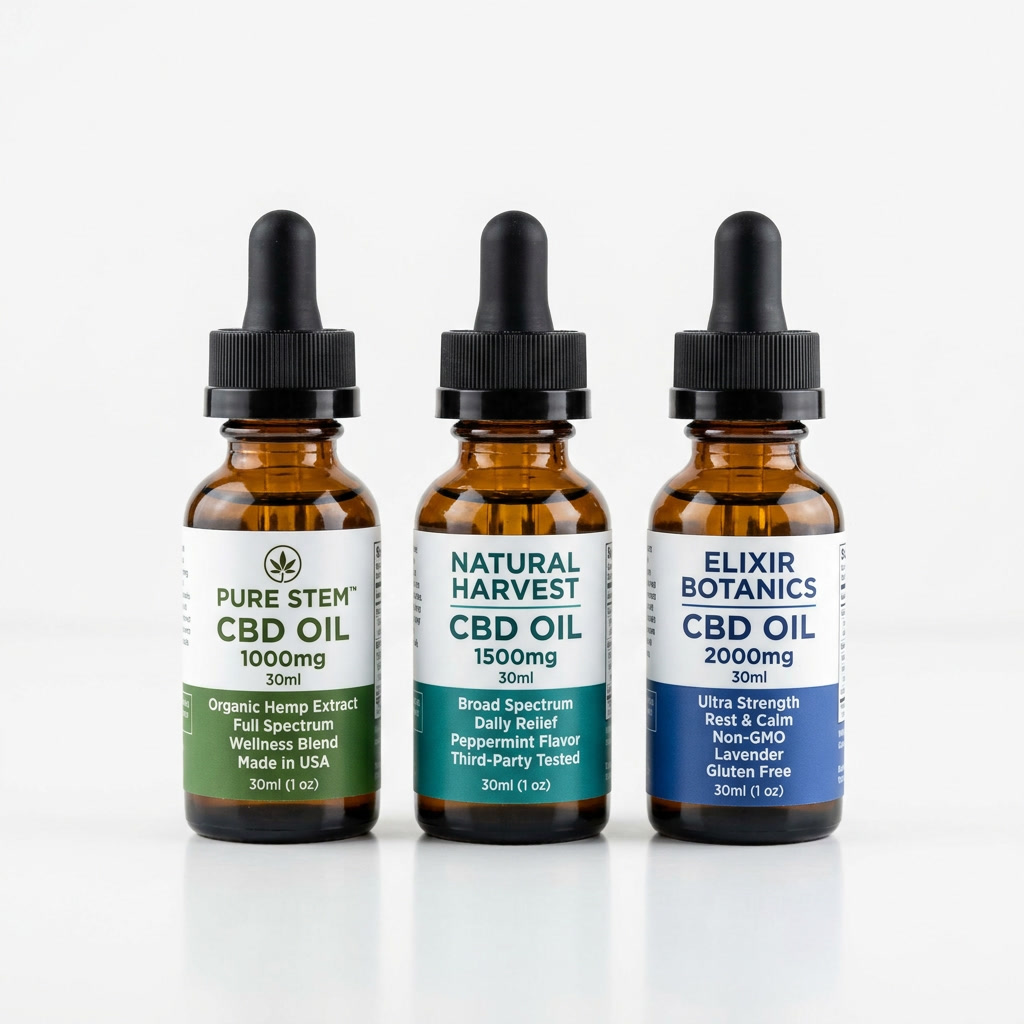
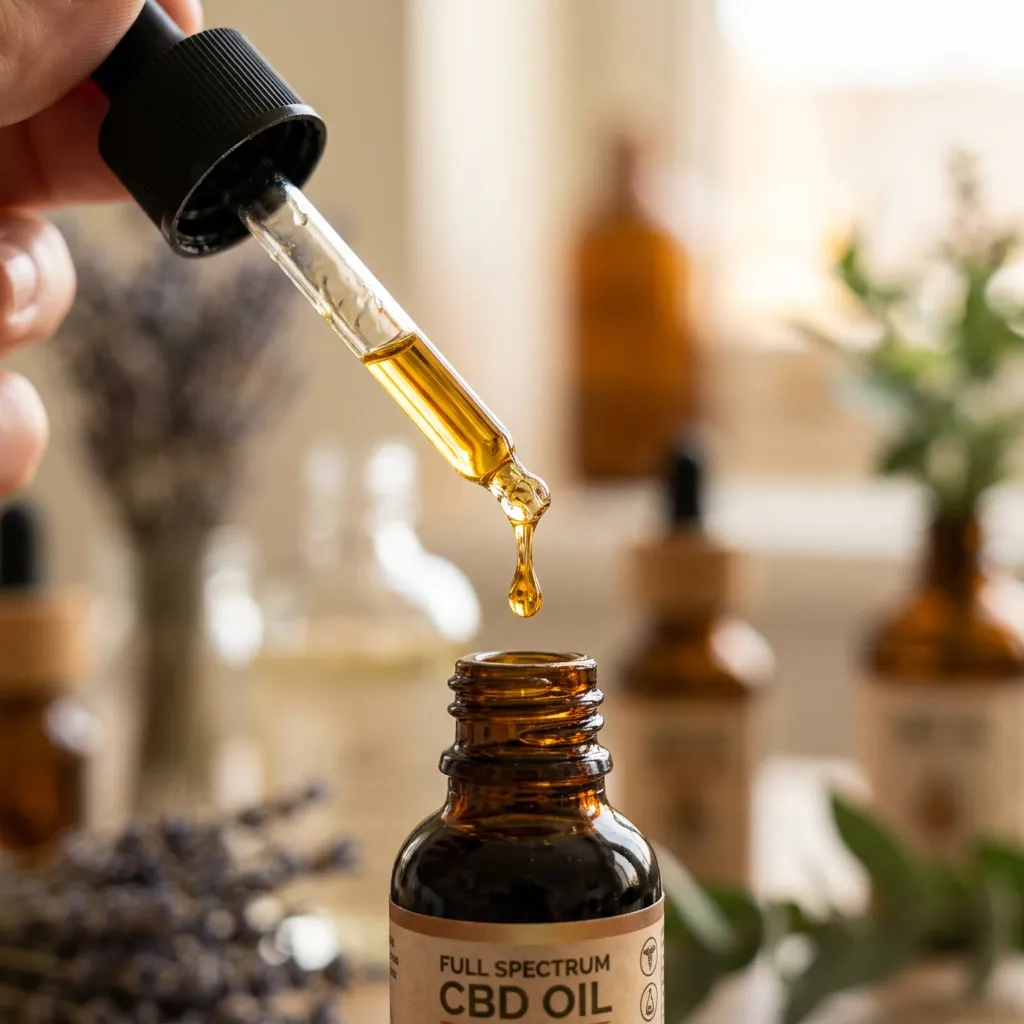
If you decide to try CBD, product choice matters. Look for products with third-party lab testing, clear labeling of CBD content, and a certificate of analysis you can verify. For endometriosis-related pain, many people start with a full-spectrum or broad-spectrum CBD oil, which you can take sublingually for faster absorption.
You can explore different formats depending on your needs. CBD oils and tinctures offer flexible dosing and are a common starting point. CBD gummies and edibles are convenient and discreet, though they take longer to kick in. CBD topicals and creams can be applied directly to areas of localized pain, though they won't address deep pelvic pain the way a systemic product might. You can browse our curated selection to compare options from brands that publish third-party lab results.
A Realistic Action Plan
If you're thinking about trying CBD for endometriosis-related symptoms, here's a practical, step-by-step approach:
1. Talk to your doctor first, especially if you take other medications or are trying to conceive
2. Choose a reputable brand with third-party lab testing and a verifiable certificate of analysis
3. Start with a low dose, around 10 to 20 mg per day, and take it consistently
4. Keep a simple journal tracking your dose, timing, pain levels, sleep, and any side effects
5. Give it two to three weeks before judging whether it's helping
6. Adjust slowly, increasing by 5 to 10 mg if needed, and find your minimum effective dose
7. Reassess honestly, and stop if you don't notice a benefit or if side effects bother you
The Bottom Line
The honest answer to whether CBD can help with endometriosis is: maybe, for some symptoms, for some women, but the evidence is still early. There is no proof that CBD treats or cures endometriosis, and anyone who tells you otherwise is overselling it. What the recent research does suggest is that CBD may help some women manage chronic pelvic pain, inflammation, and sleep problems, based on patient surveys, observational studies, and related research on chronic pain.
If you're considering CBD, approach it with realistic expectations, talk to your doctor, choose a quality product, and track your own response. The science is moving in an interesting direction, with clinical trials underway, but for now the most honest thing we can say is that CBD is a promising, unproven option worth exploring carefully, not a cure. For many women, that careful exploration is exactly what they're looking for.
Find Your Perfect CBD Product
Take our 2-minute quiz to get personalized recommendations based on your needs.
Take the Quiz →Disclaimer: This article is for informational purposes only and does not constitute medical advice. CBD products are not FDA-approved to treat, cure, or prevent any disease. Always consult with a qualified healthcare professional before starting any new supplement, especially if you have a medical condition or take medications.