CBD and Neuroinflammation: What the 2023–2026 Research Says About Brain Health and Inflammation

The Hidden Fire in Your Brain
You've probably heard the term "inflammation CBD for inflammation" thrown around — usually about joints, gut, or skin. But there's a quieter, less visible kind brewing inside the brain itself. Neuroinflammation is the immune system's response to threats within the central nervous system: the microglia (the brain's resident immune cells) switch on, chemical messengers called cytokines fire, and the protective blood-brain barrier works overtime.
When that response is brief and targeted, it's healthy — it clears debris and repairs tissue. The problem is when it becomes chronic and smoldering. Slowly building neuroinflammation has been linked to conditions like Alzheimer's disease, Parkinson's disease, multiple sclerosis, depression, and everyday brain fog. That's why so many people are asking a deceptively simple question: could CBD, the non-psychoactive compound from hemp, help put out this fire?
This guide digs into what the 2023–2026 research actually says — separating the genuinely promising preclinical findings from the claims that outrun the evidence. You'll learn what neuroinflammation is, how CBD engages the body's own regulatory systems, what recent lab and animal studies found, and — critically — where the human evidence stands. Because the gap between "promising in a dish" and "proven in people" is exactly where most of the hype lives.
What Is Neuroinflammation, Really?
Neuroinflammation is the immune system's inflammatory response inside the brain and spinal cord. It's not one disease — it's a process that many conditions share.
The Cast of Characters
Three players do most of the work:
- Microglia — the brain's resident immune cells. When they sense damage or threat, they change shape and release inflammatory chemicals. In healthy amounts this is protective; when they stay switched on too long, they can contribute to tissue damage.
- Cytokines — signaling proteins like IL-1β, IL-6, and TNF-α that coordinate the immune response. Persistent elevations of these in brain tissue are a hallmark of chronic neuroinflammation.
- The blood-brain barrier — the tightly sealed wall of cells that keeps blood and brain mostly separate. When inflammation disrupts this barrier, unwanted immune cells and molecules can slip through.
Microglia are the pivot point. They can promote repair or promote damage depending on their state. A 2026 review in the Journal of Cannabis Research put it plainly: non-psychotropic cannabinoids like CBD are "emerging as promising modulators of neuroinflammation, particularly through actions on microglia, the brain's resident immune cells."
How CBD Interacts With Your Endocannabinoid System
To understand CBD's potential, you need to meet the endocannabinoid system (ECS) — a regulatory network of receptors, enzymes, and signaling molecules found throughout the brain and body. It helps keep other systems in balance, including immune responses.
CB1, CB2, and the "Swarm" of Other Targets
The ECS has two classic receptors:
- CB1 receptors — abundant in the brain and central nervous system; heavily involved in the psychoactive effects of THC.
- CB2 receptors — found largely on immune cells, including microglia; linked to immune regulation.
Here's the nuance most marketing skips: CBD does not bind strongly to CB1 or CB2. A 2026 narrative review in Progress in Neuro-Psychopharmacology & Biological Psychiatry made this explicit, describing how CBD has low affinity for these receptors and instead "signals mainly through TRPV1, TRPA1, GPR55, PPARs, and 5-HT1A." CBD's anti-inflammatory effects likely come from this constellation of other targets rather than from mimicking THC.
> "these compounds engage numerous receptors, ion channels, and intracellular signaling systems in microglia associated with neuroinflammation" — Journal of Cannabis Research, 2026
So when you read "CBD boosts your endocannabinoid system," the accurate picture is more like: CBD nudges a web of receptors and ion channels that, in microglia and elsewhere, tends to push toward less inflammation. That's promising — and also a reason the mechanisms are more complicated than a single clean switch.
What the 2023–2026 Preclinical Research Actually Found
Almost all of the recent CBD-and-neuroinflammation evidence is preclinical — meaning cell cultures or animal models, not humans. Here's what the studies of the last few years show, with the study names so you can check them yourself.
CBD, Memory, and the Blood-Brain Barrier
A 2026 study in Neurotoxicity Research (Kowalski and colleagues) used a rat model of early-life iron overload, which triggers oxidative stress, memory CBD and memory problems, and blood-brain barrier disruption. Rats exposed to iron showed impaired recognition memory and elevated inflammatory markers. CBD reversed the memory deficits and reduced the inflammatory cytokine IL-1β, while also restoring expression of occludin, a protein that keeps the blood-brain barrier sealed. It's a striking result — in an animal model.
Early Protection in Alzheimer's-Related Glial Activation
A 2026 study in the European Journal of Neuroscience (Salgado and colleagues) used mouse hippocampal neuron-glia cultures exposed to amyloid-β — the protein closely tied to Alzheimer's disease. They found CBD significantly "attenuated inflammatory and oxidative responses" and "preserved hippocampal synaptic integrity," even though glial-driven inflammation appeared to precede synaptic damage. The authors framed early glial responses as "a critical window for therapeutic intervention."
Parkinson's Cellular Model: NLRP3 Inflammasome
A 2026 paper in the Journal of Biochemical and Molecular Toxicology (Demirel and colleagues) tested CBD-rich oil in a cellular model of Parkinson's disease using SH-SY5Y cells exposed to MPP+ and manganese. CBD co-treatment preserved dopamine levels, reduced α-synuclein accumulation, and lowered the inflammatory markers IL-18 and CRP, while suppressing the NLRP3 inflammasome — a protein complex increasingly recognized as central to Parkinson's-related inflammation.
HIV-Associated Neuroinflammation
A 2026 study in the Journal of Neuroimmune Pharmacology (Sermet and colleagues) looked at whether THC and CBD could blunt the inflammation driven by CD16+ monocytes (a subtype of immune cells that contributes to HIV-associated neurocognitive disorders). In a co-culture model, both THC and CBD suppressed IL-1β-mediated astrocyte production of IL-6, IL-8, and MCP-1. The effect on monocyte migration itself was specific to THC — a reminder that "cannabinoid" is not one uniform substance.
Multiple Sclerosis and Cannabinoid Acids
A 2026 Molecules study (Sharon and colleagues) explored anti-neuroinflammatory cannabinoid acids — the acidic precursor forms of cannabinoids — in a mouse model of multiple sclerosis. They found these compounds reduced glial inflammatory mediator release and showed benefit against MS-like symptoms.
Diet-Driven Neuroinflammation
A 2026 Inflammopharmacology study (Konstantynowicz-Nowicka and colleagues) examined cannabidiolic acid (CBDA), the acidic form of CBD, in rats fed a high-fat diet. CBDA treatment lowered arachidonic acid and pro-inflammatory precursor proteins, coincided with improved insulin signaling in the brain, and produced metabolomic changes in cerebrospinal fluid the authors linked to less neurodegeneration.
The Dose-Effect Wrinkle
One more scientific complication deserves attention. A 2026 review in Frontiers in Pharmacology flagged the "dose-effect complexities" of cannabinoid therapy for age-related neurobiological changes. CBD doesn't always follow a simple "more is better" curve — in some experimental systems, effects are biphasic, meaning low and high doses can differ dramatically. This matters because real-world CBD dosing is currently guesswork for brain-related goals, not precision medicine.
The Honest Evidence Gap — What the Human Research Shows
Here is the most important section of this article, and the one most CBD content avoids.
What We Know vs. What We Don't
Let me be direct: nearly all of the above findings come from cell cultures and animal models. A handful are narrative or preclinical reviews. None of them — none — prove that CBD treats, prevents, or reverses a human brain or neurodegenerative condition.
That isn't a knock on the scientists. It's how the field is positioned right now. The 2026 Journal of Cannabis Research review summed up the state of play: there is "substantial public and scientific interest," but comprehensive evaluation of "mechanistic diversity, disease-relevant potential, and translational gaps" remains limited. The authors explicitly frame CBD and non-psychotropic cannabinoids as "therapeutic candidates" — hopeful, not proven.
Where the Evidence Is Thinnest
The Progress in Neuro-Psychopharmacology & Biological Psychiatry review was refreshingly honest on this point. It noted that cannabinoid-mediated restoration of blood-brain barrier integrity and modulation of the kynurenine pathway remain "mechanistic hypotheses extrapolated from indirect evidence rather than demonstrated mechanisms." Translation: even well-reviewed, well-intentioned mechanisms are often still hypotheses. Human data, it noted, are "largely limited to small trials."
Why Preclinical Doesn't Automatically Become Clinical
There are several reasons promising lab results often stall before reaching people:
- Species differences — microglia and receptors behave differently in humans than in lab mice.
- Dose equivalence — the doses in animal studies don't map cleanly to what a person can comfortably consume.
- Delivery — getting meaningful amounts of CBD across the human blood-brain barrier is genuinely hard (though 2026 work in Advanced Materials explores non-invasive brain-targeted delivery).
- Complexity — CBD affects many pathways at once, so predicting a single outcome is difficult.
None of this means the research is worthless. It means it's early-stage promise, not proof. The accurate takeaway: there's a real, growing scientific rationale that CBD and related cannabinoids can influence neuroinflammatory processes — and a long way yet to go before that becomes validated treatment.
What This Means for Everyday Brain Health (Realistically)
If the evidence is preclinical, what should you actually do with this information? A few honest, grounded takeaways.
The Everyday-Lifestyle Angle
Chronic neuroinflammation is influenced by factors you can partly control. If you're interested in brain health, the research indirectly points to the lifestyle levers that matter regardless of CBD:
- Sleep — poor sleep is linked to increased inflammatory signaling and impaired brain clearance.
- Exercise — regular movement is one of the most consistent anti-inflammatory levers we have.
- Stress management — chronic stress is implicated in the gut-brain-immune crosstalk behind neuroinflammation.
- Diet — anti-inflammatory eating patterns and healthy fats show benefits; a high-fat diet is the very trigger used to model neuroinflammation in animals.
- Avoiding chronic inflammation drivers — prolonged poor metabolic health and persistent inflammatory conditions.
These don't make headlines, but they're the foundation. CBD, if you choose to use it, would sit on top of — not replace — these habits.
The Modest CBD Angle
If you're already using a quality CBD product from a reputable source and curious about the brain-health angle, the research offers modest, honest encouragement rather than miracle claims. Some researchers believe CBD's safety profile makes it worth continued study as a complementary approach. That is a reasonable personal decision to weigh with a clinician — it is not the same as treating a condition.
Your Action Steps
If brain-health inflammation is your interest, here's a level-headed action plan:
1. Talk to a clinician first. If you're considering CBD for any neurological, cognitive, or mood concern — or take any medications — discuss it with your doctor. CBD interacts with some medications via liver enzymes.
2. Do your own baseline. Track sleep, stress, diet, and exercise for two weeks before adding anything. You need a baseline to see whether a change matters.
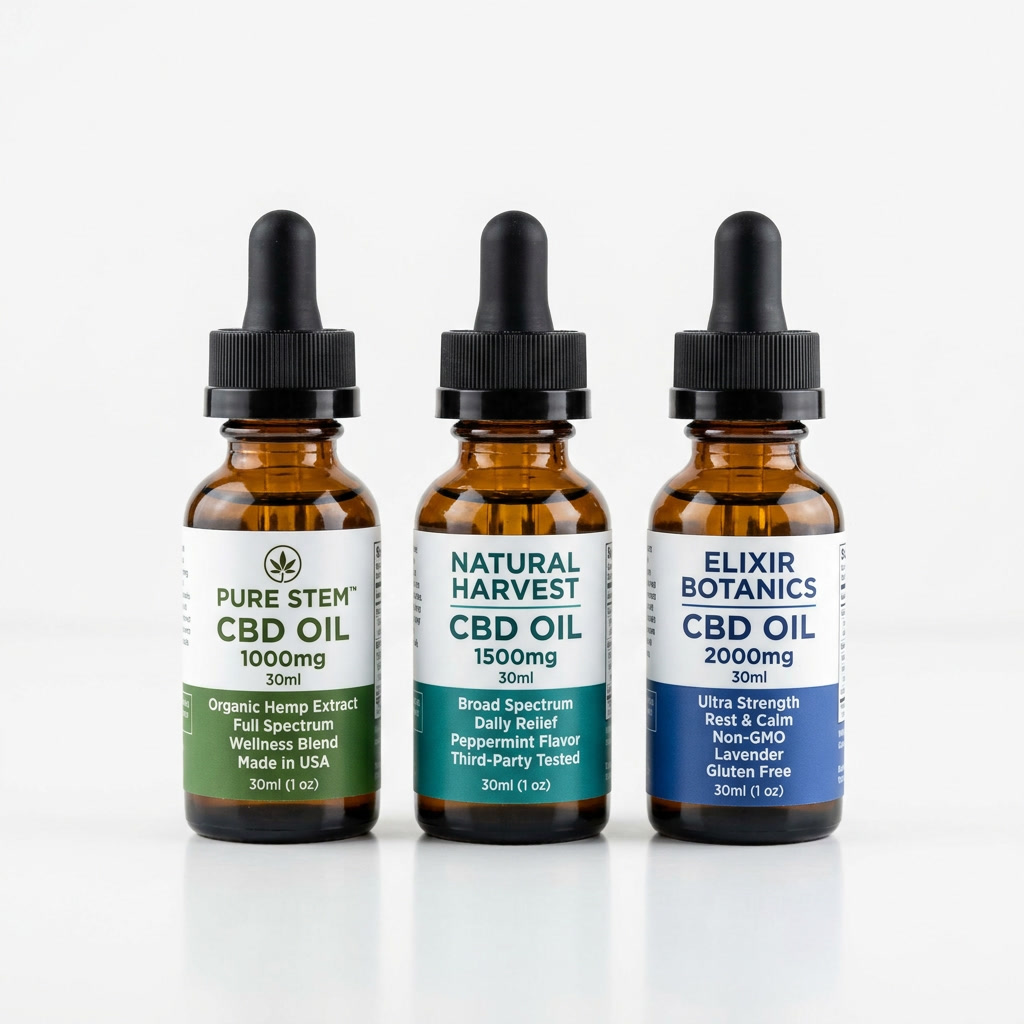
3. Choose a lab-tested product. Only buy CBD with third-party certificates of analysis you can verify. Look at our CBD oils and tinctures as a starting point — purity and transparency matter more when you're considering daily, long-term use.
4. Start low and go slow. Pick a modest dose, keep it consistent, and track how you feel for 3–4 weeks. Remember dose-response here is not well understood, so consistency beats chasing a number.
5. Lean on the proven levers. Prioritize sleep, movement, nutrition, and stress — the lifestyle factors with far stronger evidence than any supplement.
6. Revisit the science occasionally. Preclinical research is moving fast; a genuinely translational human study may land in the next few years. Follow sources that separate promise from proof.
The Bottom Line
The 2023–2026 research on CBD and neuroinflammation is genuinely fascinating — and genuinely early. Studies in rat models, cell cultures, and mice show CBD and related cannabinoids can quiet microglial-driven inflammation, lower inflammatory cytokines, protect the blood-brain barrier, and preserve synaptic integrity. Those are meaningful scientific findings. But the honest headline is this: the human evidence gap is still wide, and no study proves CBD treats any brain or neurodegenerative condition. CBD's promise in this area is real but preliminary. Use the lifestyle levers that are proven, view CBD as a modest complementary option, and keep your expectations aligned with the actual science.
If you're curious about how CBD fits into a broader brain-health routine, explore our wellness guides or start with a quality CBD oil and tincture — and always loop in a clinician before making changes.
We also looked at how this mechanism plays out in two specific conditions where neuroinflammation is implicated: CBD and stroke recovery and CBD and schizophrenia.
This post reflects 2023–2026 published research available as of September 2026 and is for educational purposes; it is not a substitute for professional medical advice.
Find Your Perfect CBD Product
Take our 2-minute quiz to get personalized recommendations based on your needs.
Take the Quiz →Disclaimer: This article is for informational purposes only and does not constitute medical advice. CBD products are not FDA-approved to treat, cure, or prevent any disease. Always consult with a qualified healthcare professional before starting any new supplement, especially if you have a medical condition or take medications.