CBD and Breastfeeding: What Nursing Mothers Should Know in 2026
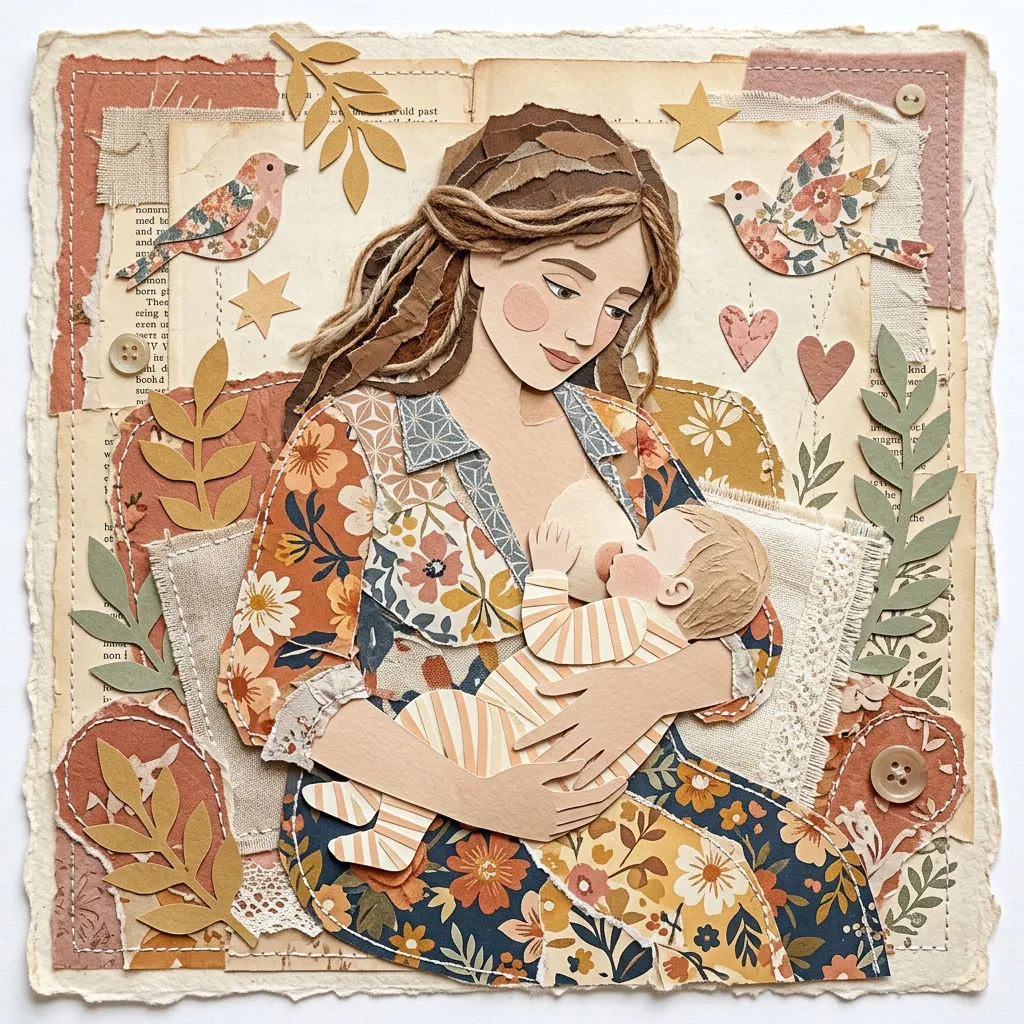
It's 2 a.m., and you're feeding your baby for the third time tonight. You're exhausted, your shoulders ache, and the anxiety that's been humming in the background since the baby arrived won't quiet down. A friend mentioned that CBD helped her sleep and eased her stress, and you've seen the gummies and tinctures everywhere online. It's natural, right? It's from a plant. Surely it's safe while you're nursing.
Here's the honest truth, and it's not what the marketing wants you to hear: the research on CBD and breastfeeding is thin, and the official guidance is cautionary. Cannabinoids like CBD and THC can pass into breast milk, and there is very little direct safety data on what that means for a nursing infant. This article walks you through what the science actually says in 2026, what the experts recommend, and how to make an informed decision if you're a nursing mother considering CBD.
The Honest Truth: Research Is Thin
Let's start with the most important point, stated plainly: we do not have good human data on the safety of CBD during breastfeeding. Most of what we know comes from animal studies, pharmacokinetic modeling, and indirect observations of mothers who use cannabis. That's a far cry from the kind of rigorous clinical trials you'd want before recommending a substance to a nursing mother.
This isn't a knock on CBD itself. It's a statement about the state of the evidence. Because CBD products are largely unregulated as dietary supplements, they haven't been through the kind of safety testing that would answer the breastfeeding question. The result is a genuine knowledge gap, and honest reporting has to acknowledge it rather than paper over it.
It's also worth being clear about what we're not saying. We're not claiming CBD is definitely harmful to a nursing infant — the data simply isn't there to make that claim either way. What we can say with confidence is that the burden of proof hasn't been met. When a substance can reach a developing baby and we don't know what it does there, the responsible default is caution, not reassurance.
Why Cannabinoids End Up in Breast Milk
The reason experts are cautious is straightforward: CBD and THC are fat-soluble compounds, and breast milk is rich in fat. When a mother consumes cannabinoids, they can be detected in her milk. This isn't theoretical — it's been measured.
A 2023 modeling study in Clinical Pharmacokinetics used real-world data to predict CBD exposure in breastfed infants whose mothers used marijuana. The researchers found that CBD does transfer into breast milk and that infant exposure depends heavily on the mother's dose and how often she uses it. The takeaway from that work is not a clean "safe" or "unsafe" answer — it's that meaningful amounts can reach the baby, and the higher the maternal use, the more the infant is exposed.
What the Animal Research Shows
Because human trials are limited, researchers have turned to animal models to understand how CBD behaves in a nursing context. A 2024 study in Cannabis and Cannabinoid Research examined the pharmacokinetics of THC and CBD in adult, newborn, and breastfed rats. The researchers found that both compounds were absorbed and distributed in the body, and that the route of administration and the vehicle (the carrier the compound is delivered in) meaningfully affected how much ended up in the system.
Animal data is useful for understanding mechanisms, but it doesn't translate directly to human babies. Still, it reinforces the core concern: CBD doesn't just stay in the mother's body. It can be transferred to a nursing infant through milk.
Does CBD Change Breast Milk Itself?
Beyond the question of whether CBD reaches the baby, researchers are also asking whether cannabis use changes the composition of breast milk. A 2023 study in Pediatric Research found that cannabis use during lactation may alter the composition of human breast milk. The study suggested that maternal cannabis use could be associated with changes in the milk's makeup, though the clinical significance of those changes isn't yet clear.
More recent work from the Lactation and Cannabis (LAC) Study has added to this picture. A 2026 paper in Breastfeeding Medicine examined the short-term effects of maternal cannabis use on the macronutrient composition of human milk, and a companion 2026 study in the International Journal of Environmental Research and Public Health found volatile organic compound metabolites in the urine of breastfed infants whose mothers used cannabis. That second finding is notable: it shows that compounds from maternal cannabis use are reaching the infant's body, not just sitting in the milk.
The Prevalence Problem: More Women Are Using CBD
This isn't an abstract question for a small number of people. CBD use among women of reproductive age is common and appears to be growing. A 2026 study in Obstetrics & Gynecology examined the nationwide prevalence of CBD use in pregnancy and among women of reproductive age — a group that also includes those managing conditions like PCOS and endometriosis, finding that a meaningful share of this population reports using CBD products.
What's concerning to researchers is the gap between how common use is and how little we know about safety. A 2025 multi-methods study in Medical Cannabis and Cannabinoids looked at how women perceive the risks of cannabis and CBD use during pregnancy. The researchers found that many women underestimated the potential risks, in part because CBD is widely marketed as natural and harmless. That perception gap is exactly why honest, evidence-based information matters.
Why "Natural" Doesn't Mean "Risk-Free"
It's easy to assume that because CBD comes from a plant, it's inherently safe. But the "natural" label tells you nothing about how a compound behaves in a developing infant's body. A 2025 review in the Journal of Clinical Medicine examined the effects of phytocannabinoids on the reproductive system and prenatal development, laying out the mechanisms by which these compounds interact with the body's endocannabinoid system.
The endocannabinoid system plays a role in early development, which is one reason researchers are cautious about exposing a growing infant to external cannabinoids. The review doesn't conclude that CBD is dangerous — it concludes that we don't fully understand the effects, and that caution is warranted until we do.
What the Official Guidance Says
The major medical and public health organizations take a conservative stance. The National Institute of Child Health and Human Development's Drugs and Lactation Database (LactMed) maintains detailed monographs on both cannabis and CBD. The cannabis monograph, updated in 2026, notes that THC and CBD pass into breast milk and advises caution. The CBD monograph, updated in 2025, similarly flags the lack of safety data for use during breastfeeding.
In clinical settings, this caution shows up in practice. A 2025 study in Breastfeeding Medicine examined toxicology screening for marijuana and its impact on breast milk feeding policies in neonatal intensive care units. The researchers found that policies vary widely across NICUs, reflecting the uncertainty in the field. When even the experts can't agree on a uniform approach, it's a strong signal that the evidence isn't settled.
The Labeling Problem: You May Not Know What You're Getting
There's another layer of uncertainty that's easy to overlook: you may not actually know what's in the CBD product you're considering. The CBD market is largely unregulated, and product quality varies widely.
A 2023 surveillance study in Addictive Behaviors examined cannabis retailer marketing strategies and regulatory compliance across five U.S. cities. The researchers found inconsistent compliance and marketing that didn't always match what was actually in the products. For a nursing mother, this matters enormously. A product labeled as "CBD only" could contain trace THC, and a product labeled with one dose could actually contain a very different amount. When you're trying to make a careful, informed decision, an unreliable product makes that impossible.
What This Means for You: A Practical Framework
So where does this leave a nursing mother who's struggling with sleep, stress, or pain and wondering if CBD could help? Here's a practical way to think about it.
First, understand that the default medical guidance is to avoid CBD while breastfeeding, because the potential risks to the infant are not well understood. Second, recognize that the decision is yours to make in consultation with your healthcare provider — not a decision to make based on a product label or a friend's experience. Third, if you and your provider do decide CBD is worth considering, the safest approach is the lowest effective dose, from a source with third-party lab testing, and with careful attention to how your baby responds.
Safer Alternatives to Consider First
Before reaching for CBD, it's worth exploring options with a stronger evidence base for nursing mothers. Sleep hygiene, gentle exercise, and stress-management techniques like deep breathing or short meditation can help with the exhaustion and anxiety that come with a new baby. For physical discomfort, talk to your provider about pain-relief options that are well-studied during breastfeeding.
None of this is to dismiss CBD. It's to say that when the evidence is thin, the responsible move is to exhaust the well-studied options first and treat CBD as a last resort rather than a first choice.
If you do decide, with your provider's input, that a CBD product is worth trying, choose carefully. Look for a brand that provides third-party lab testing with a certificate of analysis you can actually read, confirming the CBD content and showing that THC is absent or negligible. Avoid products with vague labels or unverifiable claims. And remember that a topical product applied to the skin is a very different proposition from an oral tincture or edible — topicals are absorbed far less into the bloodstream, though they still aren't risk-free during breastfeeding.
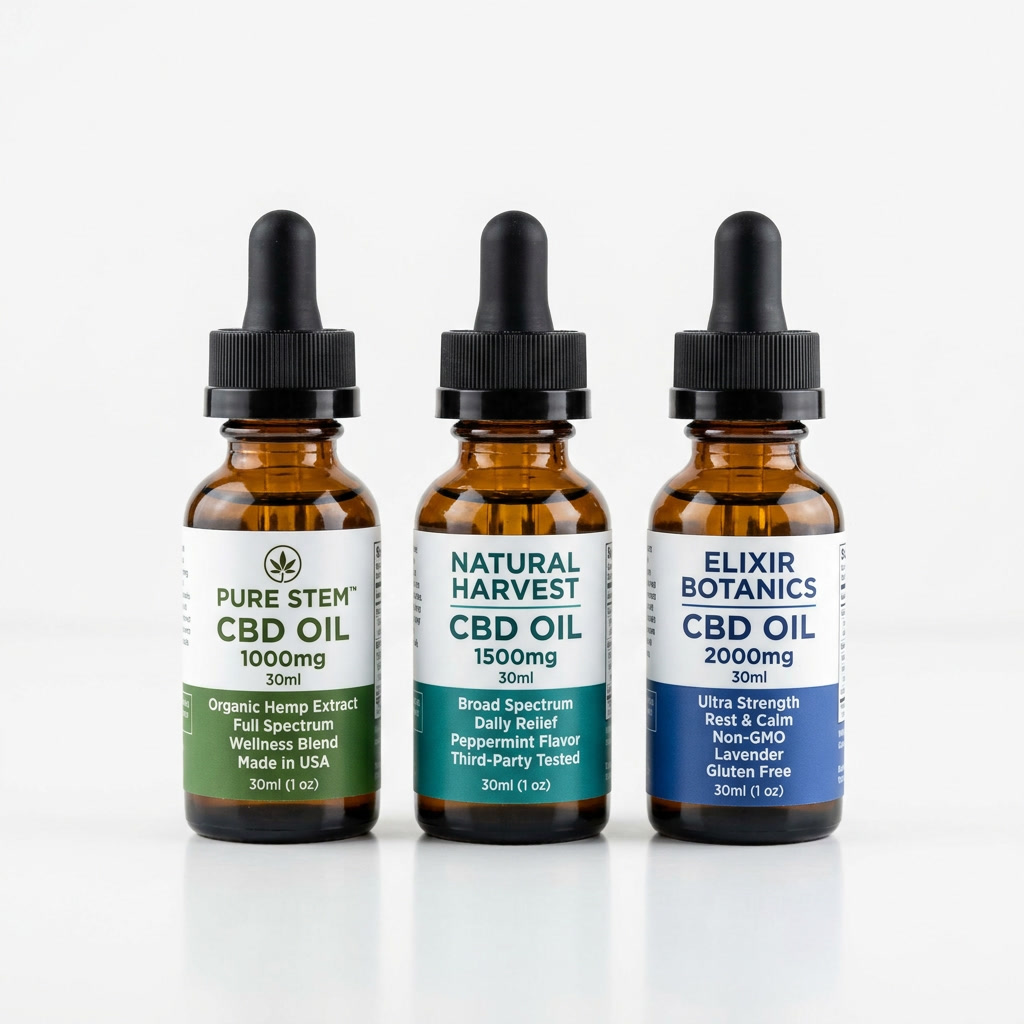
If your provider gives you the go-ahead, you can compare lab-tested options across our CBD oils and tinctures, CBD gummies and edibles, and CBD topicals and creams collections. We publish third-party lab results and full ingredient lists so you can see exactly what you're considering — because when the science is uncertain, knowing precisely what's in the bottle matters more than ever.
Questions to Ask Your Healthcare Provider
If you're genuinely considering CBD while nursing, bring these questions to your doctor, midwife, or lactation consultant:
- What do you know about CBD and breastfeeding, and what's your recommendation for my situation?
- Are there underlying causes of my sleep, stress, or pain that we should address first?
- If we do consider CBD, what dose and form would be least risky?
- How should I watch my baby for any changes if I use a CBD product?
- Is there a safer alternative that's better studied for nursing mothers?
A good provider won't just say "no" — they'll help you weigh the evidence and find the safest path forward.
The Bottom Line
The honest answer to "is CBD safe while breastfeeding?" is that we don't know enough to say yes, and the official guidance reflects that uncertainty. CBD and THC can pass into breast milk, animal and modeling studies show meaningful infant exposure, and there is no solid human safety data to reassure us. The CBD market's labeling problems add another layer of risk. If you're nursing and considering CBD, talk to your healthcare provider, exhaust the well-studied alternatives first, and if you do proceed, use the lowest effective dose from a lab-tested source while watching your baby closely. Your health matters, and so does your baby's — and right now, the evidence simply isn't strong enough to confidently recommend CBD during breastfeeding.
This article is for informational purposes only and is not medical advice. Always consult your healthcare provider before using any supplement, especially while pregnant or breastfeeding.
Find Your Perfect CBD Product
Take our 2-minute quiz to get personalized recommendations based on your needs.
Take the Quiz →Disclaimer: This article is for informational purposes only and does not constitute medical advice. CBD products are not FDA-approved to treat, cure, or prevent any disease. Always consult with a qualified healthcare professional before starting any new supplement, especially if you have a medical condition or take medications.