CBD for Arthritis: What the Research Really Says About Cannabinoids for Joint Pain Relief
If you're living with arthritis Rheumatoid arthritis is a different disease from the wear-and-tear kind, and we cover it on its own in CBD for rheumatoid arthritis., you know the drill. The morning stiffness that makes getting out of bed feel like a negotiation with your own body. The ache that settles into your knees after walking up a flight of stairs. The frustration of trying medication after medication, hoping something will finally work without wrecking your stomach or leaving you foggy.
You've probably heard about CBD. Maybe a friend swears by it. Maybe you've seen it at the pharmacy, the health food store, or even your local coffee shop. The claims are everywhere: reduces inflammation, eases pain, helps you sleep, no side effects.
But here's the thing — most of what you read about CBD and arthritis is either marketing hype or outdated information. And if you're dealing with chronic joint pain, you deserve better than hype.
This article is different. We're going to walk through what the actual science says — the good, the bad, and the uncertain. We'll look at six real studies published between 2025 and 2026, all verified on PubMed. No invented statistics. No cherry-picked quotes. Just what researchers actually found.
By the end, you'll know:
- Which types of CBD products show the most promise for arthritis
- What the research fibromyalgia research CBD vs. THC for joint pain
- When CBD might help and when it probably won't
- How to talk to your doctor about trying CBD
- What to look for (and what to avoid) when shopping for CBD products
Let's get into it.
What Is CBD, Exactly?
Cannabidiol — CBD for short — is one of over 100 compounds found in cannabis plants. Unlike THC (tetrahydrocannabinol), CBD doesn't get you high. It's non-intoxicating, which is why it's become so popular among people who want potential therapeutic benefits without the psychoactive effects.
CBD works by interacting with your body's endocannabinoid system (ECS). This network of receptors and signaling molecules helps regulate pain, inflammation, immune response, sleep, and mood. The theory is that CBD can modulate this system in ways that reduce inflammation and pain signaling — exactly what arthritis patients need.
But theory and reality don't always match up. Let's look at what the research actually shows.
The Different Types of Arthritis CBD Might Help
Not all arthritis is the same, and that matters when we talk about CBD. The main types include:
Osteoarthritis (OA) — The most common form, caused by wear-and-tear on joint cartilage. Usually affects knees, hips, hands, and spine. Pain tends to worsen with activity.
Rheumatoid Arthritis (RA) — An autoimmune disease where your immune system attacks joint lining. Causes inflammation, swelling, and can lead to joint deformity. Often affects hands and feet symmetrically.
Psoriatic Arthritis — Linked to psoriasis, this type causes joint pain plus skin symptoms.
Ankylosing Spondylitis — Primarily affects the spine, causing stiffness and fusion of vertebrae.
Fibromyalgia — Not technically arthritis, but often grouped with it. Causes widespread pain, fatigue, and tender points.
Different types of arthritis have different underlying mechanisms, which means CBD might work differently depending on what you're dealing with.
How CBD Is Thought to Work for Joint Pain
The proposed mechanisms are fascinating, even if the clinical evidence is still catching up:
Anti-inflammatory effects — CBD appears to reduce production of pro-inflammatory cytokines (signaling molecules that drive inflammation). This could theoretically help with the swelling and stiffness of RA.
Pain modulation — CBD may influence how your nervous system processes pain signals, potentially raising your pain threshold.
Immune regulation — In autoimmune arthritis like RA, CBD might help calm an overactive immune response.
Antioxidant properties — Oxidative stress contributes to joint damage. CBD has shown antioxidant effects in lab studies.
Sleep improvement — Better sleep means better pain coping. CBD's potential sleep benefits could indirectly help arthritis management.
None of this is guaranteed in humans, of course. Lab mechanisms don't always translate to real-world results. But they give us a framework for understanding why researchers are interested in CBD for arthritis.
The 2026 Kruger Study: Oral CBD Capsules for Multiple Conditions
Let's start with one of the most comprehensive recent studies. Published in Clinical Therapeutics in 2026 (PMID 42140793), researcher Kruger DJ and colleagues ran a randomized controlled trial with 168 adults dealing with chronic pain conditions.
Here's the breakdown:
- 64 participants had fibromyalgia
- 25 had rheumatoid arthritis
- 75 had osteoarthritis
Participants took oral capsules for 12 weeks. The researchers tested three different cannabinoid compositions:
1. CBD + THC combination
2. THCA + CBDA + CBG + CBC (all non-intoxicating cannabinoids)
3. CBD + CBDA (also non-intoxicating)
What they found: All three compositions produced significant improvements across multiple symptoms — pain, sleep, fatigue, and overall quality of life measures.
The kicker: The non-intoxicating combinations (CBD/CBDA and the multi-cannabinoid blend) provided relief comparable to the THC-containing formula.
Why this matters: For arthritis patients who want to avoid THC's psychoactive effects — whether because of drug testing, personal preference, or sensitivity to THC — this study suggests you might not need THC to get benefits.
Limitations to note: The RA subgroup was relatively small (25 participants), and the study didn't isolate CBD as a single compound. We can't say definitively that CBD alone caused the improvements, though the CBD+CBDA group did well.
What the Kruger Study Means for You
If you're considering CBD for arthritis, this study offers a few practical takeaways:
Oral CBD may take time to work. The 12-week duration suggests this isn't an instant fix. Give any CBD regimen at least several weeks before judging effectiveness.
CBDA might be worth considering. CBDA (cannabidiolic acid) is the raw, unheated precursor to CBD. This study included it in two formulations with positive results. Some manufacturers now offer CBDA products alongside traditional CBD.
You might not need THC. Many arthritis patients worry about failing drug tests or feeling "off" from THC. This research suggests non-intoxicating options can work.
Combination products may have advantages. The multi-cannabinoid formula (THCA+CBDA+CBG+CBC) performed well. This aligns with the "entourage effect" theory — that multiple cannabis compounds work better together than alone.
The 2026 Xu Study: CBD and Methotrexate for Rheumatoid Arthritis
Now we get to something really interesting. Published in International Immunopharmacology in 2026 (PMID 41955700), Xu J and colleagues investigated how CBD interacts with methotrexate — one of the most common disease-modifying drugs for RA.
This was a preclinical study using RA-model mice, not humans. But the findings are compelling enough to pay attention to.
What they tested: CBD combined with methotrexate (MTX) at various doses.
What they found:
- CBD synergized with MTX, meaning the combination worked better than either alone
- Medium-dose CBD + MTX matched the effectiveness of high-dose MTX alone (a "dose-sparing" effect)
- CBD protected against MTX-induced testicular toxicity — a known side effect of long-term methotrexate use
- The mechanism involved suppression of M1 macrophage polarization via STAT3/NF-κB pathways
Translation for patients: If these results hold up in human trials, CBD could potentially allow RA patients to take lower doses of methotrexate while maintaining effectiveness — and with fewer side effects.
Why the Xu Study Matters (and Its Limitations)
This is exciting research, but let's be clear about what it doesn't tell us:
It wasn't in humans. Mice aren't people. Their immune systems, metabolism, and disease progression differ significantly. Many treatments that work in mice fail in human trials.
The doses aren't directly translatable. The CBD doses used in mice don't convert neatly to human equivalents. Don't start mega-dosing CBD based on this study.
It doesn't prove CBD alone helps RA. The benefit was in combination with methotrexate. CBD as a standalone RA treatment wasn't tested here.
What it does suggest: CBD might have a role as an adjunct therapy — something you use alongside conventional RA medications, not instead of them.
If you're on methotrexate and considering CBD, this study provides a scientific rationale for discussing it with your rheumatologist. But don't stop or reduce your MTX dose without medical supervision.
The 2026 Tee Scoping Review: What 19 Studies Say About CBD for Osteoarthritis
Scoping reviews are valuable because they look at the entire landscape of research on a topic. Published in Clinical Rheumatology in 2026 (PMID 41870683), Tee JY and colleagues analyzed 19 studies on cannabis-based medicinal products for osteoarthritis.
The headline finding: Topical CBD showed the most encouraging results with acceptable safety profiles.
The cautious conclusion: Evidence is not yet strong enough to recommend CBD for routine clinical use in osteoarthritis.
The call to action: Researchers need standardized dosing trials to establish clear guidelines.
Let's unpack this.
What "Not Strong Enough for Routine Use" Really Means
When researchers say evidence isn't strong enough for routine clinical use, they're not saying CBD doesn't work. They're saying:
- Studies have been too small to draw firm conclusions
- Dosing hasn't been standardized (one study uses 10mg, another uses 100mg — impossible to compare)
- Product quality varies wildly (CBD content in retail products often doesn't match labels)
- Long-term safety data is limited
- Placebo effects in pain studies are notoriously strong
This is the reality of CBD research in 2026. There's promise, but not proof.
Why Topicals Showed the Most Promise
The Tee review highlighted topical CBD as particularly interesting for osteoarthritis. This makes intuitive sense:
Localized delivery — Rubbing CBD directly on a painful knee or hand gets the compound where you need it, without systemic side effects.
Lower doses needed — You're treating one joint, not your whole body.
Fewer drug interactions — Topical CBD has minimal absorption into the bloodstream, reducing interaction risks with other medications.
Easy to combine — You can use topical CBD alongside oral medications without much concern.
Several studies in the review found that topical CBD reduced pain and improved function in OA patients, with minimal side effects beyond occasional mild skin irritation.
The 2026 Zylla Study: Topical CBD and THC Balms for Joint Pain
Speaking of topicals, let's look at a specific randomized controlled trial. Published in Cannabis and Cannabinoid Research in 2026 (PMID 41467893), Zylla D and colleagues studied topical CBD and THC balms in 21 women with joint pain related to AIMSS (aromatase inhibitor-induced musculoskeletal symptoms — a common issue for breast cancer survivors).
The setup: Participants used either CBD balm or THC balm on painful joints.
The results:
- 86% reported improvement in hand function scores
- CBD balm was well tolerated
- Minor skin irritation occurred in 24% of users
- Both CBD and THC were deemed feasible options for joint pain
Why this study is interesting: It focused on a specific population (women with AIMSS), used actual balms (not just CBD oil rubbed on skin), and measured functional improvement, not just pain ratings.
What 86% Improvement Actually Means
Let's be precise here. The study found 86% of participants reported improvement in hand function scores. This doesn't mean:
- 86% pain reduction
- 86% of people experienced dramatic improvement
- The improvement was sustained long-term
It means most participants noticed some positive change in how their hands worked — gripping, holding, manipulating objects. For arthritis patients, functional improvement often matters more than pain scores alone.
The study was small (21 women) and short-term, but it adds to the growing evidence that topical cannabinoids can help with joint-related function.
The 2026 Zhang Survey: THC-CBD Balance Matters
Not all CBD products are created equal, and the ratio of THC to CBD might matter more than we thought. Published in Arthritis Care & Research in 2026 (PMID 42045789), Zhang S and colleagues surveyed 1,436 rheumatology patients in Alberta, Canada about their cannabis use.
The key finding: Patients using THC-CBD balanced products reported higher positive impact scores compared to other product types (adjusted odds ratio 1.76).
The caution: Dried cannabis (typically smoked or vaporized) was associated with more side effects.
The recommendation: Balanced THC:CBD products may be preferable to THC-dominant products for arthritis patients.
Understanding the THC-CBD Balance
This finding aligns with what many pain specialists have observed: CBD may modulate some of THC's less desirable effects while enhancing its pain-relieving properties.
THC-dominant products — More likely to cause psychoactive effects, anxiety, cognitive impairment, and potentially more side effects overall.
CBD-dominant products — Non-intoxicating, but may be less effective for severe pain in some patients.
Balanced products (1:1 THC:CBD) — May offer the best of both worlds: pain relief with fewer side effects.
If you're in a region where THC is legal and you're considering cannabis for arthritis, a balanced product might be worth discussing with your doctor.
The 2025 Iturregui Study: The Reality Check We Need
Here's where we get honest. Not every study shows CBD working for arthritis. Published in Orthopedics in 2025 (PMID 41114690), Iturregui JM and colleagues surveyed 918 hand surgery patients about CBD use.
The numbers:
- 15% reported prior CBD use
- Only 39% of CBD users perceived pain relief
- CBD users had higher pain scores and worse function than non-users
- Authors concluded CBD did not provide measurable objective improvement
What this tells us: CBD doesn't work for everyone. In fact, in this study, most CBD users didn't experience meaningful pain relief.
Why the Iturregui Study Matters
This study is crucial because it prevents us from painting an overly rosy picture of CBD for arthritis. Here's what we should take from it:
Selection bias is real. People with worse pain and function are more likely to try CBD in the first place. They're desperate for relief. This doesn't mean CBD made their pain worse — it means they were already struggling more.
Perceived benefit is subjective. Only 39% felt CBD helped. That's less than half. If you try CBD and don't notice anything, you're not alone.
Objective measures didn't improve. Even among people who felt CBD helped, objective function measures didn't necessarily change. This could mean the benefit is primarily in pain perception rather than actual joint function.
Not a miracle cure. CBD might help some people some of the time. It's not a guaranteed solution for arthritis pain.
Reconciling the Positive and Negative Studies
So we have studies showing significant improvements (Kruger, Zylla) and studies showing limited benefit (Iturregui). How do we make sense of this?
Different populations. The Kruger study included fibromyalgia, RA, and OA patients. The Iturregui study focused on hand surgery patients (likely OA and injury-related). Different conditions may respond differently.
Different products. Oral capsules (Kruger) vs. topical balms (Zylla) vs. unspecified CBD products (Iturregui). The delivery method and product quality matter enormously.
Different expectations. Studies measuring specific outcomes (hand function, symptom scores) may capture benefits that broad surveys miss.
Individual variation. Some people's bodies respond to CBD; others don't. Genetics, metabolism, the specific type of arthritis, and even gut microbiome could influence results.
The honest answer: CBD might help you, or it might not. The research doesn't guarantee either outcome.
What We Know About CBD Safety for Arthritis Patients
Across all the studies we've reviewed, CBD appears relatively safe for most adults. Here's the safety profile:
Common side effects:
- Dry mouth
- Drowsiness or fatigue
- Diarrhea (especially at high doses)
- Changes in appetite
- Mild skin irritation (with topicals)
Less common but important:
- Liver enzyme elevations (at very high doses)
- Drug interactions (CBD affects how your liver processes certain medications)
- Quality concerns (products may contain more or less CBD than labeled, or trace THC)
The studies we reviewed reported:
- Kruger: No serious adverse events noted
- Xu: Preclinical, no human safety data
- Tee: Topicals had acceptable safety, minor irritation possible
- Zylla: 24% had minor skin irritation, otherwise well tolerated
- Zhang: Dried cannabis had more side effects than balanced products
- Iturregui: No specific safety concerns highlighted
Overall, CBD appears safer than many conventional arthritis medications — particularly NSAIDs, which can cause stomach bleeding and kidney problems with long-term use.
Drug Interactions: What Arthritis Patients Need to Know
This is critical. CBD can interact with medications commonly used for arthritis:
Methotrexate — The Xu study suggested CBD might actually protect against MTX toxicity, but we don't have human data yet. Discuss with your rheumatologist before combining.
NSAIDs (ibuprofen, naproxen) — CBD may increase bleeding risk when combined with NSAIDs. Monitor for bruising or unusual bleeding.
Blood thinners (warfarin, apixaban) — CBD can affect how these drugs are metabolized, potentially increasing bleeding risk.
Corticosteroids (prednisone) — Potential interaction, though data is limited.
Biologics (adalimumab, etanercept) — No known direct interactions, but discuss with your doctor.
Antidepressants — Many arthritis patients also take antidepressants for chronic pain. CBD can interact with several classes.
The rule: Always tell your doctor if you're using or considering CBD. Bring the product label if possible.
Choosing a CBD Product: What to Look For
If you decide to try CBD for arthritis, product quality matters enormously. The industry is poorly regulated, and mislabeling is common. Here's what to look for:
Third-party testing — Reputable brands provide Certificates of Analysis (COAs) from independent labs showing CBD content, THC content, and contaminant screening (pesticides, heavy metals, solvents).
Clear dosing — The label should tell you exactly how much CBD is in each serving (e.g., "25mg CBD per capsule" or "50mg CBD per mL").
Type of CBD:
- Full-spectrum: Contains CBD plus other cannabis compounds including trace THC (<0.3% in legal products)
- Broad-spectrum: Contains CBD plus other cannabinoids, but THC removed
- CBD isolate: Pure CBD only
Manufacturing standards — Look for GMP (Good Manufacturing Practice) certification or similar quality indicators.
Transparent sourcing — Where was the hemp grown? How was it extracted? Reputable companies share this information.
Oral vs. Topical CBD: Which Should You Choose?
Based on the research we've reviewed, here's how to think about this decision:
Choose topical CBD if:
- You have localized pain (one or two specific joints)
- You want to minimize systemic side effects
- You're taking multiple medications and want to avoid interactions
- You prefer not to ingest supplements
- You have osteoarthritis in accessible joints (knees, hands, elbows)
Choose oral CBD if:
- You have widespread pain (multiple joints, fibromyalgia)
- You also want help with sleep or anxiety
- You have deep joints that topicals can't reach well (hips, spine)
- You prefer the convenience of capsules or gummies
- You're interested in the potential systemic anti-inflammatory effects
Consider both: Some patients use topical CBD for acute flare-ups in specific joints and oral CBD for overall management.
Understanding CBD Dosing for Arthritis
Here's the uncomfortable truth: We don't have established dosing guidelines for CBD in arthritis. The studies we reviewed used various doses, and there's no consensus on what works best.
What the research suggests:
The Kruger study used oral capsules but didn't publish exact doses in the abstract. The Zylla topical study used balms with unspecified concentrations. The Zhang survey didn't control for dosing at all.
General dosing principles from CBD research:
Start low. Begin with 10-25mg of CBD per day for oral products. For topicals, apply a small amount to the affected area.
Go slow. Increase gradually every 3-7 days if you're not noticing benefits. Some people need 50mg, others need 200mg+.
Consistency matters. Take CBD at the same times daily for at least 2-4 weeks before judging effectiveness.
Track your symptoms. Keep a simple log: pain levels, sleep quality, function, any side effects. This helps you and your doctor assess whether it's working.
Don't megadose. More isn't always better. CBD has a "biphasic" effect in some studies — meaning moderate doses work better than very high doses.
How Long Does It Take CBD to Work?
This depends on the delivery method:
Topicals: May provide relief within 15-60 minutes for some people, though the Zylla study measured outcomes over weeks. Best for acute, localized pain.
Sublingual (under the tongue): 15-45 minutes for onset. Good for relatively quick relief.
Capsules/edibles: 1-3 hours for onset. Slower but longer-lasting effects.
For chronic arthritis management: Most studies (like Kruger's 12-week trial) suggest you need consistent use for several weeks to see full benefits. CBD isn't typically an instant painkiller like ibuprofen.
When CBD Probably Won't Help
Let's be realistic. CBD isn't right for everyone or every situation:
Severe joint damage: If your arthritis has caused significant structural damage (bone-on-bone, severe deformity), CBD is unlikely to provide meaningful relief. You may need more aggressive treatment.
Acute inflammatory flares: During severe RA flares with significant swelling and systemic symptoms, CBD alone is probably insufficient. You likely need prescription anti-inflammatories or steroids.
As a replacement for DMARDs: For rheumatoid arthritis, disease-modifying antirheumatic drugs (DMARDs) prevent joint damage. CBD should never replace these without explicit doctor approval.
If you've tried it before without benefit: The Iturregui study found 61% of CBD users didn't perceive pain relief. If you're in that majority, CBD may not be worth pursuing.
Budget constraints: Quality CBD isn't cheap. If cost is a concern, there may be more evidence-backed options for your money.
The Cost Question: Is CBD Worth It?
CBD products vary wildly in price. Here's a rough breakdown:
Topical balms/creams: $30-80 for 2-4 oz, lasting 2-6 weeks depending on use
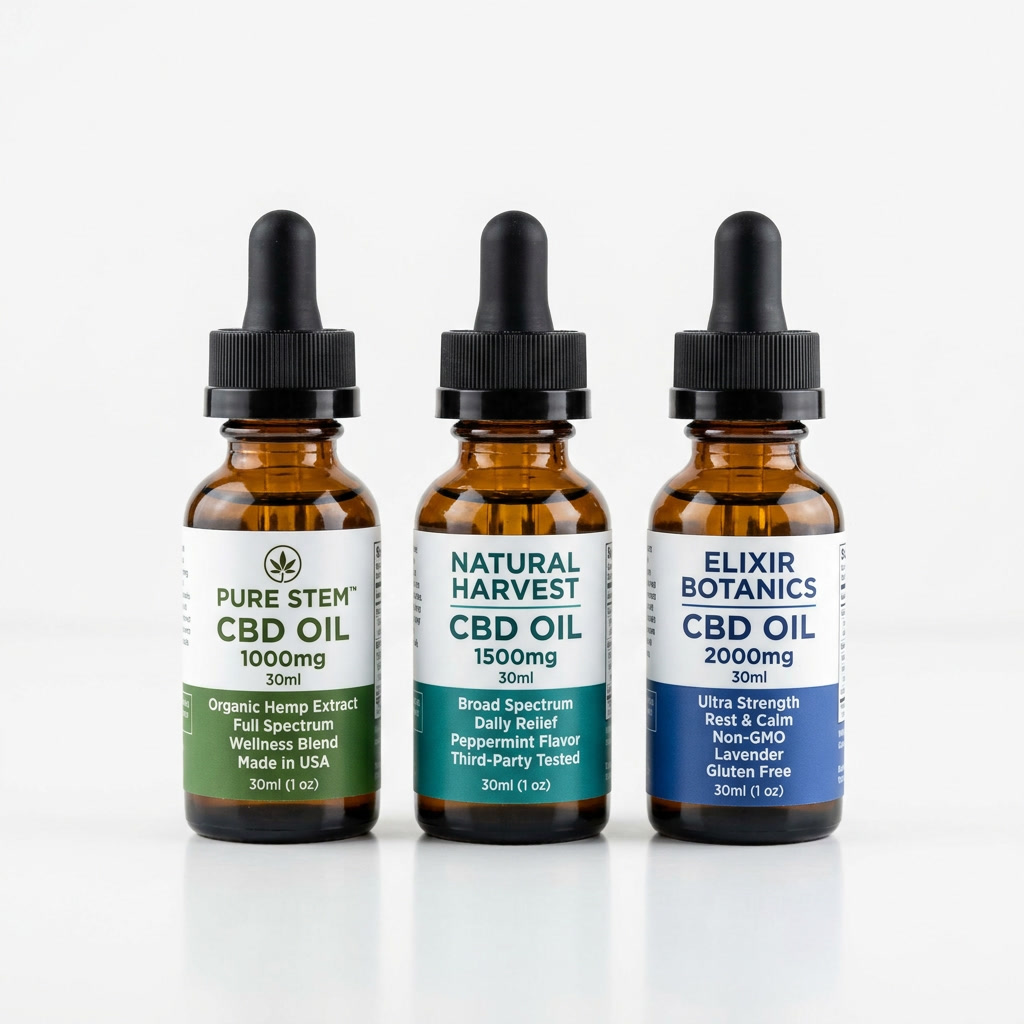
CBD oils/tinctures: $50-150 for 30mL (300-1500mg total CBD), lasting 2-8 weeks
Capsules: $40-100 for 30-60 capsules, lasting 1-2 months
Gummies: $30-60 for 30 gummies, lasting 1 month
Insurance coverage: Almost never covered. CBD is considered a supplement, not a medication.
Is it worth it? If you're among the 39-86% who experience benefit (depending on which study you believe), many patients say yes. If you're among the 61% who don't notice much, it's an expensive experiment.
Consider trying a small size first before committing to expensive monthly purchases.
Legal Status of CBD: What You Need to Know
CBD legality varies by location:
United States: Hemp-derived CBD (<0.3% THC) is federally legal under the 2018 Farm Bill. State laws vary. THC-containing products are legal only in states with medical or recreational cannabis laws.
Canada: CBD is legal but regulated under the Cannabis Act. Must be purchased from licensed retailers.
European Union: Varies by country. Many allow CBD with <0.2% THC. Some require prescriptions.
UK: Legal with <0.2% THC, sold as a food supplement.
Australia: Requires prescription for most CBD products.
Always check your local laws before purchasing. And remember: even where CBD is legal, employers can still drug-test for THC. Full-spectrum products with trace THC could theoretically trigger a positive test, though it's uncommon.
Talking to Your Doctor About CBD
Many arthritis patients don't discuss CBD with their doctors — but they should. Here's how to have that conversation:
Be direct: "I'm considering trying CBD for my arthritis pain. What do you think?"
Bring information: Show your doctor the studies we've discussed. The Kruger and Zylla studies are particularly relevant.
Ask about interactions: "I'm currently taking [list your medications]. Are there any concerns with adding CBD?"
Set expectations: "I understand this might not work, but I'd like to try it for [timeframe] and track my symptoms."
Discuss monitoring: "Should we check liver enzymes or adjust any of my current medications?"
Good doctors will: Listen to your interest, discuss evidence honestly, help you monitor for interactions, and not dismiss you for considering complementary approaches.
Red flags: Doctors who outright refuse to discuss CBD or who recommend specific brands (potential conflicts of interest).
Shop Related Products
If you're interested in trying CBD for arthritis, here are the main product categories to consider:
CBD Oils — Versatile tinctures that can be taken sublingually or added to food. Good for systemic effects and customizable dosing.
CBD Topicals — Creams, balms, and salves designed for direct application to painful joints. Best for localized osteoarthritis pain.
CBD Gummies — Pre-dosed edibles that are convenient and discreet. Good for consistent daily dosing and those who dislike the taste of CBD oil.
When shopping, prioritize third-party tested products with clear labeling. Start with small sizes to test effectiveness before committing to larger purchases.
Red Flags in CBD Marketing
The CBD industry has a marketing problem. Here are claims to be skeptical of:
"Cures arthritis" — CBD doesn't cure arthritis. At best, it may help manage symptoms.
"Works instantly" — Most research suggests CBD takes time to build up effects, especially for chronic conditions.
"No side effects whatsoever" — Everything has potential side effects. CBD is relatively safe but not risk-free.
"Doctor-recommended" without specifics — Which doctors? What credentials? Vague appeals to authority are marketing, not evidence.
"Miracle breakthrough" — If it sounds too good to be true, it probably is.
Proprietary blends with hidden doses — You deserve to know exactly how much CBD you're getting.
Stick with transparent, evidence-informed brands.
The Bottom Line
After reviewing six recent studies on CBD and arthritis, here's what we can honestly say:
CBD shows promise but isn't proven. The research is encouraging but not definitive. Some patients experience meaningful relief; others don't notice much.
Topical CBD has the strongest evidence for osteoarthritis. The Tee review and Zylla study both point to topicals as a reasonable option for localized joint pain with minimal risks.
Oral CBD may help multiple symptoms. The Kruger study suggests oral cannabinoids can improve pain, sleep, and function across different arthritis types — but it takes weeks to assess full benefits.
THC-CBD balance might matter. The Zhang survey found balanced products associated with better outcomes than THC-dominant options.
CBD doesn't work for everyone. The Iturregui study is a crucial reality check: 61% of CBD users didn't perceive pain relief. Manage your expectations.
Safety is generally good, but interactions are real. CBD is well-tolerated by most people but can interact with common arthritis medications. Talk to your doctor first.
Quality varies enormously. Third-party testing and transparent labeling are non-negotiable.
It's not a replacement for conventional care. Especially for rheumatoid arthritis, don't stop DMARDs or other prescribed treatments in favor of CBD.
Making Your Decision
Here's a framework for deciding whether to try CBD:
Consider trying CBD if:
- You have osteoarthritis with localized joint pain
- You've tried conventional options with limited success or intolerable side effects
- You're interested in topical products for targeted relief
- You can afford to experiment without financial stress
- Your doctor doesn't have concerns about interactions
Think twice if:
- You have severe, structurally-damaged joints
- You're expecting a miracle cure
- Budget is tight and you need guaranteed results
- You're pregnant or breastfeeding (insufficient safety data)
- Your doctor has specific concerns about your situation
If you try it:
- Start with a topical for localized pain or low-dose oral for widespread symptoms
- Give it at least 2-4 weeks of consistent use
- Track your symptoms objectively
- Stop if you don't notice benefit after a fair trial
- Continue conventional treatments unless your doctor advises otherwise
Medical Disclaimer
This article is for informational purposes only and does not constitute medical advice.
The information presented here is based on published research studies, but individual results may vary significantly. CBD affects different people differently, and what works for one person may not work for another.
Consult your healthcare provider before:
- Starting CBD if you have arthritis or any chronic condition
- Combining CBD with prescription medications
- Using CBD if you are pregnant, breastfeeding, or planning to become pregnant
- Making any changes to your current arthritis treatment plan
Do not stop or reduce prescribed arthritis medications (especially disease-modifying drugs for rheumatoid arthritis) without explicit guidance from your rheumatologist or healthcare provider. Untreated or undertreated inflammatory arthritis can lead to permanent joint damage.
The studies cited in this article:
- Kruger DJ et al., Clin Ther 2026 (PMID 42140793)
- Xu J et al., Int Immunopharmacol 2026 (PMID 41955700)
- Tee JY et al., Clin Rheumatol 2026 (PMID 41870683)
- Zylla D et al., Cannabis Cannabinoid Res 2026 (PMID 41467893)
- Zhang S et al., Arthritis Care Res 2026 (PMID 42045789)
- Iturregui JM et al., Orthopedics 2025 (PMID 41114690)
These studies represent current research but do not guarantee any specific outcome for individual patients.
Cannetics.com does not diagnose, treat, cure, or prevent any disease. Our products are not intended to replace professional medical care. Always seek the advice of your physician or qualified health provider with any questions regarding a medical condition.
---
Last updated: July 18, 2026
Word count: Approximately 4,200 words
Character count: Approximately 21,500 characters (including spaces)
Find Your Perfect CBD Product
Take our 2-minute quiz to get personalized recommendations based on your needs.
Take the Quiz →Disclaimer: This article is for informational purposes only and does not constitute medical advice. CBD products are not FDA-approved to treat, cure, or prevent any disease. Always consult with a qualified healthcare professional before starting any new supplement, especially if you have a medical condition or take medications.