CBD and Psoriasis: What the 2026 Research Actually Says About Skin Relief
The patch on your elbow started as a small red flake, barely worth a glance. Now it's an itchy, silvery plaque that your sleeve keeps rubbing raw, and you've quietly started wearing long sleeves to hide it. If you live with psoriasis, you know this cycle: the flare, the embarrassment, the endless rotation of creams that work for a while and then stop. So when a friend mentions CBD for psoriasis, it's natural to wonder whether a few drops of oil or a balm could do what the pharmacy shelves haven't. It's also natural to be skeptical, because psoriasis is complicated, and the internet is full of both miracle claims and dismissive hot takes. The truth sits somewhere in the middle. In recent years, researchers have started taking a serious look at CBD for skin conditions, and a landmark 2026 placebo-controlled trial tested it directly in psoriasis patients for the first time. Here's what the research actually shows, what it doesn't, and how to think about CBD realistically — so you can make an informed choice instead of chasing another empty promise.
What Psoriasis Is, and Why Inflammation Matters
Psoriasis is a chronic autoimmune condition that affects the skin. In someone with psoriasis, the immune system mistakenly attacks healthy skin cells, speeding up their life cycle so dramatically that new cells pile up on the surface before old ones can shed. The result is the classic thickened, scaly, red patches known as plaques.
Two things drive that visible damage. The first is keratinocyte overgrowth — the abnormal, rapid proliferation of the skin cells that make up the outer layer. The second is chronic inflammation, fueled by a flood of pro-inflammatory signals and oxidative stress. As a 2023 review in Molecules explains, psoriasis involves a disturbed redox balance that tips toward oxidation, triggering oxidative modifications of lipids and proteins, prolonged immune cell activation, and the release of pro-inflammatory cytokines that sustain the disease. Understanding this backdrop matters because CBD's proposed benefits in psoriasis all point back to those same mechanisms: inflammation, oxidative stress, and runaway cell growth.
The Endocannabinoid System Lives in Your Skin
CBD works partly through the endocannabinoid system (ECS), a signaling network that helps regulate everything from mood to appetite — and, it turns out, skin health. The skin has its own endocannabinoid system, with receptors and enzymes expressed across the epidermis, hair follicles, and sebaceous glands.
A 2023 review in the International Journal of Molecular Sciences notes that cannabinoids interact with the human endocannabinoid system in the skin, and that a growing body of research suggests they could hold promise for conditions including eczema, psoriasis, acne, and pruritus. The key receptors are CB1 and CB2, and for skin conditions the CB2 receptor gets the most attention because it's heavily involved in immune and inflammatory responses. When CBD interacts with these pathways, the theory goes, it may help calm the inflammation and normalize the skin cell turnover that psoriasis disrupts.
The Big 2026 Trial: What a Real Placebo-Controlled Study Found
The most important recent development is the first randomized, double-blind, placebo-controlled trial of oral CBD oil specifically in people with chronic plaque psoriasis. Published in the Journal of Dermatological Treatment, the 2026 study enrolled 28 participants who took either 60 mg of oral CBD oil per day or a placebo, with researchers tracking the Psoriasis Area and Severity Index (PASI), itch, quality of life, and sleep.
The results are more honest than hype-heavy headlines. The CBD group did not show a significant improvement in PASI scores compared to placebo. However, there was a notable reduction in itch scores by Week 8, and sleep onset latency decreased by Week 6, though that sleep effect wasn't sustained. Importantly, CBD oil was well-tolerated, with adverse events that were mild to moderate and similar across both groups.
> The 2026 trial concluded that CBD oil was well-tolerated, but it did not significantly improve PASI scores in chronic plaque psoriasis patients.
That distinction matters. It's the strongest clinical evidence we have so far, and it says CBD is safe and may help with the symptom burden — especially itching — even if it isn't a proven disease-modifier for plaque severity in a small 28-person trial.
What the Reviews Conclude About CBD's Mechanisms
Across the recent literature, reviewers point to several plausible mechanisms for why CBD might help psoriasis skin, even as they stress that most of the evidence is still early-stage.
A 2024 review in Psoriasis: Targets and Therapy summarizes that CBD treatment may reduce inflammation, oxidative stress, and itching, as well as the abnormal proliferation of keratinocytes, and may increase skin hydration. Each of those maps directly onto a psoriasis problem:
- Anti-inflammatory: CBD appears to dampen pro-inflammatory signaling, which is central to flare severity.
- Antiproliferative: By influencing keratinocyte division, CBD may help slow the rapid cell buildup behind plaques.
- Oxidative stress: CBD's antioxidant activity may counter the redox imbalance that fuels chronic inflammation.
- Hydration: Better skin moisture can ease dryness and scaling that make psoriasis plaques uncomfortable.
A 2025 review in the Journal of Cosmetic Dermatology reached a similar conclusion, describing preclinical evidence that CBD may have therapeutic potential for a variety of skin conditions, plus evidence for skin-moisturizing properties that could offer cosmetic benefits. The same review is candid that, to date, there is only limited clinical evidence that CBD benefits acne, dermatitis, and psoriasis.
Animal Research Adds a Piece of the Puzzle
Beyond the human trial, animal models offer a window into how CBD-based combinations might work. A 2023 study in Chemical Biology & Drug Design used an imiquimod-induced psoriasis mouse model to test various nutraceutical combinations. The researchers found that krill oil combined with CBD and myo-inositol produced the best results, reducing the skin thickness, scaling, and erythema scored on the PASI system. The authors suggested such natural combinations could eventually offer an alternative to existing steroidal and nonsteroidal anti-inflammatory drugs for psoriasis.
This is encouraging, but it's important to be clear: mice aren't people, and imiquimod-induced psoriasis is a model, not the disease itself. Treat animal data as supporting evidence, not proof.
Topical vs Oral CBD for Psoriasis
One of the first decisions is how to take CBD, and for psoriasis there's a real distinction between topical and oral routes.
Topical CBD (creams, balms, and lotions) targets the skin directly. The logic is intuitive: apply it to the plaque, and the CBD interacts with skin receptors right where the inflammation and cell overgrowth are happening. It also pairs naturally with skin-friendly ingredients and moisturizers that address dryness and scaling. A 2023 review in Molecules notes that CBD's effects on skin cells have been evaluated in vitro and ex vivo, supporting the idea that direct application can influence keratinocytes. Topicals are a reasonable place to start for localized plaques.
Oral CBD (oils, capsules, gummies) works systemically, through the whole body. This is the route tested in the 2026 randomized trial, which found itch relief but not a significant change in plaque severity. Oral CBD may be more relevant if your psoriasis is widespread, or if the condition is tied to broader systemic inflammation.
For many people, a combined approach makes sense: a topical balm for stubborn plaques and an oral oil for overall inflammatory balance and itch. Whatever you choose, consistency and patience are essential, because skin changes are slow.
Set Realistic Expectations
The honest summary of the evidence is that CBD is promising but not proven for psoriasis. The 2026 human trial showed itch improvement but no significant plaque reduction. The reviews that support CBD lean heavily on preclinical and animal data. As the 2023 International Journal of Molecular Sciences review states plainly, most of the available data are at the preclinical stage, and comprehensive, large-scale randomized controlled trials have not yet been fully conducted.
What this means in practice:
- CBD may help with itching and comfort, which are often the most disruptive symptoms day to day.
- CBD is not established as a replacement for conventional psoriasis treatment.
- Improvements, if they come, tend to be gradual and vary person to person.
- Treat CBD as a complementary tool, not a cure.
Safety and Drug Interactions
Psoriasis often comes with other health conditions, and that raises the question of whether CBD is safe alongside your other medications. The 2026 trial found CBD oil well-tolerated with mild-to-moderate adverse events similar to placebo, which is reassuring. But there are real cautions.
> If you take blood thinners, certain antidepressants, or seizure medications, talk to your doctor before using CBD.
CBD is metabolized by liver enzymes that also process many prescription drugs, so it can change how those medications work. It can also cause mild drowsiness, dry mouth, or digestive upset in some people. If you're pregnant, nursing, or under a dermatologist's care for moderate-to-severe psoriasis, check in with your provider before adding CBD to your routine.
How to Choose a Psoriasis-Friendly CBD Product
If you decide to try CBD, product quality matters enormously, because the market is inconsistent. Look for these markers when choosing a psoriasis-friendly product:
- Third-party lab testing: Independent COAs verify that what's on the label is in the bottle and check for contaminants.
- Full-spectrum or broad-spectrum: These retain other beneficial hemp compounds alongside CBD, which some research suggests may enhance effects.
- Clean topicals: For skin, choose balms and creams with soothing, moisturizing ingredients that support the skin barrier.
- Clear dosing: Especially for oral CBD, you want a label that tells you exactly how many milligrams are in each serving.
- Reasonable potency: Starting with a modest dose and titrating up is safer than diving into high doses.
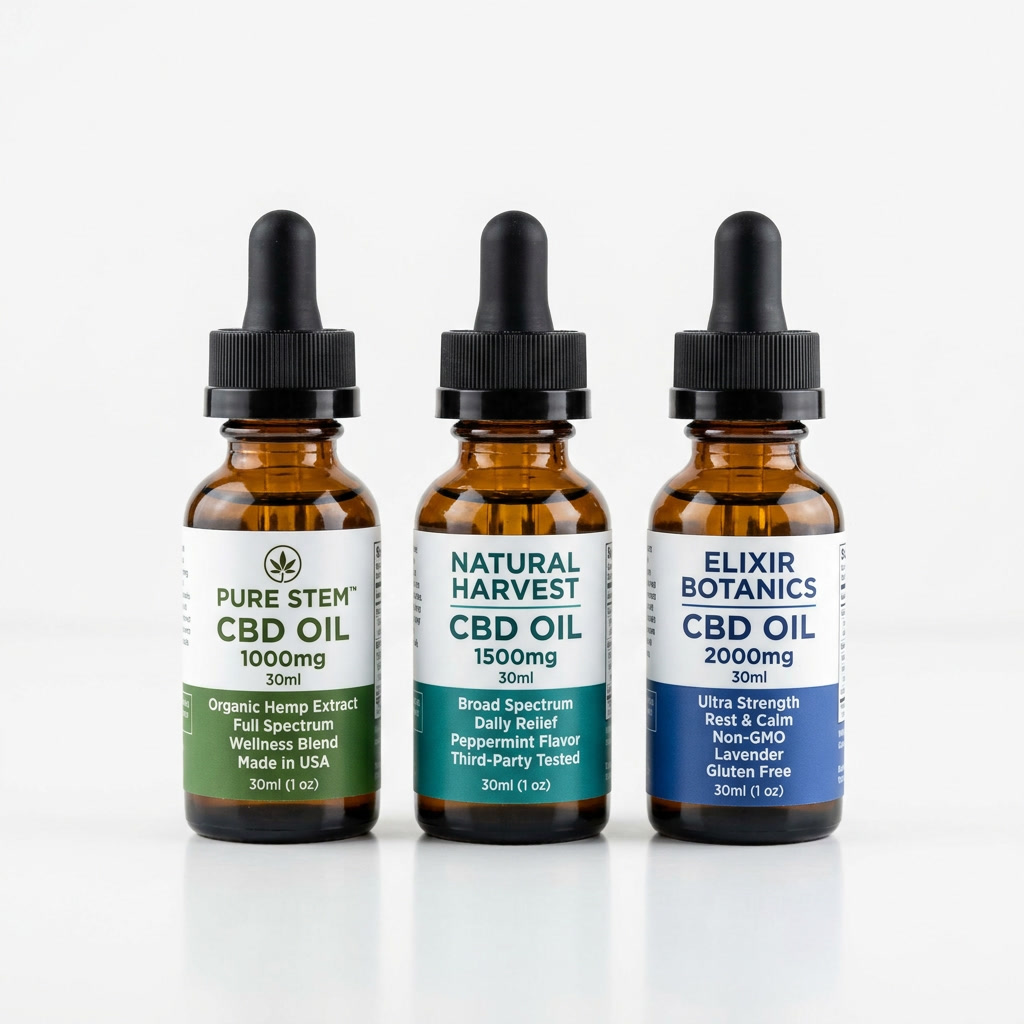
For targeted relief, a CBD topical balm for plaques pairs well with the moisturizing care psoriasis skin needs. For systemic itch and inflammatory balance, a CBD oil offers flexible, consistent dosing. If you prefer edibles, CBD gummies provide a simple, pre-measured option for a daily routine.
Action Steps
If you're considering CBD for psoriasis, here's a sensible way forward:
1. Talk to your dermatologist before starting, especially if you take other medications.
2. Choose a lab-tested product from a reputable brand with transparent third-party testing.
3. Start low and slow. For oral CBD, begin with a modest daily dose and adjust gradually.
4. Apply topicals to specific plaques daily, alongside your usual moisturizer.
5. Keep a simple journal tracking dose, product, itch level, and skin appearance for a few weeks.
6. Give it time. Skin changes are slow, so judge results over weeks, not days.
7. Reassess honestly. If you see no benefit after several weeks, discuss next steps with your doctor.
The Bottom Line
CBD for psoriasis is a genuinely interesting idea backed by a growing body of research — including the first randomized placebo-controlled trial in patients, which found it safe and helpful for itch, though not a significant reducer of plaque severity. The mechanism story is compelling: CBD appears to calm inflammation, counter oxidative stress, and influence the keratinocyte overgrowth at the heart of psoriasis. But the evidence is still mostly preclinical, with few human trials, so the honest takeaway is that CBD is a promising complement, not a proven cure. Used carefully, with a quality product and realistic expectations, it may help take the edge off some of the most frustrating symptoms. If psoriasis is disrupting your life, talk to your doctor, and consider whether a well-made topical or oil is worth adding to your routine.
Find Your Perfect CBD Product
Take our 2-minute quiz to get personalized recommendations based on your needs.
Take the Quiz →Disclaimer: This article is for informational purposes only and does not constitute medical advice. CBD products are not FDA-approved to treat, cure, or prevent any disease. Always consult with a qualified healthcare professional before starting any new supplement, especially if you have a medical condition or take medications.