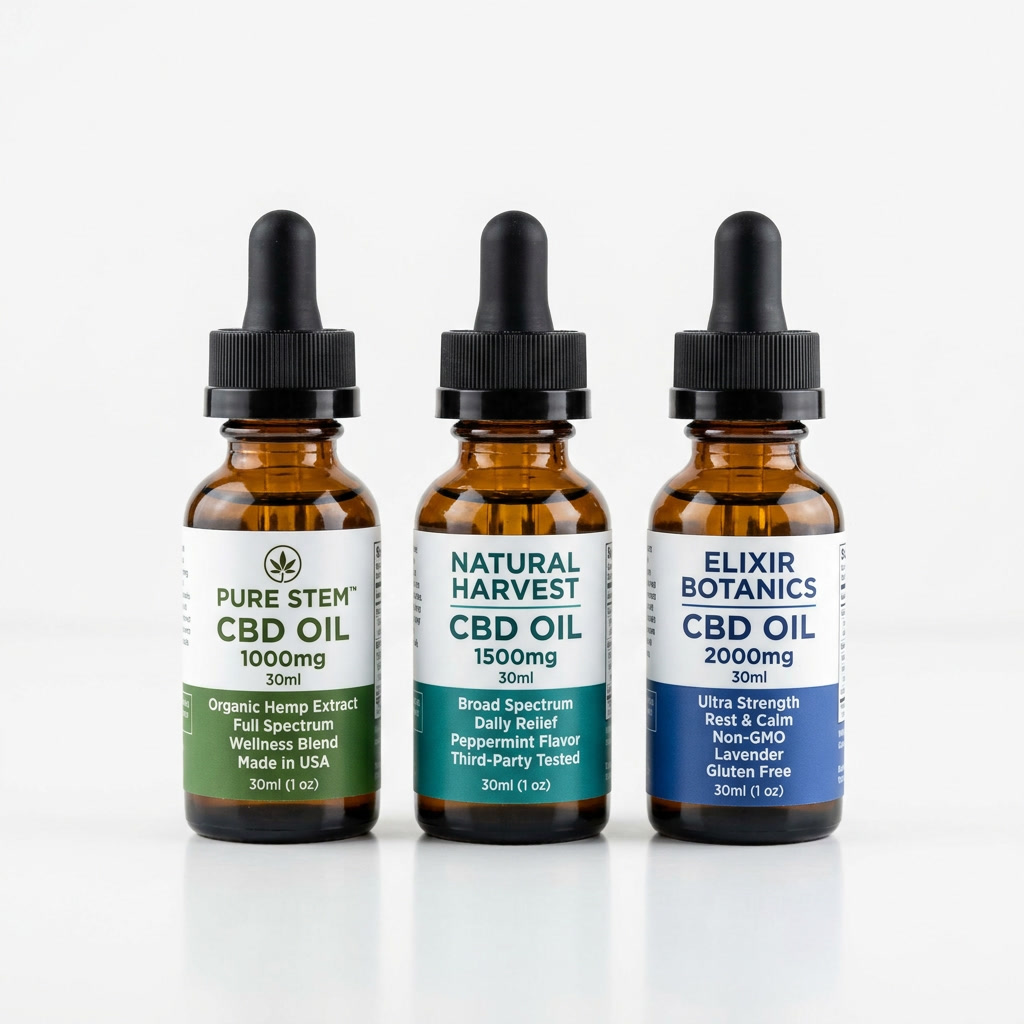
CBD Safety Guide: Everything You Need to Know for Safe Use
Complete CBD Safety Guide
This comprehensive guide covers everything you need to know about using CBD safely and effectively. Whether you're new to CBD or an experienced user, understanding safety is essential.
What is CBD?
Cannabidiol (CBD) is a naturally occurring compound found in the Cannabis sativa plant. Unlike THC, CBD does not produce intoxication or a 'high.' It's been studied for various potential wellness benefits and is legal in the United States when derived from hemp.
CBD Legality in the USA
Federal Law
The 2018 Farm Bill legalized hemp-derived CBD containing less than 0.3% THC at the federal level. This means:
- Hemp-derived CBD products are federally legal
- Products must contain less than 0.3% THC
- CBD can be shipped across state lines
State Variations
While federally legal, state laws vary:
- Most states allow hemp CBD sales
- Some have additional restrictions
- Check your state's specific regulations
Purchasing Legally
To ensure legal compliance:
- Buy from reputable sources
- Verify THC content is under 0.3%
- Check Certificates of Analysis
- Keep receipts and lab reports
Potential Side Effects
CBD is generally well-tolerated, but may cause:
Common Side Effects
- Drowsiness: May feel tired or sleepy
- Dry mouth: Decreased saliva production
- Digestive changes: Occasional diarrhea or appetite changes
- Lightheadedness: Especially at higher doses
Managing Side Effects
- Start with low doses
- Take with food if digestive issues occur
- Adjust timing based on drowsiness
- Reduce dose if effects are bothersome
Drug Interactions
How CBD Affects Medications
CBD is processed by liver enzymes (CYP450 family) that also metabolize many medications. This can lead to:
- Increased medication levels: CBD may cause drugs to stay in your system longer
- Decreased effectiveness: Some drugs may not work as well
The Grapefruit Rule
If your medication has a grapefruit warning, CBD may interact similarly. Common medication categories include:
- Blood thinners (warfarin, etc.)
- Heart rhythm medications
- Some antidepressants and anti-anxiety drugs
- Seizure medications
- Immunosuppressants
- Some pain medications
What to Do
- Always consult your doctor before using CBD with medications
- Inform all healthcare providers about CBD use
- Watch for unusual symptoms
- Consider timing CBD and medications apart
Who Should Avoid CBD
Pregnancy and Breastfeeding
The FDA advises against CBD use during pregnancy and breastfeeding due to:
- Unknown effects on fetal development
- Potential transfer through breast milk
- Lack of safety research
Children
CBD should only be used in children under medical supervision for approved conditions (like certain seizure disorders).
Other Precautions
- People with liver disease (use caution, monitor)
- Those with low blood pressure
- Anyone with allergies to hemp or carrier ingredients
Safe Dosing Guidelines
Start Low, Go Slow
The golden rule of CBD dosing:
1. Start: Begin with 10-15mg
2. Observe: Use this dose for 5-7 days
3. Adjust: Increase by 5mg if needed
4. Find your dose: Continue until you find what works
General Dosing Ranges
Dosing by Product
Oils: Use dropper markings to measure. Hold under tongue 60-90 seconds.
Gummies: Start with one gummy. Most contain 10-25mg each.
Capsules: Follow label instructions. Usually 15-50mg per capsule.
Topicals: Apply liberally to affected area. Can reapply 3-4 times daily.
How to Read Lab Reports (COA)
Why COAs Matter
Certificates of Analysis verify:
- CBD content matches label claims
- THC is within legal limits
- No harmful contaminants
Key Sections
Cannabinoid Profile:
- CBD amount (should match label within 10%)
- THC content (must be under 0.3%)
- Other cannabinoids (for full/broad spectrum)
Contaminant Testing:
- Heavy metals (lead, mercury, etc.)
- Pesticides
- Residual solvents
- Microbial contamination
Results to Look For:
- 'ND' = Not Detected (good for contaminants)
- 'Pass' = Within safety limits
- Batch number matching your product
Red Flags
- No COA available
- Old test date (more than 12 months)
- Missing contaminant testing
- CBD content doesn't match label
- Unknown or unaccredited lab
Quality Indicators
Signs of a Quality Product
- Third-party lab testing
- Clear labeling (CBD amount, ingredients, batch number)
- Organic hemp source
- Reputable brand with reviews
- Proper packaging and storage instructions
Warning Signs
- No lab results
- Vague labeling ('proprietary blend')
- Health cure claims
- Prices too good to be true
- Unknown brand with no reviews
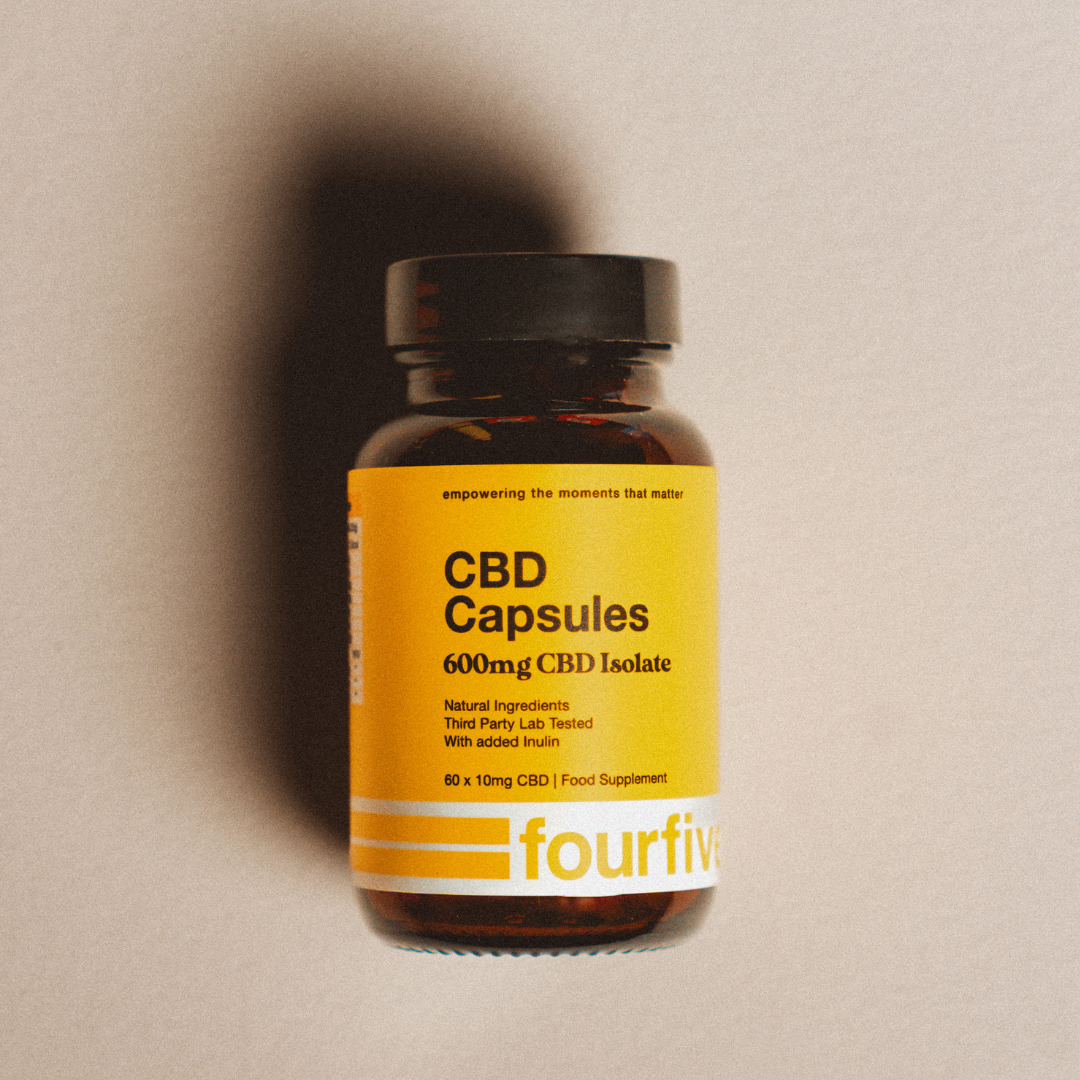
Proper CBD storage is essential to keeping your products fresh and potent. ## Storage and Handling
Proper Storage
- Keep away from direct sunlight
- Store in cool, dry place
- Keep containers sealed
- Note expiration dates
Shelf Life
Most CBD products last 1-2 years when properly stored. Degradation signs include:
- Color changes
- Unusual smell
- Cloudy oil
- Changed consistency
When to Seek Medical Help
Contact a healthcare provider if you experience:
- Severe or persistent side effects
- Allergic reactions (rash, swelling, breathing difficulty)
- Significant changes in how medications work
- Worsening of any health condition
Disclaimer
This guide is for informational purposes only and is not medical advice. CBD products are not intended to diagnose, treat, cure, or prevent any disease. Always consult a qualified healthcare provider before starting any new supplement, especially if you have health conditions or take medications.
Find Safe, Quality CBD
Ready to try CBD safely? Our CBD Product Finder Quiz recommends only lab-tested, quality products matched to your specific needs!
Find Your Perfect CBD Product
Take our 2-minute quiz to get personalized recommendations based on your needs.
Take the Quiz →Disclaimer: This article is for informational purposes only and does not constitute medical advice. CBD products are not FDA-approved to treat, cure, or prevent any disease. Always consult with a qualified healthcare professional before starting any new supplement, especially if you have a medical condition or take medications.