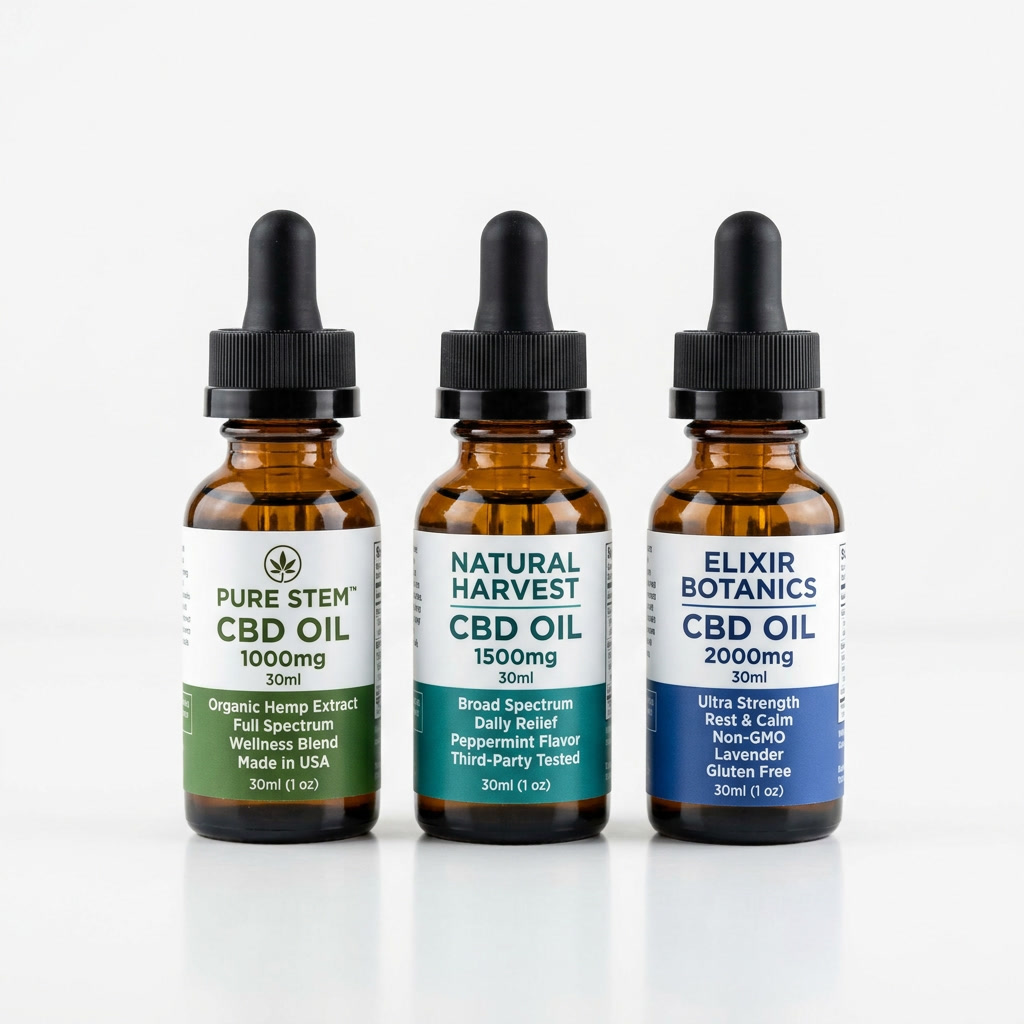
How to Store CBD Oil & Products: Shelf Life, Light, and Keeping It Fresh
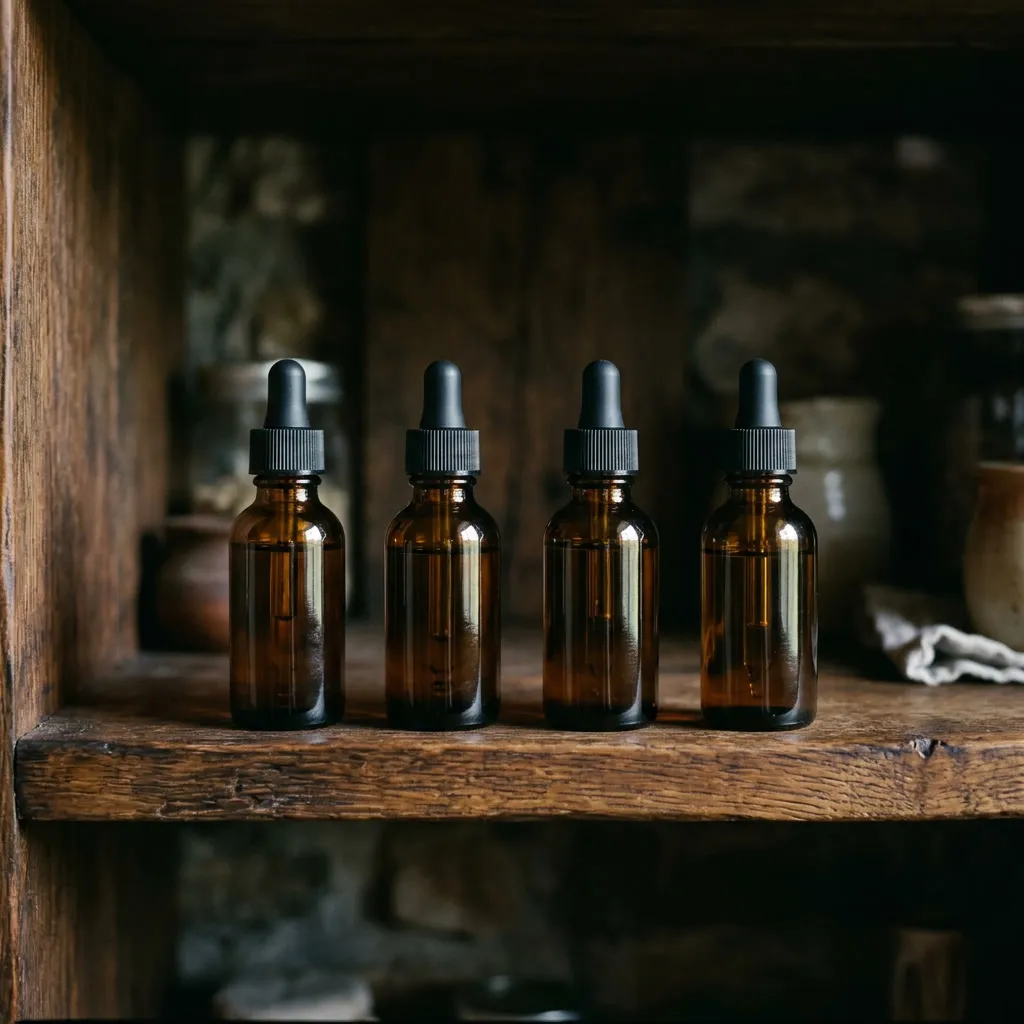
You bought a premium CBD tincture a few months back, maybe a full-spectrum oil you were excited to try. You gave it a few weeks, then life happened. Now it sits in a sunny kitchen cupboard near the stove, and when you finally reach for it, the flavor tastes a little flat and the oil looks darker than you remember. You can't help wondering: Is this still any good, or did I just waste money?
That scenario is more common than most people realize, and it isn't just about taste. Cannabinoids are delicate molecules. How you store your CBD determines how much of it survives to your next dose — and how much you pay for effects you never receive. The good news is that protecting your CBD doesn't require fancy equipment or a chemistry degree. A little understanding of what destroys these compounds, plus a few simple habits, keeps your CBD oils fresh, potent, and cost-effective.
This guide walks through the science of CBD degradation, how long different product types last, how to spot a product that has turned, and the storage habits worth adopting. If you're new to CBD, our CBD-101 guide to storing CBD oil covers the basics, while this article goes deeper into the chemistry and shelf-life realities.
The Three Enemies of CBD: Light, Heat, and Oxygen
Every CBD product is essentially a race between the manufacturer's formulation and the forces of decay, which come down to three environmental factors working on the molecule over time.
A 2026 review in Drug Development and Industrial Pharmacy summed it up directly: CBD "is chemically unstable and can degrade when exposed to heat, light, oxygen, certain solvents or extreme pH conditions, potentially reducing its efficacy and forming psychoactive degradation products." That single sentence captures why storage matters — it's not just about losing potency, but potentially about chemistry shifting into something unintended.
- Light is arguably the fastest, most aggressive enemy. UV and visible light carry enough energy to trigger photolytic breakdown, and research shows this effect can be dramatic.
- Heat accelerates every chemical reaction, including degradation. Warm temperatures speed up oxidation and other breakdown pathways.
- Oxygen drives oxidative degradation. Over time CBD reacts with air to form degradation products, and the carrier oil itself can oxidize and turn rancid.
The three enemies often work together. A sunny windowsill is warm and bright; a loosely capped bottle in a hot car is warm and exposed to air. Protecting against one while ignoring the others leaves your product vulnerable.
What Actually Happens When CBD Degrades
On a chemical level, a few things occur as a product ages.
CBD can convert to other cannabinoids. A 2025 study in Cannabis and Cannabinoid Research examined CBD-fortified beverages and condiments stored at room temperature for up to 15 months and found that CBD could partially convert into delta-9-THC — even in products initially verified as THC-free. The largest conversions appeared in citric-acid beverages, with one lemonade reaching 3.09 mg of THC per serving after 15 months. It's a reminder that "THC-free" labeling is a snapshot in time, not a permanent promise.
The carrier oil can oxidize and go rancid. Most tinctures use a carrier oil like MCT, hemp seed, or olive oil, which contains polyunsaturated fatty acids that are themselves vulnerable to oxidation. A 2020 study in Scientific Reports on hemp seed oil found that omega-6 and omega-3 fatty acids had predicted half-lives of only about 3 and 5 days at 25°C in that matrix, with antioxidants helping regulate the process.
Potency drops as the CBD itself breaks down. Photostability testing in a 2026 study in the Journal of Pharmaceutical and Biomedical Analysis is eye-opening: under 8000 lux of light (roughly bright indoor lighting), the researchers reported greater than 90% CBD retention in a protective cyclodextrin complex — but only about 20% in an MCT oil system. Under sustained light, the CBD in a typical oil carrier lost roughly four-fifths of its content, illustrating why dark glass bottles and dark storage locations matter so much.
> CBD "is chemically unstable and can degrade when exposed to heat, light, oxygen, certain solvents or extreme pH conditions, potentially reducing its efficacy and forming psychoactive degradation products."
> — Drug Development and Industrial Pharmacy, 2026
How Long Does CBD Oil Actually Last?
There's no universal expiration date, because shelf life depends on formulation, carrier oil, packaging, and storage. Still, most reputable manufacturers settle on a predictable printed window.
For oils and tinctures, a common printed shelf life is one to two years from the manufacturing date when stored properly. Full-spectrum and broad-spectrum products may be slightly more complex than isolates, but the oil carrier is usually the limiting factor. Once a bottle is opened and exposed to air regularly, the clock starts ticking faster.
Some research suggests certain formulations extend stability. A 2024 study in Planta Medica on cannabis extracts in olive oil found the approach supported extended stability of both THC and CBD over eight months, though the authors noted refrigeration "seems to be detrimental for a long storage of products, especially regarding THC concentrations" — a nuance we'll explore below.
As a general rule, an unopened, properly stored tincture should perform well through its window; an opened bottle exposed to heat and light won't match that. Check the label and manufacturer guidance for specifics.
Shelf Life by Product Type
Different CBD product categories have different storage profiles and realistic lifespans.
Oils and tinctures. Typically the most stable of the common forms, with a shelf life of roughly one to two years. The oil carrier protects the CBD somewhat, but you still want a cool, dark, airtight environment. Dropper bottles are prone to repeated air exposure every time you dose, so keep the cap tight.
CBD gummies and edibles. Edibles combine CBD with sugars, gelatin or pectin, and other ingredients that have their own lifespans. Expect months to about a year, depending on the recipe and preservatives. Warm, humid conditions can cause gummies to melt, stick together, or grow moldy.
Topicals. Lotions, balms, and creams contain water, oils, and emulsifiers, making them more susceptible to microbial growth and separation than pure oils. Most carry a shelf life of one to two years unopened, but an opened jar used with fingers degrades faster. Watch for separation or an off smell.
CBD beverages. The trickiest category. As the 2025 beverage study showed, acidic drinks can facilitate CBD-to-THC conversion, and carbonation and water-based formulations shorten shelf life. These are best consumed well before their printed date and should be refrigerated after opening.
Flowers and concentrates. Sensitive to humidity and light. Flower should be kept in an airtight container in a cool, dark place, away from excess moisture that invites mold. Concentrates vary by form but generally prefer cool, dark, airtight storage.
How to Read Best-By and Expiration Dates
The dates on a CBD label aren't always straightforward, so it helps to understand what you're looking at.
- "Best by" or "best before" refers to peak quality, not safety. The product should be at full labeled potency and best taste before this date; after it, quality declines gradually but the product isn't necessarily harmful.
- "Expiration" or "use by" is more definitive — beyond this point, the manufacturer isn't vouching for potency or stability.
- Some labels print a manufacture date and a "shelf life of X months," so you count forward yourself.
- Note whether the window assumes unopened or opened storage. Once you open a bottle, the realistic window usually shortens.
If a product shows no date, that's a yellow flag about quality control. Transparent brands typically provide at least a batch number you can cross-reference with third-party certificates of analysis to confirm what was in the bottle when it shipped.
The Ideal Storage Conditions
The formula for happy CBD is simple: cool, dark, airtight, and dry. Here's what each part means in practice.
- Cool: A stable temperature between roughly 60°F and 70°F (15–21°C) is ideal. Avoid places that swing in temperature, like countertops near windows or cabinets above appliances.
- Dark: UV and visible light degrade CBD. Keep products in their original amber or dark glass bottles, inside a cabinet, pantry, or drawer rather than on an open shelf.
- Airtight: Oxygen drives oxidation. Keep lids tightly closed between uses and don't leave the dropper out.
- Dry: Moisture promotes microbial growth and can degrade edibles and topicals. Avoid steamy bathrooms and humid basements.
A consistent, room-temperature cabinet away from the stove, or a dedicated drawer, is usually the best spot. The goal is a stable environment, not an extreme one.
To Refrigerate or Not?
Refrigeration is one of the more debated storage questions, and the honest answer is: it depends on the product. Some people refrigerate oils to slow oxidation, and for short-term situations that's reasonable. But the research complicates the picture.
The Planta Medica study noted that refrigeration "seems to be detrimental for a long storage of products, especially regarding THC concentrations." Every time you open the fridge door, temperature fluctuations can also pull condensation into an airtight bottle, introducing moisture you don't want.
Practical guidance:
- Oils and tinctures: Room-temperature storage in a cool, dark place is generally the best default. If you do refrigerate, let the bottle warm before opening to avoid condensation drawing moisture in.
- Gummies and edibles: Refrigeration can extend freshness for some formulations, but moisture is the risk — keep them in an airtight container.
- Beverages: Follow the label. Most should be refrigerated after opening and consumed quickly.
- Topicals: Usually fine at room temperature; refrigeration isn't necessary unless the label says so.
The safest approach is to follow the manufacturer's instructions, since formulations vary widely.
How to Tell If CBD Has Gone Bad
Your senses are surprisingly reliable tools for spotting a degraded product. Here's what to check.
- Smell: Fresh CBD oil should have a clean, often earthy or herbal aroma. A rancid, musty, or "off" odor — especially like old cooking oil — indicates the carrier oil has oxidized.
- Color: Many oils darken a little over time, but significant or rapid darkening can signal oxidation. Cloudiness or visible particles in a previously clear product may also indicate trouble.
- Texture: Gummies that are hard, sticky, or melted together, or topicals that have separated into watery and oily layers that won't recombine, are past their best.
- Flavor: A harsher, bitter, or noticeably rancid taste is a red flag.
- Label: If you're past the printed expiration date and notice any of the above, it's time to replace the product.
None of these signs necessarily means a product is dangerous, but they strongly suggest potency and quality have declined. When in doubt, replace it — the cost of a fresh product is lower than relying on a degraded one.
Does CBD Actually "Expire"?
Yes and no. CBD doesn't go bad the way milk does — it won't suddenly become toxic or give you food poisoning. What happens instead is more subtle but just as important: it degrades over time.
As compounds break down, you can lose labeled potency, meaning you're not getting the dose you think you are. The carrier oil can oxidize and go rancid. And as the acidic-beverage research showed, in certain conditions CBD can even convert into other cannabinoids. So while an expired product won't necessarily hurt you, it also won't deliver what it promised — which makes it a poor value.
The practical rule: treat the printed date as a quality benchmark, store properly to stretch the real window, and use your senses to judge when something has truly turned.
Tips for Traveling With CBD
The same principles apply on the road, with added logistics.
- Keep it in its original labeled container — this helps with identification and keeps packaging (and its COA info) intact.
- Use a dark, padded pouch or bag to protect against light and physical jostling.
- Avoid the car's glovebox and trunk. Heat builds up quickly in parked cars, especially in summer, and that heat is brutal on CBD.
- For air travel, check current regulations and carry only what you need.
- Don't decant into unlabeled containers unless absolutely necessary — the original packaging preserves both stability information and regulatory clarity.
A little planning keeps your product fresh through the trip and avoids a degraded or melted bottle when you arrive.
Long-Term Storage and Buying in Bulk
If you like to stock up when your favorite CBD oils go on sale, bulk buying is a smart money move — but only if you store the surplus correctly.
Keep unopened products in their original sealed containers in a cool, dark place. Rotate your stock so you use the oldest products first (first in, first out), and consider a dedicated drawer or shelf so products aren't scattered in different microclimates.
A few bulk-storage rules:
- Keep the original dark bottles and seals intact until you're ready to use a product.
- Write the purchase or opening date on the label so you know where each product is in its lifecycle.
- Don't transfer products into clear or thin plastic containers — that invites both light and air.
- If you open a large bottle, expect to use it within the opened window, not the full shelf life.
Buying in bulk only saves money if you actually use the products before they degrade, so matching purchases to your real consumption rate matters as much as storage.
Why Freshness Matters for Potency and Cost
Ultimately, this comes down to getting the effect you paid for and not wasting money. A degraded CBD product is a double loss — you lose the potency you expected, and you lose the money you spent.
- Potency: If a tincture has lost a meaningful share of its CBD to light or heat, your usual dose delivers less than labeled, and you might respond by taking more — compounding the cost problem without a clear benefit.
- Cost: CBD products aren't cheap, and protecting them with good storage is essentially free, so every degradation event is pure waste. Someone who stores their oil in a dark, cool cabinet gets more usable product per dollar than someone who leaves it on a sunny counter.
- Consistency: For people using CBD to support a routine, consistent potency matters. Good storage keeps your experience predictable from bottle to bottle.
Freshness is the cheapest upgrade in your CBD routine — it costs nothing but a little attention, and it protects both the product and your investment.
Action Steps: Your CBD Storage Checklist
Putting it all together, here's a simple routine to follow with any CBD product you bring home.
- Store oils, tinctures, and concentrates in their original dark containers in a cool, dark, dry place away from heat sources.
- Keep lids and droppers tightly sealed when not in use to limit oxygen exposure.
- Avoid sunny windowsills, countertops near the stove, and humid bathrooms.
- Refrigerate only if the label recommends it, and always let refrigerated products warm before opening to prevent condensation.
- Check best-by dates at purchase and track opened dates.
- Use your senses — smell, color, and texture — to catch degradation early.
- Rotate bulk stock so older products get used first.
- When in doubt about quality, replace the product rather than push through a degraded batch.
Following this list takes about a minute per product and pays off in longer-lasting, more reliable CBD.
The Bottom Line
CBD is a delicate molecule, and its three enemies — light, heat, and oxygen — work against it from the moment a bottle is filled. The science is clear: sustained light exposure can strip most of the potency from an oil carrier, heat accelerates every breakdown pathway, and air slowly oxidizes both the CBD and its carrier oil. Even more surprising, research has shown that acidic beverages can cause CBD to partially convert into delta-9-THC over months of storage.
The good news is that none of this requires perfection. Store products in their original dark containers, keep them cool, dark, dry, and airtight, respect best-by dates, and trust your senses when something seems off. That simple routine protects your potency, protects your wallet, and ensures the CBD products you invested in deliver what they promised. For a refresher on the fundamentals, our guide to storing CBD oil is a great starting point, and learning to read a certificate of analysis will help you verify quality from the very first drop.
Related Reading
Find Your Perfect CBD Product
Take our 2-minute quiz to get personalized recommendations based on your needs.
Take the Quiz →Disclaimer: This article is for informational purposes only and does not constitute medical advice. CBD products are not FDA-approved to treat, cure, or prevent any disease. Always consult with a qualified healthcare professional before starting any new supplement, especially if you have a medical condition or take medications.