CBD for Autism: What the Research Really Says About Cannabinoids and Autism Spectrum Disorder
# CBD for Autism: What the Research Really Says About Cannabinoids and Autism Spectrum Disorder
Autism spectrum disorder (ASD) affects 1 in 31 children in the United States — up from 1 in 150 in the year 2000. Globally, the WHO estimates approximately 1 in 127 people have autism. Whether this increase reflects better diagnosis, environmental factors, or a genuine rise in prevalence, the reality is the same: millions of families are looking for ways to help their children navigate a world that doesn't always accommodate how their brains work.
Autism is not a disease to be cured. It's a neurodevelopmental difference that affects how people communicate, process sensory input, and interact with others. But many people with autism experience distressing symptoms that can significantly impact their quality of life: severe irritability, aggression, self-injurious behavior, debilitating anxiety, sleep disturbances, and sensory overload.
The two FDA-approved medications for autism-related irritability — risperidone (Risperdal) and aripiprazole (Abilify) — are atypical antipsychotics. They can reduce aggressive and self-injurious behavior, but they come with serious side effects: weight gain, metabolic changes that can lead to diabetes, movement disorders like tardive dyskinesia, and elevated triglycerides. And they only work for a subset of patients.
This gap — the need for treatments that help without causing new problems — is exactly where CBD research has generated interest.
But here's the most important thing to know before reading further: most research on CBD for autism has used CBD-rich cannabis extracts containing small amounts of THC, not pure CBD isolate. This is a critical distinction that gets lost in marketing materials. We'll come back to it repeatedly.
What does the actual science say?
The Endocannabinoid System in Autism
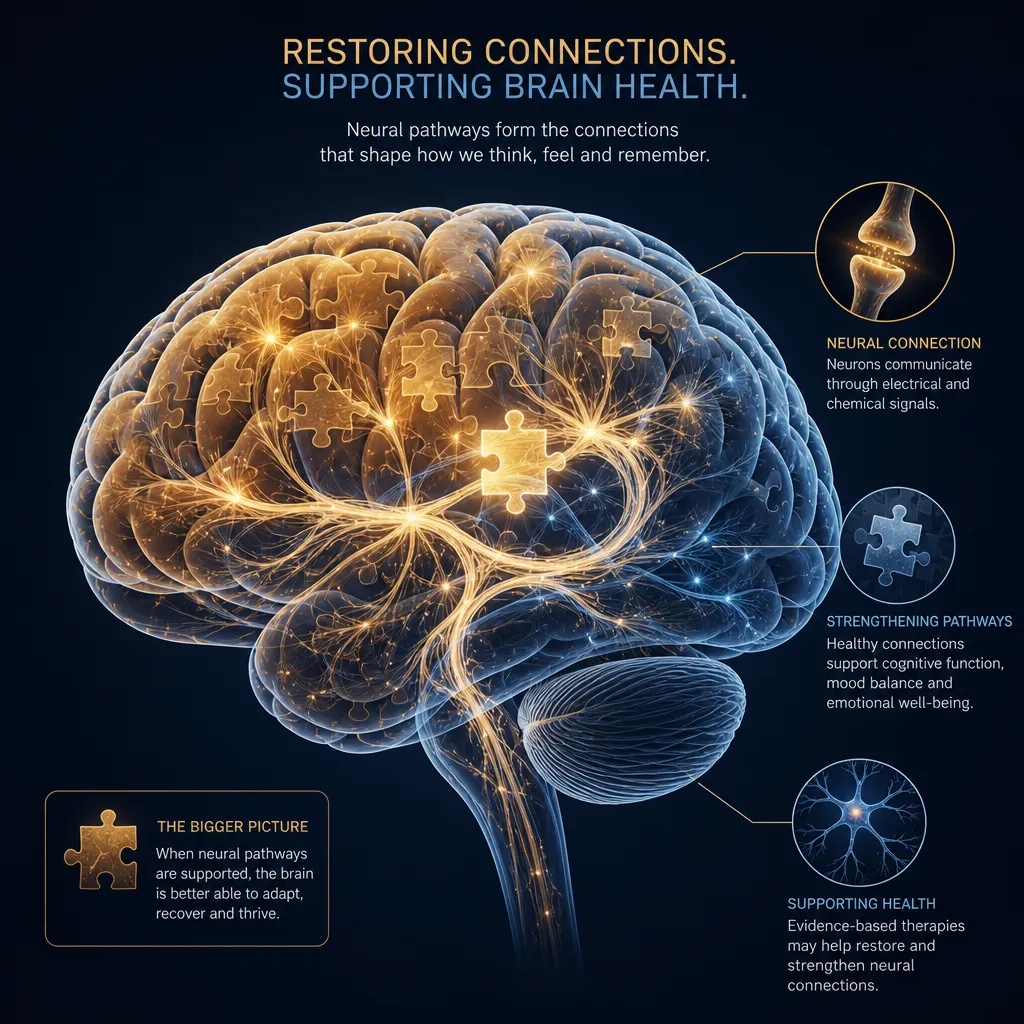
The endocannabinoid system (ECS) plays a significant role in processes that are altered in autism: socioemotional responses, cognition, seizure susceptibility, nociception (pain processing), and neuronal plasticity.
Research has documented endocannabinoid dysfunction in both human and animal models of ASD:
- Altered levels of endocannabinoid ligands (anandamide, 2-AG) in people with autism compared to controls
- Changes in cannabinoid receptor expression
- Genetic variations in ECS-related genes associated with autism risk
This isn't fringe science — it's published in mainstream neuroscience journals and reviewed by researchers at major institutions.
Proposed Mechanisms for CBD in Autism
CBD may help autism symptoms through several mechanisms:
1. Endocannabinoid Modulation — CBD increases anandamide levels by inhibiting FAAH (the enzyme that breaks it down). Anandamide deficits have been linked to ASD symptoms. Higher anandamide levels are associated with improved social functioning.
2. Oxytocin Pathway Enhancement — CBD may enhance oxytocin signaling, which is crucial for social bonding and social cognition. This could explain the improvements in social interaction seen in clinical trials.
3. Excitation/Inhibition Balance — Autism is associated with an imbalance between neural excitation and inhibition (too much glutamate, too little GABA). CBD modulates both systems, potentially restoring balance. Two neuroimaging studies by Pretzsch et al. (2019) demonstrated this using magnetic resonance spectroscopy.
4. Neuroinflammation Reduction — Neuroinflammation is increasingly implicated in ASD. CBD's anti-inflammatory and antioxidant properties may reduce microglial activation.
5. Serotonin Receptor Activation — CBD acts as a 5-HT1A receptor agonist, contributing to its anti-anxiety effects — relevant given that anxiety co-occurs with autism in up to 40% of individuals.
What the ADHD research Shows
The First Proof-of-Concept Trial (Aran et al., 2021)
The most significant study is a placebo-controlled, double-blind randomized trial published in Molecular Autism by Aran et al. (2021) — the first placebo-controlled trial demonstrating cannabinoid efficacy in autism.
Design: 150 participants received CBD-rich cannabis preparations or placebo.
Results: Showed improvements in behavioral symptoms, demonstrating that the endocannabinoid system is a viable therapeutic target in autism. This trial has been cited 231+ times and catalyzed further research.
The Brazilian RCT (Silva et al., 2024)
Published in Trends in Psychiatry and Psychotherapy, this randomized, double-blind, placebo-controlled, 12-week trial is one of the most detailed studies to date.
Design: 60 children ages 5-11 (31 treatment, 29 control). CBD-rich cannabis extract (9:1 CBD:THC ratio), starting at 6 drops daily (~15 mg CBD), max 70 drops (~175 mg CBD).
Results:
- Social interaction: Significant improvement (p < 0.001) — the most robust result
- Psychomotor agitation: Significant reduction
- Anxiety: Significant reduction
- Eating habits: Increased meal acceptance
- Concentration: Improvement only in mild ASD group
- Safety: All hematological parameters normal; adverse effects mild and transient
This trial is important because it used validated scales, had a clean placebo-controlled design, and showed specific benefits beyond just "behavior improved."
The CASCADE Trial (Sannar et al., 2025 — Methods Published)
The CASCADE trial represents the next generation of CBD autism research. Published in the International Journal of Clinical Trials (January 2025), this is the first trial using FDA-approved purified CBD (Epidiolex®) rather than cannabis extracts.
Design: 27-week randomized, placebo-controlled crossover trial. Children ages 5-17. Starting dose 5 mg/kg/day, increasing to 10 mg/kg/day. Primary outcome: change in ABC-2 irritability subscale.
Status: Methods published; results pending (expected 2026-2027). ClinicalTrials.gov: NCT04520685.
This trial matters because it uses pharmaceutical-grade CBD with no THC — answering the question of whether pure CBD alone (without the entourage effect from THC and other cannabis compounds) is effective for autism symptoms.
CBD + Terpenes Crossover Trial (Parrella et al., 2026)
Published in Autism Research (2026), this randomized controlled crossover trial tested a CBD formulation with terpenes in 20 autistic children.
Results:
- Improvements in social relating
- Reduced anxiety
- Decreased parental stress
- Well-tolerated
Purified CBD for Severe Problem Behaviors (Trauner et al., 2025)
Published in the Journal of Autism and Developmental Disorders, this trial evaluated purified CBD in autistic boys with severe problem behaviors. This is significant as one of the first studies using pure CBD (not cannabis extract) for autism.
2026 Lancet Psychiatry Meta-Analysis
Wilson et al. published a systematic review and meta-analysis in Lancet Psychiatry (2026) that quantified a reduction in autistic traits with cannabinoid treatment (effect size: -0.36, 95% CI: -0.66 to -0.07). This is the first meta-analytic evidence for cannabinoid efficacy in autism.
Sleep Study (Schnapp et al., 2022)
Published in Biomedicines, this study found that cannabinoid treatment improved sleep in children with ASD, with 71.4% showing improvement. Sleep is one of the most distressing symptoms for both children with autism and their parents.
What Symptoms CBD Might Help With
Based on the clinical evidence, here's an honest assessment of which symptoms have the strongest, moderate, or emerging evidence:
Strongest Evidence
Irritability and aggression — Primary outcome in multiple trials. The CASCADE trial specifically targets ABC-2 irritability scores. If CBD works for anything in autism, this is where the evidence is strongest.
Social interaction deficits — The most robust finding in the Silva et al. (2024) trial (p < 0.001). This is particularly significant because social difficulties are a core feature of autism, and current medications don't address them.
Psychomotor agitation — Consistent improvement across studies.
Anxiety — Significant reduction in multiple trials. CBD's anxiolytic effects are well-documented in other conditions too.
Moderate Evidence
Sleep disturbances — 71.4% improvement in the Schnapp et al. study. Consistent with CBD sleep research in other populations.
Hyperactivity — 68.4% improvement in prospective studies.
Self-injurious behavior — 67.6% improvement. This is one of the most distressing symptoms for families.
Emerging/Limited Evidence
Concentration/attention — Improvement only in mild ASD (Silva et al.).
Eating behaviors — Increased meal acceptance (Silva et al.).
Core social communication deficits — Some improvement but not the primary focus of most trials.
Repetitive behaviors/stereotypies — Mixed results across studies.
CBD vs. Current Autism Medications
Risperidone (Risperdal) — FDA-approved for ASD irritability (ages 5-16)
- Side effects: Weight gain, metabolic changes, diabetes risk, hypertension, elevated triglycerides, movement disorders (tardive dyskinesia), hyperprolactinemia
- Only effective for a subset; high polypharmacy risk
Aripiprazole (Abilify) — FDA-approved for ASD irritability (ages 6-17)
- Side effects: Weight gain, akathisia, sedation, metabolic changes, diabetes risk
- Similar limitations to risperidone
CBD (Based on Current Evidence)
- Potential advantages: Better tolerability in short-term studies, no movement disorder risk, lower metabolic risk, multiple symptom targets (irritability + anxiety + sleep + social simultaneously)
- Potential disadvantages: Not FDA-approved for ASD, limited long-term safety data, drug interactions, most evidence is from cannabis extracts (not pure CBD)
As Sannar et al. (2025) noted: "While shown to be effective in phase III clinical trials, these medications come with the potential for side effects, including risk of diabetes, hypertension, weight gain, elevated triglycerides and movement disorders. Further, these medications are only effective for a segment of the population, and many patients continue to have sub-optimal benefit, leading to high risk of polypharmacy."
This is exactly the gap CBD might fill — a treatment that helps with irritability and anxiety without the metabolic and movement-related side effects of antipsychotics.
The THC Problem: Why It Matters
Here's the critical caveat that most CBD marketing ignores: the majority of positive autism studies used CBD-rich cannabis extracts containing THC, not pure CBD.
What This Means in Practice
Silva et al. (2024): Used a 9:1 CBD:THC ratio. That means for every 9 parts CBD, there was 1 part THC. At the maximum dose of 175 mg CBD, that's roughly 19 mg of THC — enough to have psychoactive effects in a child.
Aran et al. (2021): Used a 20:1 CBD:THC ratio. Still contains THC.
The entourage effect hypothesis: Whole-plant extracts contain 100+ cannabinoids plus terpenes. THC (even in small amounts) may contribute to therapeutic effects. Terpenes like myrcene (sedating), linalool (calming), and pinene (focus-enhancing) may enhance CBD's effects. Isolated CBD may NOT produce the same results.
Safety concern: Even 1-2% THC relative to CBD can have psychoactive effects in children, whose brains are still developing. Many parents specifically seek THC-free options — and the research on whether THC-free CBD works for autism is just beginning (the CASCADE trial is answering this question right now).
This is why the CASCADE trial's use of pure Epidiolex is so important. If pure CBD works, it offers a path forward without THC exposure. If it doesn't, we'll know the THC contribution matters.
Safety Concerns for Children and Adolescents
CBD is generally well-tolerated, but children with autism have specific considerations.
Known Side Effects (from epilepsy trials, which provide the best safety data)
Common (≥10%): Somnolence (27-47%), decreased appetite (22-34%), diarrhea (17-31%), fatigue (14-27%), elevated liver enzymes (13-15%)
The liver enzyme issue is important: 13-15% of patients in Epidiolex trials had elevated ALT/AST, compared to 1-3% with placebo. The risk is higher with valproate co-administration. This requires baseline and periodic liver function monitoring.
Autism-Specific Safety Concerns
Brain development: The adolescent brain continues developing until age 25. The long-term effects of chronic CBD on the developing endocannabinoid system are unknown. This is a genuine concern, not a theoretical one.
Communication challenges: Non-verbal or minimally verbal children may not be able to report side effects. Behavioral changes could be misattributed to autism rather than a medication side effect.
Comorbidities: Up to 30% of people with autism also have epilepsy. Many have cardiac conditions, metabolic disorders, or other health issues that could affect CBD metabolism.
Drug interactions: Many children with autism take multiple medications. CBD's inhibition of CYP2C19, CYP3A4, and CYP2D6 means it can interact with:
- Antiepileptic drugs (clobazam, valproate)
- Antipsychotics (risperidone, aripiprazole)
- Antidepressants (SSRIs, TCAs)
- Stimulants (methylphenidate, amphetamines)
- Alpha-agonists (guanfacine, clonidine)
Safety Findings from Autism Trials
The Silva et al. (2024) trial reported all hematological parameters remained normal, adverse effects were mild and transient, and no serious adverse events occurred. The Sannar et al. CASCADE protocol excludes children with ALT/AST ≥2x upper limit of normal and includes regular safety monitoring and suicidality screening.
Short-term CBD use appears well-tolerated in children with autism. Long-term safety data is lacking.
Dosing: What the Studies Used
CBD-Rich Cannabis Extract Studies
Silva et al. (2024): 9:1 CBD:THC, starting at ~15 mg CBD/day, max ~175 mg CBD/day. Fasting administration, 1 hour before/after psychotropic meds. 12-week duration.
Aran et al. (2021): 20:1 CBD:THC, individualized titration, 150 participants.
Pure CBD Studies
CASCADE trial (Sannar et al., 2025): Epidiolex 100 mg/mL, starting 5 mg/kg/day (2.5 mg/kg BID), increasing to 10 mg/kg/day. For a 30 kg child: 150 mg starting, 300 mg maintenance.
General principle: ASD studies typically use lower doses than epilepsy trials (which go up to 20-50 mg/kg/day). Behavioral benefits may occur at lower doses than seizure control.
What Parents Should Know
If you're a parent considering CBD for your child with autism, here's what the evidence tells us:
Talk to Your Child's Doctor
This isn't optional. CBD interacts with many medications commonly prescribed for autism. Your child's doctor needs to review their full medication list, check liver function, and help you decide if CBD is appropriate.
Set Realistic Expectations
CBD is not a cure for autism. It may help with specific symptoms — irritability, anxiety, sleep, social interaction — but it won't make autism go away. Some children will benefit significantly; others may not respond at all. The response rate in studies is meaningful but not universal.
Choose Products Carefully
Pharmaceutical-grade CBD (Epidiolex) is preferred when available — it's precisely dosed, FDA-regulated, and free of contaminants. If using commercial CBD products:
1. Third-party lab testing with published COAs is non-negotiable
2. If the study evidence is from cannabis extracts with THC, pure CBD isolate may not produce the same results
3. Check for THC content — even "THC-free" products can contain trace amounts
4. Avoid products with unsubstantiated claims
Track Symptoms Systematically
Use a validated scale (like the ABC-2 or SRS-2) at baseline and after 4-8 weeks of CBD. Without systematic tracking, it's impossible to know if CBD is actually helping or if you're seeing normal variation.
Know the Red Flags
Contact your doctor immediately if you notice:
- Excessive sedation
- Behavior regression
- Appetite suppression with weight loss
- Jaundice or dark urine (hepatotoxicity signs)
- Suicidal ideation (class effect of antiepileptics, relevant because Epidiolex carries this warning)
What We Don't Know
This is perhaps the most important section of this article. The honest list of unknowns:
❌ Optimal CBD dose for different autism symptoms
❌ Whether pure CBD works or if THC is needed (CASCADE trial will answer this)
❌ Long-term effects on brain development in children
❌ Which children will respond (no biomarkers identified yet)
❌ How CBD compares to risperidone or aripiprazole in head-to-head trials
❌ Withdrawal effects from long-term use
❌ Effect on core ASD symptoms vs. associated behavioral symptoms
❌ Interaction with behavioral therapies
The Bottom Line
The research on CBD for autism is genuinely promising — more promising than for many conditions where CBD is marketed. We have a placebo-controlled trial showing benefit (Aran et al., 2021), a well-designed RCT showing significant improvements in social interaction and anxiety (Silva et al., 2024), a meta-analysis showing a measurable effect size (Wilson et al., 2026, Lancet Psychiatry), and the first trial of pure pharmaceutical CBD underway (CASCADE, results pending).
But the critical caveat remains: most positive studies used cannabis extracts containing THC, not pure CBD. The transition from cannabis extracts to pharmaceutical CBD — which the CASCADE trial represents — is the next step in determining whether CBD alone can help.
For families affected by autism, the potential is real. CBD may offer a treatment that helps with irritability, anxiety, sleep, and social interaction — without the weight gain, metabolic risks, and movement disorders associated with the only FDA-approved medications. But potential is not proof, and the history of autism treatment is full of promising approaches that didn't hold up to rigorous testing.
If you're considering CBD for a child with autism, work with a developmental pediatrician or neurologist. Start low, track symptoms, monitor for side effects, and be honest about what you're seeing. CBD is not a cure, and it's not a replacement for behavioral therapy, educational support, or other medical care. But it might be one tool — among many — that can help improve quality of life for some people with autism and their families.
If you're exploring CBD for autism, our [CBD Product Finder Quiz](/quiz) can help you understand product options — but always work with your child's healthcare team when making treatment decisions.
Find Your Perfect CBD Product
Take our 2-minute quiz to get personalized recommendations based on your needs.
Take the Quiz →Disclaimer: This article is for informational purposes only and does not constitute medical advice. CBD products are not FDA-approved to treat, cure, or prevent any disease. Always consult with a qualified healthcare professional before starting any new supplement, especially if you have a medical condition or take medications.