CBD & the 2026 Federal Rescheduling: What It Means for You
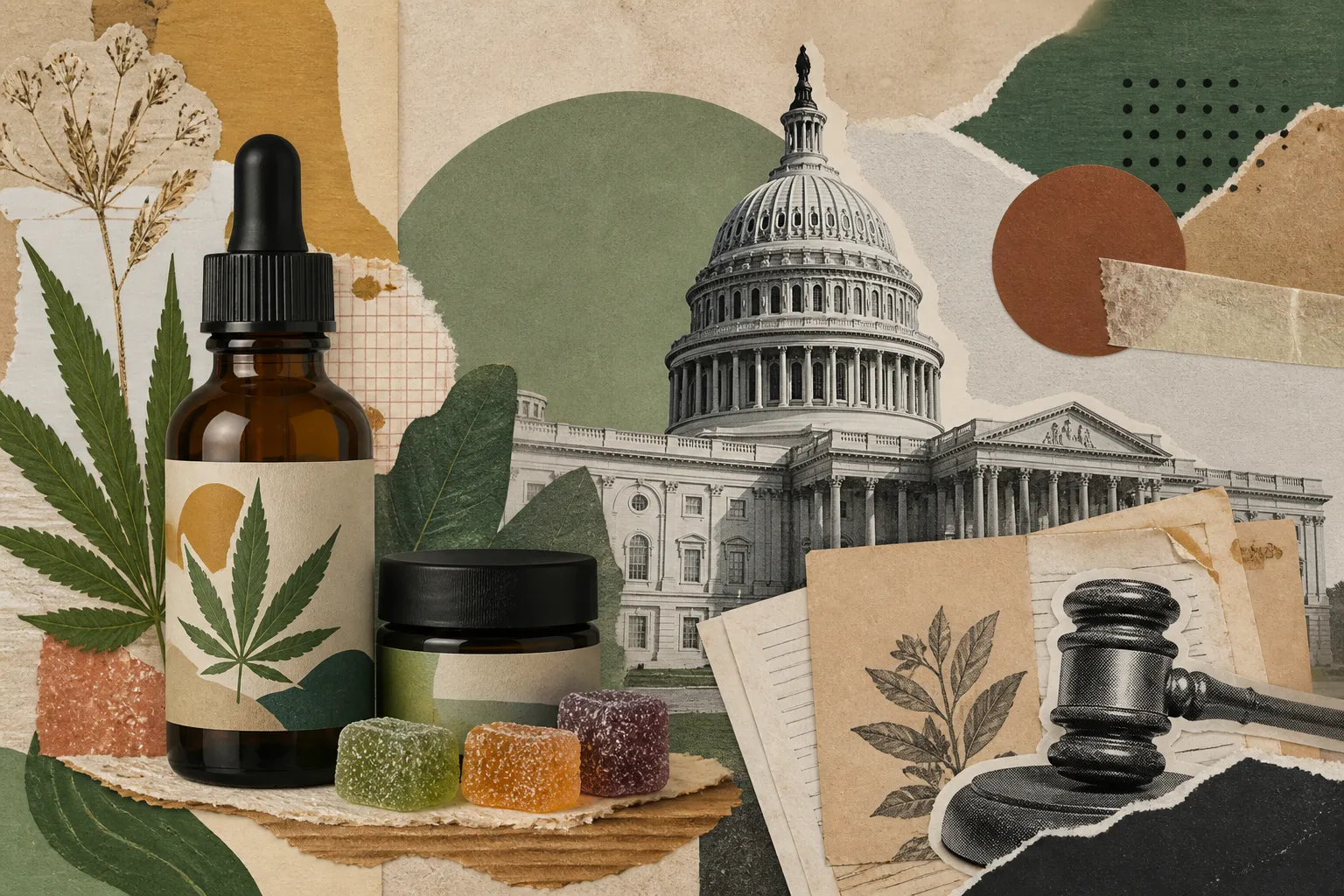
You're standing in the supplement aisle, reading a CBD oil label, and for the first time in years you're not sure what to believe. Is it legal? Is it medicine? Will the rules change again next month? For more than five decades, cannabis sat under the most restrictive classification in U.S. law, a Schedule I substance alongside drugs the government says have no accepted medical use. That made CBD research painfully slow, kept banks and insurers away from the industry, and left everyday buyers guessing about quality and safety. Now, in 2026, that's finally changing. The federal government has moved cannabis from Schedule I to Schedule III, a shift that experts call the most significant federal cannabis policy change in over fifty years. This guide breaks down what rescheduling actually means, what it doesn't, and how it affects your CBD oil, your gummies, and your peace of mind.
What Rescheduling Actually Changed
For over 50 years, cannabis sat in Schedule I, the same category as heroin, a classification reserved for substances with a high potential for abuse and no currently accepted medical use. The 2026 move to Schedule III, the category that includes things like ketamine and some anabolic steroids, is a landmark shift. A 2026 analysis in the journal Cannabis and Cannabinoid Research called it the most significant federal cannabis policy shift in more than five decades, while noting that its practical consequences are widely misunderstood.
The key point: rescheduling does not legalize cannabis, and it does not approve CBD as a medicine. What it does is acknowledge that cannabis has a currently accepted medical use, which unlocks a cascade of practical benefits for research, business, and consumers.
What This Means for CBD Specifically
Here's a subtlety worth understanding: CBD itself was already separated from the most restrictive rules by the 2018 Farm Bill, which legalized hemp-derived CBD containing no more than 0.3% THC. So rescheduling doesn't suddenly make CBD legal, because for most people it already was. What rescheduling changes is the broader cannabis ecosystem that CBD sits inside.
That distinction matters for a few reasons. First, it means the practical effect of rescheduling on CBD buyers is indirect, showing up in better research, more FDA-compliant products, and a healthier market, rather than in a sudden change to what you can buy at the store. Second, it means the real action for CBD consumers is in quality and evidence, not in legal status. The products worth your money are the ones backed by third-party lab tests and clear labeling, regardless of what schedule the plant sits in.
Why This Matters for CBD Research
The biggest win from rescheduling is scientific. Under Schedule I, researchers faced a nightmare of red tape: special registrations, DEA approvals, and limited access to the actual plant material they wanted to study. That's why so much CBD evidence has lagged behind its popularity.
A 2026 review in the New England Journal of Medicine framed rescheduling as a potential game changer for research, arguing it could expand access to representative research materials and strengthen the scientific infrastructure. The authors of the Cannabis and Cannabinoid Research analysis agreed, noting that rescheduling may expand research capacity and strengthen incentives for FDA-compliant development.
What does that mean for you? More studies, better data, and eventually clearer guidance on dosing, safety, and which conditions CBD genuinely helps. The science is already catching up, and rescheduling should accelerate it.
What the Latest Science Actually Shows
The research picture is more nuanced than the marketing. A 2026 systematic review in the Annals of Internal Medicine, which pooled 25 randomized controlled trials involving more than 2,300 people, found that cannabis-based products may produce small improvements in pain, mostly for neuropathic pain, but also increased dizziness, sedation, and nausea. Notably, the review found that CBD alone may not increase harms, even when mixed THC/CBD products did.
A 2026 review in JAMA took a broad look at the therapeutic use of cannabis and cannabinoids. It reported that roughly 10.5% of the U.S. population uses CBD for therapeutic purposes, and it flagged real concerns: high-potency cannabis is associated with an increased risk of psychotic symptoms and generalized anxiety disorder compared with low-potency cannabis.
The takeaway is honest and important: CBD shows promise, especially for anxiety and certain types of pain, but it is not a miracle cure, and the evidence for many claims remains thin. That's exactly why rescheduling matters. More research access means more trials like the ones above, and more trials mean we'll finally get clearer answers about what works, at what dose, and for whom.
What the Evidence Supports
- Anxiety: The strongest emerging area, with randomized trials showing measurable improvements on standard anxiety scales.
- Neuropathic pain: Small but consistent improvements, though with more side effects than many buyers expect.
- Sleep and stress: Promising but less rigorously studied, with much of the evidence still anecdotal.
- General wellness: The least supported category, where marketing often outruns the science.
CBD for Anxiety: The Evidence Is Growing
Anxiety is one of the most common reasons people reach for CBD, and the research is starting to back that up. A 2024 randomized, double-blind, placebo-controlled trial in the Asian Journal of Psychiatry tested a nanodispersible CBD oral solution against placebo in 178 people with mild to moderate anxiety. The study met its primary outcomes, with CBD improving scores on the GAD-7 and HAM-A anxiety scales compared with placebo.
That's encouraging, but it's one study. The broader picture, as the JAMA review noted, is that CBD's effects on anxiety are real but modest, and dosing matters. If you're considering CBD for stress or anxiety, our CBD for anxiety guide walks through the science, dosing, and product options in more detail.
What Rescheduling Does NOT Do
It's worth being clear about the limits, because hype helps no one. Rescheduling to Schedule III does not legalize cannabis at the federal level, does not approve dispensary products, does not authorize interstate commerce, and does not resolve the conflict between federal and state law. The Cannabis and Cannabinoid Research analysis was blunt on this point, describing the shift as a schedule change, not a federal green light.
It also does not expunge criminal records or repair past harms. The authors emphasized that rescheduling does not erase records or ensure equitable participation, and they warned it could accelerate consolidation in the industry without protective safeguards.
So while the change is historic, it's a step, not a finish line.
What It Means for the CBD Products You Buy
For consumers, the most visible effects of rescheduling are likely to be in the marketplace. With cannabis no longer in Schedule I, more mainstream businesses, banks, insurers, and payment processors may be willing to work with the industry. That could mean more competition, more transparency, and better labeling over time.
It also opens the door to more FDA-compliant development. Right now, the FDA has approved only a handful of cannabis-derived products, mostly for seizure disorders and chemotherapy-related nausea. Rescheduling could encourage companies to pursue proper clinical trials and FDA approval for CBD products, which would be a major upgrade in quality assurance for buyers.
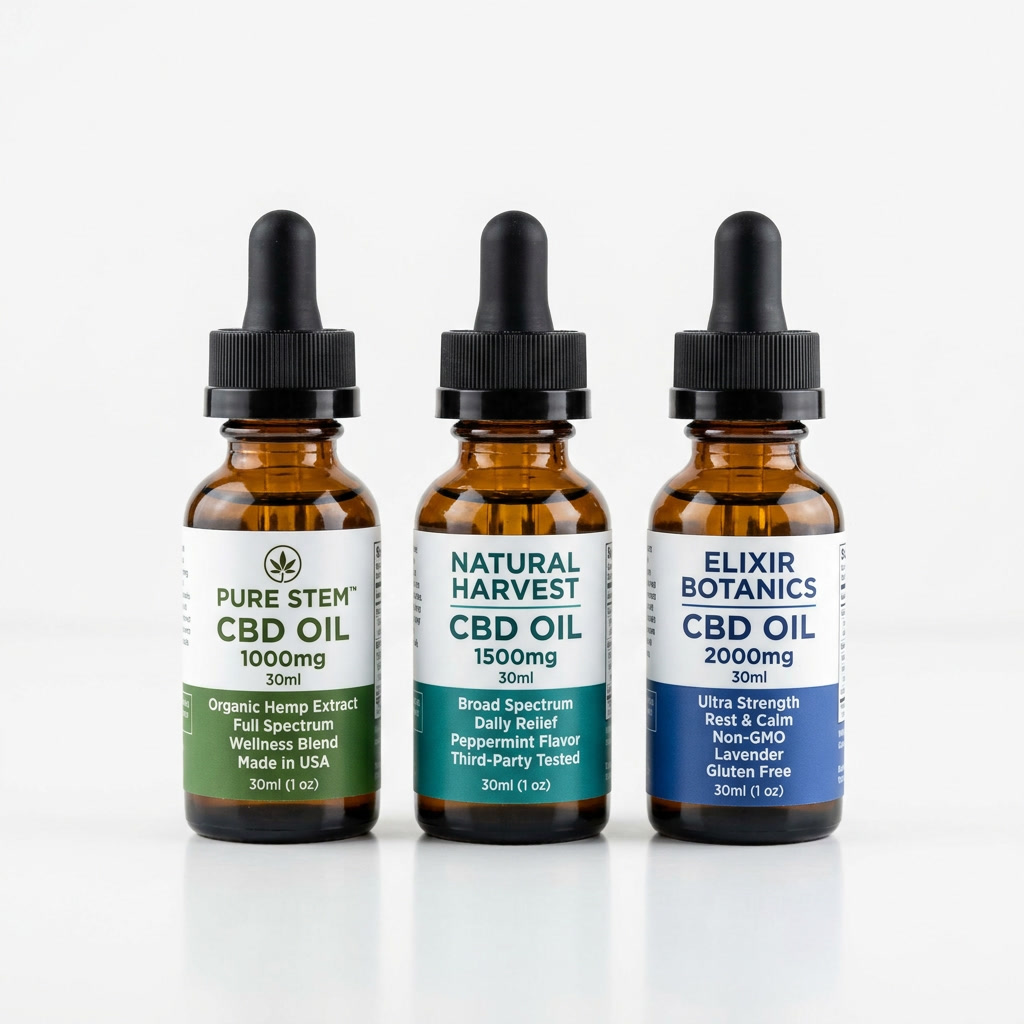
Until that happens, the burden is still on you to choose carefully. Look for third-party lab testing, clear CBD content per serving, and products from brands that publish their certificates of analysis. Our guides to CBD oils and tinctures and CBD gummies and edibles can help you compare options with confidence.
The State-by-State Picture
Rescheduling is a federal change, but cannabis law is still a patchwork. States have their own rules, and the federal shift doesn't automatically change them. A 2026 survey in the Journal of the American Pharmacists Association took a rapid snapshot of marijuana scheduling across all 50 states and D.C., highlighting just how varied the landscape remains.
That's why it's essential to check your own state's rules before buying or traveling with CBD, and to keep an eye on how the broader CBD market is evolving. Our state-by-state CBD legality guide breaks down the current rules so you know where you stand.
How the Market Is Responding
The market has been watching this shift closely. Rescheduling is expected to ease the tax burden on cannabis businesses, particularly through relief from a section of the tax code that has long penalized the industry, and to improve access to banking and capital. That could translate into more investment, more product development, and more consumer choice.
But it's not all smooth sailing. The same analysis warned that rescheduling could accelerate consolidation, favoring larger players over small owner-operators. For consumers, that's a reason to stay informed and to support brands whose values and transparency you trust.
What the Experts Are Saying
The medical community is cautiously optimistic. A 2025 commentary in JAMA Psychiatry called rescheduling an opportunity to advance cannabis science, while another framed the debate as a question of medicine versus politics. The recurring theme is that rescheduling is a chance to lead with science and patient care realities rather than ideology.
The New England Journal of Medicine review captured the mood well, describing the shift as a potential game changer for research while urging careful, evidence-based implementation. The message to consumers is consistent: this is progress, but it's progress that should be guided by data, not hype.
Your Action Steps
Here's how to make the most of this moment without getting swept up in the noise:
- Check your state's rules before buying or traveling with CBD, since federal rescheduling doesn't override state law.
- Look for third-party lab testing and published certificates of analysis on every product you consider.
- Start with a low dose, typically 10 to 20 mg once daily, and track your response for two to three weeks before adjusting.
- Choose products with clear CBD content per serving and avoid vague "hemp extract" labels that hide the dose.
- Talk to your doctor if you take blood thinners, antidepressants, or seizure medications, since CBD can interact with some drugs.
- Stay skeptical of miracle claims. The best evidence supports CBD for anxiety and certain types of pain, with modest effects.
The Bottom Line
The 2026 federal rescheduling of cannabis is a genuine turning point, the most significant federal policy shift in more than five decades. It won't legalize cannabis or magically approve every CBD product, but it will unlock research, ease the path to FDA-compliant development, and bring more transparency to the market. For you, the practical takeaway is simple: the science is getting better, the products are getting more scrutinized, and your job is to stay informed and choose carefully. Read the labels, check the labs, and let the evidence guide you. The future of CBD is brighter and more honest than it's ever been, and you're now better equipped to navigate it.
Find Your Perfect CBD Product
Take our 2-minute quiz to get personalized recommendations based on your needs.
Take the Quiz →Disclaimer: This article is for informational purposes only and does not constitute medical advice. CBD products are not FDA-approved to treat, cure, or prevent any disease. Always consult with a qualified healthcare professional before starting any new supplement, especially if you have a medical condition or take medications.