CBD for Dental and Oral Health: What the 2023+ Research Actually Shows
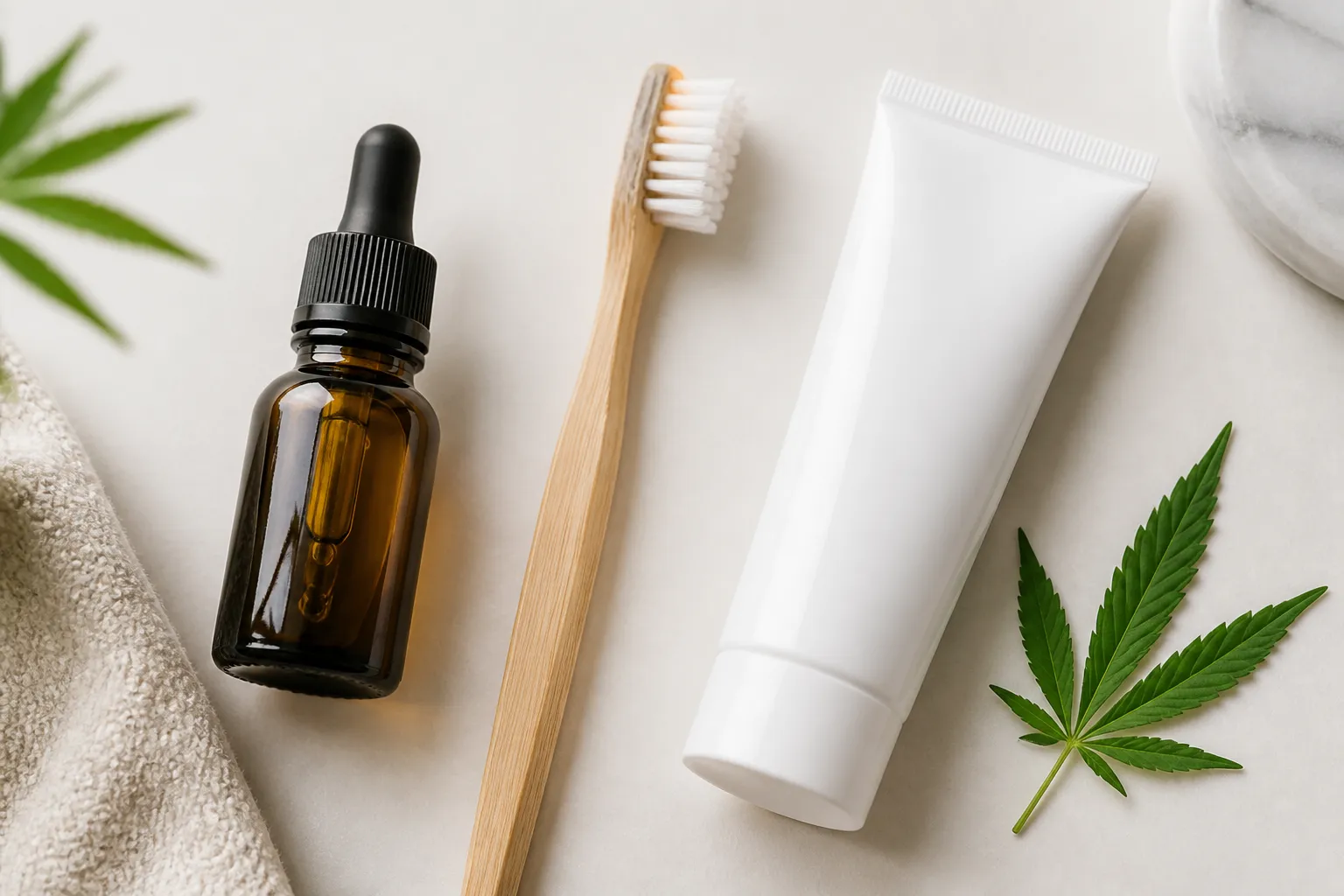
You flinch when the cold water hits your teeth. Your gums bleed a little when you floss, and that dull ache near your back molar has been nagging you for days. You've heard people talk about CBD for anxiety and sleep, but could it help your mouth too? It's a fair question. Gum inflammation, tooth sensitivity, and dental pain are incredibly common, and the idea of a natural compound that might calm irritated oral tissues is genuinely appealing. But here's the honest part: the science on CBD and oral health is still early, and it's nowhere near a replacement for brushing, flossing, or a dentist. In this guide, we'll walk through what the recent research actually says, what's still marketing hype, and how to think about CBD responsibly if you're curious about trying it for your gums or teeth.
Why People Consider CBD for Oral Health
Most people don't wake up planning to add CBD to their dental routine. It usually starts with a problem: tender gums that bleed when you brush, a tooth that throbs at night, or chronic jaw tension that makes your face ache by the end of the day. When conventional options feel limited, or when you're looking for something gentler alongside your normal care, CBD starts to look interesting. The appeal is understandable. CBD is widely available, generally well tolerated, and has a reputation for helping with inflammation and discomfort in other parts of the body. It's natural to wonder whether those same properties could apply to the mouth. That instinct isn't crazy, but it needs to be grounded in what the evidence actually supports, which is more modest than the marketing suggests. If you're new to how CBD works, our guide to the endocannabinoid system is a useful starting point.
How CBD Interacts With Oral Tissues
To understand why researchers are curious about CBD in the mouth, it helps to know a little about the endocannabinoid system. This is a signaling network found throughout the body, including in oral tissues, that helps regulate inflammation, pain, and immune responses. Cannabinoid receptors, particularly the CB2 type, are present in the gums and other oral structures. When CBD interacts with these receptors, it appears to influence inflammatory signaling rather than producing the "high" associated with THC. In laboratory studies, CBD has shown anti-inflammatory and pain-modulating effects in cells derived from the mouth. A 2026 scoping review in The Scientific World Journal noted that at low concentrations, CBD improved the viability, proliferation, and migration of human dental pulp stem cells, and appeared to support mineralization and regulate inflammatory mediators. That's promising at a cellular level, but it's a long way from a clinical recommendation.
What the 2023+ Research Shows on CBD and Gum Health
Let's be direct: the evidence on CBD for periodontal and gum health is early, and it's mostly small studies, lab work, and reviews calling for more research. A 2025 systematic review in the Journal of the American Dental Association looked at clinical evidence for CBD in oral disorders and found that topical and intraoral CBD formulations had beneficial effects in reducing pain, muscle tension, gingival inflammation, and bacterial load in the studies reviewed. That sounds encouraging, but the same review was careful to note that the studies were small, used very different doses and formulations, and couldn't be directly compared. No serious adverse effects were reported, which is reassuring, but the authors stressed that standardized, long-term trials are still needed. In other words, there's a signal, but it's not a green light.
CBD for Toothache and Dental Pain
Dental pain is one of the more studied areas, and the results are genuinely interesting, though still preliminary. A 2025 randomized pilot study in Pharmaceuticals tested oral CBD after tooth extractions. The researchers found that a higher-concentration CBD (37 mg/mL) produced pain patterns qualitatively similar to standard non-opioid therapy with ibuprofen and acetaminophen. That's a meaningful finding, but the study was tiny, with only eight participants, and the authors were explicit that the results are exploratory and need a fully powered trial. Separately, a 2026 study in Clinics looked at a THC/CBD combination for temporomandibular disorder, a common source of jaw and facial pain. Participants reported substantial improvements in pain and jaw function, but again, this was a small crossover study, and it used a combination product, not CBD alone. The takeaway: CBD shows real promise for dental pain, but it's not proven, and it's not a substitute for treating the underlying problem.
CBD Mouthwashes, Toothpastes, and Topicals
Walk into any wellness shop and you'll find CBD toothpastes, mouthwashes, and balms. Some of this is legitimate research in progress; some of it is marketing. On the research side, a 2026 in situ study in Clinical Oral Investigation tested a CBD-based mouthwash against a standard chlorhexidine rinse. The researchers found that a 0.05% CBD mouthwash showed potential for biofilm control without adversely affecting enamel properties, performing similarly to chlorhexidine in some measures. That's a genuinely useful data point. But it's one study, done on bovine enamel in a lab setting, and it doesn't mean every CBD toothpaste on the shelf is effective. Many commercial products contain tiny amounts of CBD that may do little, and there's no standardized dosing for oral care products. If you're considering one, look for third-party lab testing and be skeptical of dramatic claims.
The Importance of Real Dental Care
This is the most important section in this guide, so let's be unambiguous: CBD is not a substitute for brushing, flossing, or seeing a dentist. Gum disease, cavities, and tooth infections are caused by bacteria and plaque, and no cannabinoid removes plaque or treats an active infection on its own. A 2025 study in the International Journal of Molecular Sciences found that CBD and other cannabinoids had antibacterial effects on some bacteria associated with persistent root canal infections, like Enterococcus faecalis and Streptococcus mutans, but notably had no effect on Fusobacterium nucleatum, a key player in gum disease. That's a reminder that CBD's antibacterial activity is selective and incomplete. If you have bleeding gums, persistent pain, or a suspected infection, see a dental professional. CBD might be a complementary addition to a solid routine, never a replacement for it.
Safety Considerations
CBD is generally well tolerated, but it's not risk-free, especially when you're putting it in your mouth. Swallowing CBD means it enters your digestive system and liver, where it can interact with other medications. CBD is known to affect how the liver processes certain drugs, so if you take prescription medications, especially blood thinners or seizure medications, talk to your doctor or pharmacist before using CBD. There's also the question of what's actually in the product. Because CBD isn't tightly regulated, products can vary widely in potency and purity, and some contain more THC than labeled, which could show up on a drug test. Always choose products with third-party lab reports, and start with a low dose. If you're pregnant, nursing, or have a medical condition, check with a healthcare provider first.
Dosing and How to Use
There's no official recommended dose of CBD for oral health, which makes dosing a matter of careful experimentation. A reasonable approach is to start low and go slow. For a tincture or oil, that might mean a few milligrams a couple of times a day, held under the tongue for 30 to 60 seconds before swallowing, which allows some absorption through the oral tissues. For a topical balm or mouthwash, follow the product's instructions and start with a small amount. Keep a simple log of how you feel, and give it a week or two before adjusting. Remember that CBD affects everyone differently, and factors like body weight, metabolism, and the specific product all play a role. If you're unsure where to begin, our CBD dosage guide walks through the basics in more detail.
Honest Limits
It's worth stepping back and being honest about what CBD can and can't do for your mouth. The research is genuinely promising, but it's also genuinely early. Most studies are small, short-term, and use a wide range of doses and formulations, which makes it hard to draw firm conclusions. There's no evidence that CBD reverses gum disease, cures cavities, or replaces dental treatment. It may help with inflammation and discomfort in some people, and it appears to be safe for most, but individual results vary, and some people notice little effect at all. The marketing around CBD oral care products often outpaces the science, so treat bold claims with healthy skepticism. CBD is best thought of as a possible complement to good dental habits, not a solution in itself.
Bottom Line
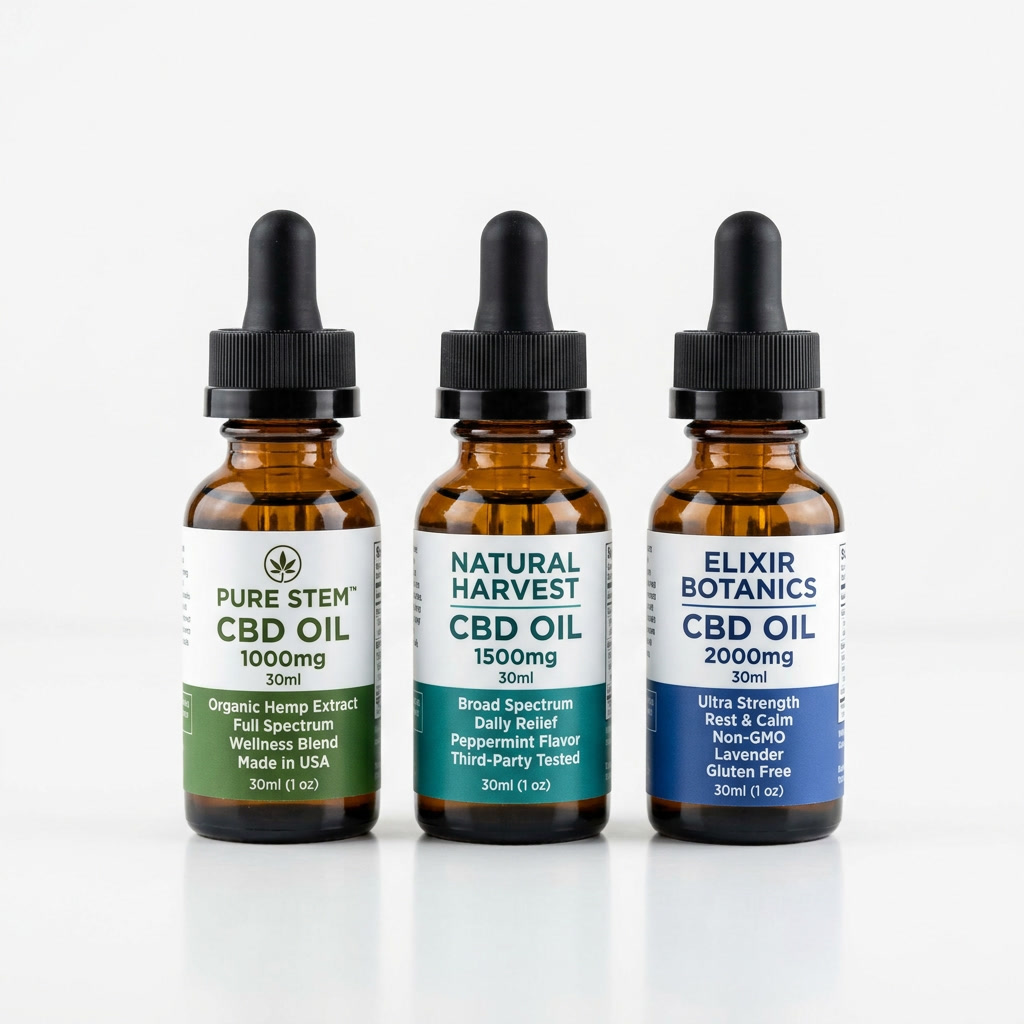
CBD shows real, early promise for supporting oral comfort, particularly around inflammation and dental pain, and the recent research is worth watching. But the honest truth is that the evidence is still preliminary, and CBD is not a replacement for brushing, flossing, or professional dental care. If you're curious, the safest approach is to treat CBD as a complement to a solid routine, choose high-quality products with third-party lab testing, start with a low dose, and talk to your dentist or doctor, especially if you take other medications. For most people, the biggest wins for oral health still come from the basics: consistent brushing, daily flossing, and regular checkups. If you do want to explore CBD, our CBD oils and CBD topicals pages are a good place to start comparing options.
Frequently Asked Questions
Can CBD help with gum inflammation?
Some early research, including a 2025 review in the Journal of the American Dental Association, found that topical and intraoral CBD reduced gingival inflammation in the studies reviewed. However, the studies were small and used varied doses, so the evidence is promising but not conclusive. CBD is not a treatment for gum disease.
Is CBD effective for tooth pain?
A 2025 pilot study found that a higher-concentration oral CBD produced pain patterns similar to standard non-opioid pain relievers after tooth extractions (see CBD vs ibuprofen for pain), but the study was very small and exploratory. CBD may help some people with dental discomfort, but it's not a substitute for treating the underlying cause.
Are CBD toothpastes and mouthwashes worth trying?
Some research, like a 2026 study on a CBD mouthwash, shows potential for biofilm control without harming enamel. But many commercial products contain very small amounts of CBD, and there's no standardized dosing. If you try one, look for third-party lab testing and keep expectations realistic.
Is it safe to swallow CBD?
CBD is generally well tolerated, but swallowing it means it's processed by the liver and can interact with certain medications, including blood thinners. If you take prescription drugs, talk to your doctor or pharmacist first, and always choose products with third-party lab reports.
Can CBD replace brushing and flossing?
No. CBD does not remove plaque or treat infections on its own, and its antibacterial effects are selective and incomplete. Brushing, flossing, and regular dental visits remain essential. CBD is best viewed as a possible complement, never a replacement.
Find Your Perfect CBD Product
Take our 2-minute quiz to get personalized recommendations based on your needs.
Take the Quiz →Disclaimer: This article is for informational purposes only and does not constitute medical advice. CBD products are not FDA-approved to treat, cure, or prevent any disease. Always consult with a qualified healthcare professional before starting any new supplement, especially if you have a medical condition or take medications.