CBD for IBS: What the Research Really Says About Cannabinoids and Irritable Bowel Syndrome
# CBD for IBS: What the [[Research Really](/blog/blog-cbd-skin-acne-2026-07-17)](/blog/blog-cbd-autism-2026-07-28) Says About Cannabinoids and Irritable Bowel Syndrome
The cramping starts without warning. You're in a meeting, on a date, on a road trip — and suddenly your gut is screaming at you. The pain is sharp, the bloating is visible, and the nearest bathroom is three floors down. You've been through this a thousand times. You know your triggers, you've tried the diets, you've taken the medications. And still, your intestines run the show.
If you're one of the 10-15% of people living with irritable bowel syndrome (IBS), this is your daily reality. IBS is one of the most common gastrointestinal disorders in the world — and one of the most frustrating to treat.
The standard treatments help some people, some of the time. Antispasmodics reduce cramping but cause dry mouth and blurred vision. Antidepressants modulate the gut-brain axis but take 4-6 weeks to work and can cause sexual dysfunction. The low-FODMAP diet helps 50-70% of patients but is restrictive and hard to maintain. And the two drugs specifically approved for IBS — alosetron and tegaserod — were withdrawn or restricted due to serious safety concerns.
So when people with IBS hear about CBD, the question isn't surprising: can it help?
What does the actual research say?
This article examines the clinical evidence, the endocannabinoid deficiency theory, and the honest limitations of CBD for IBS.
Understanding IBS: More Than Just a Sensitive Stomach
IBS is a functional gastrointestinal disorder — meaning the gut doesn't work properly, even though there's no visible damage when you look at it through a scope. It's diagnosed based on symptoms, using the Rome IV criteria:
- Recurrent abdominal pain (at least 1 day/week in the last 3 months)
- Associated with two or more of: related to defecation, change in stool frequency, change in stool form
- Symptoms present for at least 3 months
IBS has three main subtypes:
- IBS-D (diarrhea-predominant) — loose, frequent stools
- IBS-C (constipation-predominant) — hard, infrequent stools
- IBS-M (mixed) — alternating between diarrhea and constipation
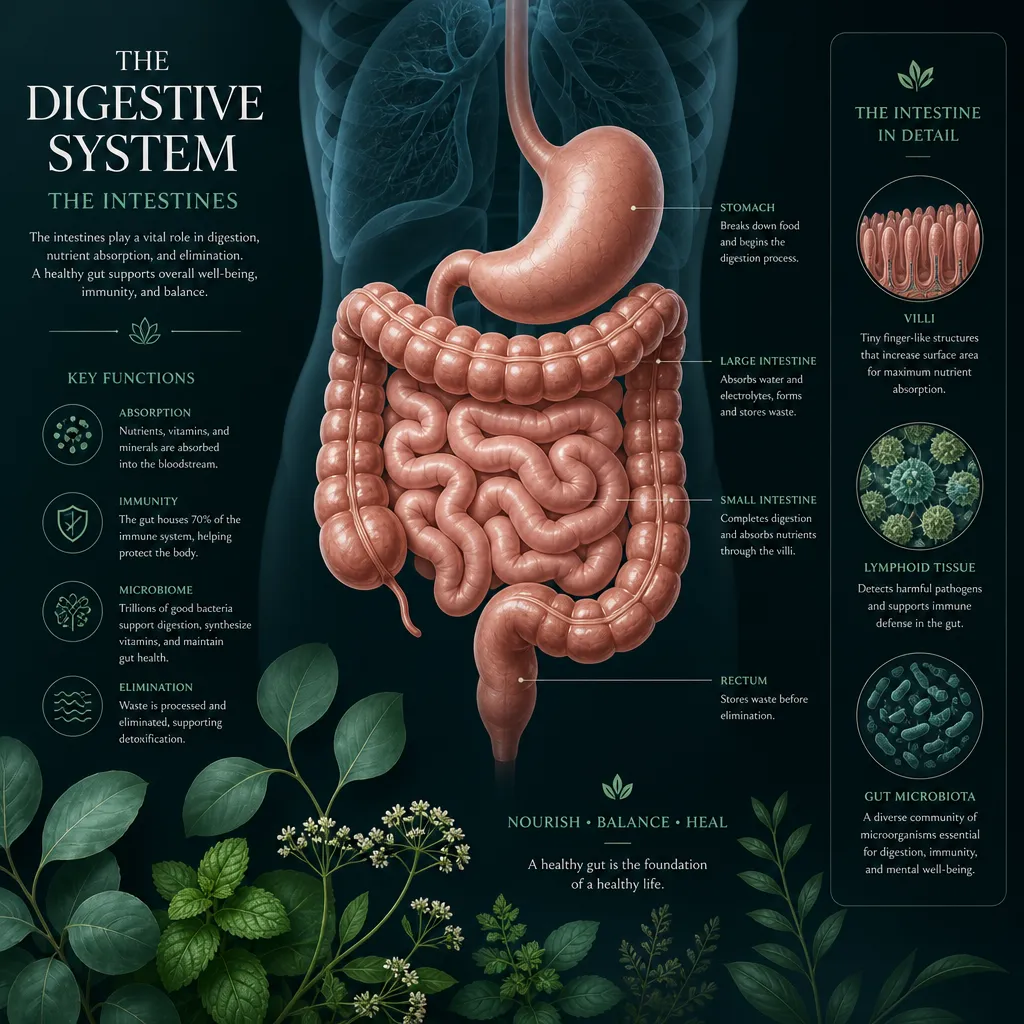
The core problem in IBS isn't just in the gut — it's in the gut-brain axis. The communication between your intestines and your nervous system is dysregulated, leading to:
- Visceral hypersensitivity — your gut perceives normal sensations as painful
- Altered motility — food moves through too fast or too slow
- Low-grade inflammation — not as severe as IBD, but present
- Gut-brain dysfunction — stress, anxiety, and gut symptoms feed each other
This complexity is why single-mechanism treatments often fail. And it's why CBD — which acts on multiple pathways simultaneously — has generated research interest.
The Endocannabinoid System in IBS: A Scientific Connection
Your gut has its own endocannabinoid system (ECS). This isn't theoretical — it's well-documented in published research.
ECS Components in the GI Tract
CB1 receptors are found in intestinal epithelial cells and the enteric nervous system (the "second brain" in your gut). When activated, CB1 reduces gut motility and attenuates bowel muscle tone by inhibiting acetylcholine release from enteric nerves.
CB2 receptors are found on intestinal immune cells and enteric neurons. They control intestinal motility in disease states and reduce inflammation by decreasing cytokine production.
Endocannabinoids — anandamide (AEA) and 2-AG — are produced in the gut and regulate motility, immunity, gut barrier function, and visceral sensation.
The enzymes FAAH and MAGL degrade these endocannabinoids, controlling their levels and duration of action.
The Clinical Endocannabinoid Deficiency Theory
Dr. Ethan Russo's Clinical Endocannabinoid Deficiency (CED) theory — published in Current Opinion in Pharmacology (2016) — proposes that IBS, along with migraine and fibromyalgia, may result from deficient endocannabinoid signaling. These three conditions frequently co-occur in the same patients, suggesting a shared underlying mechanism.
The evidence supporting CED in IBS is specific:
- IBS-D patients have genetic alterations affecting endocannabinoid metabolism, including variants of the CNR1 and FAAH genes. The CNR1 rs806378 CT/TT genotype is significantly associated with accelerated colonic transit.
- IBS-C patients show higher levels of OEA (an endocannabinoid-like compound) and reduced FAAH mRNA in intestinal tissues — suggesting altered endocannabinoid tone.
- Chronic stress — a major IBS trigger — silences the CB1 gene promoter through epigenetic methylation while activating the TRPV1 promoter through acetylation, resulting in reduced CB1 (which normally calms the gut) and increased TRPV1 (which increases pain sensitivity).
If the CED theory is correct, then CBD — which increases anandamide levels by inhibiting FAAH — could address the underlying deficiency rather than just masking symptoms.
What the Research Actually Shows
The Only Major CBD RCT for IBS (2022)
The most important study is the CANdidate trial (van Orten-Luiten et al., Cannabis and Cannabinoid Research, 2022) — a randomized, double-blind, placebo-controlled crossover trial.
Design: 32 female IBS patients used CBD chewing gum (50 mg CBD per gum, on-demand, max 6/day = 300 mg/day) vs. placebo for 3-week periods separated by a 1-week washout.
Results:
- No statistically significant difference in pain scores between CBD and placebo at the group level
- Mean within-individual difference in 30-minute pain reduction: 0.1 (95% CI [-0.3 to 0.5], p=0.61)
- No significant effect on quality of life
- Important caveat: Actual usage was very low — mean 5.9 gums per week (less than 1 per day), far below the maximum allowed. The researchers noted this low compliance as a limitation.
The honest takeaway: This trial did not show CBD works for IBS at a group level. However, the low actual dosing, the on-demand design (rather than scheduled dosing), and the small sample size mean we can't conclude CBD doesn't work — only that this particular approach didn't work in this trial.
Dronabinol and Colonic Motility (Wong et al., 2011)
Wong et al. (Gastroenterology, 2011) tested dronabinol (synthetic THC) on colonic motility in IBS-D patients. Dronabinol reduced fasting colonic motility, particularly in patients carrying the CB1 receptor polymorphism rs806378. This shows the ECS can modulate gut motility in IBS — but this was THC, not CBD.
CBD and Gut Permeability (Couch et al., 2019)
Couch et al. (Inflammatory Bowel Diseases, 2019) found that CBD and PEA (palmitoylethanolamide) prevented inflammation-induced hyperpermeability of the human gut — both in vitro and in vivo. This is significant because increased intestinal permeability ("leaky gut") may contribute to IBS symptoms in some patients.
This study has been cited 132+ times, indicating significant impact in the field.
TRPV1 Desensitization Studies
Bortolotti and Porta (2011) showed that enteric-coated capsaicin pills (which desensitize TRPV1 receptors) decreased abdominal pain and bloating in IBS patients. Wouters et al. (2016) confirmed this effect. Since CBD also modulates TRPV1, this mechanism is relevant to CBD's potential in IBS.
2025 Systematic Review Protocol
Lane et al. published a protocol in BMJ Open Research (2025) for a systematic review and meta-analysis on endocannabinoid system modulation for visceral abdominal pain in IBS and IBD. This review is ongoing and will provide the first comprehensive synthesis of ECS-targeted treatments for IBS pain.
The Research Gap
Here's the honest reality: as of July 2026, there is no large-scale, definitive Phase 3 trial of pure CBD for IBS. The single major RCT (CANdidate) showed no group-level benefit. Preclinical studies are promising, but clinical translation hasn't happened yet.
A 2023 study by Fan et al. in the International Journal of Nanomedicine explored CBD-decorated microemulsions combining CBD with berberine for IBS-D — a novel approach that may improve bioavailability, but it's early-stage research.
How CBD Might Help IBS: The Multi-Target Approach
Despite the limited clinical trial evidence, the mechanistic case for CBD in IBS is strong — stronger than for many conditions where CBD is marketed. Here's why researchers are interested:
1. Visceral Pain — TRPV1 and Beyond
IBS patients have 3.5-fold more TRPV1-immunoreactive nerve fibers in their gut biopsies than healthy controls. This is why their guts are so sensitive — the pain receptors are literally amplified. CBD acts as a TRPV1 agonist that leads to desensitization, potentially reducing this visceral hypersensitivity.
CBD also inhibits anandamide reuptake, increasing levels of the body's natural pain-relieving cannabinoid. Lower anandamide levels have been associated with cramping abdominal pain in IBS.
2. Gut Motility — Normalizing the Rhythm
Through CB1 receptor modulation (indirect, not direct activation), CBD may help normalize gut motility. For IBS-D, reducing excessive motility. For IBS-C, the effects are more complex and may depend on the baseline ECS tone.
The dronabinol study (Wong et al., 2011) proved that cannabinoids can reduce colonic motility in IBS-D — but that was THC, which directly activates CB1. CBD's indirect effects may be gentler but less predictable.
3. Gut-Brain Axis — Anxiety and IBS Together
Up to 60% of IBS patients have comorbid anxiety or depression. The gut-brain axis means that treating one can help the other. CBD's well-documented anxiolytic effects (through 5-HT1A receptor activation) could address both the psychological and GI components of IBS simultaneously.
4. Low-Grade Inflammation and Gut Barrier
CBD reduces pro-inflammatory cytokines and activates PPAR-γ receptors. The Couch et al. (2019) study showed CBD prevents inflammation-induced gut hyperpermeability. For the subset of IBS patients with low-grade inflammation or post-infectious IBS, this could be meaningful.
5. Stress-Induced IBS
Chronic stress epigenetically alters the ECS in the gut — reducing CB1 and increasing TRPV1. CBD may help normalize this imbalance through its effects on the HPA axis and stress response.
CBD vs. Current IBS Treatments
Antispasmodics (hyoscyamine, dicyclomine)
- How they work: Block acetylcholine to reduce smooth muscle contractions
- Problems: Dry mouth, blurred vision, urinary retention, variable efficacy
Antidepressants (amitriptyline, SSRIs)
- How they work: Modulate gut-brain axis and visceral sensitivity
- Problems: 4-6 week onset, sexual dysfunction, weight gain, withdrawal syndrome
Low-FODMAP Diet
- How it works: Eliminates fermentable carbohydrates that trigger symptoms
- Problems: Restrictive, difficult to maintain, only helps 50-70%, may harm microbiome long-term
CBD (Based on Available Evidence)
- How it works: Multiple targets — ECS modulation, TRPV1 desensitization, 5-HT1A activation, anti-inflammatory, gut barrier protection
- Potential advantages: Multi-symptom approach (pain + anxiety + motility + inflammation), favorable general safety profile, non-psychoactive
- Problems: No proven clinical efficacy in IBS RCT, unknown optimal dosing, drug interactions, variable product quality
The comparison is nuanced. Existing treatments have more efficacy data but limited multi-target action. CBD has strong mechanistic rationale but limited clinical evidence.
Drug Interactions: What IBS Patients Need to Know
The CANdidate trial excluded patients taking SSRIs, opioid analgesics, CYP3A4 substrates, and CYP2C19 substrates — highlighting the real concern about drug interactions.
High-Risk Interactions
TCAs (amitriptyline, nortriptyline): CBD inhibits CYP2D6 and CYP3A4, potentially increasing TCA levels and causing anticholinergic toxicity.
SSRIs (fluoxetine, sertraline): Both CBD and SSRIs are metabolized by CYP2C19 and CYP3A4. CBD may increase SSRI levels.
Benzodiazepines (diazepam, lorazepam): CBD inhibits CYP3A4, potentially increasing benzodiazepine levels and causing excessive sedation.
Lower-Risk
Rifaximin: Minimal CYP metabolism; low interaction risk.
Linaclotide, plecanatide: Minimal systemic absorption; low interaction risk.
Antispasmodics: Limited specific data; additive sedative effects possible.
The critical message: If you're taking any prescription medication for IBS or related conditions, discuss CBD with your doctor. The interactions are real.
How to Approach CBD for IBS
If you're considering CBD despite the limited clinical evidence, here's what the science suggests:
Dosing
The CANdidate trial allowed up to 300 mg/day via chewing gum, but actual usage was much lower. For oral CBD, start with 10-25 mg/day and increase gradually. Track symptoms for 2-4 weeks before deciding if it's helping.
Product Type
Full-spectrum products may offer advantages through the entourage effect — particularly relevant for IBS where multiple symptoms need addressing simultaneously. However, if you're drug-tested or sensitive to THC, broad-spectrum or isolate are safer.
Delivery Method
- Sublingual oils: Fast onset (15-30 min), good for acute symptom flares
- Capsules: Consistent dosing, good for daily maintenance
- Topicals: Not relevant for IBS (it's an internal condition)
- Avoid edibles high in FODMAPs (some CBD gummies contain high-FODMAP sweeteners)
What to Track
Keep a symptom diary (bowel movements, pain levels, bloating, anxiety) for 2 weeks before starting CBD as a baseline. Continue tracking while using it. IBS symptoms naturally fluctuate, so without tracking, it's hard to know if CBD is helping or if you're just having a good week.
N-of-1 Approach
The CANdidate researchers specifically recommended N-of-1 trial designs for future CBD research in IBS — meaning individual patients test CBD vs. placebo in alternating periods to determine if it works for them specifically. This is actually something you can do at home: try CBD for 2 weeks, stop for 2 weeks, try it again, and compare.
What to Look For in a CBD Product for IBS
1. Third-party lab testing — non-negotiable. The COA should confirm CBD potency and show no contaminants
2. For oral use: Full-spectrum for potential entourage effect, or broad-spectrum if avoiding THC
3. Consistent dosing: Oils or capsules allow more precise dosing than gummies
4. Low FODMAP: Check that any edible product doesn't contain high-FODMAP ingredients (sugar alcohols, certain sweeteners)
5. Reputable brand: Published COAs, transparent manufacturing, good customer reviews
The Bottom Line
The research on CBD for IBS is genuinely promising at the mechanistic level but genuinely disappointing at the clinical trial level. The single major RCT showed no group-level benefit — but had significant limitations (low dosing, on-demand design, small sample).
The endocannabinoid deficiency theory provides a compelling biological explanation: if IBS involves insufficient endocannabinoid signaling (and the genetic and epigenetic evidence supports this), then CBD could address a root cause. The gut has its own endocannabinoid system, and it's altered in IBS — that's not speculation, it's published science.
But let's be honest about what we don't know:
- We don't have a single positive RCT of CBD for IBS
- We don't know the optimal dose, delivery method, or which IBS subtypes might respond
- We don't know how CBD compares to existing IBS treatments
- We don't know if the benefits seen in preclinical studies will translate to humans
CBD is not a proven treatment for IBS. It's a compound with strong mechanistic rationale, a good general safety profile, and limited but evolving clinical evidence. Some people with IBS may benefit; others won't notice any difference.
If you decide to try it, do so with realistic expectations, medical supervision (especially if taking other medications), and careful symptom tracking. And remember that CBD should complement — not replace — the lifestyle, dietary, and medical approaches that form the foundation of IBS management.
If you're exploring CBD for IBS, our [CBD Product Finder Quiz](/quiz) can help you find products suited to your needs. Always work with your healthcare provider when managing IBS.
Find Your Perfect CBD Product
Take our 2-minute quiz to get personalized recommendations based on your needs.
Take the Quiz →Disclaimer: This article is for informational purposes only and does not constitute medical advice. CBD products are not FDA-approved to treat, cure, or prevent any disease. Always consult with a qualified healthcare professional before starting any new supplement, especially if you have a medical condition or take medications.