Can CBD Help With Fatty Liver Disease? What the 2026 Research Really Shows
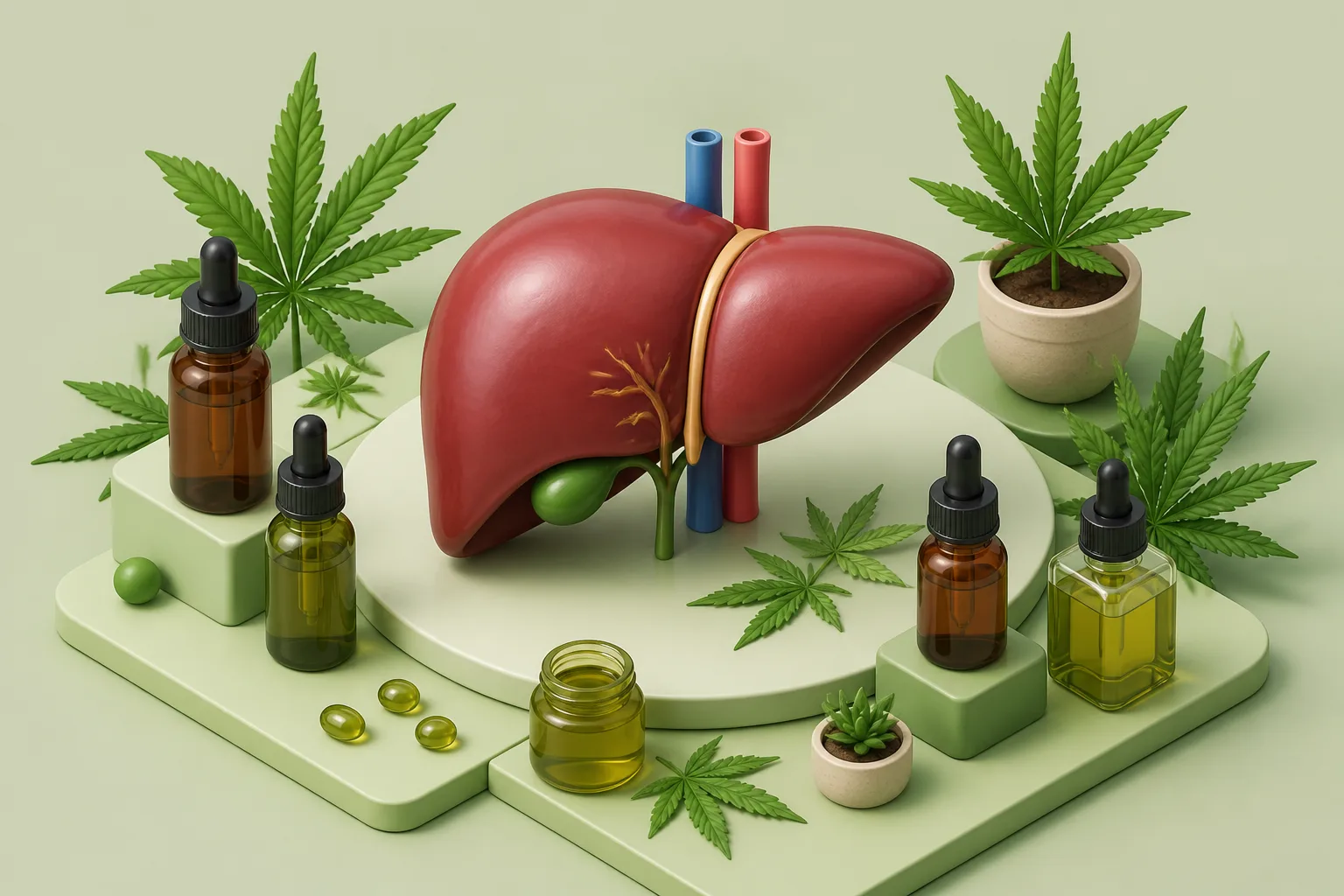
You've just come back from your annual physical, and the doctor's words are still echoing: "Your liver enzymes are slightly elevated, and the ultrasound shows some fat buildup." It's called metabolic dysfunction-associated steatotic liver disease, or MASLD — the condition formerly known as non-alcoholic fatty liver disease (NAFLD). Roughly one in three adults now carries excess fat in their liver, and for many, it's a silent wake-up call. You've heard CBD can help with everything from sleep to anxiety, but could it actually do something for your liver? It's a fair question — and the 2026 research is starting to give a genuinely interesting answer.
Here's the honest picture: CBD won't replace diet, exercise, or your doctor's advice. But a growing body of recent studies — including a landmark 2026 Hebrew University investigation — suggests that CBD and its cousin CBG may help reduce liver fat, improve blood sugar control, and support the cellular cleanup systems that keep a fatty liver from progressing. This guide breaks down what the latest science shows, how it works, and the safety considerations you absolutely need to know before trying it.
What Is MASLD and Why Should You Care?
MASLD is the umbrella term for a range of liver conditions marked by fat accumulation in more than 5% of liver cells, in people who drink little or no alcohol. It's the most common chronic liver disease in the world, and it's climbing fast alongside rising rates of obesity, type 2 diabetes, and metabolic syndrome.
The condition exists on a spectrum. Simple steatosis means fat sitting in the liver with little inflammation. But when fat is joined by inflammation and liver cell damage, it becomes metabolic dysfunction-associated steatohepatitis (MASH), which can progress to fibrosis, cirrhosis, and even liver cancer. The key insight from recent research is that MASLD isn't just a liver problem — it's a metabolic problem, tightly linked to insulin resistance, oxidative stress, and a disrupted endocannabinoid system.
That last piece matters, because the endocannabinoid system is exactly where CBD does much of its work. A 2024 systematic review in the International Journal of Molecular Sciences laid out how CBD interacts with cannabinoid receptors, PPARs, and other pathways involved in liver disease, calling the evidence "substantiated" across multiple experimental models.
The 2026 Hebrew University Study: A Turning Point
The most important recent development came from researchers at the Hebrew University of Jerusalem, published in the British Journal of Pharmacology in 2026. In a mouse model of diet-induced obesity and MASLD, the team tested daily CBD and CBG treatment over four weeks.
The results were striking. Both compounds:
- Reduced hepatic triglycerides — the actual fat stored in the liver
- Improved glycaemic control — better blood sugar handling
- Normalised serum lipids — healthier blood fat profiles
- Restored lysosomal function — the cellular "recycling centers" that break down and clear fat
The researchers identified a novel mechanism: CBD and CBG boosted phosphocreatine-based energy buffering in the liver and restored the activity of cathepsin enzymes, which are critical for lysosomal lipid degradation. In plain terms, the compounds helped liver cells process and clear fat more efficiently, rather than letting it pile up.
> "These findings identify a novel, endocannabinoid system-independent mechanism by which CBD and CBG enhance hepatic energy buffering and lysosomal function, contributing to improved liver lipid handling."
That last phrase — "endocannabinoid system-independent" — is important. It means CBD's liver benefits may not rely on the same receptor pathways as its effects on anxiety or pain, which could make it relevant even for people whose endocannabinoid signaling is already disrupted by metabolic disease.
How CBD and CBG Reduce Liver Fat
The Hebrew University study is far from the only recent evidence. A wave of 2025 and 2026 studies has been probing exactly how cannabinoids influence liver fat, and several distinct mechanisms are emerging.
Restoring Cellular Cleanup
The lysosomal restoration seen in the Hebrew University study is a standout finding. Lysosomes are the liver cell's waste-disposal and recycling units. In fatty liver disease, these organelles become dysfunctional, and fat accumulates faster than it can be cleared. By restoring cathepsin activity and increasing lysobisphosphatidic acids — molecules that help lysosomes process lipids — CBD and CBG appear to reopen a clogged cleanup pathway.
Calming Inflammation
Inflammation is what turns simple fatty liver into the more dangerous MASH. A 2026 study in the Journal of Cannabis Research examined CBD's effect on the lipid precursors of inflammation, focusing on the pro-inflammatory n-6 pathway and arachidonic acid. The researchers found that CBD supplementation reduced the n-6 PUFA pathway and shifted the balance toward anti-inflammatory n-3 fatty acids, suggesting it could help prevent the progression from MASLD to MASH.
Improving Lipid Metabolism
A 2026 study in Scientific Reports looked at a related compound, cannabidiolic acid (CBDA), in rats with MASLD. CBDA reduced the expression of fatty acid transporters like CD36 and FATP5, lowered harmful lipid accumulation, and improved the overall fatty acid composition in the liver. The authors concluded that CBDA "ameliorated HFD-induced hepatic steatosis" by targeting multiple dysregulated pathways.
Supporting the Gut-Liver Axis
A 2026 review in Current Reviews in Clinical and Experimental Pharmacology highlighted CBD's role in the gut-liver axis — the bidirectional communication between your gut and your liver. The review noted that CBD may improve gut barrier integrity, reduce intestinal permeability, and suppress inflammatory signaling, all of which support liver health.
What About Blood Sugar and Metabolic Health?
Because MASLD is fundamentally a metabolic disease, the blood sugar effects of CBD matter as much as the direct liver effects — we dig into this in our deep dive on CBD and blood sugar. The Hebrew University study reported improved glycaemic control alongside the reduction in liver fat, and a 2023 review in the Journal of Clinical Medicine summarized the broader picture: CBD appears to help maintain glucose homeostasis, sensitise adipose tissue to insulin, and reduce fasting glucose levels, though the authors noted some results remain inconclusive.
A 2026 study in the International Journal of Molecular Sciences tested cannabinoid combination therapies in a Western diet-induced model of metabolic liver disease. Just two weeks of treatment reduced body weight, improved glycaemic control, and ameliorated liver pathology, including improved liver enzyme profiles and reduced steatosis.
The takeaway: CBD's effects on the liver and on metabolism appear to reinforce each other. Better blood sugar control reduces the metabolic stress driving fat accumulation, while better liver fat handling improves overall metabolic health. It's a two-way street, and CBD seems to nudge both directions.
The CBG Angle: Why It Matters
Most of the attention on cannabis compounds has gone to CBD, but the Hebrew University study is notable for putting CBG (cannabigerol) on equal footing. CBG is a minor cannabinoid — present in much smaller amounts in the plant — but it showed comparable effects to CBD on liver fat, blood sugar, and lysosomal function.
This matters for a few reasons. First, it suggests the liver benefits aren't unique to one molecule, which strengthens the case that the underlying mechanism is real. Second, it opens the door to full-spectrum products that combine multiple cannabinoids. The 2026 study in Frontiers in Nutrition tested a full-spectrum cannabis oil with a 2:1 CBD-to-THC ratio in a female rat model of MASLD and found it improved liver lipid metabolism, reduced fibrosis markers, and normalised endocannabinoid system activity.
If you're choosing a product, a full-spectrum oil that includes CBG alongside CBD may offer more than an isolate alone — though the research is still early, and more human studies are needed.
The Safety Angle: CBD and Your Liver
Here's the part too many articles skip, and it's the most important thing to understand. CBD is metabolised by the liver through the CYP450 enzyme system, and high doses can raise liver enzymes. This is a real, documented effect — not a scare tactic.
The most rigorous recent evidence comes from a 2025 randomized clinical trial published in JAMA Internal Medicine, conducted by researchers at the U.S. Food and Drug Administration. In 201 healthy adults, participants took CBD at 5 mg/kg per day (roughly 350 mg for a 70 kg person) for 28 days. The results:
- 5.6% of the CBD group had liver enzyme elevations greater than 3 times the upper limit of normal
- 0% of the placebo group did
- 7 participants met withdrawal criteria for potential drug-induced liver injury
That's a meaningful signal. The dose tested is higher than what most consumers take, but it's within the range used in some prescription CBD products, and it shows that CBD is not risk-free for the liver.
The picture is more reassuring at lower doses. A 2023 observational study in Cannabis and Cannabinoid Research followed 839 adults self-administering CBD at a mean daily dose of about 50 mg. The prevalence of elevated ALT was 9.1% — not significantly different from the general adult population prevalence of 8.9% — and only 0.3% had ALT levels above 3 times the upper limit of normal. A 2025 study in Archives of Toxicology tested 60 mg of CBD daily in healthy athletes and found no concerning liver enzyme changes.
The pattern is clear: risk scales with dose. Low-to-moderate doses appear well tolerated in most people, while high doses carry a real risk of liver enzyme elevation.
Who Should Be Extra Careful
If you have existing liver disease, the calculus changes. Your liver is already under stress, and adding a compound that it must metabolise could add to that burden. The 2025 retrospective analysis in the Journal of Clinical Gastroenterology examined cannabis use in hospitalized patients with MASLD and found the relationship is complex — the authors framed it as "friend or foe," acknowledging both potential anti-inflammatory benefits and real risks.
You should be especially cautious if you:
- Have cirrhosis or advanced fibrosis — liver function is already compromised
- Take medications metabolised by CYP450 enzymes — CBD can interact with blood thinners, antidepressants, seizure medications, and many others
- Drink alcohol regularly — combining CBD with alcohol adds liver stress
- Take high-dose prescription CBD — the risk of enzyme elevation is highest here
The responsible approach is simple: talk to your doctor, get a baseline liver panel, and monitor your enzymes if you decide to use CBD. This is not a supplement to experiment with casually if you have known liver issues.
How to Choose a CBD Product for Liver Health
If you and your doctor decide CBD is worth trying, product quality matters enormously. The liver is sensitive, and the last thing you want is to add contaminants or mislabeled doses to the equation.
- Choose full-spectrum or broad-spectrum oils — they may offer the combined benefits of CBD and CBG seen in the research
- Start with a low dose — 10 to 20 mg daily is a reasonable starting point, well below the doses associated with liver enzyme elevation
- Look for third-party lab testing — verify the actual CBD content and check for contaminants
- Avoid high doses — the research suggests risk rises with dose, so there's no need to push into the hundreds of milligrams
- Prefer oils over other formats — sublingual oils give you precise dose control
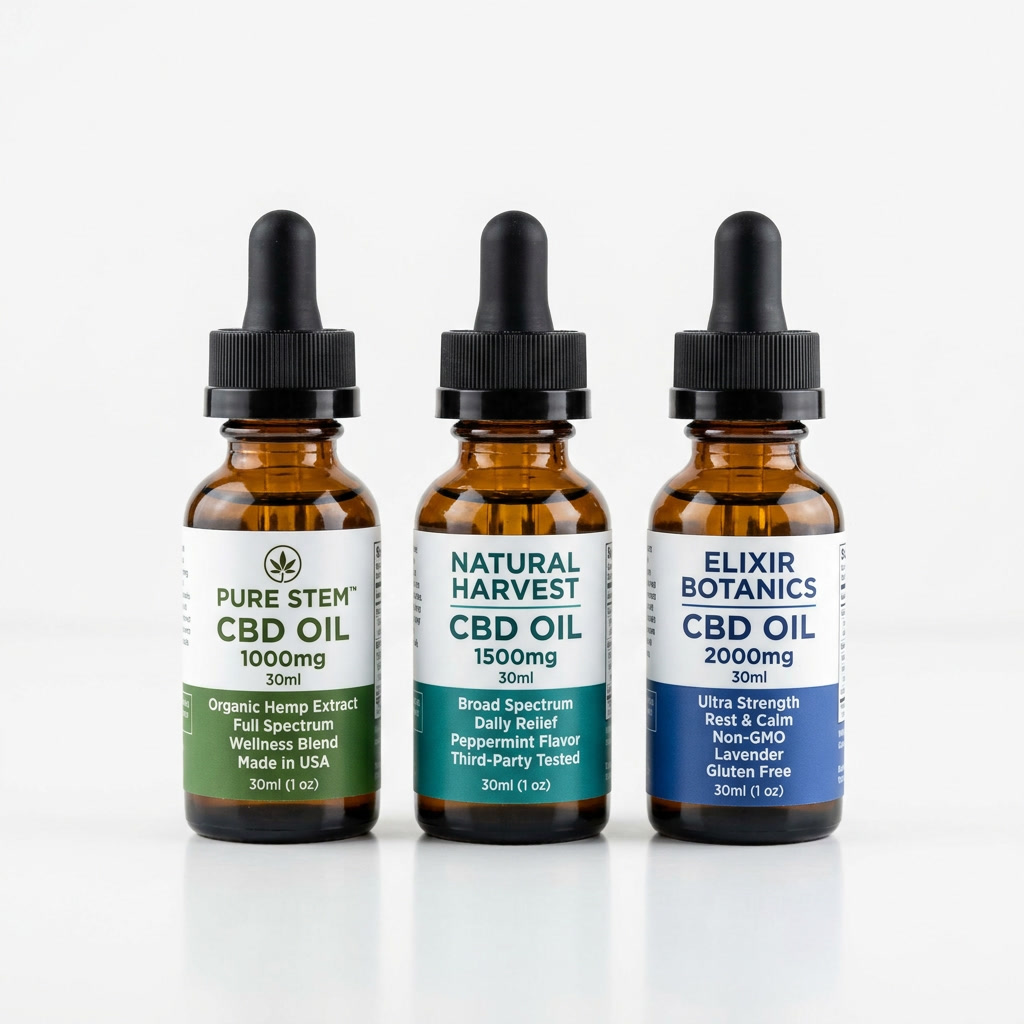
If you're exploring options, our CBD oils and CBD capsules are third-party tested and clearly labeled, so you know exactly what you're getting.
Your Action Plan
If you're considering CBD for fatty liver, here's a practical, step-by-step approach:
1. Talk to your doctor first — especially if you have liver disease, take medications, or drink alcohol
2. Get a baseline liver panel — know your ALT, AST, and other markers before you start
3. Start low — begin with 10 to 20 mg of CBD daily and hold there for a few weeks
4. Track your response — note any changes in energy, digestion, or how you feel
5. Re-test your liver enzymes — after 4 to 8 weeks, repeat the panel to see if anything changed
6. Pair it with lifestyle changes — CBD is a complement, not a replacement, for diet and exercise
7. Stop and check in — if you notice any signs of liver trouble, stop and talk to your doctor
The Bottom Line
The 2026 research on CBD and fatty liver disease is genuinely encouraging. The Hebrew University study and a wave of supporting research suggest that CBD and CBG can reduce liver fat, improve blood sugar control, and restore the cellular cleanup systems that keep a fatty liver from progressing. The mechanisms are becoming clearer, and the evidence base is growing.
But the safety picture is just as important. CBD is metabolised by the liver, and high doses can raise liver enzymes — a fact confirmed by a rigorous 2025 FDA-led clinical trial. The responsible path is low doses, quality products, and regular monitoring, all under the guidance of a doctor.
CBD isn't a magic bullet for fatty liver disease. But for people willing to use it carefully, alongside real lifestyle changes, the emerging science suggests it could be a genuinely useful tool in the metabolic health toolkit.
Find Your Perfect CBD Product
Take our 2-minute quiz to get personalized recommendations based on your needs.
Take the Quiz →Disclaimer: This article is for informational purposes only and does not constitute medical advice. CBD products are not FDA-approved to treat, cure, or prevent any disease. Always consult with a qualified healthcare professional before starting any new supplement, especially if you have a medical condition or take medications.