CBD and Blood Sugar: What the Science Really Says About Cannabinoids and Metabolism
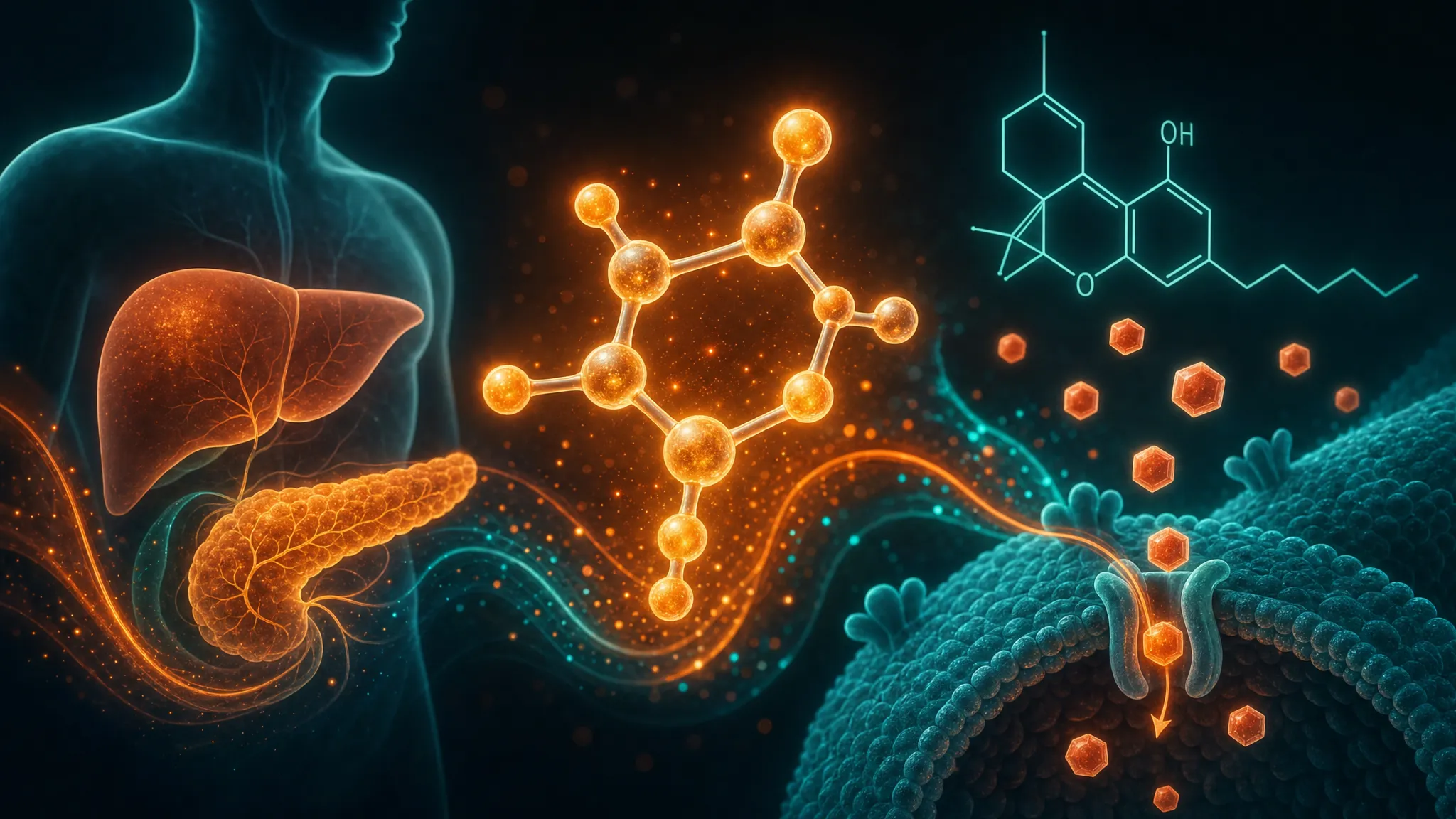
You've probably seen the headlines. "CBD for blood sugar." "Cannabinoids for metabolic health." "Could CBD help prevent diabetes?" Scroll through any wellness feed and you'll find brands confidently telling you that CBD can steady your glucose, improve insulin sensitivity, and protect you from type 2 diabetes. We've covered the broader diabetes picture separately in our CBD and diabetes guide. It's an appealing story — especially if you're watching your blood sugar or have a family history of metabolic problems. But here's the uncomfortable truth: when you actually look at the science, the human evidence for CBD improving blood sugar is surprisingly thin. In fact, the most rigorous randomized trial we have found that CBD did NOT improve glucose tolerance at all.
That might sound like a letdown, but it's actually useful — it means you can make smarter decisions with your eyes open. There is genuinely interesting science here, including a well-known pattern where regular cannabis users appear to have a lower risk of type 2 diabetes. But that finding is probably not about CBD isolate, and it isn't a license to skip the things we know actually work. In this article, I'll walk you through what the research shows — the human trials, the animal studies, and the epidemiological data — and help you separate what's real from what's overhyped. No spin, no sales pitch. Just the evidence, honestly presented.
The Claim vs. The Evidence
Let's start by being clear about what's being claimed and what the science actually supports. The typical marketing claim goes something like this: CBD interacts with your endocannabinoid system, which plays a role in regulating metabolism, and therefore CBD can improve blood sugar control, reduce insulin resistance, and lower your risk of type 2 diabetes.
Here's what's true about that chain of reasoning:
- The endocannabinoid system does influence appetite, energy balance, and glucose metabolism. That part is well established.
- There is a real, repeated epidemiological finding that people who use cannabis regularly tend to have lower fasting insulin, lower insulin resistance, and a lower prevalence of type 2 diabetes.
And the most crucial gap: an epidemiological pattern is not the same as evidence that CBD works. When researchers actually ran a controlled human trial of CBD alone, the results did not support the hype. The mechanisms are real, and the population data is intriguing, but the direct human evidence for CBD improving blood sugar is weak — and the best-designed study we have found it doesn't work, at least at the dose tested.
What the Human Research Shows (the null RCT)
Let's look at the most important study in this entire conversation — the one that should anchor how you think about CBD and blood sugar. It's a 2026 randomized, double-blind, placebo-controlled pilot study published in the journal Cannabis and Cannabinoid Research.
The researchers recruited 16 sedentary adults with overweight or obesity (six men, ten women) who did not have diabetes. Participants were randomly assigned to receive either CBD or a placebo for four weeks. The CBD dose was 30 milligrams every 12 hours, which comes to 60 milligrams per day — a fairly typical low-to-moderate supplement dose.
Here's what the researchers were testing and what they found:
- They measured glucose tolerance using the Matsuda Index, a well-established measure of insulin sensitivity.
- After four weeks, the Matsuda Index was essentially unchanged in the CBD group compared to placebo (p>0.05, meaning no statistically significant difference).
- The gut microbiome was not appreciably altered by CBD.
- Inflammatory markers were not meaningfully changed either.
In plain English: four weeks of low-dose CBD did not improve glucose tolerance, did not meaningfully change the gut microbiome, and did not reduce inflammation. The researchers were honest about this, noting that while epidemiological data suggests regular cannabis users may be protected from type 2 diabetes, this pilot found that CBD alone did not reproduce that effect.
This is a genuinely significant finding. It's not that the study is flawed or that CBD is useless — it's that the direct, controlled human evidence does not yet show a meaningful benefit for glucose control at this dose and duration.
The Animal and Lab Studies (what they can and can't tell us)
If human evidence is thin, where does the enthusiasm come from? Largely from animal and laboratory studies, which show more promising results — but you have to understand what those studies can and cannot tell you.
One example is a 2025 study published in the Journal of Biomedical Materials Research Part A. The researchers developed CBD-loaded PLGA nanoparticles (a drug-delivery system) and evaluated them for managing metabolic syndrome. This is a preclinical, in-vitro study — done in the lab, not in humans. The results were interesting as proof-of-concept for a delivery system, but they tell us very little about whether CBD improves blood sugar in a real person.
Another example is a 2024 study published in the American Journal of Physiology: Regulatory, Integrative and Comparative Physiology. It looked at a pseudocannabinoid called H4CBD — an analog of CBD — in a rat model of advanced metabolic syndrome. The researchers found that H4CBD improved glucose response in these obese, diabetic rats, independent of any increase in insulin-signaling proteins. It's a genuinely interesting mechanistic finding. But again, it's an animal model, not human data.
So what can animal and lab studies tell us? They can point toward biological mechanisms worth investigating, help design better human trials, and suggest which compounds or doses to test. What they can't do is tell you whether CBD will work for your blood sugar. Rodent metabolism is not human metabolism, and a promising animal result often fails to translate into a human benefit — the null human trial above is a perfect example. When you read about CBD and blood sugar, always ask: is this human evidence, or a rat study dressed up in marketing language?
Why Cannabis Users Seem Protected From Diabetes (the epidemiology)
Now we get to the most interesting — and most misunderstood — part of this story. Across multiple large epidemiological studies, regular cannabis users consistently show a lower prevalence of type 2 diabetes and better insulin sensitivity than non-users. On the surface, this looks like strong support for the "cannabinoids help metabolism" theory.
But here's the critical distinction most articles (and most supplement brands) miss: these studies are about cannabis use, not CBD use. And "cannabis" in these studies almost always means whole-plant marijuana that contains THC — the psychoactive compound — plus dozens of other cannabinoids and terpenes.
This matters for a few reasons:
- The people in these studies use whole plant material, not a purified CBD isolate like you'd buy in a supplement.
- The effects seen in cannabis users could come from THC, from other cannabinoids, from the combination, or from lifestyle factors correlated with cannabis use.
- Some research suggests the "protective" metabolic profile of cannabis users is partly explained by heavy users tending to have lower BMI and different dietary habits.
And crucially, the 2026 human trial directly addressed this gap: if the epidemiological protection were driven by CBD, you'd expect CBD isolate to reproduce it. It didn't. That strongly suggests the apparent protection is driven by something other than CBD alone — most plausibly THC, whole-plant effects, or other confounders.
So the epidemiological finding is real and worth understanding, but it is not evidence that CBD isolates will improve your blood sugar. The two have been conflated by marketers, and that conflation is exactly where the honest science and the hype diverge.
CBD vs. THC: The Whole-Plant Confound
Let's dig a little deeper into that distinction, because it's the heart of the matter. CBD and THC are both cannabinoids, but they do very different things and have been studied very differently.
THC is the psychoactive component of cannabis. It binds strongly to the CB1 receptor, which is heavily involved in appetite and metabolism. Some animal and observational data on cannabis and metabolic health has pointed at CB1 activity as a key player. This is a big part of why the "cannabis protects from diabetes" story may be more about THC than about CBD.
CBD, by contrast, is non-psychoactive and interacts with the endocannabinoid system much more indirectly. It doesn't bind strongly to CB1 the way THC does, and its effects are generally milder and less receptor-specific. That's a feature for a supplement — CBD won't get you high — but it also means CBD may not reproduce the metabolic effects that come from whole-plant cannabis use.
Here's the takeaway: when a study shows cannabis users have better metabolic health, you cannot assume a CBD oil you buy online will do the same thing. The compounds are different, the doses are different, and the delivery is different. Treating the epidemiology of cannabis use as evidence for CBD supplements is a category error — and one of the most common ways this topic gets oversold.
What This Means for Your Metabolic Health
So, putting it all together, what should you actually take away from the science?
The honest summary is this: right now, there is no strong human evidence that CBD improves blood sugar or insulin sensitivity. The best human trial we have — the 2026 randomized pilot — found no benefit. The positive results come from animal and laboratory studies, which are promising enough to justify more research but not enough to justify health claims.
That doesn't mean CBD is worthless, and it doesn't mean you shouldn't use it for other reasons. CBD is being studied for stress, sleep, and pain, and many people find it genuinely helpful for those things. But if your goal is specifically to improve blood sugar or prevent diabetes, the evidence doesn't support CBD as your primary tool — and you shouldn't spend money on it based on that claim.
Here's what the science does support for metabolic health:
- Regular physical activity improves insulin sensitivity in ways that are well documented in humans.
- A diet rich in whole foods and lower in refined carbohydrates supports better glucose control.
- Quality sleep and stress management matter for metabolism.
- Weight management, where needed, is among the most reliable ways to improve insulin resistance.
If you're interested in CBD for other reasons — relaxation, sleep, general wellbeing — that's a separate decision, and one you can make on its own merits. Just don't make it a proxy for blood sugar management.
The Role of Lifestyle (what actually works)
It's worth being blunt here: the things that actually improve blood sugar are not glamorous, new, or sold in a bottle. But they work, and they're backed by far stronger evidence than any cannabinoid.
The most powerful lever is physical activity. Even modest, consistent exercise — brisk walking, resistance training — improves how your body handles glucose. It's among the most replicated findings in metabolic medicine.
The second lever is what you eat. Shifting toward whole, minimally processed foods and watching refined sugar and carbohydrates gives your body less work to do managing blood sugar. You don't need a radical diet — consistent, sustainable changes beat extreme short-term measures.
The third lever is the often-ignored stuff: sleep and stress. Chronic poor sleep and high stress raise cortisol and blunt insulin sensitivity, making quality sleep and stress management genuinely metabolic interventions.
And the fourth, where relevant, is working with a healthcare professional. If you have prediabetes, a family history of diabetes, or concerning readings, talk to a doctor or registered dietitian. They can run the right tests and build a plan tailored to you.
Should You Use CBD for Blood Sugar?
Let's give you a clear, practical answer.
If your primary goal is improving blood sugar or reducing diabetes risk, the current evidence does not justify using CBD for that purpose. The human trial found no benefit, and the animal studies — while interesting — don't translate into a recommendation. Save your money, and put your effort into the lifestyle interventions that are proven to work.
If, on the other hand, you're interested in CBD for other reasons — and you understand it's not going to fix your blood sugar — that's a different conversation. CBD is widely used for stress and sleep support, which are legitimate reasons to try it. Just be clear with yourself about what you're buying it for.
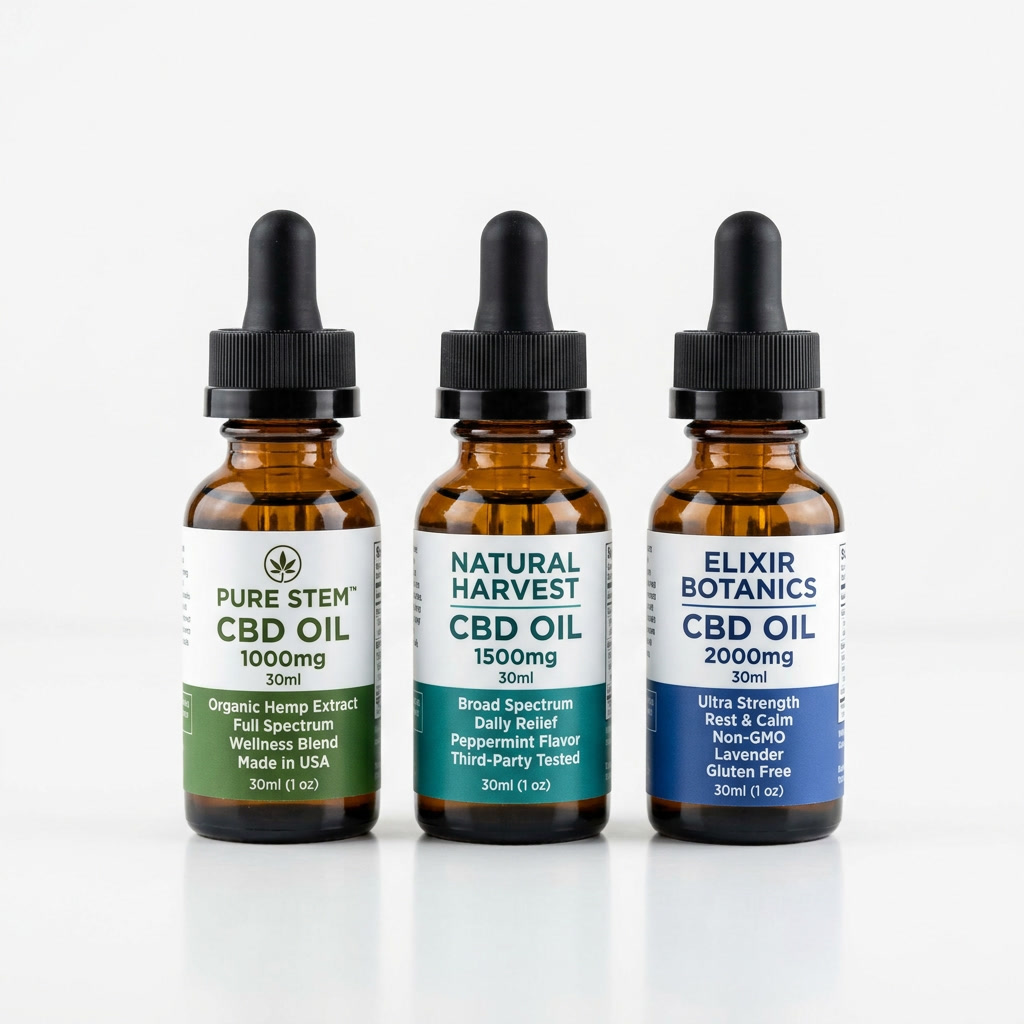
And if you do decide to try CBD, it's still worth choosing a quality product from a brand you trust: third-party testing, clear labeling, and transparent sourcing. If you want to explore, you can browse our CBD oils, CBD capsules, or CBD gummies — but choose based on quality and your actual goals, not on any promise about blood sugar.
Action Steps
Here's a practical list to take with you, whether or not CBD stays in your routine:
- If you're concerned about blood sugar, get baseline testing through a healthcare provider. Know your numbers before you chase supplements.
- Build the lifestyle fundamentals first: regular physical activity, whole-food meals, consistent sleep, and stress management. These have the strongest evidence by far.
- If you want to try CBD, use it for realistic goals like relaxation or sleep support, not as a blood sugar treatment.
- If you buy CBD, choose high-quality products with third-party lab testing and clear dosing. Compare our oils, capsules, and gummies to find a format that fits your routine.
- Keep your expectations calibrated. If someone tells you CBD will "fix" your blood sugar, that's a red flag.
- Track how you feel. If you use CBD for sleep or stress, note whether it actually helps before you commit long-term.
- Talk to your doctor, especially if you take other medications. CBD can interact with some drugs.
The Bottom Line
Here's the honest bottom line: the marketing around CBD and blood sugar is well ahead of the science. The best human evidence we have — a 2026 randomized, placebo-controlled trial — found that four weeks of CBD did not improve glucose tolerance, change the gut microbiome, or reduce inflammation. The positive results come from animal and lab studies, which are useful for guiding future research but not for guiding your purchasing decisions.
The epidemiological finding that cannabis users have lower diabetes risk is real and interesting, but it's almost certainly driven by whole-plant effects or THC, not by CBD isolate — and the null human trial basically confirms that gap. If you're serious about your metabolic health, put your energy into the interventions with proven, human-level evidence: movement, whole foods, sleep, and regular checkups.
None of this means CBD is a bad product or that you shouldn't use it. It means you should use it for what it's actually good for — and be honest with yourself about what it's not. That honesty is what separates credible wellness advice from the hype. Know the difference, and you'll make decisions you can feel good about.
Find Your Perfect CBD Product
Take our 2-minute quiz to get personalized recommendations based on your needs.
Take the Quiz →Disclaimer: This article is for informational purposes only and does not constitute medical advice. CBD products are not FDA-approved to treat, cure, or prevent any disease. Always consult with a qualified healthcare professional before starting any new supplement, especially if you have a medical condition or take medications.