The Entourage Effect: Why Full-Spectrum CBD Works Better Than Isolate
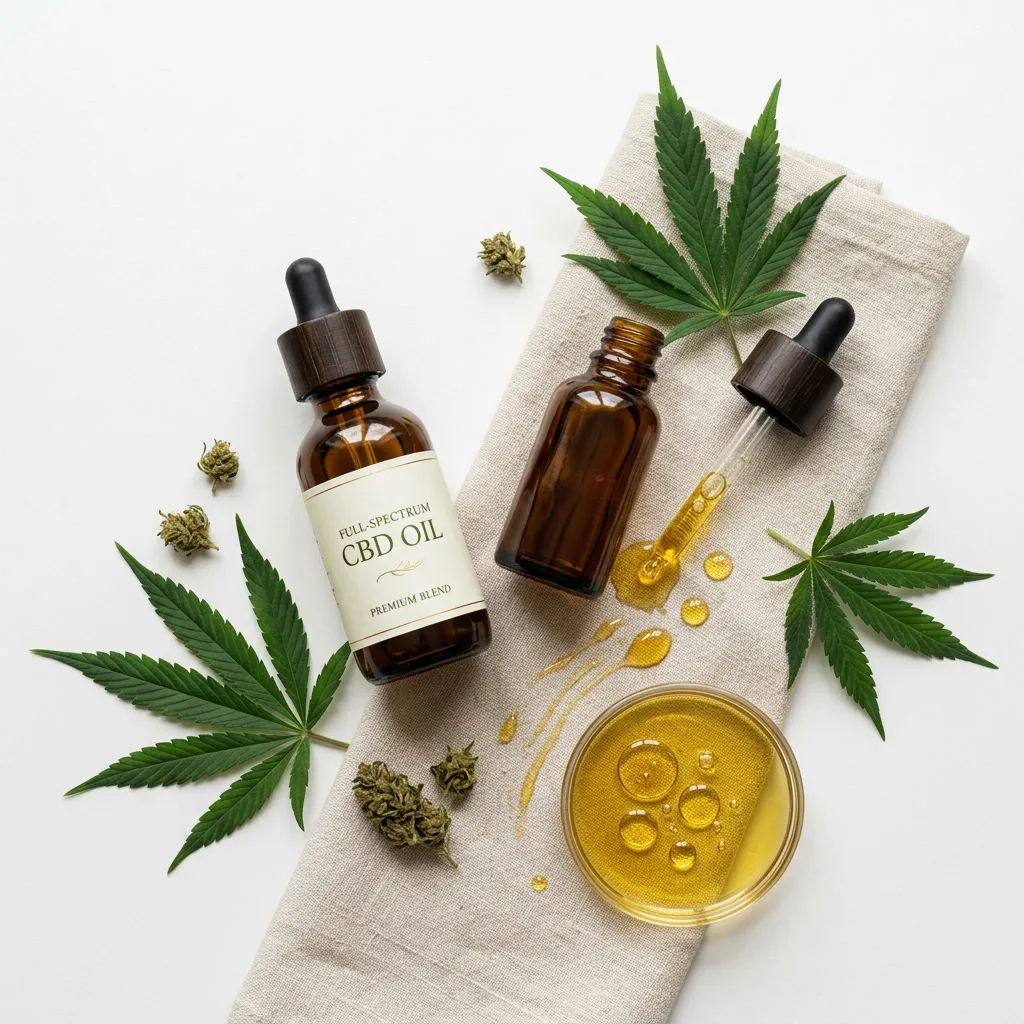
You've just finished a long week. Your shoulders are tight, your mind is still replaying the day's meetings, and you're reaching for the CBD oil you bought last month. It's a pure isolate — 99% CBD, nothing else. You take your usual dropper, wait an hour, and feel... not much. Frustrating, right? Now imagine a friend who swears by a different brand, a full-spectrum oil that smells faintly of pine and citrus. They take the same dose and describe a calm that feels deeper, more rounded, more complete. Same compound, same milligram count, wildly different experience. What's going on?
The answer may lie in something called the entourage effect — the theory that the many compounds in the cannabis plant work better together than any single one does alone. It's one of the most talked-about ideas in the CBD world, and it might explain why your isolate isn't doing what you hoped. Let's break down what the science says, which products actually deliver it, and how to choose the right one for your goals.
What Is the Entourage Effect?
The entourage effect is a hypothesis that the cannabis plant's active compounds — cannabinoids like CBD and THC, plus the aromatic terpenes and the pigments called flavonoids — produce a stronger, more balanced effect when they're consumed together than when any single compound is isolated and taken on its own.
Think of it like a band. A single guitarist can play a nice melody, but the full band — bass, drums, keys, vocals — creates something far richer. The theory suggests that CBD, THC, and the dozens of other molecules in the plant don't just sit side by side; they interact, modulating each other's effects. Some compounds may boost absorption, others may soften side effects, and together they may produce a result that's greater than the sum of its parts.
This idea matters enormously for product choice. If the entourage effect is real, then a full-spectrum extract that preserves the plant's natural chemistry could outperform a purified isolate at the same dose. That's the core question we'll explore throughout this guide.
The Science Behind the Theory
The entourage effect isn't a new-age wellness claim — it has roots in real pharmacology. The term was popularized in the late 1990s by researchers S. Ben-Shabat and Raphael Mechoulam, who observed that certain cannabis compounds seemed to enhance each other's activity. But the concept has been given fresh attention in recent years, as a wave of new research has put the theory to the test.
A 2026 Look at the Entourage Effect
In 2026, a review in the Internal Medicine Journal asked a pointed question: why does medicinal cannabis remain so popular, and is it really the entourage effect? The authors examined the evidence behind the theory and concluded that while the concept is widely invoked, the science is still evolving — a reminder that the entourage effect is best understood as a promising hypothesis with growing support, not a settled fact.
New Evidence: Whole-Plant Extracts vs. Isolates
One of the most direct recent tests came from a 2026 study in Progress in Neuro-Psychopharmacology & Biological Psychiatry. Researchers compared a CBD-rich hemp extract against CBD alone and found that the full-spectrum extract was superior in reducing relapse to drug-seeking behavior in rats. Because the extract contained a range of plant compounds alongside the CBD, the authors suggested the whole-plant preparation may offer benefits that isolated CBD does not.
That pattern echoes a 2025 pharmacokinetic study in Frontiers in Veterinary Science, which compared CBD and CBDA isolates against their full-spectrum extracts in healthy dogs. The researchers found meaningful differences in how the isolates and extracts were absorbed and processed, reinforcing the idea that the full plant behaves differently from a single isolated compound.
The Role of Terpenes and Other Phytochemicals
A 2026 systematic review in the journal Plants took a broader look at the non-cannabinoid phytochemicals in cannabis — the terpenes, flavonoids, and other compounds that are central to the entourage effect. The review mapped out the pharmacological activity of these compounds and highlighted how they may contribute to the plant's overall effects, even though much of the evidence remains preclinical.
Taken together, this recent research gives the entourage effect more experimental support than it had a decade ago. But it also underscores an honest limitation: much of the strongest evidence still comes from animal models and lab studies, and large human trials remain limited.
Full-Spectrum vs Broad-Spectrum vs Isolate
Before we go further, it helps to understand the three main types of CBD products, because the entourage effect is really a story about which one you choose. We've covered this in detail in our guide to full-spectrum vs broad-spectrum vs isolate, but here's the short version.
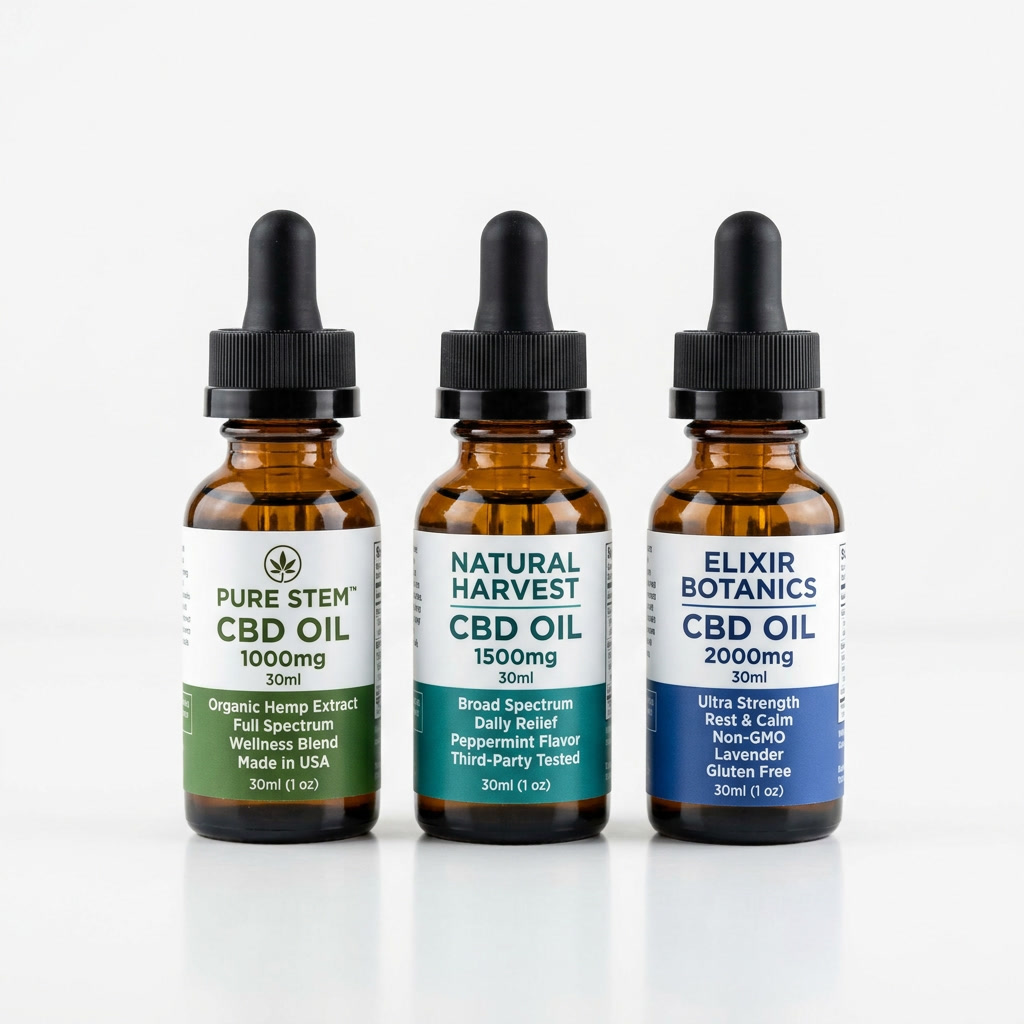
Full-spectrum CBD contains the full range of the plant's natural compounds, including trace amounts of THC (typically under 0.3% in legally compliant products). Broad-spectrum CBD keeps most of the cannabinoids and terpenes but removes the THC entirely. Isolate is the purest form — CBD and nothing else, with all other plant compounds stripped away.
If the entourage effect is real, full-spectrum offers the most complete version of it, since it preserves the plant's natural chemistry. Broad-spectrum is a middle ground for people who want the benefits of multiple compounds but need to avoid THC. Isolate is the simplest option, and it's the one most likely to miss out on the entourage effect entirely.
Key Terpenes and What They Do
Terpenes are the aromatic compounds that give cannabis (and many other plants) their distinctive smells. Beyond scent, they're thought to play a starring role in the entourage effect. Here are some of the most common ones you'll see on product labels.
Myrcene is one of the most abundant terpenes in cannabis, with an earthy, musky aroma also found in mangoes and hops. It's often associated with sedating, relaxing effects. Limonene smells like citrus and is commonly linked to mood elevation and stress relief. Linalool, which gives lavender its floral scent, is frequently associated with calming and anxiety-reducing properties. Pinene, found in pine needles and rosemary, has a sharp, fresh aroma and is often linked to alertness and focus. Caryophyllene is a spicy, peppery terpene also present in black pepper and cloves, and it's notable because it can interact directly with the body's endocannabinoid system.
It's worth being honest here: much of what we know about individual terpenes comes from aromatherapy traditions and preclinical research rather than large human trials. The idea that these compounds meaningfully shape a CBD product's effects is plausible and supported by some research, but it's not yet settled science. Still, if you're chasing the entourage effect, a product that lists its terpene profile is a good sign that the manufacturer preserved the plant's full chemistry.
How the Compounds Work Together
So how would these compounds actually cooperate? Researchers have proposed several mechanisms, and they're worth understanding because they explain why the entourage effect is more than just a marketing buzzword.
One idea is that terpenes and other compounds may influence how CBD and THC are absorbed and metabolized, potentially changing how much reaches your bloodstream and how long it stays active. Another is that different compounds may act on different receptors or pathways, creating a broader, more balanced effect than any single molecule could achieve on its own. Some research also suggests that certain compounds can temper the side effects of others — for example, CBD is thought to moderate some of the psychoactive effects of THC, which is one reason full-spectrum products are often described as smoother than pure THC.
These mechanisms are still being studied, and the picture is far from complete. But they offer a plausible biological basis for why a full-spectrum extract might feel different from an isolate, even at the same milligram dose.
What the Clinical Evidence Actually Shows
It's time for a reality check, because the entourage effect is often oversold. The strongest recent support comes from the 2026 studies we discussed — the Internal Medicine Journal review, the whole-plant extract study in Progress in Neuro-Psychopharmacology & Biological Psychiatry, and the systematic review in Plants. But here's the honest limitation: there is not yet a large body of high-quality human clinical trials that definitively proves the entourage effect in real-world use.
Many of the studies that support the theory were conducted in cell cultures or animal models, which don't always translate to human experience. Human studies on CBD are also complicated by the fact that products vary widely in their composition, dosing is inconsistent, and placebo effects are strong. Some recent research suggests that full-spectrum products may be more effective than isolates, but other studies have found little difference, and the overall evidence base remains mixed.
This doesn't mean the entourage effect is a myth — the theory is biologically plausible and has real experimental support. It means you should treat dramatic claims with healthy skepticism. A well-made full-spectrum product may well work better for you, but the difference isn't guaranteed, and it won't be dramatic for everyone.
Who Should Choose Full-Spectrum
Given what we've covered, full-spectrum is the natural choice for most people who want to maximize the potential entourage effect. If you're looking for the most complete version of the plant's chemistry, and you're comfortable with the trace amounts of THC these products contain, full-spectrum is where you'll find the fullest expression of the theory.
Full-spectrum is especially appealing if you've tried an isolate and felt it was underwhelming, or if you're dealing with more complex concerns like chronic discomfort or stress where a broader range of compounds might help. It's also a good fit for people who appreciate the natural aroma and flavor of the plant, since full-spectrum oils tend to taste more herbal and earthy than their purified counterparts.
If you're ready to explore, our collection of CBD oils and tinctures is a good place to start, since oils are the most common way to get a true full-spectrum extract.
Who Should Choose Isolate or Broad-Spectrum
Full-spectrum isn't right for everyone, and there are perfectly good reasons to choose a different option. The biggest consideration is THC. Even though full-spectrum products contain only trace amounts, those traces can still show up on a sensitive drug test, and some people simply want to avoid THC entirely for personal, professional, or legal reasons.
If you're subject to drug testing, or if you're sensitive to even small amounts of THC, a broad-spectrum product gives you many of the plant's other compounds without the THC. Isolate is the safest bet if you want pure CBD with zero risk of THC exposure, and it's also a good choice if you're looking for a flavorless, odorless option you can add to food or drinks.
Broad-spectrum and isolate are also reasonable choices if you're new to CBD and want to start simple, or if you're taking a very specific dose and want to know exactly what you're getting. For these situations, our CBD gummies and edibles often come in broad-spectrum or isolate forms and offer a convenient, pre-measured option.
Drug Testing and THC Content
The drug testing question deserves its own section, because it's the most common reason people avoid full-spectrum products. Legally compliant full-spectrum CBD is required to contain no more than 0.3% THC by dry weight. That's a very small amount, and for most people it produces no psychoactive effect at all.
However, "no effect" doesn't mean "no trace." Depending on how much you take, how often, and how your body metabolizes it, trace THC can accumulate in your system and potentially be detected by a sensitive urine or hair test. The risk is low but not zero, and it varies from person to person.
If you're in a situation where a drug test could cost you a job or a clearance, the safest choice is to avoid full-spectrum entirely. Broad-spectrum removes the THC while keeping other compounds, and isolate eliminates it completely. When in doubt, check the product's lab report — reputable brands publish third-party test results that show exactly how much THC is present.
Dosing and Getting It Right
Dosing is where a lot of people go wrong, and it's especially important when you're comparing full-spectrum to isolate. Because full-spectrum products contain multiple active compounds, some people find they need a lower dose than they did with isolate to feel the same effect. Others find the opposite. The honest answer is that dosing is highly individual, and it takes some experimentation.
A sensible approach is to start low and go slow. Begin with a modest dose, give it a few days to see how you respond, and adjust gradually. Keep in mind that how you take CBD matters too — the delivery method affects how much actually reaches your bloodstream, which is a topic we've explored in our guide to CBD bioavailability and delivery methods. An oil held under the tongue, for example, absorbs differently than a gummy that has to pass through your digestive system.
It's also worth remembering that CBD affects everyone differently, and what works for your friend may not work for you. Patience and consistency matter more than chasing a specific milligram number.
Common Myths and Misconceptions
The entourage effect has attracted its fair share of myths, and it's worth clearing a few up. One common misconception is that full-spectrum is always stronger than isolate — but "stronger" isn't quite the right word. Full-spectrum may feel more complete or balanced, but that's not the same as a higher potency, and the difference isn't guaranteed.
Another myth is that the entourage effect is a proven, settled fact. It's a well-supported theory with real experimental backing, but it's not yet confirmed by large human trials, and it's often overstated by marketers. A third misconception is that more compounds always means better — but quality matters enormously, and a poorly made full-spectrum product can be worse than a well-made isolate.
We've tackled these and other misunderstandings in our guide to CBD myths debunked, which is worth a read if you're trying to separate fact from marketing.
How to Choose a Quality Full-Spectrum Product
If you've decided to try full-spectrum, not all products are created equal. Here's what to look for when you're comparing options.
First, check for third-party lab testing. A reputable brand publishes independent test results that confirm the product contains what the label claims, including the amount of CBD and THC. Second, look at the extraction method — CO2 extraction is generally considered the gold standard because it preserves the plant's compounds without harsh solvents. Third, pay attention to the terpene profile. A product that lists its terpenes is a sign that the manufacturer cared about preserving the full chemistry rather than just hitting a CBD number.
Finally, read the reviews and look for transparency about sourcing. A brand that's open about where its hemp is grown and how its products are made is more likely to deliver a genuine full-spectrum experience. When you're ready to compare, our CBD oils and tinctures and CBD gummies and edibles pages are good starting points.
Action Steps
Ready to put this into practice? Here's a simple plan to get the most out of the entourage effect.
Start by deciding which type of product fits your situation. If you're not worried about drug testing and you want the fullest possible experience, full-spectrum is your best bet. If you need to avoid THC, choose broad-spectrum. If you want pure CBD with zero risk, go with isolate.
Next, choose a high-quality product from a brand that publishes third-party lab results. Look for a full-spectrum oil with a listed terpene profile, and start with a low dose. Give it a few days, note how you feel, and adjust gradually. Keep a simple journal of your dose and your response — it's the most reliable way to find what works for you.
Finally, be patient and realistic. The entourage effect is real and worth pursuing, but it's not a magic switch. Consistency, quality, and the right delivery method will do more for your results than chasing the trendiest product.
Bottom Line
The entourage effect is the theory that the cannabis plant's compounds work better together than alone — and it's one of the most compelling ideas in the CBD world. It's backed by recent science, including a 2026 review in the Internal Medicine Journal, a 2026 whole-plant extract study in Progress in Neuro-Psychopharmacology & Biological Psychiatry, and a 2026 systematic review in Plants, but it's not yet confirmed by large human trials, so it's best understood as a well-supported theory rather than a settled fact.
For most people, full-spectrum CBD offers the best chance of experiencing the entourage effect, because it preserves the plant's natural chemistry. But it's not the right choice for everyone — if you're worried about drug testing or want to avoid THC entirely, broad-spectrum or isolate are safer options. Whichever you choose, prioritize quality, start with a low dose, and give it time. The right product, used consistently, can make a real difference — and understanding the entourage effect is the first step to finding it.
Find Your Perfect CBD Product
Take our 2-minute quiz to get personalized recommendations based on your needs.
Take the Quiz →Disclaimer: This article is for informational purposes only and does not constitute medical advice. CBD products are not FDA-approved to treat, cure, or prevent any disease. Always consult with a qualified healthcare professional before starting any new supplement, especially if you have a medical condition or take medications.