Beyond CBD: Why Beta-Caryophyllene Deserves a Place in Your Routine
You found a CBD oil that finally seems to help. Your shoulders feel looser. The nagging ache in your knee quiets down for a few hours. Then you wonder whether you are getting everything you paid for, or whether the bottle is doing only half the job it could.
That question is not paranoia. It is good instinct. CBD rarely works alone. The plant it comes from produces hundreds of compounds, and one of the quietest, most interesting of them is a terpene called beta-caryophyllene. Most labels never mention it. Some products accidentally throw it away during processing. Yet this single molecule may be one of the reasons a full-spectrum oil feels different from an isolated powder.
In this guide we will unpack what beta-caryophyllene is, why researchers keep pairing it with CBD, how it interacts with the body's own receptor system, and how to spot a product that actually contains both. No hype. Just a clearer way to read the bottle in your hand and decide what belongs in your routine.
The Entourage Effect, Explained Without the Buzzwords
The entourage effect is the idea that plant compounds work better as a group than as isolated individuals. It is a simple concept dressed up in fancy language. Think of a band. A single talented musician can carry a tune, but the song changes when the whole group plays together. Each instrument covers a range the others cannot reach.
In cannabis and hemp, that group includes cannabinoids like CBD and CBG, terpenes like beta-caryophyllene and limonene, and flavonoids, the pigments and aromatics that give plants their color and character. When they arrive together, they can influence each other's absorption, timing, and activity at the body's receptors.
This is why broad-spectrum and full-spectrum products have loyal fans, and why some people report that an isolated CBD crystal feels flatter than a whole-plant extract. It is also why the terpene conversation matters. If you are paying for a full-spectrum experience, you deserve to know which terpenes are actually in the bottle.
For a deeper dive into how these compounds cooperate, our earlier piece on the entourage effect walks through the big picture. Here we zoom in on one specific player.
Meet Beta-Caryophyllene, The Terpene That Acts Like a Cannabinoid
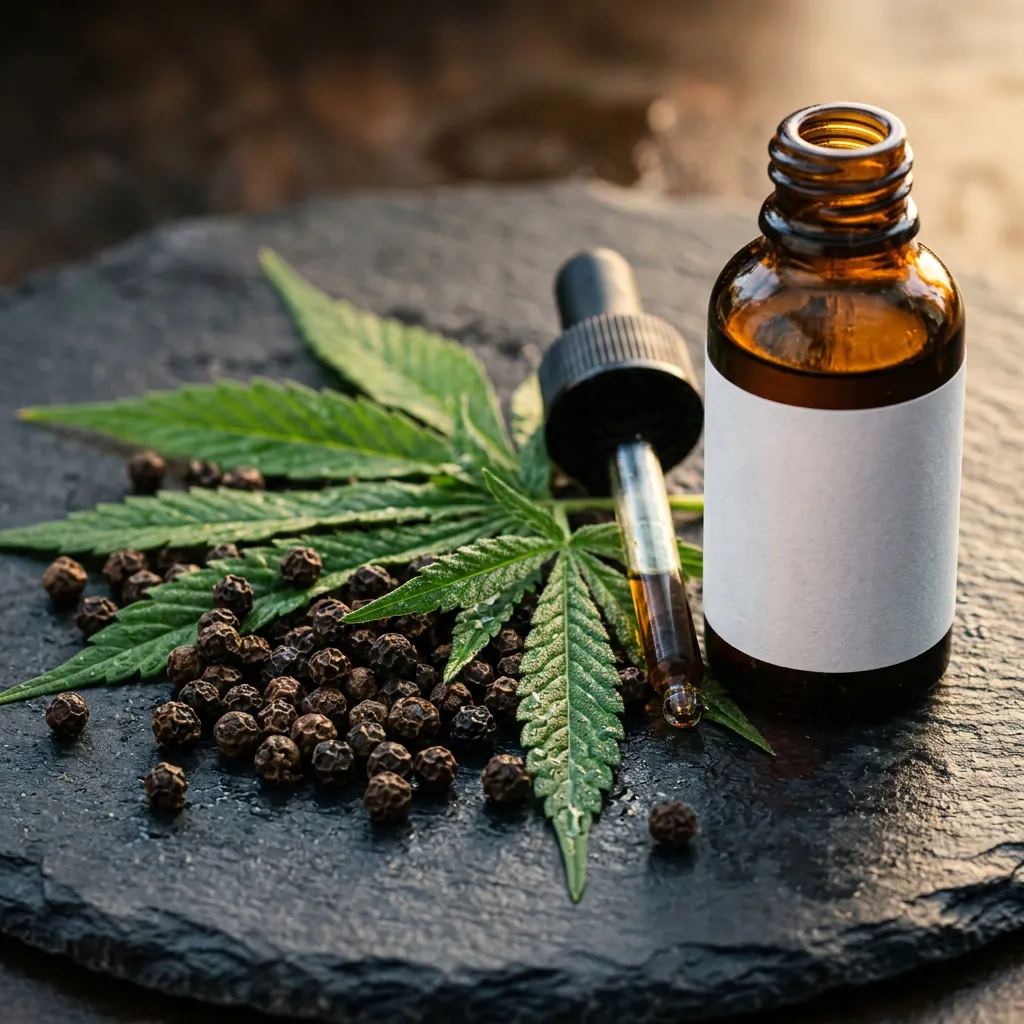
Beta-caryophyllene, often shortened to BCP, is a terpene found in a surprising range of everyday plants. Black pepper, cloves, cinnamon, oregano, basil, and rosemary all carry it. It gives cracked peppercorn that sharp, warm bite. It is also abundant in many cannabis and hemp varieties, which is where it starts to matter for CBD users.
What makes BCP unusual is that it does not behave like a typical terpene. Most terpenes shape aroma and little else. BCP crosses a line. It binds directly to a cannabinoid receptor, specifically CB2, which places it in a small club of plant compounds that can nudge the endocannabinoid system directly.
That dual identity, part aromatic and part active, is why researchers treat it as more than a fragrance note. It is a molecule with its own biological job description, and that job overlaps neatly with what people often want from CBD in the first place.
How BCP Talks to CB2 Receptors
To understand the appeal, you need a quick tour of the two main cannabinoid receptors.
CB1 receptors cluster in the brain and central nervous system. They are the ones behind the psychoactive "high" associated with THC. CB2 receptors live mostly on immune cells and tissues involved in inflammation. They are the quiet workers of the endocannabinoid system, and they do not produce intoxication.
This distinction is the heart of the BCP story. Beta-caryophyllene is a selective CB2 agonist, meaning it prefers the CB2 receptor and largely ignores CB1. In plain terms, it can influence inflammation and immune signaling without getting you high or building the tolerance patterns tied to CB1 activity.
CBD, meanwhile, interacts with the endocannabinoid system in its own indirect ways, influencing enzyme activity and receptor signaling rather than fitting neatly into one lock. Put CBD and BCP together and you have two different approaches to the same neighborhood, one working around the receptors and one docking onto them.
A 2025 review in Phytochemical Modulators of Nociception in Pharmaceuticals examined how cannabis terpenes, BCP among them, influence chronic pain syndromes. The authors framed terpenes as active modulators of pain signaling rather than passive flavor compounds, which is a meaningful shift in how the field thinks about them.
What the Research Actually Shows
The evidence is still early, and honesty matters more than enthusiasm here. Most of the work is laboratory or animal based, with human trials lagging behind. Still, the direction of the findings is consistent enough to be worth following.
Reducing Inflammation at the Source
A 2024 study in Pharmaceuticals titled "Anti-Inflammatory Properties of Cannabidiol and Beta-Caryophyllene Alone or Combined in an In Vitro Inflammation Model" tested both compounds separately and then together. CBD reduced inflammatory markers. BCP reduced inflammatory markers. When combined, the two produced an additive benefit, meaning the effect was stronger together than either one alone.
That word, additive, is the practical takeaway. The researchers did not find that BCP replaced CBD or that CBD replaced BCP. They found the pair worked as teammates.
Chronic Inflammatory Pain
A 2025 paper in Pharmacological Research looked specifically at cannabidiol and beta-caryophyllene in the context of chronic inflammatory pain. The work positions the combination as a promising avenue for pain that lingers, the kind driven by ongoing immune activity rather than a single injury. This is the space where people most often reach for CBD, and it is where the pairing logic is strongest.
Diabetic Neuropathy and the NLRP3 Inflammasome
A 2024 study in Biomedicines examined a CBD and BCP combination in diabetic neuropathy. The researchers reported that the combination attenuated neuropathy by inhibiting the NLRP3 inflammasome and NF-kB pathways, two well-known drivers of inflammatory signaling. Again, the finding came from the pairing, not from either compound in isolation.
Stroke, HMGB1, and Neuroprotection
A 2025 study in Molecular Medicine found that beta-caryophyllene reduced inflammation to protect against ischemic stroke by suppressing HMGB1 signaling. HMGB1 is a protein that amplifies inflammatory alarm signals after injury. This is animal-model research, so it is a clue about mechanism rather than a promise about outcomes, but it strengthens the case that BCP's anti-inflammatory reach extends into the nervous system.
Microglia, the Brain's Immune Cells
A 2024 review in the International Journal of Molecular Sciences explored essential oil constituents as anti-inflammatory and neuroprotective agents through microglia modulation. Microglia are the brain's resident immune cells. The review highlighted how plant compounds can calm overactive microglia, a mechanism that ties directly into BCP's CB2 activity and into the broader neuroinflammation conversation.
Bone Healing and an Unexpected Pairing
A 2025 narrative review in Orthopedic Research and Reviews examined beta-caryophyllene and statins in bone fracture healing. It is an unusual pairing, but the review treats BCP as a compound with enough biological activity to be studied alongside a mainstream medication. That says something about how seriously the molecule is now taken.
The Common Thread
Across these studies, the same themes repeat. BCP influences inflammatory pathways. It engages CB2. It appears to play well with CBD. None of this is a cure, and none of it replaces medical care. But it is a coherent body of early evidence pointing in one direction.
Why Combining CBD and BCP Matters
Here is the practical version. If BCP and CBD each calm inflammation through overlapping but distinct routes, then a product containing both is doing more than a product containing only one. Not because of magic, but because two working mechanisms can cover more ground than one.
There is a second reason the pairing matters. Terpenes influence how a product smells and tastes, and they can shape the experience of taking it. A peppery, warm note from BCP can make a tincture feel fuller and more grounded. That is subjective, but the sensory side of cannabis and hemp is part of why people form a relationship with a specific bottle.
And there is a third, less romantic reason. A label that lists its terpenes is usually a label from a producer who cares about testing. That transparency tends to travel with other quality signals, like accurate cannabinoid content and clean contaminant screens.
A Quick Word on Absorption
None of this matters if the compounds never reach your bloodstream. Cannabinoids and terpenes are notoriously difficult for the body to absorb when swallowed, because they are fat soluble and poorly water soluble. A large share can pass through without ever doing much.
A 2024 review in Molecules titled "Enhancing Cannabinoid Bioavailability in Pain Management: The Role of Cyclodextrins" explored how cyclodextrins, ring-shaped molecules that wrap around fat-soluble compounds, may improve absorption. The idea is to make cannabinoids more accessible to the body by improving how they dissolve.
Why mention this in a BCP article? Because absorption is the bottleneck that limits everything downstream. A product can claim a perfect CBD and BCP profile and still underdeliver if the delivery format is poor. Look for brands that talk about bioavailability, carrier oils, or advanced delivery, and treat vague marketing as a yellow flag.
Products That Might Contain Both
You do not need to hunt for a bottle labeled "BCP." You need to look for formats where beta-caryophyllene is likely to survive processing.
- Full-spectrum CBD oils and tinctures, which keep the widest range of plant compounds
- Broad-spectrum oils, which remove THC but often retain terpenes
- Whole-plant capsules that use full-extract material rather than isolate
- Topical balms and salves made with full-spectrum extract, often for localized aches
Isolates, by definition, strip the plant down to a single cannabinoid. That is not wrong, and some people prefer the predictability. But if you are chasing the entourage effect, an isolate is the wrong tool for the job.
If you are starting out, a well-made tincture is the most flexible entry point. You can browse our CBD oils and tinctures to see how full-spectrum formats are labeled and what a transparent ingredient list looks like.
How to Read a Label Like a Detective
Labels are where good intentions meet marketing. Here is a field guide to the claims you will see.
Look for the Words Full-Spectrum or Broad-Spectrum
These are the formats most likely to contain naturally occurring terpenes, including BCP. A product that only says "CBD isolate" or "pure CBD" is telling you the plant has been stripped.
Check for a Terpene Profile
Premium brands often publish a terpene breakdown. Look for a list, not just a claim. If a company mentions terpenes but never shows numbers, be skeptical.
Find the COA
COA stands for Certificate of Analysis, a lab report from a third party. It should confirm cannabinoid content and screen for pesticides, heavy metals, solvents, and microbial contamination. A COA is the single best honesty test a brand can offer.
Watch the Serving Math
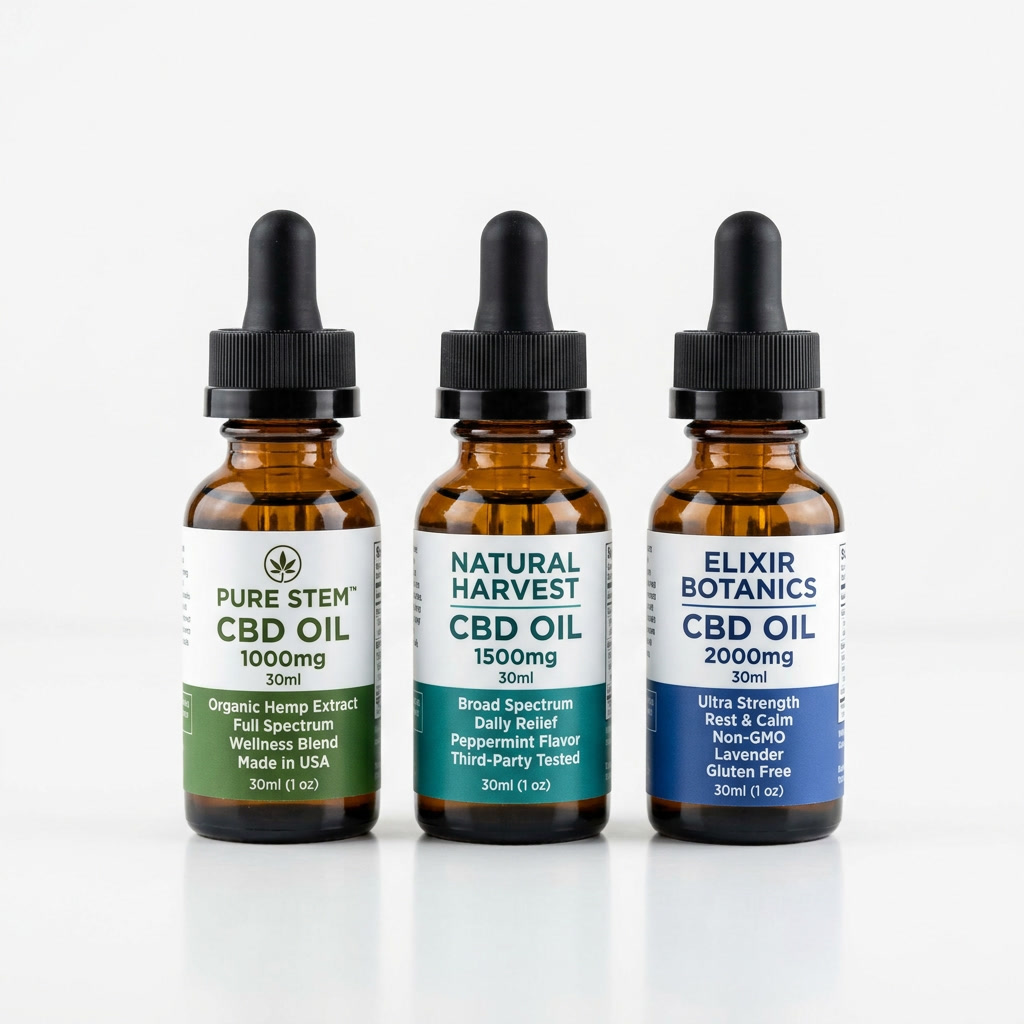
A bottle that says 1,000mg on the front might mean 1,000mg per bottle, not per serving. Check the serving size and do the division yourself. Terpenes work alongside cannabinoids, so an underdosed product undercuts the whole idea.
Note the Carrier Oil and Format
Hemp seed oil, MCT oil, and olive oil are common carriers. MCT tends to be popular for absorption. The format, tincture, capsule, or edible, shapes how quickly you feel anything.
Read the Aroma
When you open a full-spectrum tincture, you should notice something. A peppery, herbal, slightly earthy scent is a good sign that terpenes, BCP included, are still present. A completely neutral, odorless liquid may be a sign of heavy processing.
Practical Ways to Add BCP to Your Routine
You can support the CBD and BCP pairing in two directions, from the bottle and from the kitchen.
From the bottle, choose a full-spectrum tincture and use it consistently. Start low, keep notes, and give it a few weeks.
From the kitchen, BCP is already in your spice rack. Black pepper, cloves, oregano, cinnamon, and basil all contain it. A pinch of fresh cracked pepper on your food is not a therapy, but it is a reminder that this molecule lives in ordinary places. Some people pair their CBD with a peppery meal for that reason alone.
Neither route is a substitute for medical care. If you manage a chronic condition, talk with a clinician who knows your history before adding anything new.
Action Steps
1. Pick one full-spectrum or broad-spectrum tincture, not an isolate, if the entourage effect is your goal.
2. Confirm the brand publishes a COA and, ideally, a terpene profile.
3. Calculate your actual cost per milligram of CBD using the serving size, not the front-of-bottle number.
4. Start with a low serving and hold it steady for two to three weeks before changing anything.
5. Keep a simple journal with dose, timing, sleep, and how your body feels.
6. Pair with real food sources of BCP, like black pepper and oregano, without expecting them to replace treatment.
7. Reassess at the end of a month. If nothing changed, adjust the format before you adjust the dose.
Bottom Line
Beta-caryophyllene is the terpene that quietly does more than smell good. It binds to CB2 receptors, it appears to calm inflammatory signaling, and early research keeps finding that it works better alongside CBD than alone. That is the entourage effect in miniature, one molecule supporting another.
The practical takeaway is not to chase a miracle. It is to read labels, favor full-spectrum formats, demand a COA, and give a quality product enough time to show you what it can do. CBD may be the headline, but BCP is part of the reason the story holds together. Choose a bottle that keeps both on the team, and let your own notes, not the marketing, tell you the rest.
Find Your Perfect CBD Product
Take our 2-minute quiz to get personalized recommendations based on your needs.
Take the Quiz →Disclaimer: This article is for informational purposes only and does not constitute medical advice. CBD products are not FDA-approved to treat, cure, or prevent any disease. Always consult with a qualified healthcare professional before starting any new supplement, especially if you have a medical condition or take medications.