CBD and Diabetes: What the Research Really Says About Cannabinoids, Blood Sugar, and Diabetic Neuropathy
# CBD and Diabetes: What the Research Really Says About Cannabinoids, Blood Sugar, and Diabetic Neuropathy
830 million people. That's how many humans are living with diabetes worldwide as of 2022 — a number that has more than quadrupled from 200 million in 1990. In the United States alone, over 38 million people have diabetes, and another 98 million have prediabetes. Diabetes directly caused 1.6 million deaths globally in 2021, and contributes to roughly 11% of all cardiovascular deaths.
If you're reading this, diabetes probably touches your life — yours, a family member's, or a friend's. And if you've explored complementary approaches, you've almost certainly encountered claims about CBD.
The internet is full of them: "CBD lowers blood sugar!" "CBD cures diabetes!" "CBD reverses insulin resistance!"
These claims are almost universally overstated, and some are outright false. But underneath the marketing noise, there is real research — including human clinical trials — that paints a more nuanced and honest picture.
What does the actual science say?
This article examines every relevant study we could find — including new 2025-2026 research — to give you an evidence-based look at what CBD can (and can't) do for diabetes and its complications.
Type 1 vs. Type 2: Why the Distinction Matters
Before talking about CBD, it's essential to understand that diabetes is not one disease.
Type 1 Diabetes
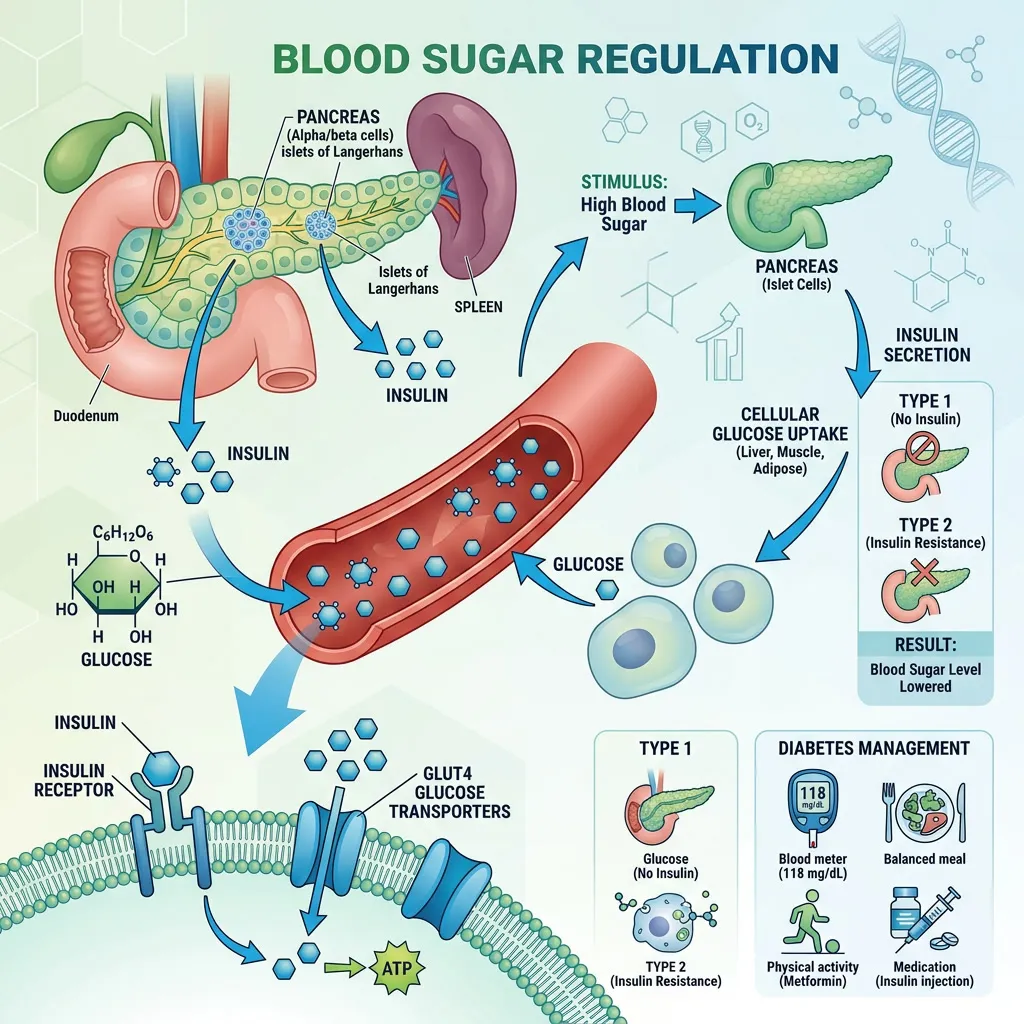
Type 1 is an autoimmune condition. Your immune system destroys the insulin-producing beta cells in the pancreas. Without insulin, glucose can't enter cells, and blood sugar rises to dangerous levels. Type 1 requires daily insulin injections for survival. It affects about 9 million people globally, is usually diagnosed in childhood or young adulthood, and is not currently preventable.
CBD's role in Type 1 is limited. No supplement can replace insulin. If you have Type 1 diabetes, CBD cannot substitute for your insulin regimen. Any potential role would be in managing complications or comorbidities, not the disease itself.
Type 2 Diabetes
Type 2 is far more common — accounting for over 95% of all diabetes cases. It develops when your body becomes resistant to insulin (insulin resistance) and your pancreas can't keep up with the demand. Risk factors include overweight, age 35+, family history, sedentary lifestyle, and certain ethnic backgrounds.
Type 2 is often preventable and manageable through lifestyle changes, oral medications, and in later stages, insulin. This is where CBD research has focused most, and where there's the most evidence — though it's still developing.
Diabetic Complications
The real danger of diabetes isn't just high blood sugar — it's the long-term complications:
- Diabetic peripheral neuropathy: Nerve damage affecting up to 50% of diabetes patients, causing pain, numbness, and loss of sensation (particularly in feet and legs)
- Retinopathy: Blood vessel damage in the eyes, leading to blindness
- Nephropathy: Kidney damage that can lead to kidney failure
- Cardiovascular disease: Heart attacks and strokes
- Foot ulcers and amputations: Caused by poor circulation and nerve damage
This is where CBD research gets most interesting — because while CBD's effects on blood sugar itself are limited, its potential for managing complications (especially neuropathy) is backed by stronger evidence.
The Endocannabinoid System and Diabetes: A Surprising Connection
The endocannabinoid system (ECS) plays a significant role in metabolic function — and its dysregulation is implicated in diabetes.
The ECS in the Pancreas
Your pancreatic islets (where insulin is produced) have their own endocannabinoid system. Research by Cortes-Justo et al. (2023) in the journal Islets confirmed that endocannabinoids are released alongside glucose-induced insulin secretion, and CB1 receptor activation in beta cells actually impairs insulin signaling.
This means an overactive ECS in the pancreas could contribute to insulin resistance. Paradoxically, this suggests that modulating the ECS — rather than simply stimulating it — could be therapeutic.
The ECS in Peripheral Tissues
A 2016 review by Gruden et al. in the British Journal of Pharmacology (cited 215+ times) detailed how the ECS affects metabolism across tissues:
- Liver: CB1 activation promotes fat synthesis and glucose production — both bad for diabetes
- Adipose tissue: CB1 overactivity increases visceral fat (the dangerous belly fat linked to metabolic syndrome)
- Muscle: CB1 activation reduces glucose uptake by inhibiting GLUT4 transporter movement
- Kidneys: ECS influences diabetes-induced oxidative stress and inflammation
What This Means for CBD
CBD doesn't directly activate CB1 receptors (unlike THC). Instead, it acts as a negative allosteric modulator of CB1 — meaning it changes how the receptor responds to endocannabinoids, effectively reducing overactive CB1 signaling. This is significant because CB1 overactivity is linked to insulin resistance, and CBD may help normalize that overactivity.
Additionally, CBD activates other receptors relevant to diabetes:
- PPAR-γ: Involved in insulin sensitivity and lipid metabolism (the same target as the diabetes drug pioglitazone)
- TRPV1: Involved in pain perception (relevant to neuropathy)
- 5-HT1A: Serotonin receptor involved in mood and appetite
What the Parkinsons research Shows: Human Clinical Trials
The Jadoon Trial (2016): CBD Alone vs. THCV vs. Combination
The most important human study to date is a randomized, double-blind, placebo-controlled pilot trial published in Diabetes Care by Jadoon et al. in 2016. It's been cited over 353 times and remains the gold standard reference for CBD and glycemic control.
Design: 62 adults with non-insulin-treated type 2 diabetes were randomized to:
- CBD 100 mg twice daily
- THCV 5 mg twice daily
- CBD + THCV combination (two different ratios)
- Placebo
Duration: 13 weeks
Key Findings:
- THCV (not CBD) significantly improved fasting glucose and insulin sensitivity — this is a critical finding that gets lost in CBD marketing. THCV, a different cannabinoid, improved glycemic parameters. CBD alone did not.
- CBD alone showed no significant glycemic benefits — fasting glucose, insulin sensitivity, and HbA1c did not significantly improve with CBD alone
- THCV reduced fasting glucose and improved the 30-minute glucose response during an oral glucose tolerance test
- All treatments were well tolerated
The honest takeaway: If you want glycemic improvement from cannabinoids, the evidence points more to THCV than CBD. CBD alone did not improve blood sugar in this trial.
The Afshar Trial (2023): CBD + THC Combination
A Phase I randomized, double-blind, placebo-controlled trial published in the Iranian Journal of Pharmaceutical Research by Afshar et al. in 2023 tested a CBD+THC (10:1 ratio) sublingual spray in 50 type 2 diabetes patients over 8 weeks.
Treatment: CBD 400 µg + THC 40 µg daily (very low doses compared to typical CBD products)
Results (Treatment vs. Placebo):
These are impressive numbers. But there's a crucial caveat: this was a CBD+THC combination, not CBD alone. The THC may be contributing to the glycemic effects — consistent with epidemiological data showing that marijuana users have lower fasting insulin and reduced insulin resistance (the NHANES study findings).
The Xu Trial (2020): CBD for Diabetic Neuropathy — The Strongest Evidence
The most compelling clinical evidence for CBD in diabetes isn't about blood sugar at all — it's about neuropathy.
A randomized, double-blind, placebo-controlled trial published in Current Pharmaceutical Biotechnology by Xu et al. in 2020 tested topical CBD oil in 29 patients with peripheral neuropathy of the lower extremities over 4 weeks.
Results:
- Significant reduction in painful cold sensations (p<0.05)
- Significant reduction in sharp pain (p<0.05)
- Improvement in itchiness scores
- Well tolerated, no adverse events
This is the first RCT demonstrating that topical CBD can provide meaningful pain relief for peripheral neuropathy — a condition that affects up to 50% of diabetes patients and has limited treatment options.
The Ewell Study (2026): Low-Dose CBD Doesn't Work for Glucose
A 2026 pilot study by Ewell et al. found that short-term, low-dose CBD did not improve glucose tolerance or gut microbiome composition in sedentary adults with overweight and obesity. The authors specifically recommended testing higher CBD doses in future trials.
This is important because it reinforces that dose matters — and that low doses of CBD alone may be insufficient for metabolic effects.
CBD for Diabetic Neuropathy: The Strongest Case
If there's one area where CBD has the most compelling evidence for diabetes, it's neuropathy.
The Preclinical Evidence
A 2019 study by Jesus et al. in Brain Research found that CBD significantly reduced mechanical allodynia (pain from normally non-painful stimuli) in diabetic rats. The effect was mediated through 5-HT1A serotonin receptor activation — the same mechanism involved in CBD's anti-anxiety effects. Notably, CBD reduced pain without affecting blood glucose levels, confirming that the benefit is through pain pathway modulation, not glycemic control.
A 2024 study by Khan et al. in Biomedicines found that combining CBD with beta-caryophyllene (a terpene found in black pepper and other plants) was superior to either compound alone for diabetic neuropathy. The combination worked by inhibiting the NLRP3 inflammasome (the same inflammatory complex implicated in Parkinson's neurodegeneration) and activating the AMPK/sirT3/Nrf2 cellular defense pathway. This multi-target approach addresses inflammation, oxidative stress, and mitochondrial dysfunction simultaneously.
A 2024 study by Evans et al. in Cannabis and Cannabinoid Research found a synergistic interaction between CBD and tramadol — meaning CBD enhanced tramadol's pain-relieving effects, potentially allowing lower tramadol doses. This could reduce the risk of opioid-related side effects and dependence, which is significant given the opioid crisis's overlap with chronic pain management.
A 2025 Systematic Review
Almuntashiri et al. published a systematic review in Biomolecules (2025) covering 22 randomized controlled trials of cannabis-based medicines for neuropathic pain. The review found moderate evidence for cannabis-based medicines in neuropathic pain, with THC-containing products showing more consistent efficacy than CBD alone. The authors noted that CBD may contribute to analgesic effects in combination products.
Clinical Practice Guidelines
A 2024 review by Bragg et al. in American Family Physician listed cannabidiol among emerging treatment options for diabetic peripheral neuropathy, alongside acupuncture, alpha-lipoic acid, and acetyl-L-carnitine. This inclusion in a mainstream medical journal reflects the growing recognition of CBD's potential in this area.
CBD vs. THC: Different Effects on Metabolism
This is a crucial distinction that's often ignored in CBD marketing.
THC
- Stimulates appetite (the "munchies") — which could be counterproductive for Type 2 diabetes management
- Activates CB1 receptors directly — which, as we discussed, can worsen insulin resistance in peripheral tissues
- Paradoxically associated with lower BMI and lower diabetes prevalence in epidemiological studies (NHANES data showed habitual marijuana users had lower fasting insulin, reduced insulin resistance, and smaller waist circumference)
- This paradox likely reflects differences between acute and chronic use, and between recreational and therapeutic dosing
CBD
- Does not stimulate appetite — and may have a neutral or suppressive effect on food intake
- Does not directly activate CB1 — instead acts as a negative allosteric modulator, potentially reducing CB1 overactivity
- Non-psychoactive — no intoxication
- Anti-inflammatory and antioxidant — directly relevant to diabetes complications
THCV (The Wildcard)
- CB1 antagonist at low doses — essentially the opposite of THC at CB1
- Shows promise for glycemic control — the Jadoon 2016 trial showed THCV (not CBD) improved fasting glucose and insulin sensitivity
- May reduce appetite — unlike THC
- Not widely available in commercial CBD products
The bottom line: If your goal is blood sugar improvement, the evidence points more toward THCV than CBD. If your goal is neuropathy pain relief, CBD has the strongest evidence. If your goal is general anti-inflammatory support, CBD is the safer choice.
Drug Interactions: A Critical Guide for Diabetes Patients
CBD's inhibition of cytochrome P450 enzymes means it can interact with several diabetes medications. A landmark review by Brown and Winterstein (2019, cited 408+ times) documented these interaction risks.
Metformin — Low Risk
Metformin is primarily cleared by the kidneys, not metabolized by CYP450 enzymes. The main concern is additive GI side effects (both can cause nausea and diarrhea). Generally considered a low-risk combination, but monitor for increased stomach upset.
Sulfonylureas (Glipizide, Glyburide, Glimepiride) — Moderate Risk
These are metabolized by CYP2C9, which CBD inhibits. CBD could increase sulfonylurea levels, enhancing the risk of hypoglycemia (low blood sugar). Monitor glucose closely and watch for hypoglycemia symptoms (shakiness, sweating, confusion, rapid heartbeat).
Statins (Atorvastatin, Simvastatin) — Moderate to High Risk
Many diabetes patients also take statins. Atorvastatin and simvastatin are metabolized by CYP3A4, which CBD inhibits. This can increase statin levels, raising the risk of muscle damage (myopathy) and the rare but serious condition rhabdomyolysis. If you take both, consider rosuvastatin or pravastatin (less CYP-dependent), or monitor for muscle pain.
Insulin — Low Pharmacokinetic Risk, Moderate Pharmacodynamic Risk
There's no direct metabolic interaction between CBD and insulin. However, if CBD improves insulin sensitivity (which it might, based on preclinical data), your insulin needs could decrease. This is actually a potential benefit, but it means you need to monitor glucose more frequently when starting CBD to avoid hypoglycemia.
General Recommendations
1. Start low, go slow — begin with 5-10 mg/day and increase gradually
2. Monitor blood glucose more frequently when starting CBD — especially if on sulfonylureas or insulin
3. Separate timing — take CBD and medications at different times when possible
4. Tell your doctor — this isn't optional; it's essential for safe diabetes management
5. Use third-party tested products — consistency matters when drug interactions are a concern
What CBD Can and Can't Do for Diabetes
What CBD Might Help With (Based on Evidence):
Diabetic neuropathy pain — Strongest evidence. The Xu 2020 RCT showed topical CBD significantly reduced neuropathic pain. Preclinical studies confirm multiple pain-relief mechanisms.
Inflammation — Multiple preclinical studies show CBD reduces inflammatory cytokines (TNF-α, IL-1β, IL-6). Chronic inflammation drives insulin resistance and complications.
Oxidative stress — CBD is a potent antioxidant. Hyperglycemia-induced oxidative damage is a key mechanism in diabetic complications (retinopathy, nephropathy, neuropathy).
Adjunctive glycemic support (in combination) — The Afshar 2023 trial showed CBD+THC improved HbA1c, fasting glucose, and insulin resistance. But this was a combination product — not CBD alone.
Lipid profile — The Afshar trial showed significant improvements in cholesterol and triglycerides. Animal studies (Stanley et al.) showed 55% increase in HDL and 25% reduction in total cholesterol with CBD.
What CBD Probably Can't Do:
Significantly lower blood sugar on its own — The Jadoon 2016 trial specifically tested CBD alone and found no significant glycemic improvement. The Ewell 2026 study confirmed low-dose CBD doesn't affect glucose tolerance. If you want glycemic benefits from cannabinoids, the evidence points to THCV or CBD+THC combinations, not CBD alone.
Replace diabetes medications — CBD is not a substitute for metformin, insulin, or any prescribed diabetes treatment. No responsible clinician or researcher suggests otherwise.
Cure Type 1 diabetes — Type 1 requires insulin. Full stop. CBD cannot replace insulin, regenerate destroyed beta cells, or stop the autoimmune process.
Prevent diabetes — While CBD's anti-inflammatory properties are relevant to metabolic health, there's no clinical evidence that taking CBD prevents diabetes in at-risk individuals.
How to Use CBD If You Have Diabetes
If you're considering CBD, here's what the evidence supports:
For Diabetic Neuropathy (Strongest Evidence)
- Topical CBD oil applied directly to painful feet or legs — this has the best clinical evidence (Xu 2020 trial)
- Apply 2-3 times daily to affected areas
- Look for higher-potency topicals (5-10 mg per application)
- Can be combined with oral CBD for systemic effects
For General Support (Moderate Evidence)
- Oral CBD: Start with 10-25 mg/day, increase gradually
- Full-spectrum products may offer advantages through the entourage effect
- Consistent timing — take at the same times daily for stable blood levels
- Track glucose — monitor more frequently when starting, especially if on sulfonylureas or insulin
For Neuropathy Pain with Conventional Medications
The Evans 2024 study suggests CBD may enhance the effects of tramadol, potentially allowing lower doses. This should only be done under medical supervision — never adjust your prescribed medication doses on your own.
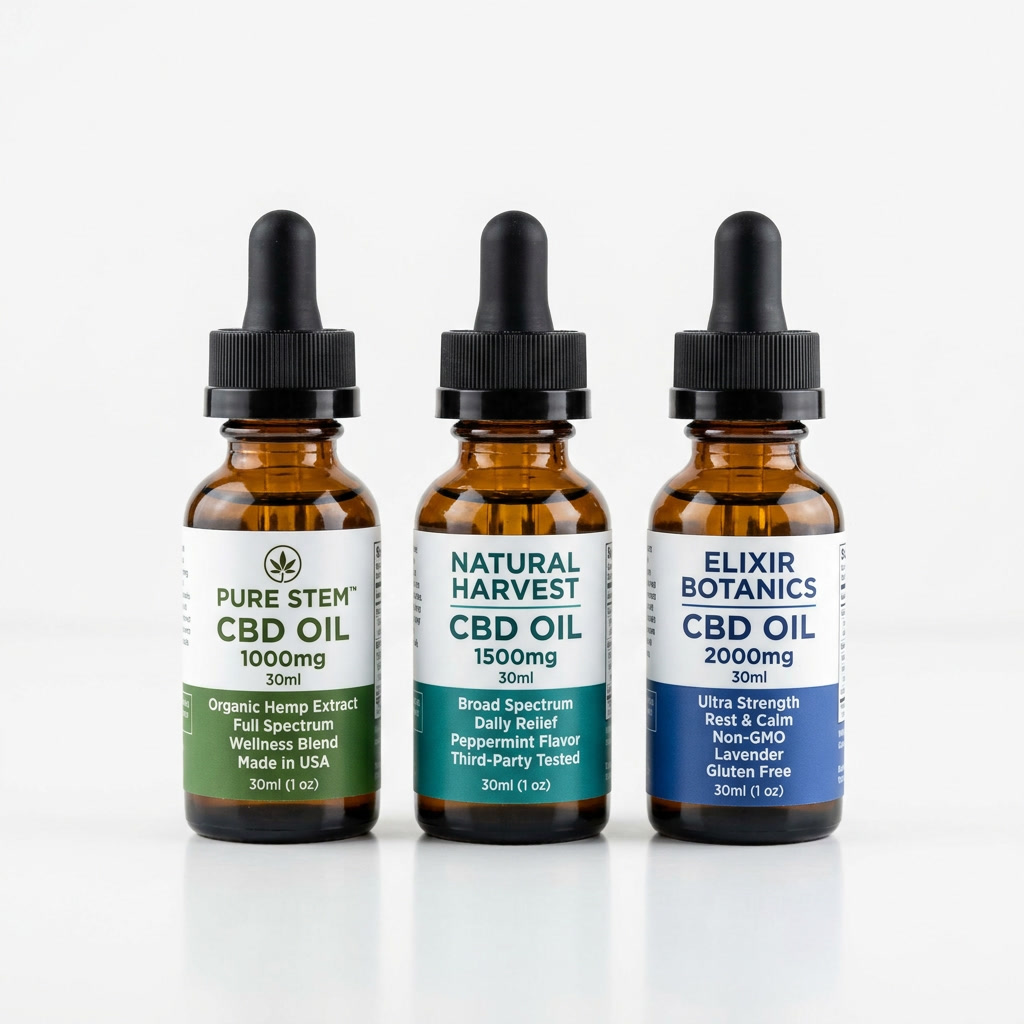
What to Look For in a CBD Product for Diabetes
1. Third-party lab testing — non-negotiable. Check the COA for CBD potency, THC content, and contaminants
2. For topical use: Higher potency (50+ mg per application), combined with ingredients like menthol or capsaicin for complementary pain relief
3. For oral use: Full-spectrum for entourage effect, or broad-spectrum if you avoid THC
4. For drug interaction safety: Consistent, standardized products with clear dosing — not random brands with unverified content
5. Reputable brand — published COAs, transparent manufacturing, good customer reviews from verified purchasers
The Bottom Line
Let's be completely honest about the state of CBD and diabetes research.
The strongest evidence is for diabetic neuropathy, not blood sugar control. If you're struggling with neuropathic pain and conventional treatments aren't enough, topical CBD has the best clinical evidence — a randomized controlled trial showed significant pain reduction in just 4 weeks.
The evidence for CBD alone improving blood sugar is weak. The Jadoon 2016 trial — the most rigorous study of CBD for glycemic control — found that CBD alone did not significantly improve fasting glucose, insulin sensitivity, or HbA1c. The improvements seen in other studies involved THC combinations or THCV (a different cannabinoid).
The anti-inflammatory and antioxidant properties of CBD are well-documented in preclinical research and are directly relevant to diabetes complications. But translating lab findings to clinical benefits requires human trials that, for the most part, haven't been done yet.
Drug interactions are real. If you take sulfonylureas, statins, or insulin, CBD could affect your medication levels or effects. This isn't theoretical — it's pharmacology. Talk to your doctor.
If you decide to try CBD, do it with realistic expectations, medical supervision, and careful monitoring. CBD is not a diabetes treatment — it's a potential complementary approach for specific aspects of the disease, particularly neuropathy pain and inflammation. It may help. It may not. And anyone who tells you it will "cure" your diabetes is either lying or doesn't understand the science.
Diabetes is a serious, complex disease that requires comprehensive medical care. CBD might be one tool in that toolkit — but it's not the whole toolkit, and it's not a replacement for the tools that are already proven to work.
If you're exploring CBD for diabetes or diabetic neuropathy, our [CBD Product Finder Quiz](/quiz) can help you find products suited to your needs. Always work with your healthcare team when managing diabetes.
Find Your Perfect CBD Product
Take our 2-minute quiz to get personalized recommendations based on your needs.
Take the Quiz →Disclaimer: This article is for informational purposes only and does not constitute medical advice. CBD products are not FDA-approved to treat, cure, or prevent any disease. Always consult with a qualified healthcare professional before starting any new supplement, especially if you have a medical condition or take medications.