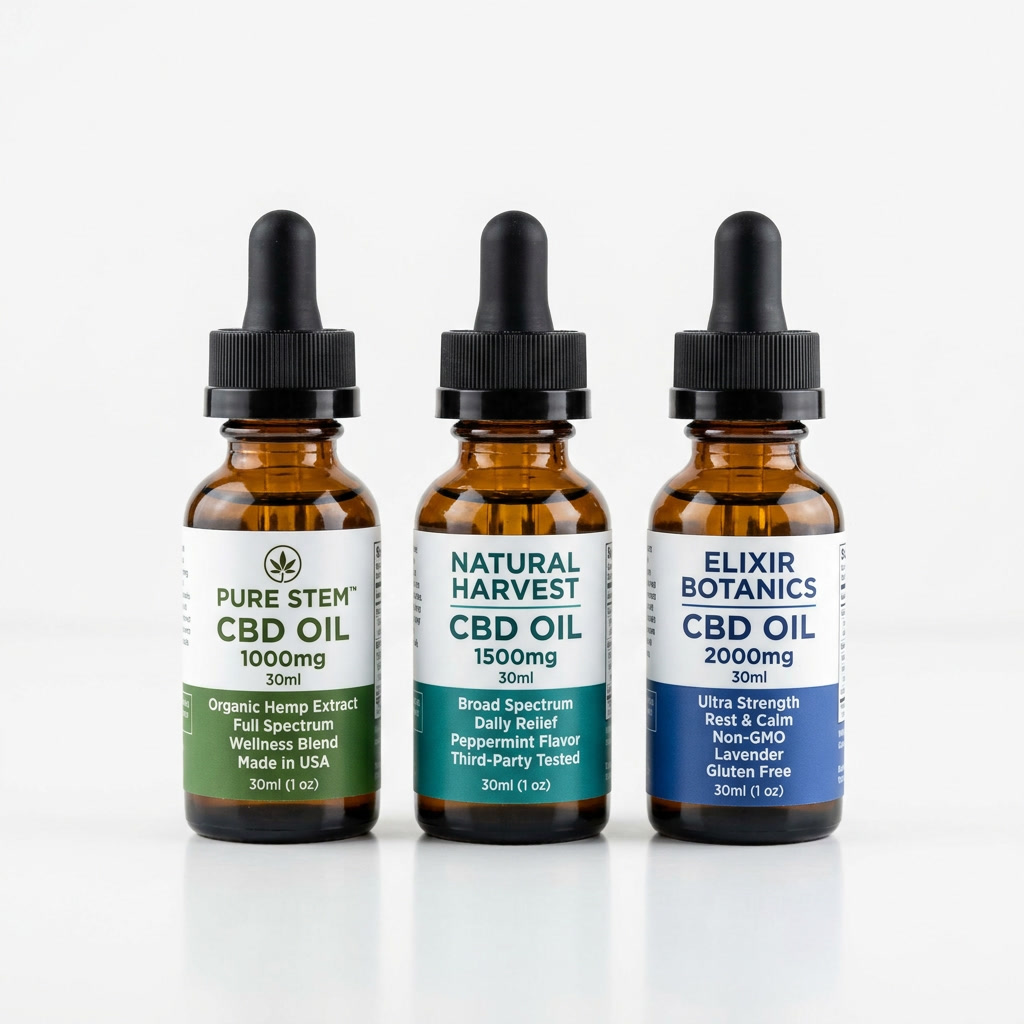
CBD for Depression and Mood: What the 2023+ Research Actually Shows
It starts quietly. You wake up already tired, the day feels flat, and the things that used to bring you joy now feel like chores. Maybe you've been scrolling through social media and noticed ads promising that a few drops of CBD oil can "lift your mood" or "support emotional balance." The idea is tempting, especially when you're exhausted by the search for something that helps. But here's the honest truth: depression is a serious medical condition, and CBD is not a proven treatment for it. The science is genuinely interesting, and there are real reasons people explore it, but the gap between the marketing and the evidence is wide. This guide walks through what the recent research actually says, how CBD interacts with your brain's mood systems, and why the responsible approach is far more careful than the ads suggest. If you're struggling, please know that professional help works, and no supplement should ever replace it.
Why People Consider CBD for Mood and Depression
The appeal of CBD for mood is easy to understand. Unlike THC, CBD does not get you high, and it has a reputation for being gentle and well tolerated. For someone who has tried prescription antidepressants and dealt with side effects like weight gain, emotional numbness, or sexual dysfunction, the idea of a natural, side-effect-light option is genuinely appealing. Many people also arrive at CBD after reading anecdotal stories online, where individuals describe feeling calmer, sleeping better, and experiencing a brighter mood after taking it consistently.
There is also a real frustration driving this interest. Depression is common, and finding the right treatment can take time and trial and error. A 2026 analysis of global mental health data from the Global Burden of Disease Study found that mental disorders remain a leading cause of disability worldwide, which helps explain why so many people are searching for additional options. When standard care feels slow or incomplete, it is natural to look for something you can control yourself. That search is understandable, but it is also exactly why it matters to separate hope from evidence before you spend money or put anything in your body.
How CBD Interacts With Serotonin and the Endocannabinoid System
To understand why researchers are interested in CBD for mood, you need to know about the endocannabinoid system, or ECS. This is a widespread signaling network of receptors and molecules that helps regulate mood, stress, sleep, appetite, and pain. If you are new to how this all connects, our guide to the endocannabinoid system is a useful starting point. CBD does not bind strongly to the main cannabinoid receptors the way THC does, but it influences the system indirectly, and it interacts with other pathways that matter for mood.
One of the most studied of these is the serotonin system. Serotonin is a neurotransmitter heavily involved in regulating mood, and many conventional antidepressants work by increasing its availability. Preclinical research suggests CBD may influence serotonin signaling, particularly through a receptor called 5-HT1A. A 2026 systematic review and meta-analysis of 123 animal studies, published in Molecular Psychiatry, found that CBD consistently reduced anxiety-like and depressive-like behaviors in animal models, and the authors pointed to serotonergic signaling, endocannabinoid modulation, and anti-inflammatory pathways as likely contributors. It is important to note that this is animal research, and the same review was careful to state that clinical evidence in humans is still limited and inconclusive.
What the 2023+ Research Actually Shows
The honest picture is that the strongest evidence for CBD and mood comes from the lab, not the clinic. The Molecular Psychiatry meta-analysis mentioned above is a good example: it pooled 123 preclinical studies and found moderate effects on anxiety- and depression-like behaviors in animals, with the most consistent results in standard behavioral tests. A separate 2026 study in Psychopharmacology found that CBD injected into a specific brain region reduced both pain and anxiety- and depression-like behaviors in rats, and that these effects depended on both CB1 and 5-HT1A receptor signaling. Other preclinical work has similarly reported antidepressant-like effects for CBD in animal models, including when it was combined with other compounds.
The human evidence is far more limited and more sobering. A 2026 systematic review and meta-analysis published in Lancet Psychiatry examined 54 randomized controlled trials of cannabinoids for mental health conditions and found no significant effects on anxiety outcomes, and it explicitly noted an absence of randomized controlled trial evidence for the treatment of depression. The authors concluded that, given the scarcity of evidence, the routine use of cannabinoids for mental disorders is currently rarely justified. This is the key point: the animal data is promising enough to justify more research, but it has not yet translated into proof that CBD treats depression in people.
CBD vs Conventional Antidepressants: An Honest Comparison
It is tempting to frame CBD as a natural alternative to antidepressants, but that framing is misleading. Conventional antidepressants like SSRIs have decades of randomized controlled trial evidence behind them, they are approved by regulators, and they are prescribed by doctors who monitor dosing and side effects. CBD, by contrast, is not approved for depression, has no established dose for mood, and is sold largely as an unregulated supplement. The two are not equivalent, and CBD is not a replacement for prescribed treatment.
That does not mean CBD has no role at all, but the role is modest and supportive at best. Some people use CBD alongside their existing treatment for related issues like anxiety or sleep, and a 2026 randomized crossover trial in healthy volunteers found that a single 200 mg dose of CBD produced a slight but perceptible pleasant effect, while doses of 100 mg or less produced no discernible psychoactive effect. That is a far cry from treating a mood disorder. If you are on an antidepressant and considering CBD, the most important thing is to talk to your doctor first, because the two can interact in ways that matter.
The Importance of Not Self-Medicating Depression
This is the section that matters most, so please read it carefully. Depression is a medical condition, not a mood you can supplement your way out of. Self-medicating with CBD, or any supplement, risks delaying the effective treatment that could actually help you. If you are experiencing persistent low mood, loss of interest, changes in sleep or appetite, or thoughts of self-harm, please reach out to a healthcare professional. In an emergency, contact a crisis line or go to an emergency room.
The research supports this caution. The Lancet Psychiatry review found that while cannabinoids did not increase the risk of serious adverse events, they were associated with a higher risk of any adverse events, and the overall quality of evidence for mental health benefits was low. In other words, you could be taking something that does not help while also exposing yourself to side effects and interactions. Professional treatment, including therapy and medication, has a much stronger evidence base. CBD can be part of a broader wellness conversation, but it should never be the foundation of your mental health care.
CBD for Related Mood Issues: Stress, Anxiety, and Low Mood
If social situations are a specific trigger for you, our dedicated guide to CBD for social anxiety digs into the situational-use evidence and dosing in more detail.
Where CBD may have more realistic potential is with the milder, everyday cousins of depression: stress, anxiety, and low mood. These are not the same as clinical depression, but they are common reasons people reach for CBD, and the evidence here is slightly more encouraging, though still mixed. The Molecular Psychiatry meta-analysis found consistent reductions in anxiety-like behaviors across animal studies, and the same serotonergic and endocannabinoid mechanisms are thought to be involved.
In humans, the picture is more nuanced. The Lancet Psychiatry review found no significant effect of cannabinoids on anxiety outcomes in its pooled analysis, which is an important counterweight to the hype. However, some individual studies and real-world surveys report that people use CBD for stress and find it helpful for sleep and relaxation. A 2026 survey of CBD use in England, Wales, and Northern Ireland, published in BMJ Public Health, found that CBD is widely used, often for perceived wellness benefits. The takeaway is that CBD might help some people feel calmer or sleep better, but it is not a reliable or proven treatment for anxiety, and results vary widely from person to person.
Dosing Considerations
If you and your doctor decide that trying CBD is reasonable, dosing is one of the most confusing parts, because there is no official guidance for mood. The research gives some rough anchors. The 2026 healthy-volunteer trial found that 200 mg produced a slight pleasant effect, while 100 mg or less had no discernible effect, which suggests that low doses may do very little. On the other hand, the FDA's citalopram interaction study used about 2.5 mg per kilogram of body weight twice daily, which for an average adult is a substantial daily amount.
The general principle is to start low and go slow. Most experts suggest beginning with a modest dose, such as 10 to 25 mg per day, and increasing gradually while tracking how you feel. For more detail on sensible amounts, our CBD dosage guide and CBD safety guide are good starting points. Remember that CBD comes in different forms, including oils, gummies, and capsules, and the way you take it affects how quickly and how much is absorbed. Consistency matters more than a single large dose, and it can take a few weeks of daily use to notice any effect, if there is one at all.
Safety and Interactions: Especially With Antidepressants
Safety is where CBD gets genuinely serious, particularly if you take other medications. CBD is known to inhibit certain liver enzymes, including the cytochrome P450 family, which are responsible for breaking down many drugs. This means CBD can raise the levels of other medications in your blood, potentially increasing side effects or toxicity. This is not theoretical. A 2026 clinical study published in Clinical Pharmacology & Therapeutics found a significant interaction between CBD and the common antidepressant citalopram, with CBD increasing the drug's overall exposure by about 43 percent.
This matters in the real world. A 2025 cross-sectional study in the Journal of Clinical Medicine found that among people using CBD, nearly 70 percent were also taking at least one medication with a known interaction risk, and antidepressants were the most common category, at about 64 percent. A separate 2024 review in Frontiers in Pharmacology documented adverse events from interactions between cannabinoids and psychotropic drugs. The bottom line is clear: if you take an antidepressant, an anti-anxiety medication, a blood thinner, or any prescription drug, talk to your doctor or pharmacist before adding CBD. Do not assume it is harmless just because it is natural.
Bottom Line
Here is the honest summary. CBD interacts with the brain's endocannabinoid and serotonin systems, and a growing body of 2023-and-later animal research shows it can reduce anxiety- and depression-like behaviors in the lab. But the human evidence is thin, and the most rigorous recent review found no proof that CBD treats depression and no significant effect on anxiety. CBD is not a replacement for antidepressants, and it can interact dangerously with them. If you are struggling with your mood, please prioritize professional care, which has a strong evidence base. If you and your doctor decide CBD is worth trying for stress or sleep, start low, choose a lab-tested product, and keep expectations realistic. Browse our range of verified CBD oils and gummies if you want to explore further, but treat CBD as a small piece of a much larger mental health picture.
Frequently Asked Questions
Can CBD cure depression?
No. There is no evidence that CBD cures depression, and the most rigorous recent review found an absence of randomized controlled trial evidence for CBD as a depression treatment. CBD is not approved for depression and should not be used as a replacement for professional care.
Is it safe to take CBD with antidepressants?
It can be risky. CBD inhibits liver enzymes that break down many antidepressants, which can raise drug levels in your blood. A 2026 study found CBD increased exposure to the antidepressant citalopram by about 43 percent. Always talk to your doctor or pharmacist before combining CBD with any prescription medication.
How much CBD should I take for mood?
There is no established dose for mood. Research suggests low doses under 100 mg may have little effect, while higher doses are where effects appear, but individual responses vary. Start low, increase gradually, and work with a healthcare professional to find what, if anything, works for you.
Does CBD make you high?
No. Unlike THC, CBD is not psychoactive and does not produce a high. A 2026 trial found that doses of 100 mg or less produced no discernible psychoactive effect in healthy volunteers, though a 200 mg dose produced a slight pleasant effect.
What should I do if I'm feeling depressed?
Reach out to a healthcare professional. Depression is a treatable medical condition, and therapy and medication have strong evidence behind them. If you are in crisis or having thoughts of self-harm, contact a crisis line or go to an emergency room immediately.
For conditions with psychosis as a feature, the evidence picture is different again — and considerably more caution is warranted. See our analysis of CBD and schizophrenia.
Find Your Perfect CBD Product
Take our 2-minute quiz to get personalized recommendations based on your needs.
Take the Quiz →Disclaimer: This article is for informational purposes only and does not constitute medical advice. CBD products are not FDA-approved to treat, cure, or prevent any disease. Always consult with a qualified healthcare professional before starting any new supplement, especially if you have a medical condition or take medications.