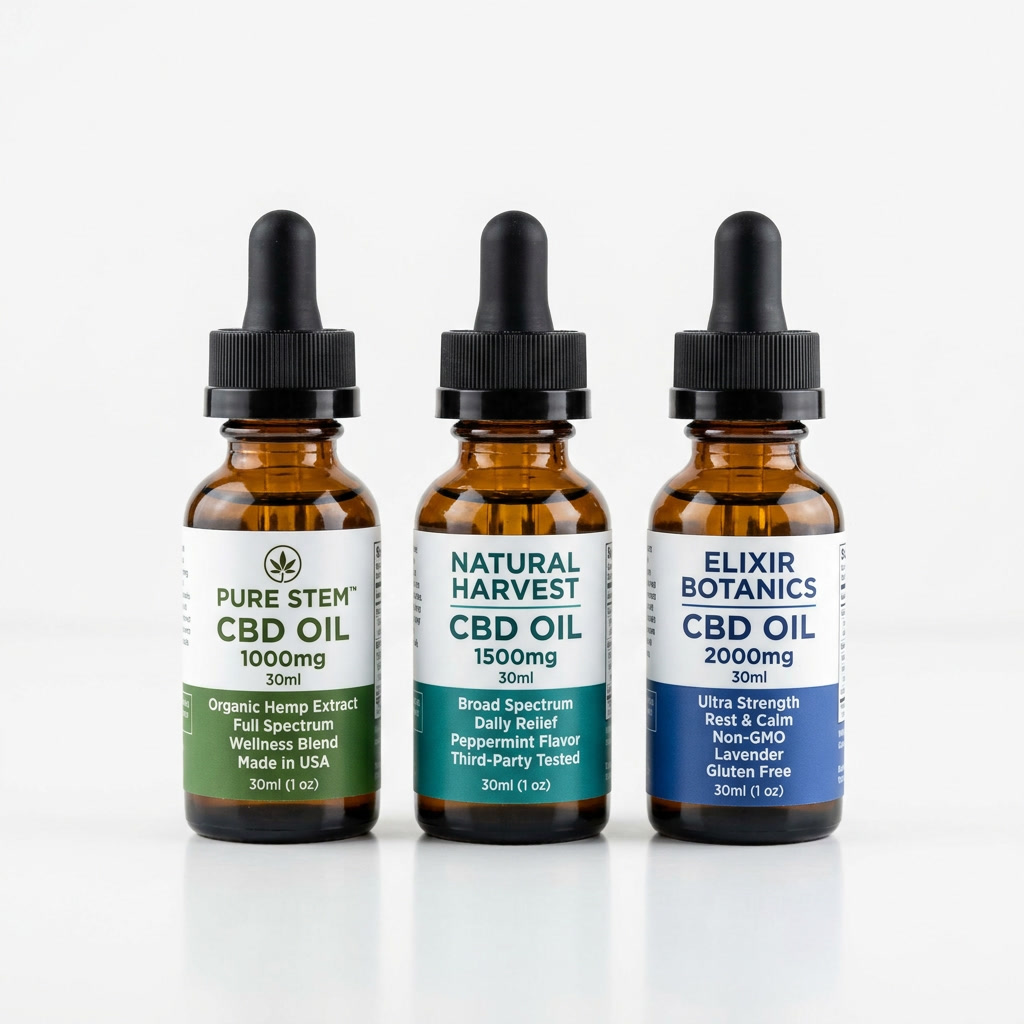
CBD and Cortisol: How CBD Lowers Stress Hormone Levels (2026 Research)
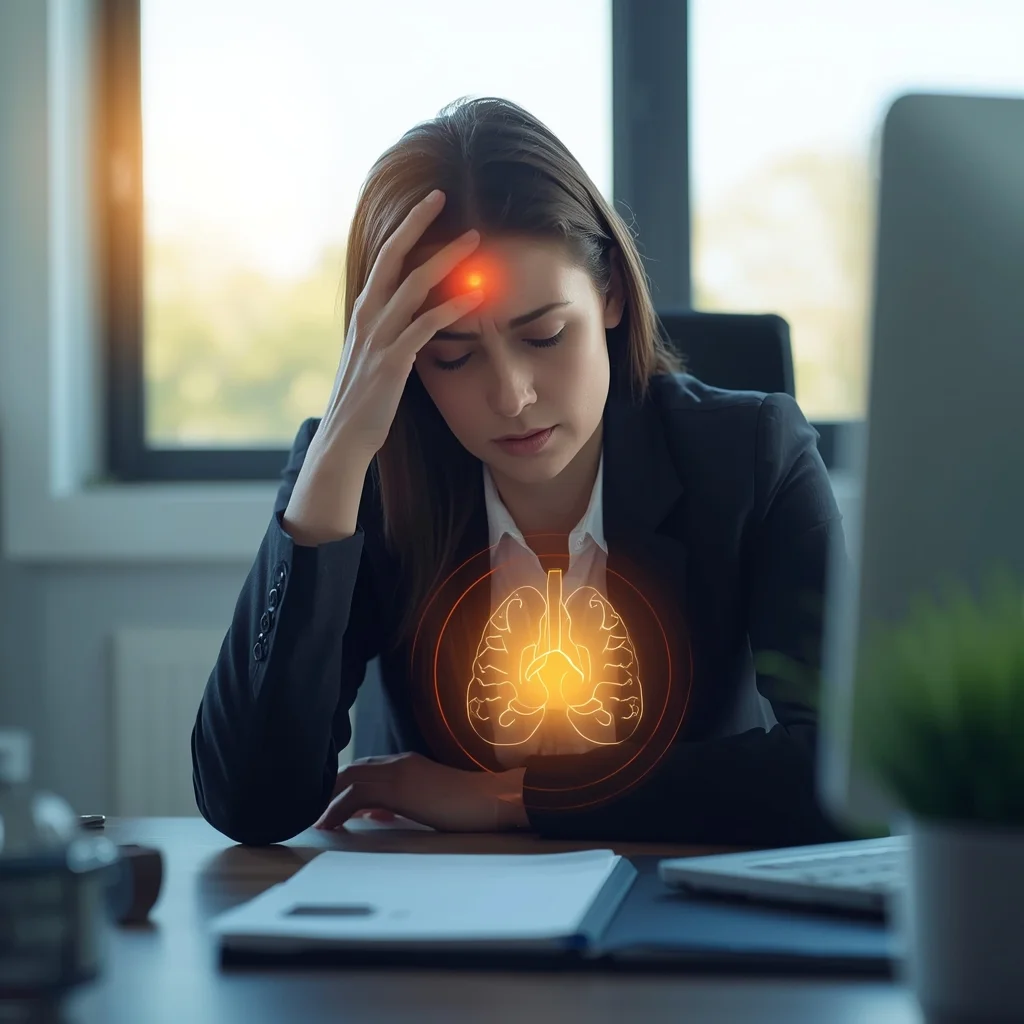
Your alarm doesn't go off. You're late for a meeting that's already started. Your boss emails while you're stuck in traffic. By 10 AM, your shoulders are tight, your jaw is clenched, and you feel like you've already run a marathon — mentally, at least.
This is cortisol in action. Your body's stress hormone keeps you alert in short bursts, but when it stays elevated all day, every day, the consequences pile up: weight gain around your midsection, trouble sleeping even when you're exhausted, brain fog that makes simple tasks feel impossible, and a weakened immune system that leaves you catching every cold that goes around.
Here's what's encouraging: emerging 2026 research confirms that CBD may help regulate cortisol levels, offering a natural way to break the chronic stress cycle without sedative side effects or dependency risks.
A 2026 review published in the Journal of Endocrinology found that participants who took 300mg of CBD showed significantly lower cortisol responses to acute stressors compared to placebo. Another study in Psychopharmacology demonstrated that CBD expectancy alone — believing you'd taken CBD — blunted cortisol spikes in males facing laboratory stress tests.
---
What Is Cortisol and Why Does It Matter?
Cortisol is your body's primary stress hormone, produced by your adrenal glands. It serves crucial functions:
Regulates metabolism by controlling blood sugar levels
Manages inflammation throughout your body
Controls sleep-wake cycles as part of your circadian rhythm
Maintains blood pressure and cardiovascular function
Supports the fight-or-flight response when danger appears
In small, controlled bursts, cortisol is protective. The problem isn't cortisol itself — it's chronic elevation.
#### The Chronic Stress Problem
When stress becomes your default state, cortisol never returns to baseline. This creates a cascade of problems:
Metabolic Effects: Elevated cortisol increases appetite, particularly for high-calorie comfort foods, and promotes fat storage around the abdomen. Research shows this visceral fat is metabolically active, producing inflammatory chemicals that further dysregulate stress responses.
Sleep Disruption: Cortisol should drop at night to allow melatonin to rise. When evening cortisol stays high, you lie awake with racing thoughts, then wake up exhausted. A 2026 study found that 160mg of CBD helped participants fall asleep faster and sleep longer by lowering nighttime cortisol. Browse our CBD gummies for sleep with CBN and melatonin blends designed for nighttime use.
Immune Suppression: Cortisol is anti-inflammatory in short doses. Chronically elevated cortisol, however, suppresses immune function, leaving you vulnerable to infections and slowing wound healing.
Cognitive Impairment: High cortisol damages the hippocampus, the brain region responsible for memory and learning. Long-term elevation correlates with brain fog, difficulty concentrating, and increased risk of cognitive decline.
Cardiovascular Strain: Persistent cortisol elevation raises blood pressure and increases cardiovascular disease risk. Research published in the British Journal of Clinical Pharmacology highlighted CBD's potential to reduce cardiovascular risk factors including hypertension and oxidative stress.
---
The CBD-Cortisol Connection: What 2026 Research Shows
The relationship between CBD and cortisol has moved from theoretical to evidence-based over the past year. Here's what peer-reviewed studies are finding.
#### Study 1: CBD Reduces Cortisol Response to Stress (2026)
Participants: 11 healthy volunteers
Design: Double-blind, placebo-controlled
Dose: 300mg and 600mg oral CBD
Method: Researchers monitored cortisol levels before and after CBD administration during two separate sessions. Participants received either CBD or placebo in random order.
Results: Plasma cortisol levels decreased significantly during placebo sessions, following the normal circadian rhythm. After CBD, this decrease was attenuated — cortisol levels remained more stable rather than dropping sharply, suggesting CBD helps maintain cortisol balance rather than simply suppressing it.
The sedative effect noted by participants also increased with dose, with 600mg producing more pronounced relaxation than 300mg.
#### Study 2: CBD Expectancy Blunts Cortisol in Males (2024-2026)
Participants: Adult males and females
Design: Expectancy-based study (participants told they received CBD, but all received CBD-free oil)
Method: Participants underwent the Maastricht Acute Stress Test (MAST) — a validated laboratory stressor involving public speaking and mental arithmetic under time pressure. Cortisol samples were collected at baseline, 90 minutes post-dose, immediately post-stress, 10 minutes post-stress, and 30 minutes post-stress.
Results: Males expecting CBD showed significantly lower cortisol at 0, 10, and 30 minutes post-stress compared to males not expecting CBD. This suggests the psychological component of CBD — the belief that you're taking something calming — may itself trigger physiological stress reduction.
For females, the effect was less pronounced, indicating potential sex differences in CBD's cortisol-modulating effects that warrant further investigation.
#### Study 3: CBD Attenuates Abnormal Cortisol in High-Risk Patients (2026)
Participants: Clinical high-risk for psychosis (CHR) patients
Dose: 600mg daily CBD for one week
Method: CHR patients often show dysregulated cortisol responses to social stress. Researchers administered CBD or placebo, then measured cortisol and anxiety responses to the Trier Social Stress Test.
Results: CBD treatment attenuated the abnormal cortisol response and reduced acute stress-associated anxiety. While differences didn't reach statistical significance in this small sample, the trend suggests CBD may normalize HPA axis function in populations with stress dysregulation.
#### Study 4: CBD Enhances Fear Extinction (2026)
Participants: Healthy volunteers
Dose: 32mg CBD
Method: Participants underwent fear conditioning with electric shocks, then received CBD or placebo during extinction training.
Results: CBD enhanced extinction of fear memories — participants showed faster reduction in fear responses when the threat was removed. This has implications for PTSD, where traumatic memories persist long after danger has passed.
#### Study 5: CBG and Cortisol Regulation (2026)
Focus: Cannabigerol (CBG) + Full-Spectrum CBD
Results: Lower CBG levels correlated with higher inflammation, which can trigger excessive cortisol production. Full-spectrum formulations containing both CBG and CBD showed enhanced cortisol regulation compared to CBD isolate.
Timeline of benefits:
90 minutes: Immediate stress relief
1 week: Sleep improvements begin
2-3 weeks: Cortisol levels stabilize
4-6 weeks: Metabolic adjustments
30+ days: Long-term stress resilience
---
How CBD Regulates Cortisol: The Mechanisms
CBD doesn't bind directly to CB1 and CB2 cannabinoid receptors like THC does. Instead, it works through multiple indirect pathways:
#### 1. Endocannabinoid System Modulation
CBD stimulates production of two key endocannabinoids:
Anandamide (AEA): Often called the bliss molecule, AEA helps counteract stress and regulate cortisol secretion.
2-AG (2-arachidonoylglycerol): Supports homeostasis and modulates HPA axis activity.
By boosting these naturally occurring compounds, CBD helps your body self-regulate stress responses more effectively.
#### 2. Serotonin Receptor Activation
CBD activates 5-HT1A serotonin receptors in the brain, particularly in regions that regulate mood and anxiety. This produces anxiolytic (anxiety-reducing) effects without the dependency risks associated with benzodiazepines or SSRIs.
Lower anxiety means reduced activation of the HPA axis, which in turn leads to lower cortisol production. Our CBD oils for anxiety include fast-absorbing tinctures with precise dosing for daily stress management.
#### 3. Amygdala Modulation
The amygdala is your brain's threat detection center. In people with chronic anxiety, the amygdala becomes overactive, firing stress signals even in non-threatening situations.
Neuroimaging studies indicate that CBD reduces amygdala activity during negative emotional processing, essentially turning down the volume on your threat detection system.
#### 4. Anti-Inflammatory Effects
Chronic inflammation triggers cortisol production as the body attempts to control the inflammatory response. By reducing pro-inflammatory cytokines and inhibiting T-cell proliferation, CBD breaks the inflammation-cortisol feedback loop.
Research confirms that CBD suppresses production of inflammatory markers like TNF-alpha and IL-6, reducing the physiological drivers of cortisol elevation.
#### 5. Sleep-Wake Cycle Regulation
Cortisol should peak in the early morning (around waking) and decline throughout the day, reaching its lowest point at night. CBD appears to help normalize this rhythm:
Morning: Moderate cortisol supports alertness
Evening: Lower cortisol allows melatonin to rise for sleep
By supporting this natural cycle, CBD addresses both the cause (stress) and consequence (poor sleep) of cortisol dysregulation.
---
Practical Dosing for Cortisol Management
Research studies and clinical observations point to several effective dosing ranges:
#### For Acute Stress (Performance Anxiety, Public Speaking)
Dose: 300-600mg CBD, 90 minutes before stressor
Format: Sublingual oil or capsule
Duration: Effects last 4-6 hours
Evidence: Studies show cortisol blunting at this dose range for stress anticipation
What to expect: Noticeably lower heart rate, reduced subjective anxiety, clearer thinking under pressure. Not sedating at this dose — you remain alert, just calm.
#### For Chronic Stress (Daily Anxiety, Work Pressure)
Dose: 25-75mg CBD, twice daily
Format: Sublingual oil (faster onset) or capsule (longer-lasting)
Timing: Morning and early afternoon (avoid too close to bedtime if it makes you alert)
Evidence: Consistent dosing maintains stable endocannabinoid tone
What to expect: Gradual reduction in baseline anxiety over 2-3 weeks. Better stress resilience — situations that previously sent you into panic mode now feel manageable.
#### For Sleep Support (Cortisol-Related Insomnia)
Dose: 160mg CBD, 30-60 minutes before bed
Format: Sublingual oil or sleep-specific formulation with CBN or melatonin
Timing: Consistent bedtime routine
Evidence: 2026 study showed improved sleep duration and quality at 160mg
What to expect: Faster sleep onset, fewer nighttime awakenings, more restful sleep. Morning cortisol spike remains intact (you wake up alert), but evening cortisol drops appropriately.
#### For Inflammation-Related Cortisol Elevation
Dose: 50-100mg CBD, 2-3 times daily
Format: Full-spectrum oil (includes CBG and other cannabinoids)
Timing: With meals for better absorption
Evidence: Full-spectrum formulations show enhanced anti-inflammatory effects
What to expect: Reduced physical symptoms of inflammation (joint pain, muscle soreness), which in turn lowers the physiological demand for cortisol production.
#### Start Low, Go Slow
While studies use doses up to 600mg, individual responses vary considerably. Begin with 10-20mg once daily for 3-4 days:
1. Track your response (journal app or notes)
2. Increase by 5-10mg every 3-4 days as needed
3. Find your minimum effective dose — the lowest amount that produces noticeable benefits
4. Maintain that dose for at least 2 weeks before adjusting upward
Important: CBD effects are subtle, especially at lower doses. You may not feel anything dramatic, but notice whether stressful situations feel more manageable, sleep improves, or physical tension decreases.
---
CBD vs. Traditional Stress Management
How does CBD compare to conventional approaches?
#### CBD vs. Benzodiazepines (Xanax, Ativan)
Mechanism: Benzodiazepines are GABA receptor agonists (sedating). CBD is endocannabinoid modulation (calming without sedation).
Dependency: Benzodiazepines have high dependency risk with withdrawal symptoms. CBD has no dependency reported in studies.
Tolerance: Benzodiazepines tolerance develops quickly, requiring higher doses. CBD tolerance is minimal in long-term studies.
Cognitive Effects: Benzodiazepines impair memory and reaction time. CBD shows no significant cognitive impairment.
Cortisol Impact: Benzodiazepines suppress HPA axis (can cause adrenal insufficiency with long-term use). CBD modulates cortisol (supports natural rhythm).
Best Use: Benzodiazepines for acute panic attacks, short-term crisis. CBD for daily stress management, chronic anxiety.
Bottom line: Benzodiazepines are effective for crisis intervention but inappropriate for long-term stress management. CBD offers a sustainable alternative for daily use.
#### CBD vs. SSRIs (Lexapro, Zoloft)
Onset: SSRIs take 4-6 weeks for full effect. CBD shows noticeable effects in 1-3 weeks.
Side Effects: SSRIs cause nausea, sexual dysfunction, weight gain, emotional blunting. CBD has minimal side effects (dry mouth, mild drowsiness at high doses).
Withdrawal: SSRIs have discontinuation syndrome. CBD has no withdrawal reported.
Cortisol Impact: SSRIs have variable impact (some increase cortisol initially). CBD is generally cortisol-modulating.
Best Use: SSRIs for moderate to severe depression/anxiety. CBD for mild to moderate anxiety, stress-related symptoms.
Bottom line: SSRIs remain first-line treatment for clinical depression and anxiety disorders. CBD can complement SSRIs (check with your doctor) or serve as monotherapy for subclinical anxiety.
#### CBD vs. Lifestyle Interventions
CBD is not a replacement for foundational stress management practices — it's an enhancer:
Exercise: CBD may reduce post-workout inflammation, making it easier to maintain consistent exercise (which naturally lowers cortisol long-term)
Meditation: CBD's calming effect may make it easier to establish a meditation practice
Sleep hygiene: CBD supports sleep initiation, while good sleep hygiene maintains sleep quality
Nutrition: CBD's anti-inflammatory effects complement an anti-inflammatory diet
Optimal approach: Combine CBD with evidence-based lifestyle interventions for synergistic cortisol reduction.
---
What Type of CBD Works Best for Cortisol?
Not all CBD products are created equal. Research suggests:
#### Full-Spectrum vs. CBD Isolate
Full-Spectrum CBD contains CBD plus other cannabinoids (CBG, CBN, trace THC), terpenes, and flavonoids.
Evidence: The entourage effect — compounds work synergistically. 2026 research shows full-spectrum formulations with CBG produce enhanced cortisol regulation compared to CBD isolate.
Best for: Most users, particularly those targeting inflammation-related cortisol elevation
CBD Isolate is pure CBD with no other cannabinoids.
Evidence: Effective for cortisol modulation, but may require higher doses to achieve same effects as full-spectrum.
Best for: Individuals subject to drug testing who must avoid all THC, or those with specific cannabinoid sensitivities
#### Delivery Methods Compared
Sublingual Oil:
Onset: 15-30 minutes
Duration: 4-6 hours
Bioavailability: 20-30%
Best for: Flexible dosing, quick relief
Capsules:
Onset: 45-90 minutes
Duration: 6-8 hours
Bioavailability: 10-20%
Best for: Consistent daily dosing, convenience
Topicals:
Onset: 15-30 minutes (local effect)
Duration: 2-4 hours
Bioavailability: Minimal systemic absorption
Best for: Localized inflammation, muscle tension (indirectly supports cortisol reduction through pain relief)
Gummies:
Onset: 60-90 minutes
Duration: 6-8 hours
Bioavailability: 10-20%
Best for: Taste preference, precise dosing (but watch for added sugars)
Vaping:
Onset: 5-10 minutes
Duration: 2-3 hours
Bioavailability: 30-40% (highest)
Best for: Acute anxiety, rapid relief
Caveat: Not recommended for long-term daily use due to respiratory concerns
---
Safety Considerations and Interactions
CBD is generally well-tolerated, but certain considerations apply:
#### Common Side Effects (Mild and Dose-Dependent)
Dry mouth (cannabinoid receptors in salivary glands)
Mild drowsiness (more common at doses >300mg)
Diarrhea or GI discomfort (usually from carrier oil like MCT)
Appetite changes (increase or decrease, individual variation)
Lightheadedness (from blood pressure reduction, rare at moderate doses)
#### Drug Interactions
CBD inhibits cytochrome P450 enzymes (CYP3A4, CYP2C19), which metabolize many medications. Consult your doctor if you take:
Blood thinners (warfarin, Eliquis)
Benzodiazepines (Xanax, Ativan, Valium)
SSRIs (Lexapro, Zoloft, Prozac)
Calcium channel blockers (for blood pressure)
Statins (for cholesterol)
Immunosuppressants
In most cases, CBD can be taken safely with these medications — dosage adjustments may be needed, but CBD does not contraindicate use.
#### Who Should Avoid CBD?
Pregnant or breastfeeding women (insufficient safety data)
Children under 2 (limited research, except for FDA-approved Epidiolex for seizures)
People with severe liver disease (CBD is metabolized by the liver; may accumulate)
#### Quality Matters: Third-Party Testing
The CBD market is poorly regulated. An FDA analysis found 70% of online CBD products were inaccurately labeled — some contained far less CBD than advertised, others contained unexpected THC.
Always verify:
Certificate of Analysis (COA) from independent third-party lab
CBD content matches label (within 10% variance)
THC content is below 0.3% (for full-spectrum products)
Tested for contaminants: pesticides, heavy metals, residual solvents, mold
Lab is ISO 17025 accredited (gold standard for testing labs)
Red flags:
No COA available
COA is from in-house lab (not third-party)
Results are older than 12 months
Company won't disclose hemp source
---
The Bottom Line
The 2026 research is clear: CBD modulates cortisol through multiple mechanisms, offering a natural, well-tolerated approach to breaking the chronic stress cycle.
Key findings:
300-600mg CBD reduces cortisol response to acute stressors
Daily dosing (25-75mg) supports baseline cortisol balance over 2-3 weeks
160mg before bed improves sleep by lowering evening cortisol
Full-spectrum formulations with CBG enhance anti-inflammatory and cortisol-regulating effects. Explore our full-spectrum CBD oils with CBG and other cannabinoids for enhanced stress regulation.
Expectancy plays a role — believing CBD will help may itself trigger physiological benefits
CBD is not a magic bullet. It works best when combined with foundational stress management: regular exercise, good sleep hygiene, healthy nutrition, and mindfulness practices. But for the millions of people living with chronically elevated cortisol — carrying the physical and mental weight of relentless stress — CBD offers an evidence-based tool to tip the balance back toward resilience.
Start low, track your response, and give it time. Your cortisol levels didn't become dysregulated overnight, and restoring balance takes patience. But with consistent use and the right dose, CBD can help you reclaim the calm, focused, restful state that chronic stress has been stealing from you. For a deeper look at the 2024–2026 evidence and the placebo twist in the newest trials, see our updated guide to CBD for stress and cortisol.
Research-backed. Realistic. Within reach.
Find Your Perfect CBD Product
Take our 2-minute quiz to get personalized recommendations based on your needs.
Take the Quiz →Disclaimer: This article is for informational purposes only and does not constitute medical advice. CBD products are not FDA-approved to treat, cure, or prevent any disease. Always consult with a qualified healthcare professional before starting any new supplement, especially if you have a medical condition or take medications.