CBD and Cholesterol: What the 2023–2026 Research Actually Shows
Every few months, a headline claims CBD can "lower your cholesterol" — and the internet dutifully repeats it. The reality is more complicated, and more honest. Cholesterol and the fats that carry it around your bloodstream (LDL, HDL, triglycerides) are governed by a maze of genetics, diet, metabolism, and the liver's own intricate machinery. CBD doesn't wave a magic wand over that maze, but recent research suggests it can meaningfully influence how lipids move, how fat is absorbed, and how liver cells handle metabolic stress. The catch: much of this evidence still comes from animal models and small human trials, and the effects are often mixed or modest.
What we wanted to know, as an independent CBD review site, is straightforward. Does CBD actually change LDL, HDL, or triglycerides in people? Does it help or harm heart health? And if you're already taking a statin, is CBD safe to stack alongside it? This guide digs through the peer-reviewed studies published since 2023 — not the marketing copy — to separate what the science genuinely supports from what's hype. If you're brand new to CBD, our what is CBD? primer is a good place to start before we get technical.
What Cholesterol Numbers Actually Mean
Cholesterol isn't your enemy; it's a waxy fat your cells need to build membranes and hormones. The problem is transport. Because cholesterol and triglycerides don't dissolve in blood, your body packages them into lipoproteins that shuttle them around. When your doctor quotes your "numbers," they're really reading this transport system:
- LDL ("bad") cholesterol — the particle that can deposit cholesterol into artery walls, fueling plaque buildup.
- HDL ("good") cholesterol — helps ferry excess cholesterol away from arteries toward the liver for disposal.
- Triglycerides — a type of fat in the blood, strongly linked to diet and metabolic health.
- Total cholesterol — the sum of all cholesterol carried by lipoproteins.
What matters for heart-disease risk isn't any single number but the balance between them, alongside blood pressure, inflammation, and blood sugar. That's why a compound like CBD — which seems to touch metabolism on several fronts — draws so much research interest. It's also why the most credible studies look at patterns across the whole lipid panel rather than one isolated change.
The Endocannabinoid System and Lipid Metabolism
CBD's potential influence on cholesterol starts with the endocannabinoid system (ECS), a signaling network that helps regulate appetite, energy balance, and fat storage. The ECS is intimately wired into lipid metabolism, and the type 1 cannabinoid (CB1) receptor plays a particularly prominent role. When CB1 signaling runs too hot, it's associated with increased fat accumulation in the liver, higher triglycerides, and worsening metabolic health — a central theme in research on non-alcoholic fatty liver disease (NAFLD).
A 2025 study in the Journal of Cannabis Research examined five cannabis oils with different CBD:THC ratios and terpenes in rats fed a high-sucrose diet that triggered hypertension, dyslipidemia, and fatty liver. The researchers found that the oils reduced dyslipidemia, liver damage, and hepatic steatosis, and that normalizing CB1 receptor expression tracked with those improvements. Notably, the CBD-rich formulations showed the strongest antihypertensive effects, while THC-containing blends were most protective against liver fat. This suggests the ECS — and specifically CB1 tone — is a genuine lever on lipid metabolism, but it also shows that the "which cannabinoid does what" question is far from settled.
For a broader look at how the ECS connects to metabolic health and liver function, see our fatty liver deep dive.
What Human Studies Show About LDL, HDL, and Triglycerides
Real human data on CBD and cholesterol remains thin — thinner than most marketing suggests. The most frequently cited clinical signal comes from a randomized, double-blind, placebo-controlled Phase I trial in adults with type 2 diabetes, published in Iranian Journal of Pharmaceutical Research. Over eight weeks, patients taking a sublingual CBD/THC (10:1) spray alongside their standard care reported statistically significant reductions in total cholesterol, LDL-C, and triglycerides, with no serious adverse effects. On the surface, that's encouraging.
The caveats matter, though — and they matter a lot. That trial dates to 2022, before our 2023+ research window, and it remains one of the only human studies in this space. It was small, it was Phase I (designed mainly for safety), it enrolled a specific diabetic population, and it used a combined CBD/THC product rather than isolated CBD. A single small trial does not establish that CBD reliably lowers cholesterol in the general population. What it does do is justify the larger, more rigorous trials that still haven't been published.
Since 2023, the human picture has actually been characterized by absence: no large randomized controlled trial has yet confirmed that CBD meaningfully shifts LDL, HDL, or triglycerides in healthy adults. The recent peer-reviewed work is dominated by mechanistic, animal, and cell models — real and informative, but not proof of a cholesterol-lowering effect in people. The honest takeaway is that human evidence for CBD lowering cholesterol remains early and promising, but far from definitive.
Why Animal Studies Can't Be Ignored — or Overread
A large share of the recent evidence on CBD and lipids comes from animal and cell models, and it paints a more mechanistic picture than human trials alone. Take a 2025 study in Nutrients, which used a rat lymph-fistula model to ask how CBD affects lipid absorption directly. Short-term CBD treatment significantly enhanced the lymphatic transport of triglycerides, while notably not substantially changing cholesterol output in the lymph. It also boosted secretion of apolipoproteins ApoA4 and ApoA1 — proteins involved in fat transport and HDL function. That's a nuanced result: CBD seems to reroute how fats are absorbed and shuttled, rather than simply deleting cholesterol from the bloodstream.
A 2024 study in Nutrition, Metabolism and Cardiovascular Diseases (the journal's own flagship outlet for this topic) gave hypertensive rats two weeks of CBD and then examined their heart muscle directly. The researchers found CBD shifted the heart's energy substrate use — increasing fatty-acid uptake and oxidation — while producing no significant change in overall cardiovascular parameters. In other words, CBD changed how the heart handled fat at the cellular level, without dramatically altering the blood pressure or heart function measured in the study.
Then there's the food-science angle. A 2025 paper in Food & Function tested the "unsaponifiable matter" from hemp seed — a fraction rich in phytosterols, vitamin E, and CBD — in obese mice. It cut plasma triglycerides, total cholesterol, and LDL, and reduced body and liver fat, apparently through the AMPK signaling pathway. And a 2025 veterinary study in rabbits fed daily CBD found reduced plasma triglycerides with no adverse effects on the overall lipid profile. These studies are informative about mechanism, but mice and rabbits are not people, and whole-hemp-seed fractions aren't the same as a purified CBD oil.
Let me highlight the mechanistic study that best captures where the field sits right now:
> "Our study reveals that 2-week CBD administration substantially affects the energetic substrate milieu in cardiac muscle regarding fatty acids uptake and their further utilization without parallel significant alterations in cardiovascular parameters." — Harasim-Symbor et al., Nutrition, Metabolism and Cardiovascular Diseases, 2024
That quote is the whole story in miniature: CBD changes how the body processes fat, but it doesn't automatically move the blood-pressure or heart-function needle.
CBD and Statins: The Interaction You Must Know About
Here's where things get genuinely important for anyone reading this. Statins — atorvastatin, simvastatin, rosuvastatin, and the rest — are metabolized primarily by enzymes in the cytochrome P450 family, especially CYP3A4. CBD happens to be a potent inhibitor of that same enzyme. That's a recipe for a drug interaction, and it's not theoretical.
A 2026 systematic review in the European Journal of Drug Metabolism and Pharmacokinetics examined the evidence and concluded that CBD is consistently a potent inhibitor of several CYP450 enzymes, including CYP3A4, CYP2C9, and CYP2C19 — the very enzymes responsible for metabolizing roughly 80% of therapeutic drugs. A separate 2025 study in the International Journal of Molecular Sciences confirmed that CYP2C19 and CYP3A4 drive CBD's own metabolism and flagged the real potential for drug-drug interactions when CBD is combined with CYP-metabolized medications.
What does that mean in practice? If CBD blocks CYP3A4, your body may clear a statin more slowly, causing the drug to accumulate to higher blood levels than your prescriber intended. That can raise the risk of statin side effects, including muscle pain and, rarely, more serious muscle injury. Many statins — especially simvastatin and atorvastatin — are particularly sensitive here.
The safe play is unambiguous: if you take a statin, talk to your doctor or pharmacist before adding CBD. Do not start a high dose of CBD and a statin simultaneously without oversight. The same caution applies to blood thinners, some anti-seizure drugs, and certain blood-pressure medications, for the same CYP450 reason. We cover this landscape more broadly in our CBD drug interactions guide.
For those new to dosing, our CBD dosage guide and CBD safety guide cover how to start low and titrate slowly — advice that becomes especially important when other medications are in play.
Does CBD Affect Heart Health Directly?
It's tempting to assume that improving lipid numbers automatically improves heart health, but the evidence for CBD's direct cardiovascular effects is mixed. The 2024 hypertensive-rat study found CBD shifted cardiac fatty-acid metabolism without significantly altering cardiovascular parameters. In the 2025 NAFLD rat study, CBD-rich oils showed antihypertensive properties — but those were whole cannabis oils in a specific disease model, not isolated CBD in a healthy person.
The most defensible statement is this: CBD may influence cardiovascular risk factors indirectly — through effects on lipids, blood pressure in some models, inflammation, and oxidative stress — but there is no 2023-or-later human trial showing that CBD reduces heart attacks, strokes, or cardiovascular mortality. Anyone claiming otherwise is overreaching beyond the data. For a related discussion of how CBD fits into inflammatory conditions that drive heart disease, see our CBD for inflammation page.
What to Actually Expect (Practical Takeaways)
If you're weighing whether to try CBD with a cholesterol goal in mind, here's the grounded version of what the current research supports:
- Modest lipid changes are plausible, not guaranteed. Some studies show triglyceride reductions; human data point to possible LDL and total-cholesterol reductions. None of it is strong enough to replace standard care.
- CBD is not a substitute for statins or lifestyle change. Even the most positive studies frame CBD as an adjunctive option. Diet, exercise, and prescribed lipid-lowering therapy remain the foundation.
- The form matters. Isolated CBD oils, full-spectrum products, and whole-hemp-seed fractions behave differently. If you choose a full-spectrum oil, note the difference between CBD isolate vs. full-spectrum before you buy.
- Start low and monitor. If you get the all-clear from a clinician, re-test your lipid panel after a few months rather than assuming it's working. Your numbers are the only honest feedback.
- Watch for interactions. Statins are the headline risk, but the CYP450 overlap means caution applies more broadly. Never combine CBD with a statin without professional guidance.
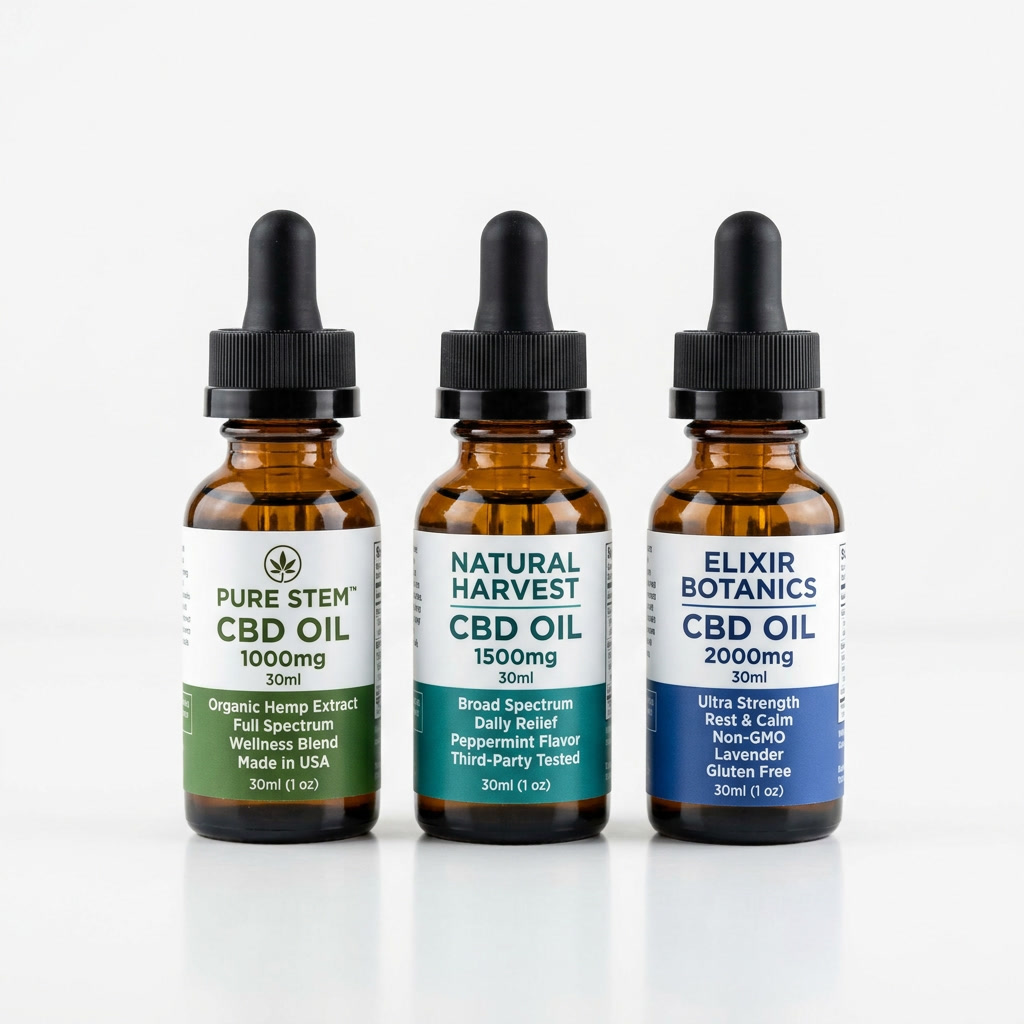
For product selection, CBD oils and tinctures give you the most control over dose, while CBD capsules and softgels offer a consistent, measured serving.
The Bottom Line
The 2023–2026 research genuinely advances our understanding of how CBD touches lipid metabolism — through the endocannabinoid system, intestinal fat absorption, and liver pathways like AMPK. It has not, however, delivered a definitive human trial proving that CBD reliably lowers cholesterol in the general public, nor any evidence that it reduces cardiovascular events. The science is real, mechanistic, and promising; the marketing has simply run far ahead of it.
If your goal is better cholesterol and heart health, treat CBD as a possible supporting player — not the headliner. Talk to your doctor, especially if you're on a statin, start with a sensible dose, and judge the result by your lab work. For a deeper look at how CBD interacts with related metabolic territory, our blood sugar and metabolic health piece covers the adjacent ground.
Find Your Perfect CBD Product
Take our 2-minute quiz to get personalized recommendations based on your needs.
Take the Quiz →Disclaimer: This article is for informational purposes only and does not constitute medical advice. CBD products are not FDA-approved to treat, cure, or prevent any disease. Always consult with a qualified healthcare professional before starting any new supplement, especially if you have a medical condition or take medications.