Is Your CBD Making You Sick? The Cannabinoid Hyperemesis Question

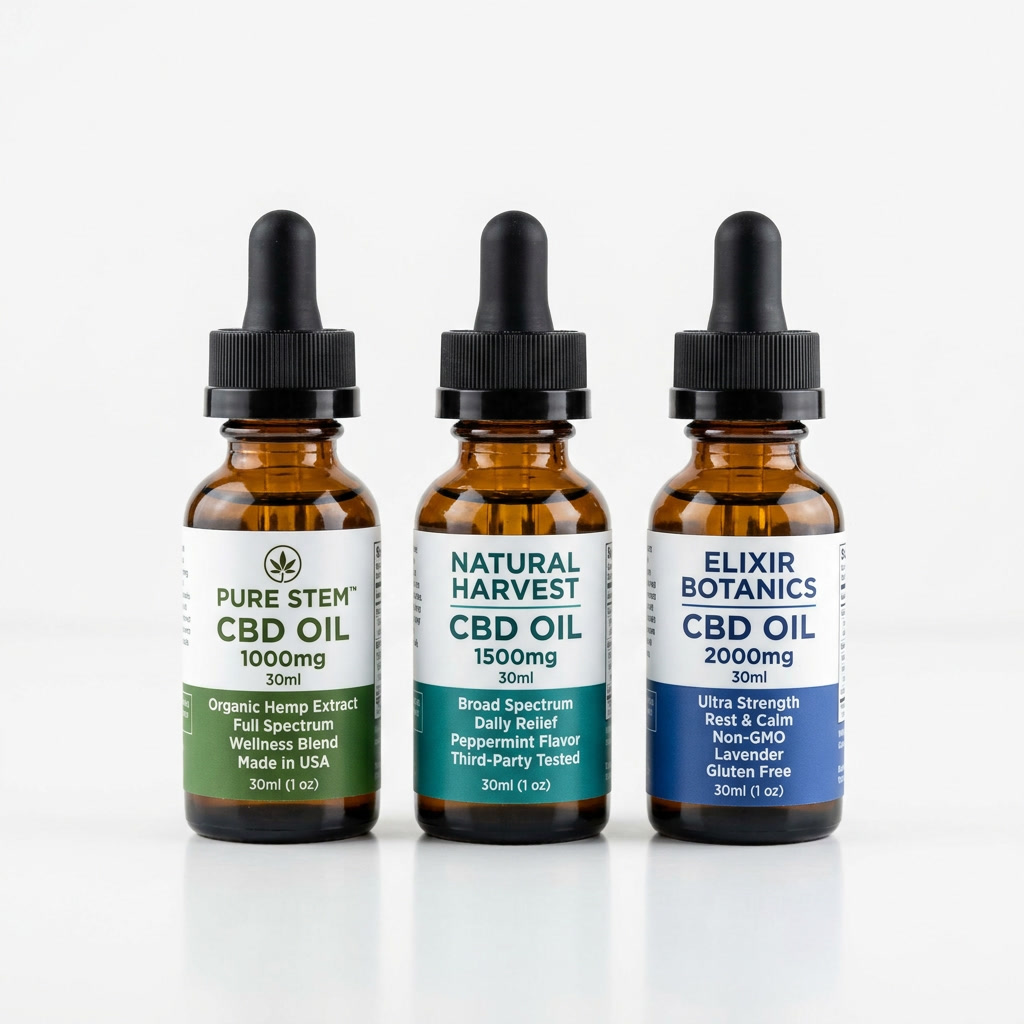
You started taking CBD for anxiety, or for a bad back, and after a few months you are vomiting every morning. You have been to your doctor. You have had blood tests, an endoscopy, and a scan. Everything came back normal. Nobody asked about the dropper on your kitchen counter.
That gap between what you are taking and what anyone has asked you about has a name. It is called cannabinoid hyperemesis syndrome, and it is the most under-diagnosed thing in this entire subject.
What Cannabinoid Hyperemesis Actually Is
Cannabinoid hyperemesis syndrome, usually shortened to CHS, is a pattern of repeated episodes of severe nausea and vomiting in people who use cannabinoids heavily and over a long period. Most reported cases involve high-THC cannabis, and a growing number involve CBD. It was described in the medical literature two decades ago and has been reported with increasing frequency since, as CBD products moved from specialist shops into supermarkets.
The distinguishing feature of the syndrome, whether the trigger was THC or a CBD product, is not the vomiting. It is the behaviour around it. People in an episode take very hot showers, sometimes several a day, sometimes for hours. The heat appears to relieve the nausea, briefly. That compulsion is so consistent that clinicians use it as a diagnostic clue.
The other distinguishing feature is the resolution. Stop the cannabinoids and the episodes stop. Start again, and they return, often worse.
Why This Belongs in a CBD Conversation
It is reasonable to assume that a CBD product, bought for anxiety or for a bad back, is not the cause of a vomiting illness. The research does not let that assumption stand unexamined.
Most CHS reporting involves high-THC cannabis rather than CBD, and that is where the strongest evidence points. It is tempting to read that as "a THC problem, not a CBD problem" and move on.
The literature does not fully support that comfort. There are published case reports of CHS in people using CBD products, including at least two documented in 2023 and 2025. A 2025 case report in the Journal of Addiction Medicine described CHS presumed secondary to CBD use. A 2023 report in JPGN Reports described a rare case secondary to cannabidiol.
Case reports are the weakest form of evidence. They cannot establish frequency or mechanism. But they establish that the phenomenon is not confined to THC, and that matters for anyone taking a daily CBD oil and feeling progressively unwell.
The 2023 Onward Research
A 2026 study in Clinical Toxicology examined serum cannabinoid profiles in emergency department patients. This is important because it moves the conversation from self-report to measurement, and self-report in this area is unreliable for the usual reasons.
A 2026 review in Toxicology Reports covered the toxicity and health effects of delta-8, delta-9 and delta-10 THC. The unregulated market matters here, because a product labelled CBD may contain cannabinoids the label does not mention, and the vomiting does not care what the bottle said.
A 2025 review in the Cureus described CHS as a rising complication. A 2025 review in the European Archives of Psychiatry and Clinical Neuroscience covered cannabis and cannabinoid health risks broadly. The wider safety picture is in our CBD safety guide.
A 2023 paper in Clinical Gastroenterology and Hepatology reviewed cannabinoids and the gastrointestinal tract, which is the mechanistic home of this syndrome. Our gut microbiome guide covers the friendly side of that relationship.
A 2023 article in Gastroenterology Nursing compared cyclic vomiting syndrome with cannabis hyperemesis syndrome. That comparison is clinically essential, because the two look nearly identical and one of them is treated by stopping a product the patient believes is helping them.
The Diagnoses That Get Missed
CHS is routinely mistaken for several other things, and the mistake runs in both directions.
Cyclic vomiting syndrome looks similar and has different management. Gastroparesis was the diagnosis in a case series that turned out to be CHS, and our nausea guide explains why that symptom is so often misattributed. Anxiety-driven nausea gets treated with more CBD, which makes it worse. And ordinary reflux gets blamed for months of morning vomiting that has a different cause entirely. Taking CBD with or without food also changes absorption, which matters when you are trying to work out what triggered an episode, as our empty stomach guide sets out.
The trap is that CBD genuinely helps some people's anxiety, so the product feels like it is working on one axis while quietly causing a problem on another.
Why People Do Not Connect the Two
The delay is the point. CHS typically develops after months or years of use, not days. Nobody connects a symptom that began in March to a bottle they opened last autumn.
There is also a credibility problem. Patients who use cannabinoids sometimes avoid mentioning it, and clinicians under pressure miss the question. A 2026 paper in Clinical Toxicology measuring serum profiles exists partly because asking was not producing reliable answers.
And there is the shower behaviour, which people are often embarrassed to describe. It is not a quirk. It is a clinical sign, and describing it shortens the diagnostic path considerably.
What the Evidence Does Not Show
- It does not show how common CBD-predominant CHS is. The case reports establish that it happens, not how often.
- It does not show a threshold dose or duration. There is no established safe amount below which this cannot occur.
- It does not show that full-spectrum products are riskier than isolates, though that is a reasonable hypothesis given the entourage of cannabinoids involved.
- It does not show that topical or occasional use carries the same risk. The reported pattern is chronic, heavy, systemic use.
- It does not show that CBD is the sole cause in most cases. In many reports other cannabinoids were also present, sometimes from products that did not disclose them.
If This Sounds Familiar
The practical sequence, drawn from the clinical literature:
Stop the CBD and any other cannabinoid products completely, and keep a symptom diary for a few weeks. This is the diagnostic test as well as the treatment. Episodes that stop and stay stopped after cessation are the strongest evidence available.
Tell your doctor you use CBD, the dose, and the frequency, and mention the hot showers specifically. That single detail changes the differential.
Do not use more CBD to treat the nausea. That is the direction that makes CHS worse, and it is the most common mistake in the reported cases.
If you have uncontrolled vomiting, cannot keep fluids down, or have abdominal pain with a fever, that is emergency care. Dehydration from persistent vomiting is dangerous and is not a supplement problem.
Be sceptical of product labels while you are at it. Our liver safety guide shows how much of the interaction risk comes from not knowing the actual content. A 2026 toxicology review on delta-8 and delta-10 cannabinoids exists because unregulated products frequently contain cannabinoids they do not declare, and you cannot stop a substance you do not know you are taking.
The Uncomfortable Part
This topic is awkward because it attacks the premise of the whole shelf. Most CBD content assumes the product is neutral at worst. CHS is the clearest documented case where a cannabinoid product causes a serious syndrome rather than failing to help.
That does not make CBD dangerous for most people at normal doses. The reported pattern involves chronic, heavy use, often with other cannabinoids present.
It does make "natural, therefore harmless" a bad argument, and it makes nausea a symptom worth taking seriously rather than doubling the dose.
The Three Phases, and Why They Fool People
Clinicians describe cannabinoid hyperemesis in three phases, and understanding them explains why the diagnosis is so often delayed.
The prodromal phase comes first. Morning nausea, vague abdominal discomfort, a sense that something is off. It can last months. There is no vomiting yet, so nobody goes to a doctor, and the person keeps using because the product still seems to be helping whatever they started it for.
The hyperemetic phase is what brings people to emergency departments. Repeated episodes of severe vomiting, sometimes lasting hours, often with abdominal pain. Between episodes the person may be completely well, which is precisely what makes the pattern hard to see.
The recovery phase begins when the cannabinoids stop. Symptoms settle over days to weeks. Some people report that the nausea resolves fully, and that they feel better than they have in years, which is a striking thing to hear from someone who believed they were treating themselves.
The trap is that the prodromal phase overlaps with the reason they started taking CBD in the first place. If you began for anxiety, and anxiety causes nausea, the early symptoms are easy to attribute to the original problem rather than to the treatment.
Why the Shower Is a Medical Sign
Compulsive hot showering looks like a behavioural quirk. It is treated in the literature as a diagnostic feature, and for good reason: it is unusually specific.
The mechanism is thought to involve thermoregulation and the endocannabinoid system's role in the hypothalamus. Cannabinoids affect body temperature regulation, and the syndrome appears to involve a disturbance in that system that external heat temporarily relieves.
Practically, this means the shower behaviour is not a sign of distress or obsession in the psychiatric sense. It is a physiological response to a physiological problem, and describing it plainly to a clinician shortens the path to the right diagnosis.
It also means that if you or someone you know has been taking multiple hot showers a day for weeks with no explanation, and no one has asked about cannabinoid use, that question is worth raising.
Why It Gets Missed So Often
Several things line up badly.
Cannabis use is under-reported to clinicians for reasons that are understandable and well documented. The 2026 Clinical Toxicology study measuring serum cannabinoid profiles in emergency patients exists precisely because asking was not producing reliable answers.
Symptoms between episodes are often absent entirely, so a single consultation can look like an unexplained one-off.
The vomiting responds to standard anti-emetics inconsistently, which pushes clinicians toward a functional or psychological explanation.
And the timeline defeats pattern recognition. Someone who started a CBD oil in the spring and is vomiting in the autumn will rarely connect the two, and will often say so confidently when asked.
The result is a mean time to diagnosis measured in years in some reported series, and a substantial number of people who have undergone endoscopy, imaging and extensive bloodwork before anyone asked about the dropper.
What the Evidence Does Not Show
The gaps here are as important as the findings.
It does not show incidence. Nobody knows how common CBD-predominant CHS is, because there is no surveillance system and the case reports describe the cases that reached a specialist.
It does not show a dose threshold. There is no established CBD dose or duration below which this cannot happen, and the case reports do not establish a safe lower bound.
It does not show that CBD is the sole culprit in most presentations. Many reported cases involved multiple cannabinoids, and in some the product was later found to contain THC that the label did not mention.
It does not show the mechanism. The thermoregulatory hypothesis is plausible and not proven. The leading theories involve the endocannabinoid system's effect on the hypothalamus and on gastric motility, and neither has been confirmed in humans.
It does not show that everyone who uses heavily will develop it. Most do not. What the literature cannot tell you is which person will.
Comparing With Cyclic Vomiting Syndrome
The 2023 comparison in Gastroenterology Nursing is clinically important because cyclic vomiting syndrome and cannabinoid hyperemesis syndrome are near-indistinguishable at first glance.
Both produce recurrent episodes of severe vomiting with well periods in between. Both can present with abdominal pain. Both respond poorly to routine anti-emetics.
The difference that matters is the history and the resolution. Cyclic vomiting syndrome continues when cannabinoids stop. Cannabinoid hyperemesis resolves when they do.
That makes cessation both the diagnostic test and the treatment, which is unusual in medicine and also the reason the diagnosis is often confirmed retrospectively rather than prospectively.
There is also a real possibility of both conditions coexisting, which complicates the picture further and is one reason specialist input matters when the pattern is unclear.
Practical Guidance If You Suspect This
Work through the sequence in order, and do not skip the first step.
Stop all cannabinoid products for at least four weeks. Vaping, oils, edibles, topicals with systemic absorption, and anything you were told was CBD but cannot verify. This is uncomfortable advice and it is the only way to find out.
Keep a dated diary. Note episodes, duration, showering, fluids kept down, and anything else that might explain a flare. A pattern across weeks is far more useful to a clinician than a memory of one bad night.
Mention the showers explicitly. Do not wait to be asked. Compulsive hot bathing is the single most useful thing you can report.
Ask about the alternatives. Cyclic vomiting, gastroparesis, and several metabolic causes all need excluding, and the workup is not wasted even if the answer turns out to be cannabinoid-related.
Get urgent help for red flags. Uncontrolled vomiting, inability to keep fluids down, abdominal pain with fever, or signs of dehydration are emergency presentations. None of that is a supplement question.
Be careful with re-challenge. Some people test the diagnosis by starting again. The reported cases show that symptoms typically return, often faster and more severely, and that is a genuinely avoidable experience.
The Wider Point About Natural
This syndrome is the clearest documented instance in the whole cannabinoid field of a product causing serious harm rather than merely failing to help. That is why it belongs in any honest account of CBD.
It does not follow that CBD is dangerous for most people at ordinary doses of a verified product. The reported pattern involves chronic, heavy systemic use, often alongside other cannabinoids, often from unregulated products.
What does follow is that natural is not a safety claim. The dose, the duration, the product, and the person all matter, and none of that is captured by the word.
Bottom Line
Cannabinoid hyperemesis syndrome is real, is frequently missed, and has been reported with CBD products rather than only with THC. The diagnostic clues are compulsive hot showering and resolution on cessation. The common mistake is taking more to treat the nausea.
If you have been vomiting for weeks without a clear cause and nobody has asked what is in the dropper, that question is the place to start.
Bottom Line
Cannabinoid hyperemesis syndrome is real, is under-recognised, and has been reported with CBD products, not only with THC. The diagnostic clue is compulsive hot showering. The diagnostic test is stopping. The mistake is taking more.
If you have been vomiting for weeks with no explanation, tell your doctor what is in the dropper.
Find Your Perfect CBD Product
Take our 2-minute quiz to get personalized recommendations based on your needs.
Take the Quiz →Disclaimer: This article is for informational purposes only and does not constitute medical advice. CBD products are not FDA-approved to treat, cure, or prevent any disease. Always consult with a qualified healthcare professional before starting any new supplement, especially if you have a medical condition or take medications.