Can CBD Help Your Bones? A Practical Look at Bone Health & Osteoporosis
The Conversation Nobody Wants to Have
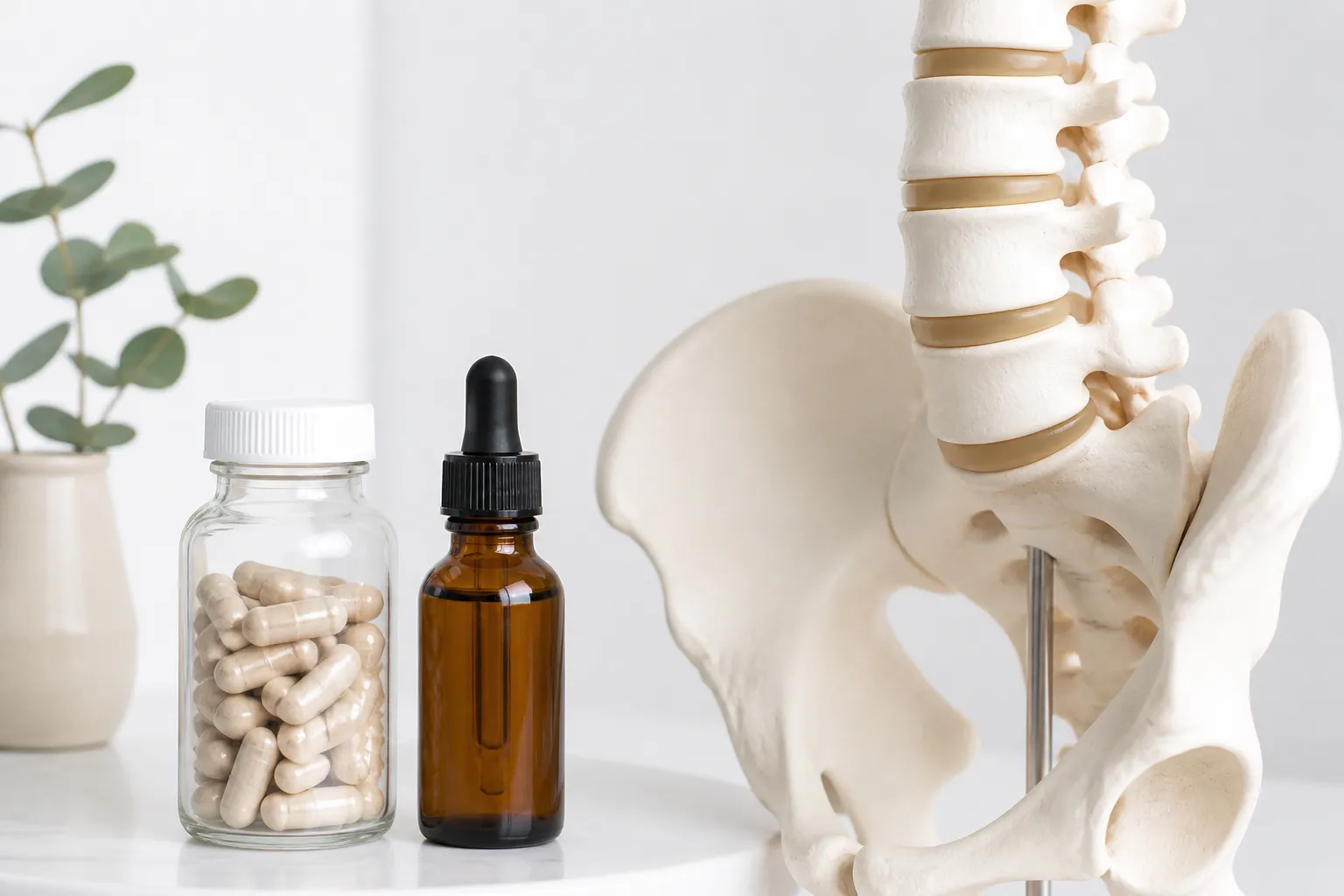
You're 57, you just had a routine DEXA scan, and the word nobody wants to hear came back: osteopenia. Or maybe it's your mother — small, proud, never misses a step — who just got diagnosed with osteoporosis after a compression fracture in her spine. Now the kitchen table conversation shifts from the grandkids to calcium, vitamin D, "weight-bearing exercise," and a prescription bisphosphonate. And somewhere in that swirl of worry, a question surfaces: could CBD help?
It's a fair question. Bone loss is scary because it's silent — it doesn't hurt until a hip or wrist gives way. And you want every tool available. But CBD is surrounded by hype on one side and dismissal on the other. The truth is more nuanced, and it's worth understanding before you spend a dime.
Here's what we'll cover: what osteoporosis actually is, how the endocannabinoid system talks to your bone cells, what recent research really shows, CBD's role in inflammation and pain, and — critically — where CBD doesn't fit. By the end, you'll know whether CBD belongs in your bone-health plan, and how to approach it with honest expectations.
What Osteoporosis Really Is
Your skeleton isn't a static scaffold. It's living tissue that constantly remodels itself — old bone broken down, new bone laid down. Two cell types run this process:
- Osteoclasts break down old bone (resorption)
- Osteoblasts build new bone (formation)
In a healthy younger body, these two stay in balance. Your skeleton replaces itself about every decade. But around midlife, the scales start to tip. After menopause, falling estrogen shifts the balance toward more resorption than formation, and bone density slowly drains away.
Osteoporosis means that breakdown has outpaced rebuild for years — bones become porous, less dense, and more fragile. Osteopenia is the earlier warning stage. The numbers matter:
- Bone density peaks around age 30, then declines
- 1 in 3 women over 50 will experience an osteoporotic fracture
- 1 in 5 men over 50 will too
The endocannabinoid system (ECS) — a signaling network found throughout the body — appears to sit right at the controls of this remodeling process. That's where CBD's bone connection begins.
The Endocannabinoid System and Your Bones
Here's the part that surprises most people: your bone cells actually carry receptors for the endocannabinoid system. Both major receptor types are expressed in bone tissue.
- CB1 receptors are found on bone cells and also nerve endings in bone
- CB2 receptors are the standout — expressed on osteoblasts, osteoclasts, and osteocytes
When these receptors get activated, they appear to influence how bone builds and breaks down. This is why researchers have spent the last decade asking whether modulating the ECS could protect bone. A 2025 review in Biomedicines surveying the cannabinoid pharmacology of bone healing found that CB2 signaling was consistently osteogenic — meaning it promoted bone formation — while CB2-deficient mice developed high-turnover osteoporosis. It's a promising thread, though almost all of it comes from animal and lab studies so far.
The key distinction to understand: CB2 is considered the "bone-friendly" target, and CBD happens to interact with it (though CBD's affinity is modest compared to dedicated CB2 agonists). THC, the psychoactive cannabinoid, works differently — and that distinction matters, as we'll see.
What the Research Actually Shows
Here's where honesty is essential. The CBD-for-bone story is genuinely mixed, and any source that tells you "studies prove CBD rebuilds bones" is overselling it. Let me walk you through the most relevant recent findings.
The Promising Side
Some animal research has shown real bone-protective signals. A *2024 study in Calcified Tissue International* treated ovariectomized rats (a standard model of postmenopausal bone loss) with CBD and found it improved bone mineral density in the lumbar vertebrae** and improved bone volume in the femoral neck — the hip region. The authors reported measurable improvements in mechanical properties of the bone.
Work on the CB2 receptor itself keeps reinforcing the same theme. A *2026 study in Phytotherapy Research* showed that a potent CB2 agonist alleviated bone loss in ovariectomized mice through dual regulation of osteoblast and osteoclast function. And a 2025 paper in Phytomedicine** tied CB2R and estrogen-receptor activation to prevention of postmenopausal osteoporosis by inhibiting osteoclast activity. The consistent thread: activating CB2 leans the remodeling balance toward bone preservation.
The Honest Counterweight
But not every study cooperates. A *2026 study in JBMR Plus* gave CBD long-term (12 weeks) to skeletally mature ovariectomized rats and found it did not restore the bone microstructural defects** caused by estrogen loss. Trabecular bone mass declined similarly whether or not the animals got CBD. That's a sobering result, and it's exactly why you shouldn't treat CBD as a proven bone drug.
> "While endocannabinoids and phytocannabinoids bind to receptors in bone cells, direct evidence of CBD's bone-protective effects is lacking."
> — JBMR Plus (2026), long-term CBD study in ovariectomized rats
There's also a cautionary note about THC. A *2026 study in Biomedicines* found that chronic THC inhalation following osteoporosis resulted in bone deficits in rodents — the opposite of protection. If you're considering cannabis products for bone health, this matters: CBD and THC are not interchangeable**, and the psychoactive route may not be bone-friendly at all.
CBD's Anti-Inflammatory Role
Even if the direct bone-building evidence is mixed, CBD has a well-documented role in the inflammation that often accompanies bone and joint problems. Bone loss and joint discomfort frequently travel together, and chronic low-grade inflammation is increasingly recognized as a driver of bone resorption.
CBD interacts with the ECS and related inflammatory signaling in ways that appear to dampen inflammation — this is one of the most consistently reported effects across research. For someone with osteoporotic-related joint achiness, or recovering from a fracture, reducing inflammatory load may support overall musculoskeletal comfort.
The honest framing: CBD's anti-inflammatory properties are better supported than its direct bone-building claims. And in the context of bone health, less inflammation can mean less discomfort — which we'll turn to next.
CBD for Fracture and Osteoporosis-Related Pain
Osteoporosis itself is usually painless — that's the trap. But its consequences aren't. Fractures, especially compression fractures in the spine, can cause significant, lingering pain. And many people with bone loss also live with osteoarthritis or general joint aches.
CBD's most widely researched benefit is pain management. Human trials on CBD for chronic pain have produced mixed but encouraging results, with some studies showing meaningful relief and others showing modest or placebo-level effects. The quality of evidence is improving, but it's not yet conclusive for bone-specific pain.
Where CBD may help:
- Fracture recovery discomfort — a complementary tool alongside pain medication
- General joint and back aches that come with aging
- Sleep disruption from pain, which is common with chronic discomfort
The realistic expectation: CBD is more likely to take the edge off than to eliminate pain. Treat it as a complement, not a replacement.
Important Limitations You Need to Know
This is the section that separates honest advice from hype. CBD is not a substitute for the fundamentals of bone health, and it won't fix the underlying bone loss on its own.
CBD does not replace:
- Calcium and vitamin D — your body needs these raw materials to build bone
- Weight-bearing and resistance exercise — mechanical loading is what actually triggers bone formation
- Prescribed osteoporosis medications — bisphosphonates and related drugs are proven to reduce fracture risk; CBD is not
If your doctor has prescribed a bone medication, keep taking it. Use CBD — if at all — as an additional support, and always tell your doctor you're using it.
Who should be cautious:
- People on blood thinners (like warfarin) — CBD can interact
- People on antidepressants, seizure medications, or certain heart meds — CBD affects liver enzymes that process many drugs
- People with liver conditions — CBD is metabolized by the liver
- Pregnant or breastfeeding women — evidence is insufficient
Always check with your pharmacist or doctor before adding CBD, especially if you take any regular prescription.
Realistic Expectations
Let me give you a clear, grounded picture of what CBD can and can't do for your bones:
What CBD might realistically do:
- Support comfort and reduce inflammatory-related achiness
- Help you manage pain-related sleep disruption
- Contribute to an overall sense of ease while you do the real work of bone health
What CBD almost certainly won't do:
- Rebuild lost bone density on its own
- Replace calcium, vitamin D, or exercise
- Substitute for a prescribed osteoporosis medication
- Reverse years of bone loss overnight
Think of CBD as a supportive player on a team — not the star. The stars are nutrition, movement, and (when prescribed) medication. CBD can support the comfort and quality-of-life side while you focus on those.
Action Steps: If You Want to Try CBD for Bone Health
If you've talked to your doctor and decided CBD is safe for you, here's a sensible, low-risk approach:
1. Confirm safety first. Tell your doctor and pharmacist about any medications you take. Get the green light before starting.
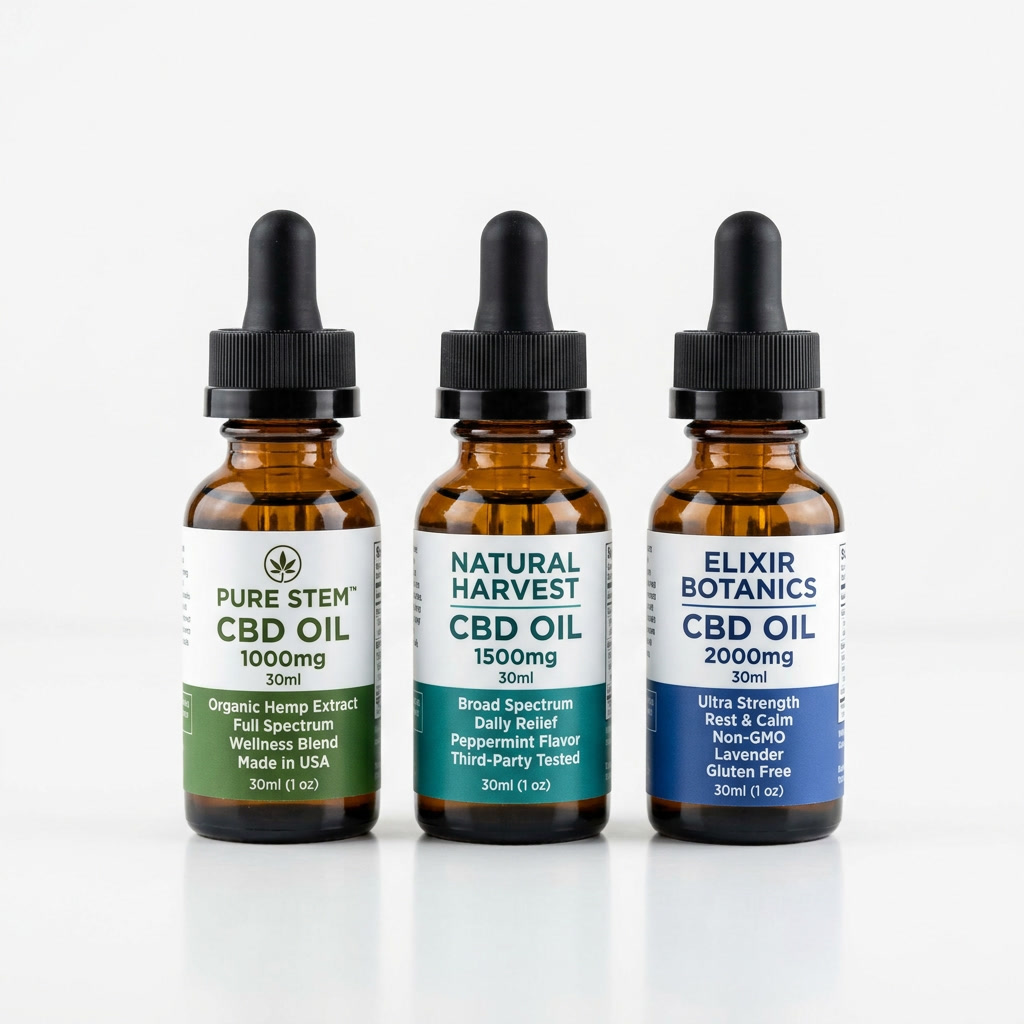
2. Choose the right product. Look for third-party lab-tested CBD oils or capsules with a clear milligram dose per serving. Start with our CBD oils and tinctures or CBD capsules for consistent dosing.
3. Start low and go slow. Begin with 10-20mg once daily. Track how you feel for 5-7 days before adjusting.
4. Keep a simple journal. Note dose, timing, sleep, and pain levels. You'll spot patterns within two weeks.
5. Don't expect a bone fix. Let CBD support comfort while you stay consistent with calcium, vitamin D, and exercise. That combination is the real strategy.
6. Reassess honestly. If you don't notice meaningful comfort benefits within 4-6 weeks, CBD may not be worth the cost for your situation.
Bottom Line
CBD's connection to bone health is scientifically interesting but not yet proven. The endocannabinoid system does help regulate bone remodeling, and research — mostly in animals — suggests CB2 signaling and, in some studies, CBD itself may support bone density. But recent studies have also failed to show CBD restoring lost bone, and THC appears potentially harmful. The honest takeaway: CBD is a promising support for inflammation and pain-related comfort, not a proven treatment for osteoporosis. For anyone past 50, the priority order is clear — calcium and vitamin D, weight-bearing exercise, and prescribed medication when your doctor recommends it. CBD can be a thoughtful complement for comfort and quality of life, if it's safe for you. Start with our CBD oils and tinctures or CBD capsules, and for more context, our guide to CBD for seniors and our deep dive into CBD and inflammation are great next reads.
Find Your Perfect CBD Product
Take our 2-minute quiz to get personalized recommendations based on your needs.
Take the Quiz →Disclaimer: This article is for informational purposes only and does not constitute medical advice. CBD products are not FDA-approved to treat, cure, or prevent any disease. Always consult with a qualified healthcare professional before starting any new supplement, especially if you have a medical condition or take medications.