5 Signs You're Buying Fake CBD: How to Spot Scams
The Problem with Fake CBD
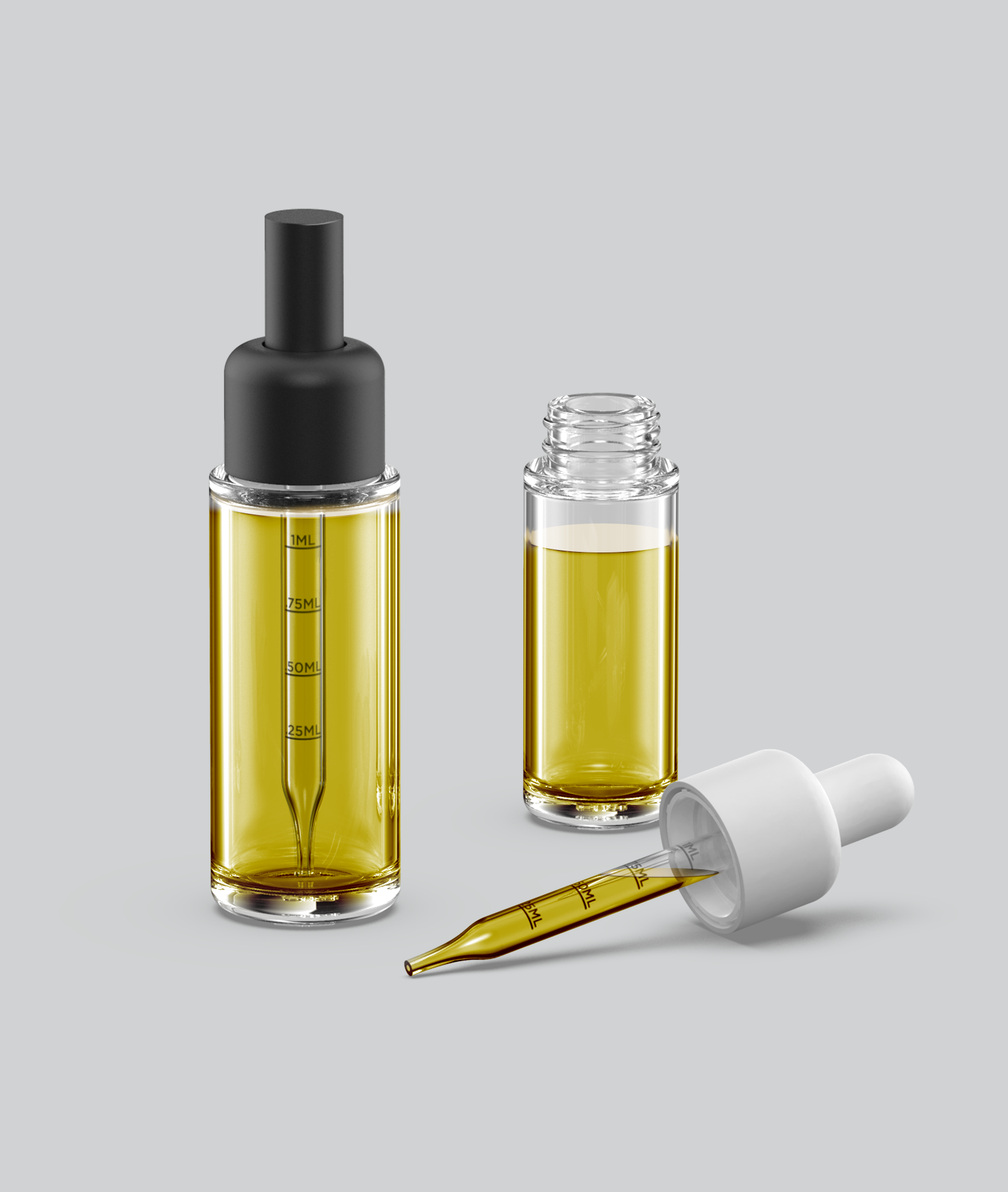
The CBD industry has grown rapidly, and unfortunately, so have low-quality and fake products. Studies have found that many CBD products contain significantly less CBD than advertised - or no CBD at all.
Red Flag #1: No Third-Party Lab Testing
This is the biggest warning sign. Reputable CBD companies always provide:
- Certificate of Analysis (COA) for each batch
- Testing by an independent, accredited laboratory
- Easy access to results (QR code, website)
What to do: If you can't find lab results, don't buy the product. Period.
Red Flag #2: Unrealistic Health Claims
Watch out for products that claim to:
- Cure diseases
- Treat specific medical conditions
- Work miracles
- Be FDA approved (CBD isn't FDA approved for most uses)
The truth: CBD may support wellness, but it's not a miracle cure. Companies making medical claims are violating FDA regulations and likely aren't trustworthy.
Red Flag #3: Suspiciously Low Prices
Quality CBD is expensive to produce. If a price seems too good to be true, it probably is.
Typical fair prices:
- CBD oils: $0.05-0.15 per mg of CBD
- CBD gummies: $0.05-0.10 per mg
Warning signs:
- Prices significantly below industry average
- Buy one get five free offers
- 90% off sales
The reality: Cheap CBD often means:
- Less CBD than advertised
- Hemp seed oil sold as CBD (contains no CBD)
- Contaminated products
- Synthetic cannabinoids
Red Flag #4: Vague or Missing Information
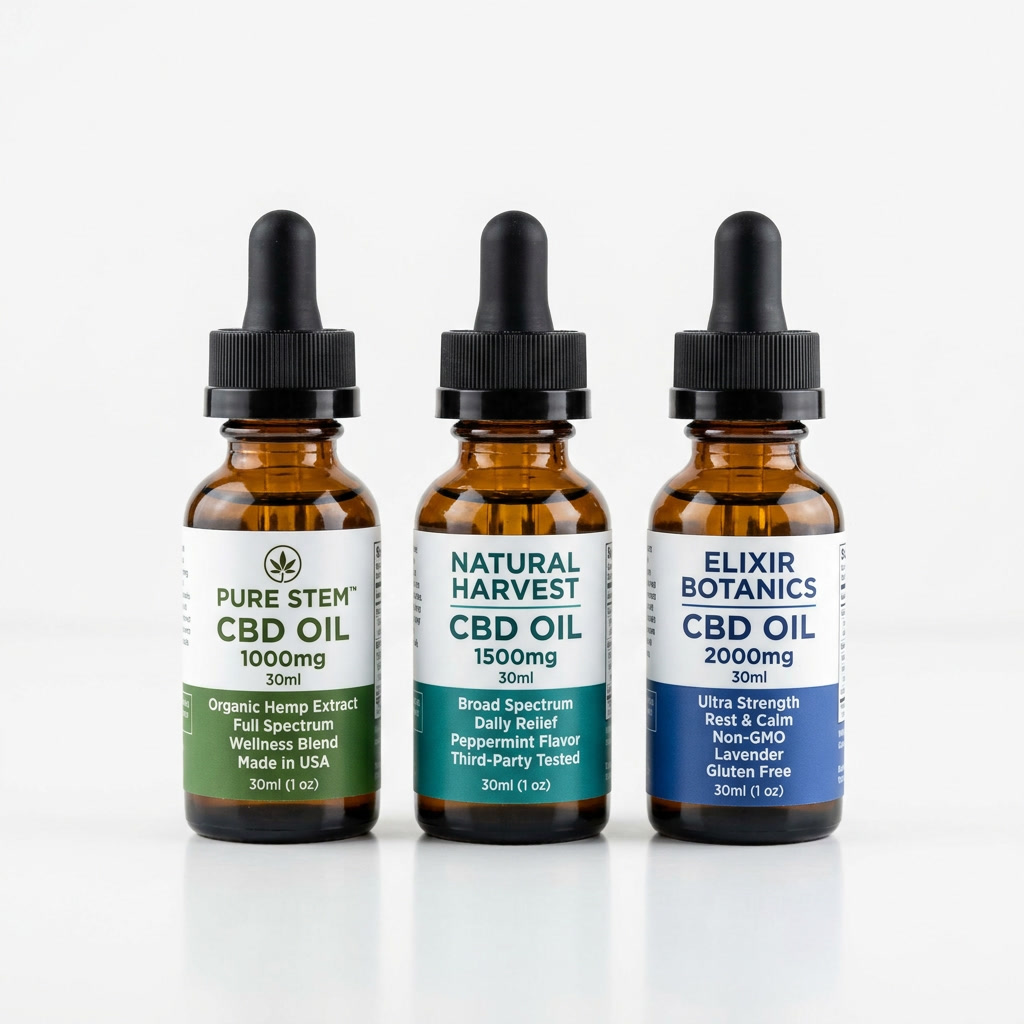
Legitimate CBD products clearly display:
- Total CBD content (in mg)
- Type of CBD (full spectrum, broad spectrum, isolate)
- Ingredients list
- Hemp source
- Batch/lot number
- Company contact information
Watch out for:
- 'Hemp oil' without specifying CBD content
- Missing concentration information
- No way to contact the company
- No physical address
Red Flag #5: Unknown or Shady Brands
Be cautious of:
- Brands you've never heard of with no reviews
- Companies with no online presence
- Products sold only through social media ads
- Brands that won't answer questions
What legitimate brands have:
- Professional website with detailed information
- Customer reviews on multiple platforms
- Responsive customer service
- Clear return policy
- Industry certifications
How to Protect Yourself
Research Before Buying
- Look up the brand online
- Read customer reviews (on multiple sites)
- Check for any regulatory warnings
- Verify lab testing claims
Verify Lab Results
- Match the batch number on your product to the COA
- Check that the lab is accredited
- Verify CBD content matches the label
- Look for complete testing (cannabinoids AND contaminants)
Buy from Reputable Sources
- Established brands with track records
- Licensed dispensaries
- Trusted online retailers
- Direct from manufacturer websites
Trust Your Instincts
If something feels off about a product or company, trust that instinct and look elsewhere.
What If You've Bought Fake CBD?
1. Stop using the product
2. Document your purchase (receipt, photos)
3. Report to the FTC if it's a scam
4. Leave honest reviews to warn others
5. Request a refund
Find Verified, Quality CBD
At Cannetics, we only recommend products that have passed our rigorous quality checks. Take our CBD Product Finder Quiz to discover trusted, lab-verified products!
Find Your Perfect CBD Product
Take our 2-minute quiz to get personalized recommendations based on your needs.
Take the Quiz →Disclaimer: This article is for informational purposes only and does not constitute medical advice. CBD products are not FDA-approved to treat, cure, or prevent any disease. Always consult with a qualified healthcare professional before starting any new supplement, especially if you have a medical condition or take medications.