CBD for Shingles and Postherpetic Pain: What the 2025 Research Shows
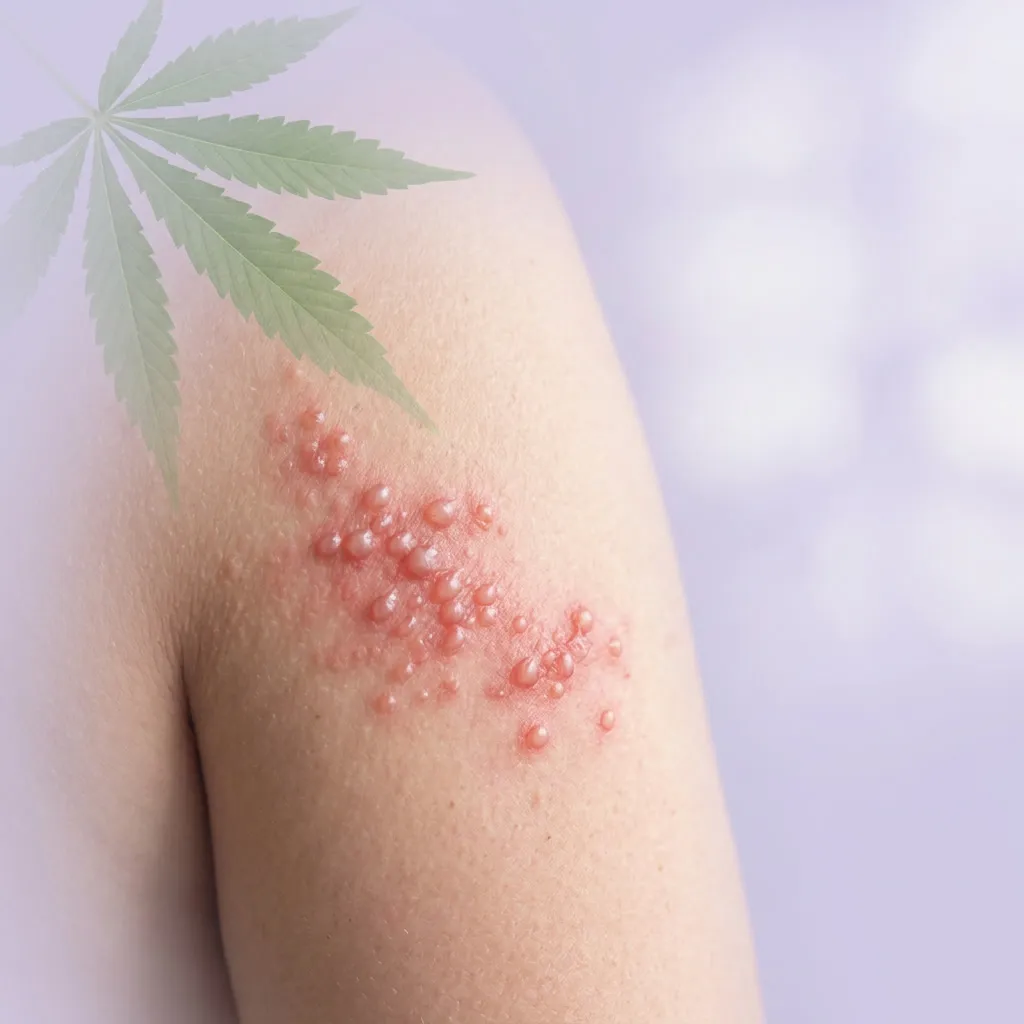
The rash appears first — a band of red, blistered skin that wraps around your torso or face like a warning. Then comes the pain: burning, stabbing, electric. For many people, the rash fades within a few weeks, but the pain doesn't. It lingers for months or even years, long after the skin has healed. That's postherpetic neuralgia, the most feared complication of shingles, and it's one of the hardest types of nerve pain to treat.
If you or someone you love is living with shingles-related nerve pain, you've probably wondered whether CBD could help. It's a fair question. CBD has become a go-to for people seeking relief from chronic pain, and nerve pain is one of the most common reasons people try it. But here's the honest picture up front: CBD is not a cure for shingles, and it's not a replacement for the antiviral or pain medication your doctor prescribes. What the 2023–2026 research shows is more nuanced — and genuinely worth understanding.
In this guide, we'll walk through what shingles and postherpetic neuralgia actually are, why people turn to CBD for nerve pain, what a 2025 paper on CBD and postherpetic pain found, the broader evidence on CBD for neuropathic pain, the honest limitations, and how to think about using CBD responsibly. We'll also cover the most important point of all: when shingles needs prompt medical care.
What Shingles and Postherpetic Neuralgia Actually Are
Shingles, medically known as herpes zoster, is caused by the varicella-zoster virus — the same virus that causes chickenpox. After you recover from chickenpox, the virus doesn't leave your body. It goes dormant in nerve tissue near your spinal cord and brain, where it can stay inactive for decades. Later in life, often when the immune system weakens with age or stress, the virus can reactivate and travel along a nerve to the skin, producing the characteristic painful rash.
The rash usually appears as a stripe or band on one side of the body — most commonly the torso, but it can also affect the face, eyes, and other areas. Before the rash even appears, many people feel burning, tingling, or shooting pain in the affected area. The rash itself typically blisters, crusts over, and heals within two to four weeks.
Postherpetic neuralgia (PHN) is the complication that follows. It's defined as nerve pain that persists for 90 days or more after the rash has healed. The pain can be constant burning, sharp stabbing, or extreme sensitivity to light touch — even the brush of clothing can trigger it. PHN is more common and more severe in older adults, and it can significantly affect sleep, mood, and quality of life.
- Burning or aching pain that persists after the rash clears
- Shooting or stabbing sensations along the affected nerve
- Allodynia — pain from a normally painless stimulus, like clothing or a breeze
- Itching or numbness in the affected area
- Sleep disruption and fatigue from ongoing discomfort
The key point: postherpetic neuralgia is neuropathic pain. It doesn't come from tissue damage in the usual sense — it comes from the nervous system itself, with damaged nerves sending faulty pain signals to the brain. That's exactly why a compound that interacts with the nervous system, like CBD, has attracted scientific interest.
Why People Try CBD for Nerve Pain
Nerve pain is notoriously difficult to treat. Standard options include anticonvulsants like gabapentin and pregabalin, antidepressants, topical lidocaine, and in severe cases, opioids. These can help, but they come with side effects — drowsiness, dizziness, weight gain, and in the case of opioids, the risk of dependence. It's no surprise that many people look for gentler, complementary options.
CBD, short for cannabidiol, is one of the most popular. It's a compound from the cannabis plant that doesn't produce the "high" associated with THC. It's widely available, generally well tolerated, and has built a reputation for helping with pain, anxiety, and sleep. For someone with shingles-related nerve pain, the appeal is understandable: a natural compound that might calm the nervous system and ease discomfort without the side effects of prescription drugs.
But the science needs to be grounded in what the evidence actually supports. CBD's effects on nerve pain are real but modest, and the research is still evolving. If you're new to how CBD works, our guide to the endocannabinoid system is a useful starting point — but for this topic, the most relevant evidence is the 2025 paper that looked directly at CBD for postherpetic pain.
The Anchor Study: CBD and CBG for Postherpetic Pain
The most directly relevant research comes from a *2025 paper in Contemporary Clinical Dentistry* that examined the use of cannabidiol (CBD) and cannabigerol (CBG)** in the treatment of trigeminal neuralgia and postherpetic pain. This is the anchor study for this topic, and it's worth understanding carefully.
The paper reviewed the potential of these two non-psychoactive cannabinoids for two related conditions: trigeminal neuralgia, a severe facial nerve pain condition, and postherpetic pain, which includes the nerve pain that follows shingles. The researchers explored how CBD and CBG interact with the endocannabinoid system and other pain pathways, and whether they might offer relief for these difficult-to-treat nerve pain conditions.
The authors' position was cautiously optimistic. They suggested that CBD and CBG show promise as adjunctive options for managing trigeminal neuralgia and postherpetic pain, particularly given the limitations of existing treatments. But — and this is critical — the paper is a review of the existing evidence, not a large clinical trial. It highlights the potential of these cannabinoids while acknowledging that more rigorous clinical research is needed before firm recommendations can be made.
> "Cannabidiol and cannabigerol show promise in the treatment of trigeminal neuralgia and postherpetic pain, though further clinical studies are warranted."
The honest takeaway: this 2025 paper is encouraging, but it's a signal, not a verdict. It points toward CBD and CBG as potentially useful tools for shingles-related nerve pain, while making clear that the evidence base is still early.
The Broader Evidence: CBD for Neuropathic Pain
The anchor study doesn't exist in a vacuum. It sits within a much larger body of research on cannabinoids and neuropathic pain — and that broader evidence helps us interpret how seriously to take the shingles-specific findings.
A *2025 systematic review in Biomolecules*** asked a direct question: are cannabis-based medicines a useful treatment for neuropathic pain? The review examined the available clinical evidence and reached a measured conclusion — cannabis-based medicines may offer some benefit for neuropathic pain, but the effects are often modest, and the quality of the evidence varies considerably across studies.
The most authoritative source on this question is the Cochrane Collaboration, which published an updated systematic review of cannabis-based medicines for chronic neuropathic pain in adults in 2026. Cochrane reviews are considered the gold standard in evidence-based medicine. The review found that cannabis-based medicines may provide meaningful pain relief for a minority of people with chronic neuropathic pain, but that many people experience no benefit, and side effects are common. The authors emphasized that the evidence is still limited and that more high-quality trials are needed.
Other recent reviews point in a similar direction. A *2025 review in Naunyn-Schmiedeberg's Archives of Pharmacology* examined pharmacological insights and clinical outcomes from recent trials of cannabinoids in neuropathic pain, and a 2025 systematic review in The Journal of Hand Surgery** looked at cannabinoids for peripheral neuropathy and neuropathic pain. Both concluded that there is some evidence of benefit, but that results are inconsistent and the field needs better-designed studies.
- Modest benefit — some people report meaningful pain relief
- Not universal — many people see little or no improvement
- Side effects — dizziness, drowsiness, and dry mouth are common
- Evidence quality — mixed, with a need for larger, longer trials
The pattern across all of this research is consistent: CBD and other cannabinoids are not a guaranteed fix for nerve pain, but they may help a meaningful subset of people, and they generally have a better safety profile than many prescription alternatives. That's a realistic — and honest — way to think about CBD for shingles-related pain.
What About Clinical Trials Specifically?
Beyond the reviews, a few randomized controlled trials (RCTs) have tested cannabis-based medicines for neuropathic pain directly, and they're worth knowing about because they represent the strongest type of evidence.
A *2023 multicenter, randomized, double-blinded, placebo-controlled trial in Pharmaceuticals* tested a cannabis-based medicine for neuropathic pain and spasticity. The trial found that the treatment was generally well tolerated and provided some benefit, though the results were not dramatic across the board. Similarly, a 2026 systematic review in the Journal of Pain & Palliative Care Pharmacotherapy** examined cannabinoids for chemotherapy-induced peripheral neuropathy — a specific and common form of nerve pain — and found limited but suggestive evidence of benefit.
What these trials share is a common theme: cannabinoids can help some people with nerve pain, but the response is variable, and the effect sizes are often modest. This is important context for anyone hoping CBD will be a miracle cure for postherpetic neuralgia. It might help — and for some people it clearly does — but it's not a guarantee, and it works best as part of a broader pain-management plan rather than a standalone solution.
The Honest Limitations of the Research
It would be easy to get carried away by the promising headlines, so let's be direct about the limitations. The evidence on CBD for shingles and postherpetic pain is genuinely early, and there are several reasons to be cautious.
First, the anchor 2025 paper is a review, not a clinical trial. It synthesizes existing evidence and points toward potential, but it doesn't prove that CBD relieves postherpetic pain in real patients. Second, most of the broader neuropathic pain research uses cannabis-based medicines that contain THC, not pure CBD — so the results don't translate perfectly to the CBD products most people buy over the counter. Third, the studies use wildly different doses, formulations, and routes of administration, which makes it hard to compare results or recommend a specific dose.
There's also the question of product quality. The CBD market is largely unregulated, and independent testing has repeatedly found that many products don't contain what their labels claim. If you're going to try CBD, product quality matters enormously — which is why it's worth understanding how to choose a quality CBD oil and what to look for in a CBD topical.
Finally, and most importantly, CBD does not treat the shingles virus itself. Shingles requires prompt medical care — antiviral medication works best when started within 72 hours of the rash appearing, and it can reduce the severity and duration of the outbreak and lower the risk of postherpetic neuralgia. CBD is not a substitute for that care.
How to Use CBD for Shingles-Related Pain
If you and your doctor decide that trying CBD is reasonable, here's a practical, responsible framework for how to approach it. This is general guidance, not medical advice — your situation is unique, and a healthcare professional should be part of the decision.
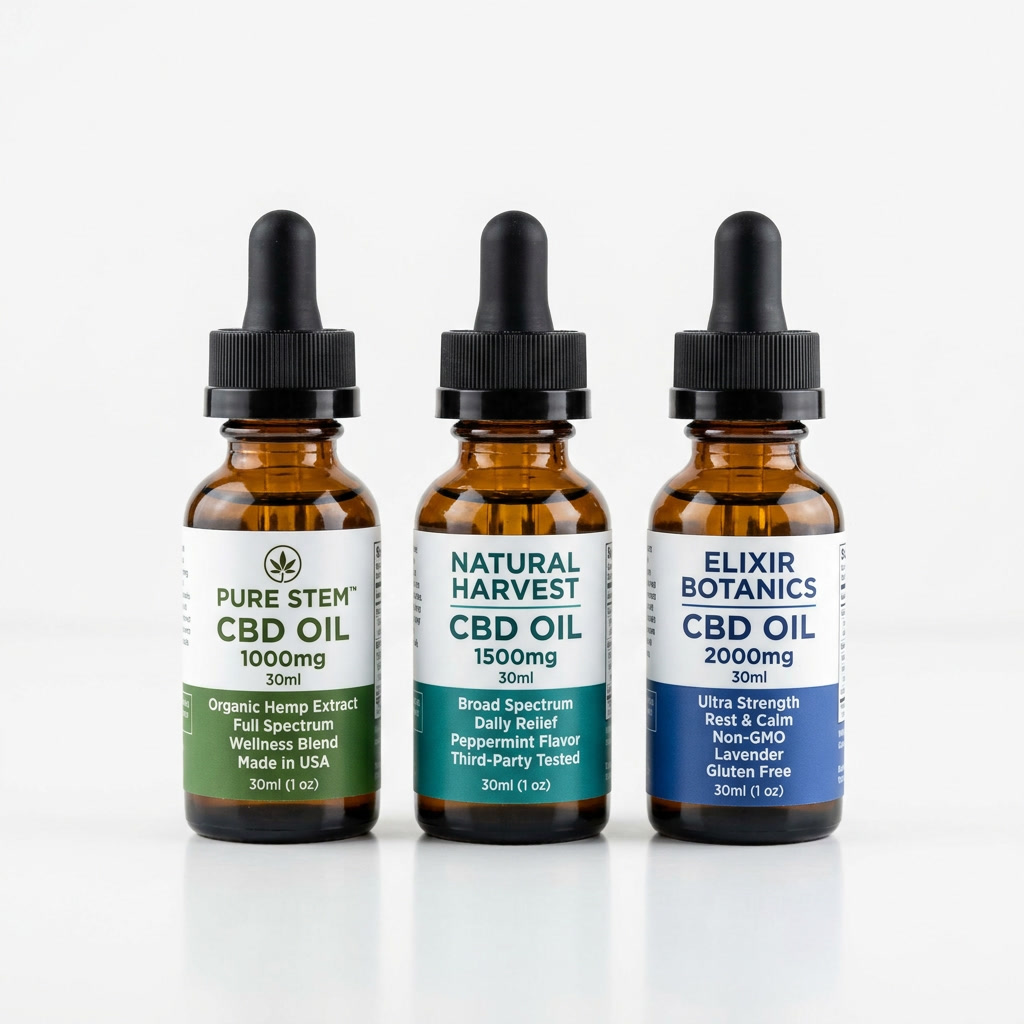
Start with the right product. For nerve pain, both oral and topical products have a role. A CBD oil or tincture taken under the tongue provides systemic effects that may help with overall pain and the anxiety that often accompanies it. A CBD topical cream applied directly to the affected area may offer localized relief, though nerve pain that's deep or widespread may respond better to an oral product.
Start low and go slow. Begin with a modest dose — typically 10–20mg of CBD per day — and track your response for a week or two before adjusting. If you don't notice an effect, you can gradually increase by 5–10mg. The goal is to find your minimum effective dose, not to take as much as possible.
Be consistent. CBD's effects on pain tend to build with regular use rather than appearing instantly. Give it a fair trial of at least two to three weeks before judging whether it works for you.
Watch for interactions. CBD can interact with certain medications, including blood thinners, some antidepressants, and seizure medications. If you take any prescription medication, talk to your doctor or pharmacist before starting CBD.
Keep a journal. Track your dose, timing, pain levels, sleep, and any side effects. You'll spot patterns within a couple of weeks, and you'll have useful information to share with your doctor.
When to See a Doctor: Shingles Needs Prompt Care
This section is the most important one in this guide, so please read it carefully. Shingles is a medical condition that requires prompt professional care — CBD is not a treatment for the infection itself.
If you suspect you have shingles — especially if you have a painful rash on one side of your body, or pain in the face or around the eye — see a doctor as soon as possible, ideally within 72 hours of the rash appearing. Antiviral medications like acyclovir, valacyclovir, and famciclovir can shorten the outbreak, reduce its severity, and lower the risk of postherpetic neuralgia. The earlier they're started, the better they work.
You should also seek urgent care if:
- The rash is on or near your eye, which can threaten vision
- You have a weakened immune system from illness or medication
- The pain is severe or the rash is widespread
- You develop a fever, confusion, or signs of a secondary skin infection
For postherpetic neuralgia specifically, a doctor can offer treatments that CBD can't match on its own — prescription nerve-pain medications, topical lidocaine, and in some cases nerve blocks or other interventions. CBD, if you choose to use it, is best thought of as a complementary tool alongside, not instead of, professional care.
Frequently Asked Questions
Can CBD cure shingles or postherpetic neuralgia?
No. CBD does not treat the varicella-zoster virus, and it's not a cure for postherpetic neuralgia. It may help some people manage nerve pain and the anxiety that often accompanies it, but it's a complementary tool, not a cure.
Is there direct evidence that CBD helps postherpetic pain?
The most relevant evidence is a 2025 review in Contemporary Clinical Dentistry that examined CBD and CBG for trigeminal neuralgia and postherpetic pain. It found the cannabinoids promising but called for more clinical research. Direct clinical trials specifically on CBD for postherpetic neuralgia are still limited.
What dose of CBD should I take for nerve pain?
There's no one-size-fits-all dose. A reasonable starting point is 10–20mg per day, increased gradually by 5–10mg if needed, with a fair trial of two to three weeks. Work with your doctor, especially if you take other medications.
Is CBD safe to use with my other medications?
CBD can interact with blood thinners, some antidepressants, and seizure medications. Always check with your doctor or pharmacist before combining CBD with prescription drugs.
Should I use a CBD oil or a topical cream for shingles pain?
It depends on the pain. A CBD oil or tincture provides systemic effects that may help with overall nerve pain and anxiety. A CBD topical applied to the affected area may offer localized relief. Many people use both.
When should I see a doctor instead of trying CBD?
Immediately, if you suspect shingles — especially within 72 hours of the rash, or if the rash is near your eye. Shingles needs prompt antiviral treatment. CBD is not a substitute for that care.
The Bottom Line
Shingles and postherpetic neuralgia are painful, and the nerve pain that lingers after the rash can be genuinely hard to treat. The 2023–2026 research on CBD for this kind of pain is cautiously encouraging: a 2025 paper in Contemporary Clinical Dentistry found CBD and CBG promising for postherpetic pain, and the broader evidence on CBD for neuropathic pain — including systematic reviews from Cochrane and others — suggests it may help a meaningful subset of people, with a generally favorable safety profile.
But the honest truth is that the evidence is still early, the effects are modest and variable, and CBD is not a replacement for medical care. If you're living with shingles-related nerve pain, the most important step is to see a doctor — especially early, when antiviral treatment can make the biggest difference. If you and your doctor decide CBD is worth trying, start low, be consistent, choose a quality product, and track your response. For more on how CBD fits into a broader approach to nerve pain, our guide to CBD for neuropathic pain is a good next read — and if you're curious about CBD in other areas of health, our guide to CBD for oral health covers another angle. CBD may not be a cure, but for some people, it's a genuinely helpful part of the picture.
Citations
- PMID 41281696 | Contemporary Clinical Dentistry | 2025 | Use of Cannabidiol and Cannabigerol in the Treatment of Trigeminal Neuralgia and Postherpetic Pain
- PMID 40563456 | Biomolecules | 2025 | Are Cannabis-Based Medicines a Useful Treatment for Neuropathic Pain? A Systematic Review
- PMID 41548880 | The Cochrane Database of Systematic Reviews | 2026 | Cannabis-based medicines for chronic neuropathic pain in adults
- PMID 41429020 | Annals of Internal Medicine | 2026 | Cannabis-Based Products for Chronic Pain: An Updated Systematic Review
- PMID 40261351 | Naunyn-Schmiedeberg's Archives of Pharmacology | 2025 | Cannabinoids in neuropathic pain treatment: pharmacological insights and clinical outcomes from recent trials
- PMID 39570218 | The Journal of Hand Surgery | 2025 | The Use of Cannabinoids in the Treatment of Peripheral Neuropathy and Neuropathic Pain: A Systematic Review
- PMID 37630995 | Pharmaceuticals (Basel) | 2023 | Cannabis-Based Medicine for Neuropathic Pain and Spasticity — A Multicenter, Randomized, Double-Blinded, Placebo-Controlled Trial
- PMID 42085369 | Journal of Pain & Palliative Care Pharmacotherapy | 2026 | Cannabinoids in the Treatment of Chemotherapy-Induced Peripheral Neuropathy: A Systematic Review of Randomized Controlled Trials
- PMID 36639601 | Pain and Therapy | 2023 | Cannabinoids as a Potential Alternative to Opioids in the Management of Various Pain Subtypes: Benefits, Limitations, and Risks
Find Your Perfect CBD Product
Take our 2-minute quiz to get personalized recommendations based on your needs.
Take the Quiz →Disclaimer: This article is for informational purposes only and does not constitute medical advice. CBD products are not FDA-approved to treat, cure, or prevent any disease. Always consult with a qualified healthcare professional before starting any new supplement, especially if you have a medical condition or take medications.