CBD Myths Debunked: 10 Things You've Been Told That Just Aren't True
Intro
Somewhere between the Instagram ads and the checkout-line gummies, CBD picked up a reputation that doesn't match the science. Maybe you've heard it's "basically weed," or that it's a "miracle cure," or that it will "show up on a drug test." Maybe you've heard it's totally risk-free and can't hurt you.
Here's the uncomfortable truth: the CBD industry grew faster than the science could keep up, and a lot of what circulates — from well-meaning friends and even some sellers — is just wrong. Some myths are harmless. Others could cost you money, keep you from getting real treatment, or put your health at risk.
This guide separates fact from fiction. We're going to debunk the ten most common CBD myths using peer-reviewed research and honest reasoning — no hype, no fear-mongering, just what the evidence actually shows. By the end, you'll know exactly what CBD is, what it can and can't do, and how to buy it without getting fooled.
Myth 1: "CBD Is the Same as Weed and Will Get You High"
This is the most common myth, and it's flat wrong.
CBD (cannabidiol) and THC (tetrahydrocannabinol) are two different compounds found in the cannabis plant, and they do very different things. THC is the psychoactive compound that produces the "high." CBD is not psychoactive in that way — it doesn't cause euphoria or intoxication.
Legally, hemp-derived CBD sold in the U.S. must contain less than 0.3% THC, far too little to get you high. That said, product quality varies, which is why checking the Certificate of Analysis matters. If a product is labeled "full-spectrum," it contains trace THC; "broad-spectrum" and "isolate" products have it removed.
> The reality: Taking CBD will not make you feel stoned. If a product does get you high, it either contains more THC than it should or it isn’t really CBD, it either contains more THC than it should or it isn't really CBD.
Myth 2: "CBD Is a Miracle Cure for Everything"
The CBD aisle can look like a pharmacy of promises — pain, anxiety, sleep, acne, seizures, even cancer. Walk into any shop and you'll see oils, gummies, creams, and drinks all claiming to transform your health. But the honest science tells a much more measured story.
CBD has solid evidence for one specific, FDA-approved use: treating certain rare forms of epilepsy (as the drug Epidiolex). That single approval is important — it proves CBD is a real, biologically active medicine. But it also highlights how narrow the evidence base is: most other uses are still in the research phase.
Beyond epilepsy, studies show potential benefits for anxiety, some types of pain, and sleep, but results are often modest and sometimes mixed. A 2025 dose-ranging study in Sports Medicine Open examined CBD's effects during endurance exercise and found only limited subjective effects — a reminder that CBD isn't a performance or mood "magic pill." Different people, different doses, and different products can produce very different results.
The reality is that CBD may help some people with some conditions, but it's a complement to care, not a cure-all. Anyone who promises otherwise — whether in an ad or a comment section — is selling something.
> The reality: Anyone promising CBD will "fix" arthritis, depression, cancer, or Alzheimer's is overselling. Good products make modest, honest claims.
Myth 3: "CBD Is Completely Risk-Free"
Because CBD is natural and generally well-tolerated, many people assume it's harmless. That's not quite true.
CBD can cause side effects, especially at higher doses:
- Fatigue and drowsiness
- Dry mouth
- Diarrhea or digestive upset
- Changes in appetite
- Low blood pressure and dizziness
- Elevated liver enzymes at very high doses
It also interacts with medications. CBD is processed by liver enzymes (CYP3A4, CYP2C19) that also metabolize many common drugs, including blood thinners, blood pressure meds, and seizure medications. A 2026 study in Biomed Pharmacother even demonstrated a CBD-oxycodone interaction in mice, showing CBD can change how pain medications behave in the body.
> The reality: CBD is low-risk for most healthy adults, but it's not zero-risk. It can cause side effects and interact with prescription drugs. Talk to your doctor if you take medication.
Myth 4: "CBD Doesn't Work at All — It's All Placebo"
The flip side of "miracle cure" is "total scam," and this myth is equally wrong.
While it's true that some benefits may be partly placebo, a growing body of research shows real biological effects. CBD binds to receptors in the endocannabinoid system and has demonstrated anti-inflammatory, anxiolytic (anxiety-reducing), and anticonvulsant (anti-seizure) activity in controlled studies. Its FDA approval for epilepsy is proof it does something real.
The nuance: CBD isn't a universal remedy, and individual responses vary widely. Some people get significant relief; others notice little. Dose, format, and product quality all play a role.
> The reality: CBD isn't a placebo, but it's also not a guaranteed fix. It works for some people for some conditions — and dosing and quality matter enormously.
Myth 5: "Higher Doses Are Always Better"
More isn't better with CBD — in fact, it can be worse.
Research suggests CBD has a bell-shaped dose-response curve in some cases, meaning very low and very high doses can be less effective than a moderate dose. High doses also increase the risk of side effects like drowsiness, diarrhea, and elevated liver enzymes.
The right approach is to find your minimum effective dose. Most people start around 10–20mg daily and adjust slowly. Our CBD-101 dosage guide walks through this step by step.
> The reality: Start low and go slow. More CBD doesn't mean more benefit — it often just means more side effects.
Myth 6: "Full-Spectrum Is Always Better Than Isolate"
The entourage effect — the idea that all the cannabinoids work better together than CBD alone — is real and supported by some research. But that doesn't mean full-spectrum is right for everyone.
Full-spectrum products contain trace THC and other cannabinoids, which some research suggests may enhance effects. But if you're drug-tested, sensitive to THC, or want to avoid it entirely, broad-spectrum (other cannabinoids, no THC) or isolate (pure CBD) are better choices.
> The reality: Full-spectrum may offer more benefit for some people, but broad-spectrum and isolate are better for others. "Better" depends on your situation. Learn the differences in our isolate vs. full-spectrum guide.
Myth 7: "CBD Will Make You Fail a Drug Test"
This one has a kernel of truth but is often overstated.
Standard drug tests look for THC metabolites, not CBD. Pure CBD isolate won't trigger a positive test. However, full-spectrum products contain trace THC, and in rare cases, heavy use could push THC metabolites over the detection threshold.
The bigger risk is mislabeled products. Some products labeled "THC-free" actually contain THC, which is why third-party testing and Certificates of Analysis matter so much. If you're drug-tested, choose broad-spectrum or isolate and verify the COA.
> The reality: CBD itself doesn't fail drug tests, but trace THC in full-spectrum products — or mislabeled products — can. Choose carefully if testing is a concern. See our full drug-testing guide for details.
Myth 8: "CBD Is Addictive Like Opioids"
CBD is frequently confused with THC and cannabis more broadly, leading people to assume it's addictive.
The evidence says otherwise. CBD has a very low potential for abuse and dependence. It doesn't produce the rewarding "high" that drives addiction, and it isn't associated with compulsive use. Public-health reviews of CBD have consistently noted its good safety profile and low abuse potential. A 2025 Cochrane review on pharmacotherapies for cannabis use disorder even evaluated CBD as one of the candidate treatments for cannabis dependence — the opposite of an addictive substance.
> The reality: CBD has minimal potential for dependence compared to THC, opioids, or alcohol. It's not the addictive substance some fear — in fact, it's being studied to help people quit.
Myth 9: "You Can Trust Any Product on the Shelf"
The CBD market is essentially unregulated at the federal level for most products, and quality varies dramatically. Studies have repeatedly found labeling inaccuracies — products containing more or less CBD than claimed, and some containing unexpected THC.
That's why third-party testing is non-negotiable. A reputable brand provides a Certificate of Analysis from an independent lab confirming the actual CBD and THC content. If a brand won't show you its lab reports, that's a red flag.
> The reality: You can't trust a label at face value. Look for third-party COAs, clear dosing, U.S.-grown hemp, and honest claims. Our guide to reading lab reports will help.
Myth 10: "All CBD Is the Same"
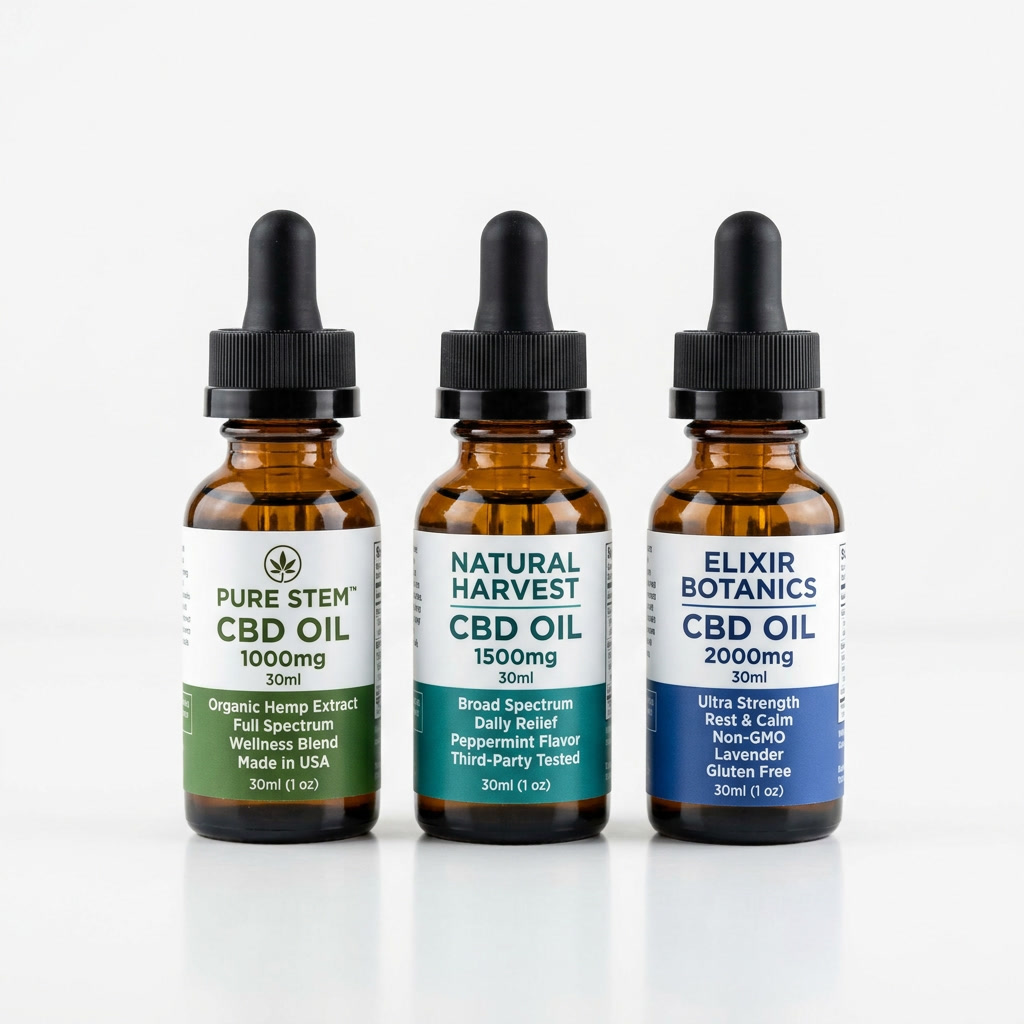
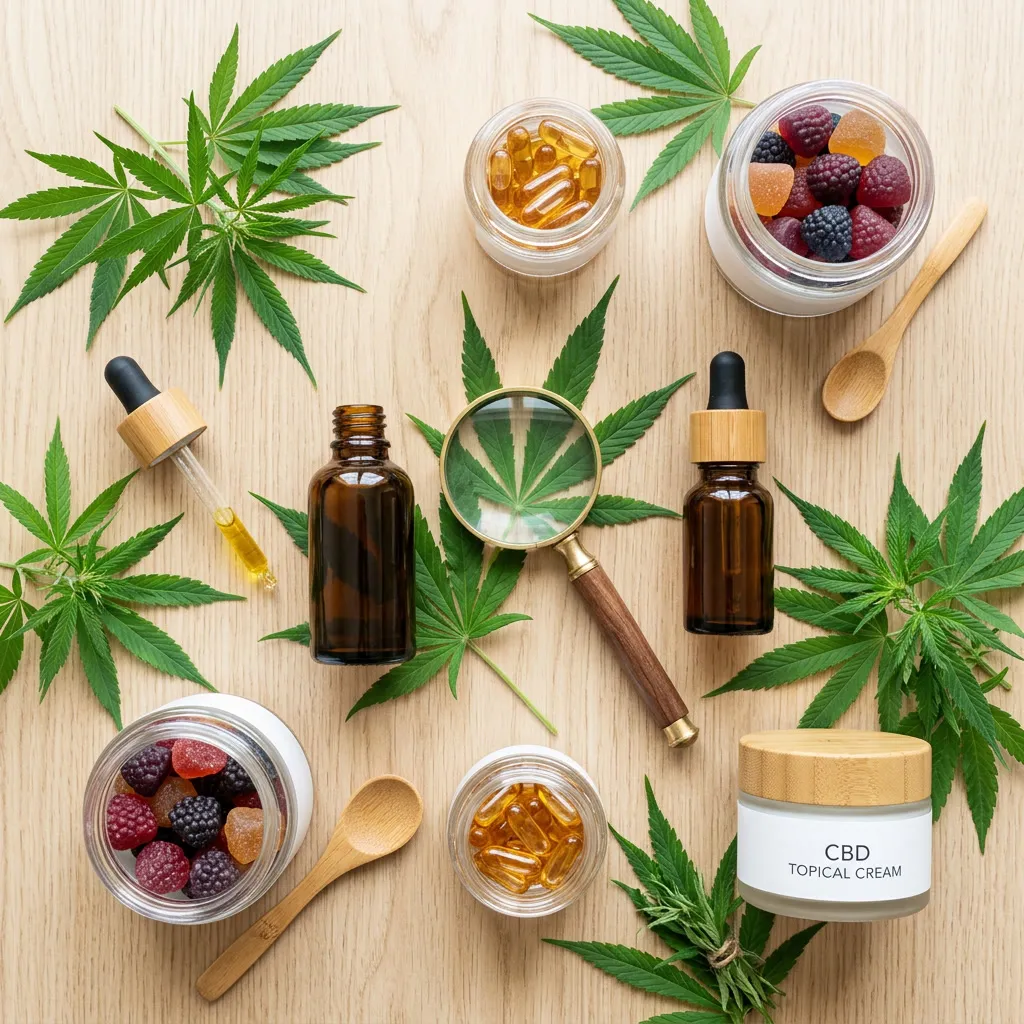
Full-spectrum, broad-spectrum, isolate, oils, gummies, capsules, topicals — these are not interchangeable, and the differences affect how and how well they work.
- Oils and tinctures absorb under the tongue and work in 20–40 minutes
- Capsules and gummies are digested and take 45–90 minutes
- Topicals work locally on skin and muscles without systemic effects
- Cannabinoid profile changes the effects (full vs. broad vs. isolate)
> The reality: Format and formulation matter. The best choice depends on your goal — sleep, localized pain, or general wellness.
How to Separate Real CBD From Hype
Now that the myths are cleared up, here's a practical checklist for buying CBD honestly:
1. Check for a Certificate of Analysis — verify the CBD and THC levels match the label
2. Read the ingredient list — you should know exactly what's in the product
3. Be wary of miracle claims — any product promising to cure serious illness is a red flag
4. Start low and go slow — find your minimum effective dose
5. Talk to your doctor — especially if you take prescription medication
6. Buy from brands that are transparent — about hemp source, extraction, and testing
The Bottom Line
CBD has been through a strange journey: overhyped by some as a cure-all and dismissed by others as a placebo. The truth is in the middle. CBD is a real, biologically active compound with legitimate benefits for some people and some conditions — pain, anxiety, sleep — but it's not magic, it's not risk-free, and it's not a substitute for medical care.
The best way to use CBD is with your eyes open. Understand what it is, verify what you're buying, and approach it the way you'd approach any supplement: cautiously, informed, and ideally with your doctor's input. Do that, and CBD can be a genuinely useful addition to your wellness routine — without the mythology.
Ready to explore quality, third-party-tested CBD products? Browse our CBD oils, gummies, capsules, and topicals, and check out our guides on dosage and lab reports to shop with confidence.
Related Reading
Find Your Perfect CBD Product
Take our 2-minute quiz to get personalized recommendations based on your needs.
Take the Quiz →Disclaimer: This article is for informational purposes only and does not constitute medical advice. CBD products are not FDA-approved to treat, cure, or prevent any disease. Always consult with a qualified healthcare professional before starting any new supplement, especially if you have a medical condition or take medications.