CBD and Multiple Sclerosis: What the 2026 Evidence Actually Shows
The Honest Picture Behind the Headlines
If you live with multiple sclerosis, you have probably heard the same pitch a dozen times: a friend swears a CBD oil changed their life, a wellness blog calls it a miracle for spasticity, and a shop assistant hands you a bottle with a smile and a vague promise. It is easy to want to believe it. MS brings muscle stiffness, spasms, pain, fatigue, and bladder problems that standard treatments often only partially control, and the idea of a natural option that might ease some of that is genuinely appealing.
Here is the part that rarely makes it into the marketing: the strongest evidence for cannabinoids in MS is not for the CBD-only products most people buy over the counter. It is for a specific prescription medicine called Sativex, a THC and CBD combination spray that has been approved in many countries specifically for MS-related spasticity. A wave of 2026 systematic reviews has now pulled the human trial data together, and the results are real but modest, and far more nuanced than the wellness aisle suggests.
This guide separates what the research actually supports from what it does not, so you can make an informed decision rather than a hopeful one.
Why MS Is Different From Other CBD Claims
Most conditions you read about in CBD marketing have thin or conflicting human evidence. MS is different. It is one of the few areas where cannabinoids have been studied in people for decades, and where a cannabinoid medicine has earned regulatory approval.
The reason comes down to the endocannabinoid system, the network of receptors and signalling molecules that helps regulate pain, muscle tone, inflammationlearn more about CBD and inflammation), and nerve function. In MS, the immune system attacks the protective coating around nerves, which disrupts these signals and produces the stiffness, spasms, and pain that define the condition. Cannabinoids interact with this system, which is why researchers have focused on them here more than almost anywhere else.
But there is a crucial distinction that gets lost in most conversations, and it is the single most important thing to understand before you buy anything.
The Sativex Distinction: THC and CBD Together
The medicine with the strongest evidence is Sativex, also known by its generic name nabiximols. It is a mouth spray that delivers a fixed combination of two cannabinoids: tetrahydrocannabinol (THC) and cannabidiol (CBD). Each spray contains 2.7 milligrams of THC and 2.5 milligrams of CBD.
This matters for two reasons. First, the THC component is what appears to drive much of the effect on spasticity, which is why the product is prescription-only and why it produces a mild psychoactive effect that CBD alone does not. Second, it is a precisely standardised pharmaceutical product with a known dose, not a variable shop-bought oil.
Sativex was first approved in the United Kingdom in 2010 for MS-related spasticity, and it has since been approved in countries including Spain, Germany, Denmark, Sweden, Poland, and Canada. It is not approved in the United States. This approval history is real and well documented, and it is the foundation of the entire evidence base.
What the 2026 Reviews Found
The most useful thing to come out of recent research is that several large systematic reviews have now pooled the human trials, giving us a much clearer picture than any single study.
A 2026 systematic review in the British Journal of Clinical Pharmacology analysed 27 randomised controlled trials involving more than 3,000 participants. It found that THC and CBD combination extracts reduced patient-reported spasticity compared with placebo, and that these combination extracts showed the most consistent effects of any cannabinoid product tested. The authors were careful to note that the improvements were modest, that the certainty of the evidence was low, and that adverse events, while mostly mild to moderate, were frequent.
A separate 2026 systematic review and meta-analysis in Pharmacological Research looked specifically at Sativex across 20 studies. It reported significant reductions in pain intensity and in spasticity severity, along with a small but statistically significant improvement in disability scores. Again, the effects were real but not dramatic.
The consistent theme across these reviews is that THC and CBD together produce measurable but modest improvements in spasticity and pain, with a safety profile that is generally acceptable but not free of side effects.
Beyond Spasticity: Bladder, Sleep, and Gait
Spasticity is the symptom with the strongest evidence, but it is not the only one researchers have examined. A 2026 exploratory systematic review and meta-analysis in Medical Sciences looked at whether nabiximols helps with symptoms beyond spasticity. Across 25 studies involving nearly 3,000 patients, it found significant improvements in spasm quality, bladder function, sleep disruption, and gait.
This aligns with what clinicians call the spasticity-plus concept, the idea that a single treatment can ease several related symptoms at once. But the authors were explicit that the certainty of this evidence was low to very low, and that the findings should be treated as exploratory rather than conclusive. It is promising, not proven.
The Honest Truth About CBD Alone
Here is where the marketing and the science diverge most sharply. The products most people buy over the counter are CBD-only, with no THC. And the evidence for CBD alone in MS is considerably weaker than the evidence for the THC and CBD combination.
A 2025 randomised controlled trial in Naunyn-Schmiedeberg's Archives of Pharmacology tested purified CBD in 49 people with MS and spasticity-related walking difficulties. The result was telling: CBD did not significantly reduce spasticity severity compared with placebo. It did improve the timed walking test and reduce maximum pain, but the headline finding was that CBD alone did not move the needle on the stiffness that Sativex is approved to treat.
This is not a reason to dismiss CBD entirely. A 2026 review in Pharmaceuticals noted that CBD has shown antioxidant, anti-inflammatory, and neuroprotective effects in laboratory research, and that it may have potential in MS and other neurological conditions. But the same review was clear that much of this promise is preclinical, and that the only CBD-only medicine approved by regulators is Epidiolex, which is for severe forms of epilepsy, not MS.
The practical takeaway is uncomfortable but important: the evidence that exists for MS is largely for a THC and CBD combination, not for the CBD-only products that dominate the shelves.
What Real-World Data Adds
Clinical trials are not the only source of evidence. Real-world registries, which track patients using cannabis-based medicines in everyday practice, add another layer of information.
A 2025 analysis from the UK Medical Cannabis Registry followed 203 people with MS for up to 24 months. It found improvements in health-related quality of life, including pain, energy, and physical function, and the treatment was generally well tolerated, with most reported side effects mild or moderate. The most common side effects were fatigue and spasticity itself.
Registry data like this is useful because it reflects how people actually use these products over time, but it is not a substitute for randomised trials. The authors noted that controlled studies with more representative populations are still needed to establish cause and effect.
The Formulation Question
One of the more interesting findings in recent research is that the specific formulation matters a great deal. A 2026 study in Multiple Sclerosis and Related Disorders compared nabiximols with a cannabis decoction, a homemade preparation, in 63 people with MS-related spasticity. Both treatments improved symptoms, but a striking 61.9 percent of patients discontinued nabiximols, and 14 switched to the decoction.
This tells us two things. First, tolerability is a real issue with these medicines, and not everyone can stick with them. Second, the way a cannabinoid is formulated and delivered can change both its effects and its side effects. It is a reminder that there is no single answer that works for everyone, and that individual response varies widely.
Safety and Drug Interactions
No discussion of CBD and MS would be honest without addressing safety. The good news is that CBD is generally well tolerated, with the most common side effects being mild, such as drowsiness and digestive upset.
The more serious concern is drug interactions. CBD inhibits several liver enzymes in the cytochrome P450 family, which are responsible for breaking down a large share of common prescription drugs. This can raise the levels of those drugs in the blood, which matters enormously for people with MS who may be taking disease-modifying therapies, muscle relaxants, antidepressants, or blood thinners.
The 2026 Pharmaceuticals review flagged this interaction risk explicitly. If you take any regular medication, you should discuss CBD with your doctor or pharmacist before starting it, and you should never stop or adjust your prescribed MS treatment on your own.
What This Means for Buying CBD
If you are considering CBD for MS symptoms, the evidence points to a few practical conclusions.
The strongest evidence is for a prescription THC and CBD combination, not for over-the-counter CBD-only products. If you have access to a healthcare system where Sativex is approved, that is the option with the real trial data behind it, and it is worth discussing with your neurologist.
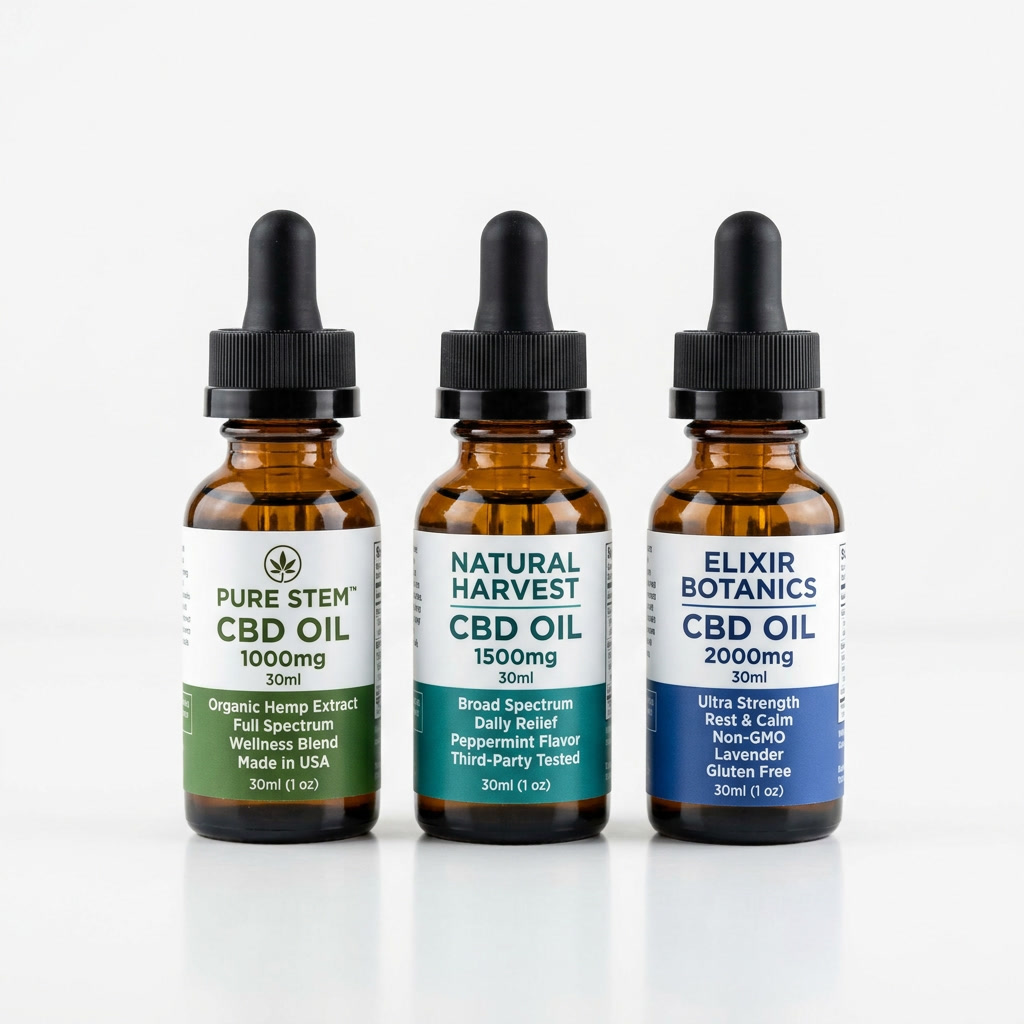
If you are considering a CBD-only product, be realistic about what the research supports. It may help with pain and walking in some people, but the evidence that it reduces spasticity is weak, and it is not a substitute for the approved medicine. If you do go that route, the format matters for how the CBD is absorbed and how easy it is to dose. Many people prefer a CBD oil or tincture for flexible dosing, while others find CBD capsules more convenient for a consistent daily amount. For localised muscle stiffness, a CBD topical applied directly to the area is a different option worth considering, and CBD gummies are a popular choice for those who prefer a pre-measured edible. Whatever you pick, look for third-party lab testing so you know what is actually in the bottle.
And regardless of what you choose, the interaction risk with your existing medications is the single most important thing to check first.
Action Steps
If you are thinking about trying CBD for MS symptoms, here is a sensible way to approach it.
Talk to your neurologist first. Ask specifically about Sativex or nabiximols if it is available where you live, and about whether CBD is safe alongside your current medications.
Check your medication list for interactions. If you take anything processed by the liver, get a pharmacist to review it before you start.
If you choose a CBD-only product, start with a low dose and keep a simple journal of dose, timing, symptoms, and side effects for a few weeks.
Buy from a brand that provides third-party lab testing, so you know what is actually in the bottle. You can compare independently reviewed CBD oils, gummies, capsules, and topicals on our product pages to see verified potency and lab results side by side.
Do not stop or change any prescribed MS treatment without medical supervision.
Bottom Line
MS is genuinely one of the best-evidenced areas for cannabinoids in humans, but the evidence is more specific than the marketing suggests. The strongest data supports a prescription THC and CBD combination, Sativex, for spasticity, with real but modest improvements confirmed across multiple 2026 systematic reviews. The evidence for CBD alone is weaker, and the most honest reading of the research is that it may help some people with pain and walking but is not proven for spasticity. If you are considering CBD, the responsible path is to talk to your neurologist, check for drug interactions, and be clear-eyed about what the science does and does not support. That is the difference between a hopeful purchase and an informed one.
Find Your Perfect CBD Product
Take our 2-minute quiz to get personalized recommendations based on your needs.
Take the Quiz →Disclaimer: This article is for informational purposes only and does not constitute medical advice. CBD products are not FDA-approved to treat, cure, or prevent any disease. Always consult with a qualified healthcare professional before starting any new supplement, especially if you have a medical condition or take medications.