CBD and Eye Health: Why CBD Is Not the Glaucoma Fix Many People Assume
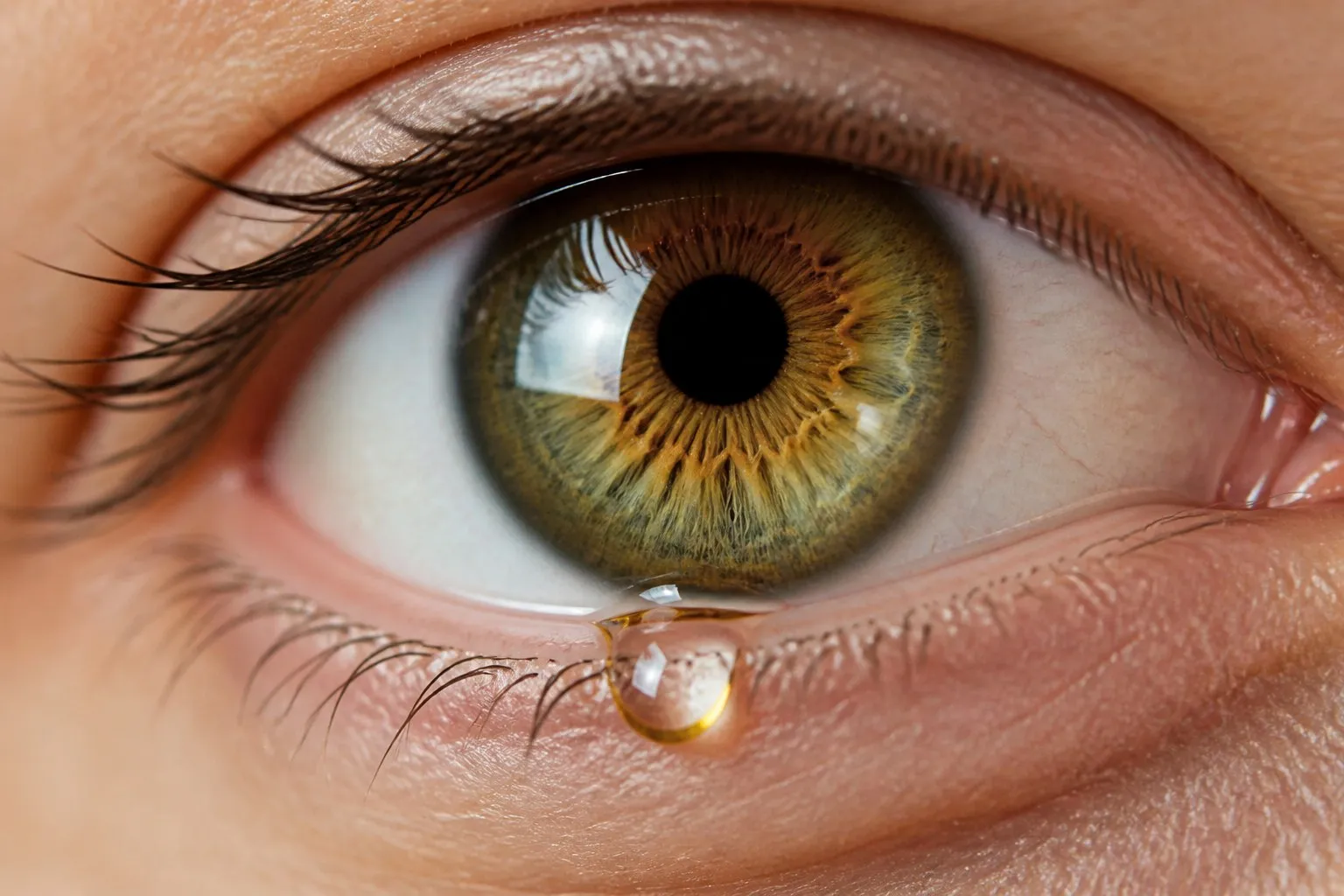
You've probably seen the claim somewhere: cannabis lowers eye pressure, so CBD must be good for glaucoma. It's one of the most persistent wellness mythssee our CBD myths debunked) in the CBD space, and it's easy to see why it sticks. Glaucoma is a leading cause of irreversible blindness, it often develops silently, and the idea of a natural, non-psychoactive compound that could protect your vision is genuinely appealing. But here's the uncomfortable truth the research keeps pointing to: CBD is not a proven treatment for glaucoma, and some evidence suggests it may actually make things worse by raising intraocular pressure. This isn't a case of "more research needed" in a hopeful sense. Major eye organizations, including the American Academy of Ophthalmology, have explicitly warned against using CBD for glaucoma. In this guide, we'll walk through why people connect CBD and eye health, what the actual science shows about CBD and eye pressure, and why the honest answer for anyone with glaucoma is to talk to an eye doctor rather than reach for a CBD product.
Why People Connect CBD and Eye Health
The link between cannabis and eye pressure is real, but it's also the source of a lot of confusion. For nearly fifty years, researchers have known that THC, the psychoactive compound in marijuana, can temporarily lower intraocular pressure (IOP). That finding, repeated in study after study, is what planted the idea that cannabis products help glaucoma.
The problem is that CBD and THC are not the same compound, and they do not act the same way in the eye. CBD is the non-psychoactive cannabinoid that dominates most over-the-counter products, and it has a very different relationship with eye pressure than THC does. When people hear "cannabis lowers eye pressure" and assume "CBD lowers eye pressure," they're skipping a critical distinction that the science does not support.
There's also the marketing factor. CBD is frequently described as anti-inflammatory and neuroprotective, which sounds like exactly what you'd want for an optic nerve condition. But those general properties, even where they're real, do not translate into a proven treatment for glaucoma. Glaucoma is primarily managed by lowering eye pressure, and that's precisely where CBD's evidence falls apart.
What Glaucoma Actually Is
Before we get into the CBD research, it helps to understand what glaucoma is and why eye pressure matters so much. Glaucoma is a group of eye conditions that damage the optic nerve, the cable of more than a million nerve fibers that carries visual information from your eye to your brain. The most common form, open-angle glaucoma, develops gradually and is often painless, which is why it can go unnoticed until significant vision is already lost.
The single most important modifiable risk factor is intraocular pressure. In a healthy eye, fluid drains through a structure called the drainage angle, keeping pressure stable. When that drainage is blocked or inefficient, pressure builds up, and over time that pressure damages the optic nerve. That's why essentially every proven glaucoma treatment, from prescription eye drops to laser procedures, is designed to lower IOP.
This is the crux of the CBD question. If CBD doesn't reliably lower eye pressure, and if some evidence suggests it might raise it, then it fails the most basic test of a useful glaucoma treatment, regardless of any other theoretical benefits.
The Research That Changed the Conversation
The most important study in this area came from researchers at Indiana University, published in the journal Investigative Ophthalmology & Visual Science. In that study, researchers applied THC and CBD topically to the eyes of mice and measured the effect on intraocular pressure.
The results were striking and counterintuitive. THC lowered IOP substantially, by roughly 28 percent, an effect that lasted for hours. CBD, far from being inactive, actually raised IOP in the mice, and it also interfered with THC's ability to lower pressure. The researchers concluded that CBD has two opposing effects on ocular pressure and can block the pressure-lowering action of THC.
It's important to be clear about what this study is and isn't. It's a preclinical study in mice, not a human trial, and it was published in 2018, so it's earlier research rather than a recent finding. But it's the study that reframed the conversation, because it directly challenged the assumption that CBD would behave like THC in the eye. It's also the study that eye organizations point to when they warn about CBD and glaucoma.
What Eye Doctors Say Now
The position of the major eye organizations is unambiguous. The American Academy of Ophthalmology has warned that CBD may worsen glaucoma because it can raise eye pressure, and the group does not recommend marijuana or CBD as a glaucoma treatment. The Glaucoma Research Foundation, in its February 2026 guidance, states plainly that current research does not support CBD as a safe or effective way to manage eye pressure or treat glaucoma, and notes that some evidence suggests it could make glaucoma worse.
This isn't a fringe or overly cautious position. It reflects the fact that the theoretical appeal of CBD for glaucoma has not been backed by evidence that it actually lowers eye pressure in a meaningful, sustained way. When a compound may raise the very pressure you're trying to lower, recommending it for glaucoma would be irresponsible.
Why THC and CBD Don't Act the Same
The reason THC and CBD have such different effects on eye pressure comes down to how they interact with the body's endocannabinoid system, specifically the cannabinoid receptors in the eye.
THC lowers IOP by activating specific receptors, including CB1 and a receptor called GPR18, both of which have been shown to reduce ocular pressure when activated. CBD, on the other hand, behaves differently. It can interfere with receptor signaling, and in the mouse study it appeared to block the very receptors that THC uses to lower pressure. That's why CBD didn't just fail to help, it actively worked against the mechanism that makes THC effective.
The practical takeaway is simple: people often lump all cannabis products into one category, but CBD and THC deliver completely different eye-pressure effects. A CBD product is not a milder version of a THC product when it comes to glaucoma. It's a different compound with a different, and potentially harmful, effect on the eye.
What Recent Research Adds
While the mouse study is the foundational evidence, more recent research has continued to examine CBD and eye pressure, and the picture has not become more favorable for CBD.
A 2024 review in the Journal of the American Veterinary Medical Association examined the evidence for CBD in treating ophthalmic disease in dogs, including glaucoma. The authors concluded there is growing interest but limited evidence for CBD's usefulness in this area, noting that while CBD has anti-inflammatory and neuroprotective properties that have been investigated, the evidence for actual benefit in eye disease is thin.
Two recent veterinary studies looked directly at whether oral CBD changes eye pressure. A 2024 study in Veterinary Ophthalmology gave healthy dogs oral CBD for 36 weeks and found no significant differences in intraocular pressure or tear production compared to placebo. A 2026 study in the same journal tested oral CBD in healthy horses and reached a similar conclusion, finding no clinically relevant impact on eye pressure.
These studies are in animals, not humans, so they can't tell us definitively what CBD does in a human eye with glaucoma. But they're consistent with the broader picture: oral CBD does not appear to be a reliable way to lower eye pressure, and the evidence that it helps glaucoma specifically is essentially absent.
The Theoretical Appeal: Anti-Inflammatory and Neuroprotective
It's worth being fair to CBD here. CBD does have genuine anti-inflammatory and neuroprotective properties that have been studied in a range of conditions, and glaucoma does involve inflammation and damage to the optic nerve. On paper, that sounds like a plausible reason CBD might help.
But there's a big gap between "has properties that could theoretically matter" and "is a proven treatment for glaucoma." Glaucoma is managed by lowering eye pressure, and CBD's effect on eye pressure is either neutral or potentially harmful. No study has shown that CBD's anti-inflammatory or neuroprotective properties translate into meaningful protection of the optic nerve in glaucoma. The theoretical appeal has not been realized in the evidence.
This is exactly the kind of claim where it's tempting to overstate, and it's exactly where we need to be honest. CBD may have interesting properties, but that is not the same as being a treatment for glaucoma.
The Risks of Using CBD With Glaucoma
Beyond the eye-pressure question, there are real risks to consider if you have glaucoma and are thinking about CBD.
The most direct risk is that CBD may raise eye pressure, which is the opposite of what you want with glaucoma or ocular hypertension. If you have glaucoma, strong risk factors, or elevated pressure, that possibility should be taken seriously.
CBD can also interact with other medications. It affects how your body processes certain drugs through liver enzyme pathways, and the FDA has highlighted potential drug interactions. This matters for glaucoma because many people with glaucoma also take medications for blood pressure, anxiety, sleep, or pain. Adding CBD to a stable regimen can complicate it in ways that are hard to predict.
There are also liver safety concerns. The FDA has warned about potential liver injury from CBD, and clinical research continues to examine liver enzyme elevations associated with CBD exposure. And product quality varies widely, with over-the-counter CBD products differing significantly in CBD content, THC contamination, and purity.
What This Means for You
If you have glaucoma, the honest bottom line is that CBD is not a recommended treatment, and it may carry real risks. The American Academy of Ophthalmology and the Glaucoma Research Foundation both advise against it for this purpose.
That doesn't mean CBD is useless for everything, or that you can't use it for other reasons like sleep or anxiety. But if you do, it should be a conversation with your eye doctor, not a substitute for proven glaucoma care. Do not replace your glaucoma drops with CBD. Keep your regular pressure checks and follow-up appointments. And if you notice blurry vision, eye pain, halos around lights, nausea, or vomiting, seek urgent care, as these can be signs of acute angle-closure glaucoma.
Action Steps
If you're considering CBD and have glaucoma or eye pressure concerns, here's a practical, honest path forward.
Talk to your eye doctor first. Tell them you're considering CBD, how much, how often, and in what form, and ask specifically about how it might affect your eye pressure and your current medications.
Never replace proven glaucoma treatment with CBD. Prescription eye drops, laser procedures, and other treatments are the evidence-based standard of care, and CBD is not a substitute.
Keep your regular eye exams and pressure checks. Glaucoma is often silent, and consistent monitoring is the best way to protect your vision.
If you do use CBD for other reasons, be transparent with your doctor and watch for interactions with your other medications.
If you're looking for high-quality CBD products for reasons unrelated to glaucoma, choose products with third-party lab testing and clear labeling. You can browse our selection of CBD oils, CBD gummies, CBD capsules, CBD topicals, and CBD for pets, all of which are reviewed for quality and transparency.
Bottom Line
The connection between CBD and eye health is a story of a good-sounding idea that the evidence doesn't support. THC can temporarily lower eye pressure, but CBD is a different compound that does not reliably lower pressure and may actually raise it. The American Academy of Ophthalmology and the Glaucoma Research Foundation both advise against CBD for glaucoma, and recent research continues to find no evidence that CBD helps manage eye pressure. If you have glaucoma, the honest and responsible choice is to work with your eye doctor on proven treatments, not to reach for a CBD product. CBD has real uses, but treating glaucoma is not one of them.
Find Your Perfect CBD Product
Take our 2-minute quiz to get personalized recommendations based on your needs.
Take the Quiz →Disclaimer: This article is for informational purposes only and does not constitute medical advice. CBD products are not FDA-approved to treat, cure, or prevent any disease. Always consult with a qualified healthcare professional before starting any new supplement, especially if you have a medical condition or take medications.