CBD Beverages: The Fast-Growing Way to Get Your Daily Dose (2026 Guide)
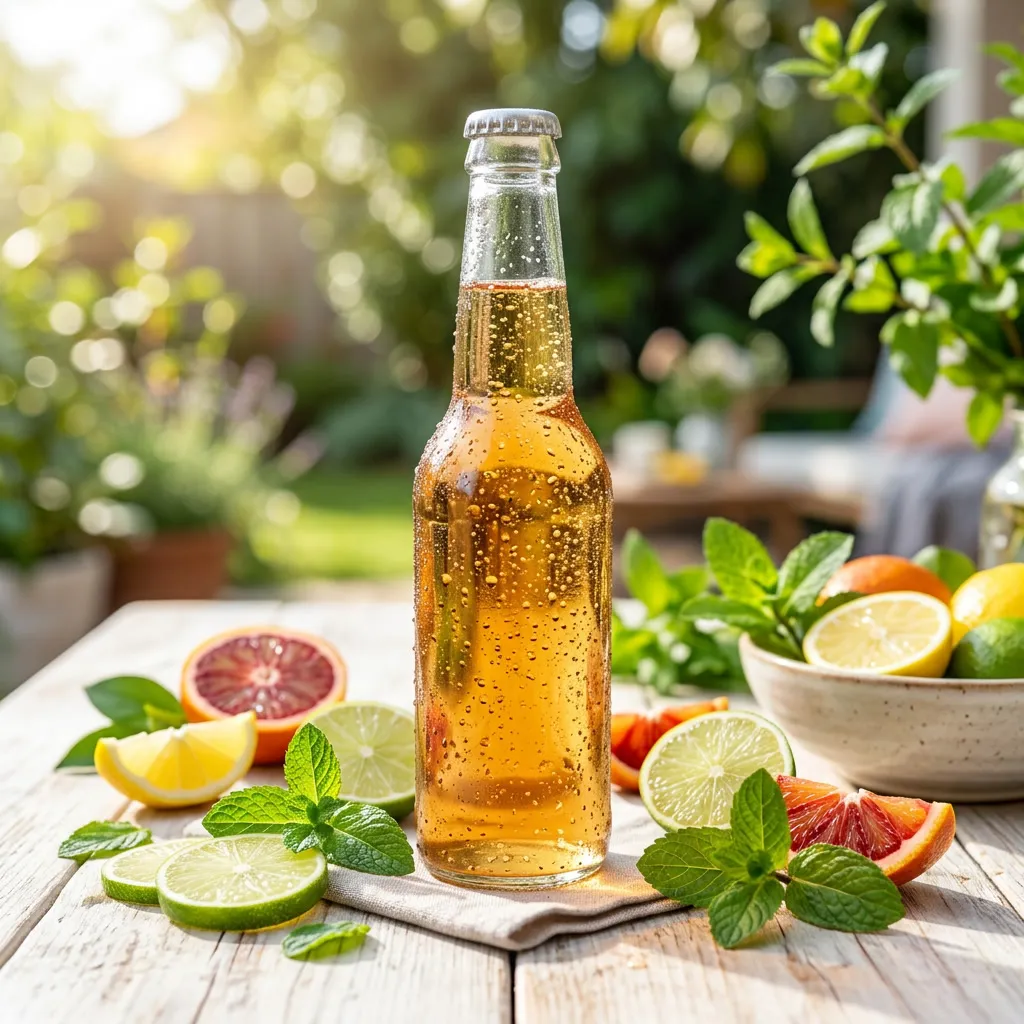
It's late afternoon, the energy slump has hit, and you're standing at the fridge staring at the same sparkling water you've grabbed every day for a month. You want something to help you unwind without the fizz of caffeine or the fog of alcohol. That's the exact moment the CBD beverage aisle was made for. Sodas, seltzers, teas, coffees, and single-shot elixirs infused with cannabidiol are no longer a novelty tucked into the back corner of wellness shops — they're a fast-growing category that's changing how millions of people think about their daily dose.
Unlike oils and gummies, which you swallow and wait to feel, a CBD drink is social, portable, and — importantly — absorbed differently by your body. That difference matters, because it changes when you feel the effects and how strong they are. In this guide, we'll break down what CBD beverages actually are, how they compare to oils and gummies, what the science says about their bioavailability and onset time, how to choose a quality product, and who should think twice before sipping. By the end, you'll know exactly how to shop the CBD beverages category with confidence.
A quick note before we dive in: this is educational information, not medical advice. CBD affects different people differently, and you should always check with a healthcare provider before adding any supplement to your routine — especially if you take prescription medication.
What Exactly Is a CBD Beverage?
A CBD beverage is simply a drink infused with a measured dose of hemp-derived cannabidiol. The format is broad, and that's part of its appeal. You'll find the market split across several distinct styles, each with its own texture, taste, and intended occasion:
- CBD sodas and sparkling waters — carbonated drinks, often fruit-flavored, designed as a casual daytime or evening refreshment.
- CBD seltzers — lighter, less sweet, closer to a club soda with a subtle herbal note.
- CBD teas — both hot-brewed and iced, often blended with chamomile, mint, or adaptogens for a calming ritual.
- CBD coffees and lattes — a growing niche pairing caffeine's lift with CBD's purported calm, marketed as a "calm focus" alternative to a standard cup.
- CBD shots and tincture-style elixirs — concentrated single-serving bottles meant to be downed quickly, often the highest potency per ounce.
The unifying idea is convenience and ritual. Rather than measuring drops or chewing a gummy, you drink your dose as part of a normal moment — a morning latte, an after-work seltzer, a calming evening tea.
How a CBD Beverage Works in Your Body
Cannabidiol interacts primarily with your endocannabinoid system (ECS), a widespread network of receptors and signaling molecules that helps regulate mood, sleep, appetite, pain perception, and immune response. When you drink CBD, it's absorbed through your digestive tract, enters your bloodstream, and makes its way to those receptors — though it doesn't produce the "high" associated with THC, the psychoactive compound in cannabis.
Hemp-derived CBD contains only trace amounts of THC (legally under 0.3% in the U.S.), which is one of the reasons it's become so popular as a daily wellness staple. Because beverages are ingested rather than inhaled or held under the tongue, they follow a digestive path that's slower to peak than some other methods — but that also means the effects tend to last longer.
Bioavailability: Why Absorption Matters
The most important scientific concept for understanding any CBD product — and beverages especially — is bioavailability: the fraction of the dose that actually reaches your bloodstream and can have an effect. If a product has low bioavailability, most of what you drink never makes it into circulation.
For oral CBD (which includes both beverages and gummies), bioavailability is generally considered low. One of the most useful recent reviews on this topic is a 2024 quantitative summary of human CBD pharmacokinetics published in Naunyn-Schmiedeberg's Archives of Pharmacology (PMID 38850302). The authors examined the key variables that explain why CBD levels in the blood vary so widely between people and products. Their findings include a few points worth remembering:
> CBD can be rapidly absorbed into the body (time to reach maximum concentration within 3.18 h) by oral, transdermal, and inhalation exposures, and lipid emulsification and nanoformulation of CBD will greatly improve CBD bioavailability (up to approximately 2 times).
In plain terms: the form the CBD is delivered in matters a lot. Because many CBD beverages are formulated with nano-emulsified or water-soluble CBD — the compound broken into tiny droplets so it disperses evenly in liquid — they can offer better absorption than a plain oil swallowed in a softgel. That's the core reason beverage brands lean so heavily on "nano" and "water-soluble" marketing claims.
The same review flagged another important detail: eating around the time you drink CBD changes how much reaches your bloodstream. Taking CBD with or shortly after food increased plasma exposure by roughly 2 to 5 times compared with taking it on an empty stomach, and this can be either a benefit or a surprise depending on your expectations.
Onset Time: How Fast Do You Feel a CBD Drink?
One of the biggest reasons people choose beverages is speed — and the reality is a bit more nuanced than the marketing suggests. Because a drink is absorbed through your stomach and intestines, it doesn't hit instantly like a vape or a sublingual tincture. The pharmacokinetic review noted that CBD can reach its maximum concentration within about 3.18 hours by oral exposure, but that's the peak, not when you first feel something.
In practice, people often report noticing effects from a CBD beverage within roughly 30 to 90 minutes, with the peak arriving a bit later and the overall effect lingering for several hours. Compared with gummies, beverages can sometimes feel a little quicker because liquids are absorbed faster than chewed solids, and nano-formulated drinks can feel faster still. But anyone expecting an instant "shot" sensation is likely to be underwhelmed. CBD is subtle, and a beverage delivers a slow, building calm rather than a sudden jolt.
How Beverages Compare to Oils and Gummies
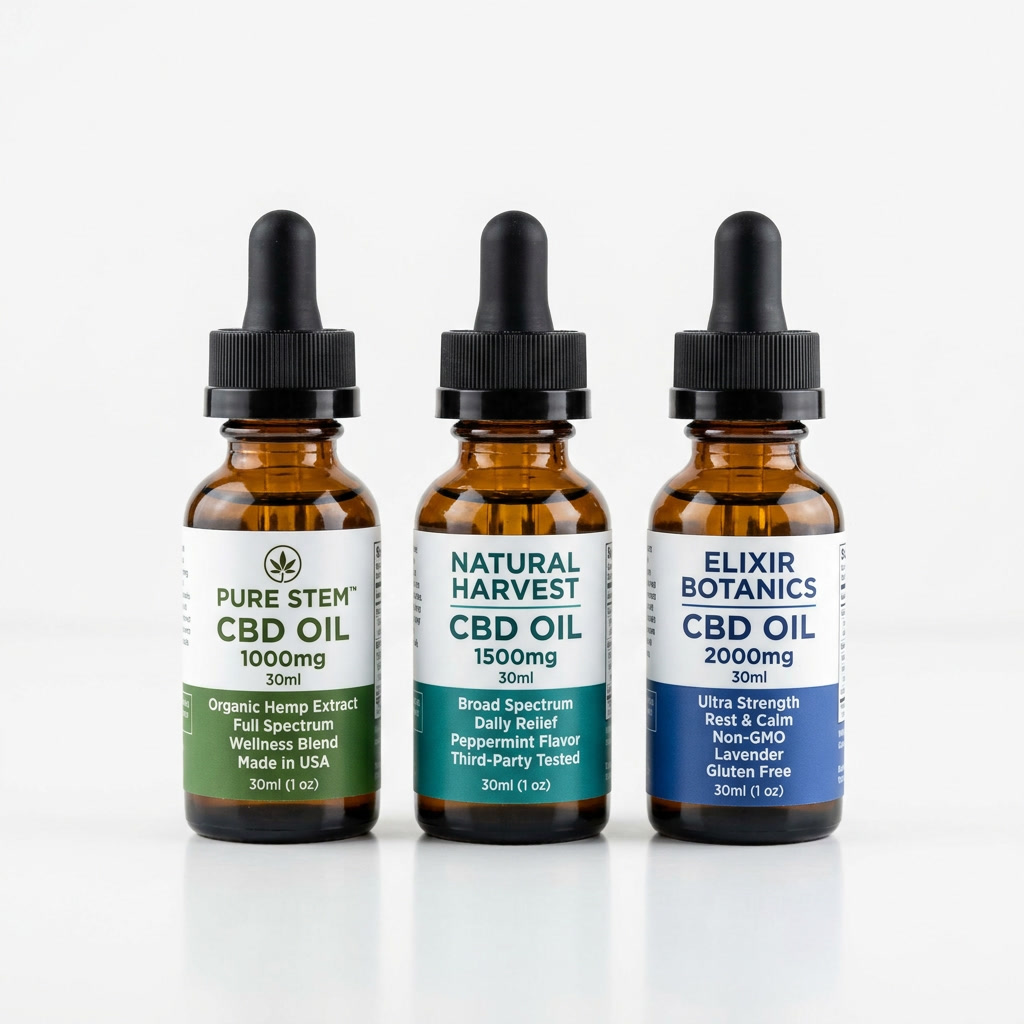
If you're already using a CBD oil tincture or gummies, you may wonder whether beverages are a genuine alternative or just a gimmick. Both perspectives are partly right. Here's how the formats stack up:
- Onset speed: Sublingual oils (held under the tongue) typically work fastest, absorbing through the mucous membranes before digestion. Gummies are slowest. Beverages sit in between, with nano-formulated drinks often on the quicker side.
- Duration: Digestive methods — beverages and gummies alike — tend to produce effects that last longer than sublingual oils, because the dose is released more gradually.
- Dose precision: Tinctures give you fine control with a dropper. Beverages and gummies come in fixed doses, which is convenient but less flexible.
- Bioavailability: Nano-emulsified beverages can improve absorption relative to plain swallowed oils, but a high-quality sublingual oil still offers reliable uptake.
- Experience: Beverages win on ritual and social ease. There's no dropper, no sticky gummy, no measuring — just a drink.
The honest takeaway: beverages are not inherently "stronger" or "better" than oils or gummies. They're a different experience — one that prioritizes convenience, taste, and a familiar ritual. Many people use multiple formats, keeping an oil for precise daily dosing and a seltzer for unwinding in the evening. Your CBD dosage guide is a good starting point for matching the format to your goal.
The Market: A Category That Keeps Growing
CBD beverages are frequently described as one of the fastest-growing segments of the broader CBD industry, and the narrative has real momentum. Brands have poured money into shelf-stable, consistent, good-tasting drinks, and mainstream beverage companies have taken notice — several large soft-drink and alcohol-adjacent companies have signaled interest or made investments in the hemp space.
It's worth being honest here: precise market-size figures vary widely depending on the research firm, and the numbers are often projections rather than hard sales data. Different analysts place the CBD beverage market anywhere from several hundred million dollars today to multi-billion-dollar forecasts over the next several years, with projected compound annual growth rates commonly cited in the double digits. What's verifiable is the direction — the category is expanding, more products are hitting shelves and online stores, and consumer interest in alcohol-alternative and "better-for-you" drinks is at a high point.
The takeaway for you as a shopper isn't to memorize a dollar figure. It's that more competition means better products and more choice — and also more noise to cut through.
Pros and Cons of CBD Beverages
Let's weigh the real trade-offs, because every format has them.
The upside:
- Convenient and portable — your dose is pre-measured and ready to drink.
- Pleasant experience — flavored drinks mask the earthy taste that puts some people off oils.
- Better absorption potential — nano-emulsified, water-soluble formulations can improve bioavailability.
- Social and ritual-friendly — a natural alcohol alternative for gatherings or evening wind-down.
- Precise, consistent dosing — each can or bottle has a known amount.
The downsides:
- Cost per milligram — beverages are often the most expensive way to get CBD per milligram, since you're paying for liquid, packaging, and flavor.
- Lower total dose — a typical drink carries 10–25 mg of CBD, which is modest compared with what you can take via oil or gummies.
- Fixed dosing — you can't easily fine-tune your amount.
- Shelf-life and freshness — drinks can degrade, and some formulations settle or separate.
- Sugar and additives — some CBD sodas pack significant sugar or artificial ingredients, which may not fit your goals.
How to Choose a Quality CBD Beverage
Not all CBD drinks are created equal, and the quality gap between brands is real. Use these checks to separate a well-made product from a marketing-driven one:
- Look for third-party lab testing. A reputable brand publishes a Certificate of Analysis (COA) from an independent lab for every batch, showing the actual CBD content and confirming THC is within legal limits.
- Check the dose on the label. The total mg of CBD should be clearly stated, along with serving size. Beware of products that advertise a huge total but tiny per-serving numbers.
- Prefer water-soluble or nano-emulsified formulations. The pharmacokinetic evidence suggests these can absorb better than plain oil suspensions in liquid.
- Read the ingredient list. Fewer additives is generally better. Watch for excessive sugar, artificial colors, or a long list of unrecognizable ingredients.
- Verify the source. Quality brands are transparent about where their hemp is grown and how it's extracted.
- Consider the format fit. If you want a quick evening unwind, a seltzer or tea makes sense; if you want a concentrated dose, a shot-style product might suit you better.
When you're ready to browse, the CBD beverages category is a good place to start comparing brands side by side.
Dosage Considerations for Beverages
Because beverages come in fixed doses, the usual advice to "start low and go slow" becomes a question of matching the drink to your tolerance. Some practical guidance:
- Beginners: Start with a low-dose drink, typically 10 mg or less, and see how you respond before trying anything stronger.
- Regular users: If you already tolerate oils or gummies well, a 20–25 mg beverage may be a comfortable baseline.
- Timing matters: Because effects build slowly and last several hours, beverages are best for a planned window — not a quick fix. Don't drink a high-dose can right before driving or operating machinery.
- Food changes things: Remember that eating before or during drinking can raise absorption substantially (up to several times in some studies), so a beverage taken with a meal may feel stronger than one on an empty stomach.
- Track your response: Keep a simple note of the dose, timing, and how you felt. CBD is highly individual, and your body is the best guide.
Legality: The 2018 Farm Bill and the 0.3% THC Rule
The legal landscape for CBD beverages in the United States traces back to the 2018 Farm Bill, which federally legalized hemp — defined as cannabis containing no more than 0.3% THC by dry weight. This distinction is central to the beverage market: as long as a drink is made from hemp-derived CBD and stays under the 0.3% THC threshold, it's legally distinct from marijuana, which remains federally illegal.
That said, a few practical caveats are worth flagging:
- State rules vary. Some states have their own restrictions on CBD in food and beverages, so regulations can differ from the federal baseline.
- The FDA question is unsettled. The agency has historically taken the position that CBD isn't approved as a food additive, and the regulatory status of infused foods and drinks has remained in flux. This means labeling standards and enforcement can vary.
- THC testing matters. "Full-spectrum" beverages may contain trace THC, which is legal under 0.3% but could show up on a sensitive drug test. If that's a concern, look for broad-spectrum or THC-free isolates.
- Cross-border travel. Carrying CBD beverages across state or international lines can be complicated, so check rules before traveling.
Who Should Be Cautious With CBD Beverages
CBD is generally considered well tolerated, and a 2019 systematic review of CBD dosing in clinical populations (British Journal of Clinical Pharmacology, PMID 31222854) reported that CBD was "well tolerated" across the studies it examined, with the most consistent evidence of benefit in epilepsy. But that doesn't mean beverages are risk-free for everyone. Consider exercising extra caution if any of these apply to you:
- You're pregnant or breastfeeding — guidance from health authorities advises avoiding cannabis-derived products during pregnancy and while nursing.
- You take prescription medications — CBD can interact with certain medications, particularly those metabolized by the liver's cytochrome P450 enzyme system, which can change how your body breaks down other drugs.
- You have liver disease — the pharmacokinetic evidence indicates that reduced liver function can significantly increase CBD levels in the blood (the 2024 review found plasma exposure roughly 2.5 to 5 times higher in people with decreased liver function), raising the risk of unexpected effects.
- You're sensitive to trace THC — if you're subject to drug testing or particularly THC-sensitive, stick with broad-spectrum or isolate beverages.
- You're watching your sugar intake — check labels, since some CBD sodas are sweetened heavily.
If any of these apply, talk to your healthcare provider before making CBD beverages a regular habit. You should also review the dosing details in our CBD dosage guide to understand the range that's typically studied.
Your Action Steps: Getting Started With CBD Beverages
Ready to try your first CBD drink? Here's a simple, sensible path:
1. Decide on your goal. Are you looking for evening relaxation, a social alcohol alternative, or a gentle daily ritual? That will point you toward seltzers, teas, or coffees.
2. Choose a quality product. Use the checklist above — third-party lab tests, clear labeling, water-soluble formulation, minimal additives.
3. Start low. Pick a drink around 10 mg or less and note how you feel over the next few hours.
4. Mind the timing. Plan for a relaxed window, and avoid driving or heavy tasks until you know your response.
5. Pair with food if you want a stronger effect. Just be consistent about it so you can predict results.
6. Reassess. After a week or two, decide whether beverages are delivering what you hoped, and adjust the dose or format accordingly.
The Bottom Line
CBD beverages are a genuinely fast-growing, convenient, and enjoyable way to get your daily dose of cannabidiol — and for many people, they're the entry point that makes CBD feel approachable rather than intimidating. The science supports their appeal: modern nano-emulsified formulations can improve absorption, and liquids are absorbed quickly enough to deliver effects within roughly an hour while lasting for hours. But they're not magic, and they're not a replacement for a well-chosen oil if precise dosing and maximum value are your priorities.
The smartest approach is to treat beverages as one tool in your wellness kit. Start low, choose quality, mind your medications, and pay attention to how your own body responds. Whether you're sipping a sparkling seltzer on the patio or swapping your evening glass of wine for a calm cup of CBD tea, the ritual itself — slow, deliberate, and alcohol-free — is part of the benefit. When you're ready, explore the CBD beverages category, pair it with the oils and tinctures you already trust, and find the format that fits your life.
Find Your Perfect CBD Product
Take our 2-minute quiz to get personalized recommendations based on your needs.
Take the Quiz →Disclaimer: This article is for informational purposes only and does not constitute medical advice. CBD products are not FDA-approved to treat, cure, or prevent any disease. Always consult with a qualified healthcare professional before starting any new supplement, especially if you have a medical condition or take medications.