How to Choose CBD Products: The Complete Buyer's Guide
How to Choose Quality CBD Products
With thousands of CBD products on the market, finding the right one can feel overwhelming. This guide breaks down everything you need to know to make an informed choice.
Understanding CBD Types
[Full Spectrum](/blog/blog-full-spectrum-vs-broad-spectrum-isolate-2026-03-29)
What it contains: All cannabinoids from the hemp plant, including CBD, CBG, CBN, and trace THC (under 0.3%).
Best for: Those wanting maximum potential benefits through the 'entourage effect.'
Consider if: You're not concerned about trace THC or drug testing.
Broad Spectrum
What it contains: Multiple cannabinoids and terpenes with THC removed.
Best for: Those wanting entourage effect benefits without any THC.
Consider if: You may be subject to drug testing but want more than pure CBD.
CBD Isolate
What it contains: 99%+ pure CBD with no other cannabinoids.
Best for: Those who need zero THC or prefer pure CBD.
Consider if: You're very sensitive to THC or require guaranteed THC-free products.
What to Look for on Labels
Must-Have Information
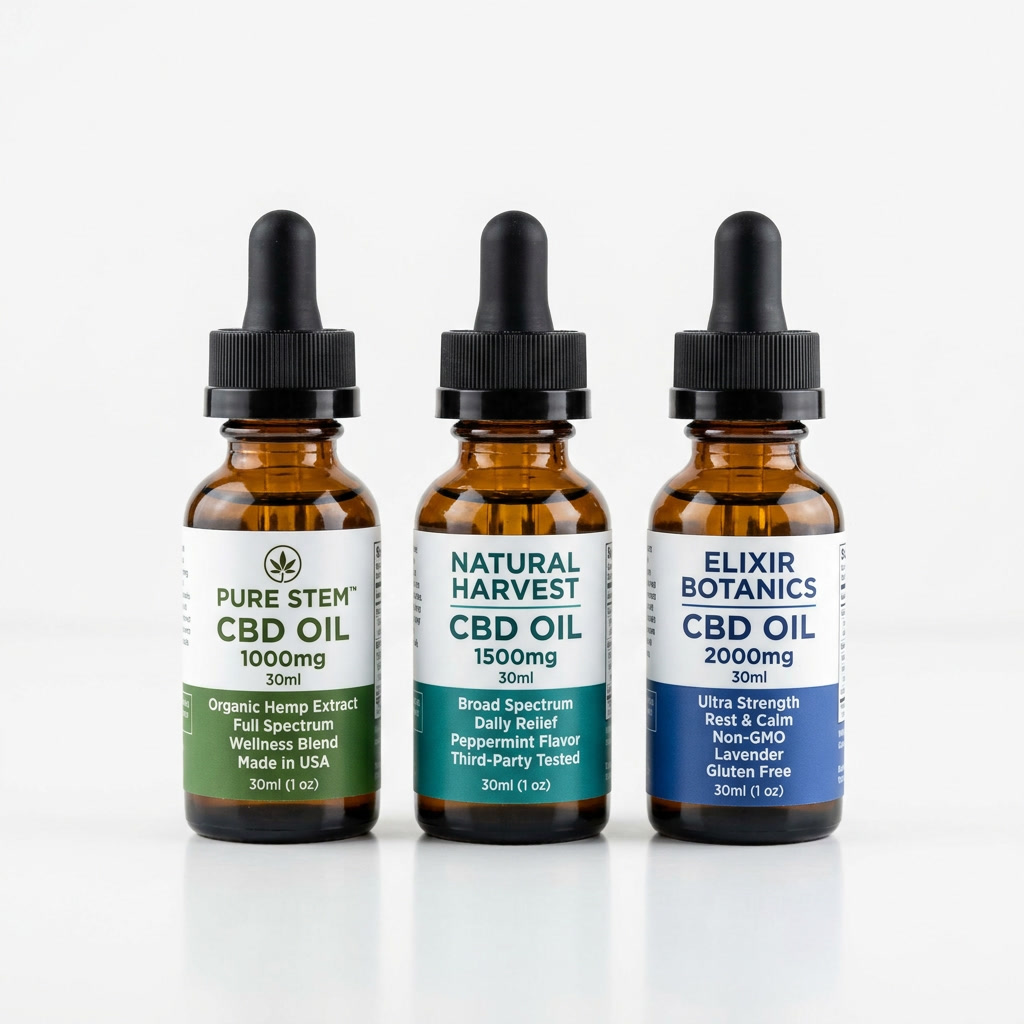
CBD Amount: Total mg of CBD per container AND per serving. Example: '1000mg CBD (33mg per serving)'
Type of CBD: Full spectrum, broad spectrum, or isolate should be clearly stated.
Ingredients List: Complete list of all ingredients, including carrier oils and additives.
Batch/Lot Number: Allows you to match to lab test results.
Manufacturer Info: Company name and contact information.
Suggested Use: Serving size and usage instructions.
Nice to Have
- QR code linking to lab results
- Hemp source information
- Extraction method
- Certifications (organic, GMP, etc.)
Red Flags to Avoid
Labeling Red Flags
- No CBD amount listed (just 'hemp extract')
- 'Proprietary blend' without specifics
- No batch number
- No company contact info
Claim Red Flags
- 'Cures' or 'treats' any disease
- 'FDA approved' (most CBD isn't)
- Guarantees specific results
- Claims to be the 'only' product that works
Pricing Red Flags
- Prices significantly below market average
- 'Too good to be true' deals
- Buy one get five free promotions
Brand Red Flags
- No online presence or reviews
- No available lab testing
- Won't answer customer questions
- No physical address listed
Understanding Potency
Calculating Value
Compare products by price per mg of CBD:
Formula: Total Price ÷ Total CBD mg = Price per mg
Example:
- Product A: $60 for 1000mg = $0.06/mg
- Product B: $40 for 500mg = $0.08/mg
- Product A is actually better value
Choosing Potency
Lower Potency (250-500mg):
- Good for beginners
- General wellness use
- Smaller body weight
Medium Potency (750-1500mg):
- Regular users
- Moderate needs
- Best value for most people
Higher Potency (1500mg+):
- Experienced users
- Higher dose requirements
- Cost-effective long-term
Third-Party Testing
Why It Matters
Third-party lab testing by independent laboratories verifies:
- Product contains stated CBD amount
- THC is within legal limits
- No harmful contaminants
How to Verify
1. Find the COA (Certificate of Analysis)
2. Match batch number to your product
3. Check CBD content matches label
4. Verify THC is under 0.3%
5. Review contaminant testing results
Lab Testing Standards
Look for labs that are:
- ISO 17025 accredited
- Independent from the manufacturer
- Testing for full panel (cannabinoids + contaminants)
Organic vs Non-Organic
USDA Organic Certified
- Hemp grown without synthetic pesticides
- Non-GMO verified
- Sustainable farming practices
- Third-party certification required
'Organically Grown' Claims
- May not be certified
- Could be legitimately organic but uncertified
- Verify through brand transparency
Does It Matter?
Organic certification provides extra assurance, but quality non-organic hemp with clean lab tests is also acceptable.
Hemp Source
USA-Grown Hemp
- Subject to state and federal regulations
- Generally reliable quality
- Easier to verify growing practices
European Hemp
- Often high quality
- Strict EU regulations
- Good alternative source
Unknown Sources
- Harder to verify quality
- May have looser growing standards
- Consider a red flag if not disclosed
Extraction Methods
CO2 Extraction (Best)
- Clean, efficient process
- No residual solvents
- Preserves cannabinoids well
Ethanol Extraction (Good)
- Commonly used
- Generally safe
- May extract some chlorophyll
Solvent Extraction (Caution)
- Uses hydrocarbons
- Must test for residual solvents
- Cheaper but potentially less safe
Making Your Final Choice
Checklist Before Buying
☑️ CBD amount clearly stated
☑️ Type of CBD specified
☑️ Third-party lab results available
☑️ Lab results match batch number
☑️ Company has good reputation/reviews
☑️ Reasonable pricing
☑️ Ingredients list provided
☑️ Contact information available
Get Personalized Recommendations
Still not sure which CBD product is right for you? Take our CBD Product Finder Quiz for personalized recommendations based on your specific needs, preferences, and budget!
Find Your Perfect CBD Product
Take our 2-minute quiz to get personalized recommendations based on your needs.
Take the Quiz →Disclaimer: This article is for informational purposes only and does not constitute medical advice. CBD products are not FDA-approved to treat, cure, or prevent any disease. Always consult with a qualified healthcare professional before starting any new supplement, especially if you have a medical condition or take medications.