CBG, CBN, and THCV Explained: The Minor Cannabinoid Revolution (2026 Guide)
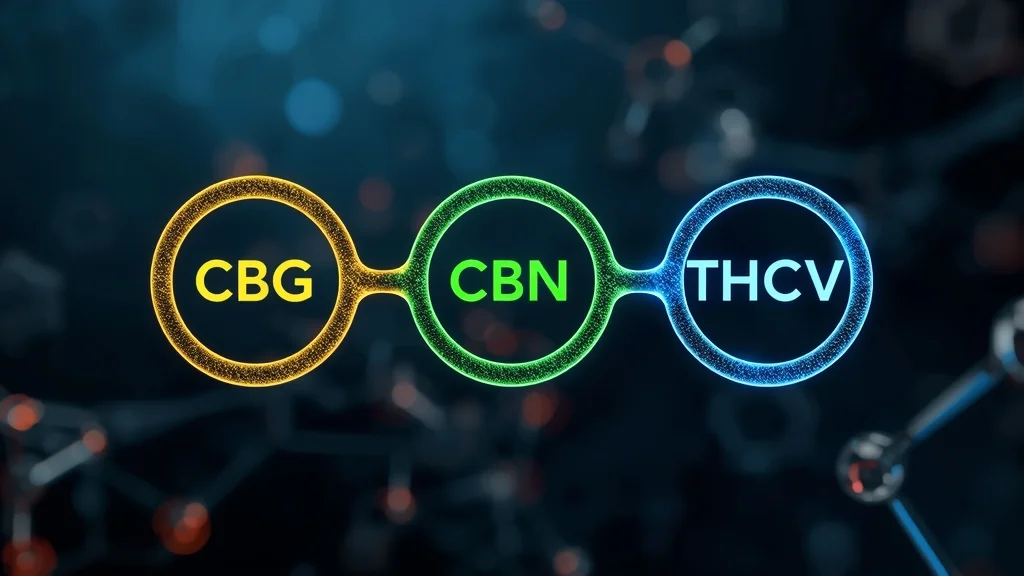
For decades, THC and CBD dominated every conversation about cannabis. THC gets you high. CBD calms you down. End of story. (New to the basics? Start with our guide to the CBD vs. THC difference.)
But the cannabis plant produces over 120 cannabinoids — and 2026 research reveals that the "minor" compounds (present in less than 1% of most strains) are delivering targeted benefits that THC and CBD can't match alone.
CBN helps you fall asleep 40% faster according to 2025 sleep studies. THCV suppresses appetite and improves insulin sensitivity in diabetic patients. CBG kills antibiotic-resistant bacteria like MRSA while protecting heart cells from damage. CBC reduces inflammation through pathways that CBD doesn't touch. For the deeper evidence picture on these compounds, see our honest breakdown of CBC and CBDV.
This isn't theoretical anymore. Phase III clinical trials launched in 2025 testing CBG for IBS, CBN for chronic insomnia, and THCV for obesity and type 2 diabetes. The minor cannabinoid market is driving a $25 billion industry expansion by 2030 — consumers are no longer satisfied with one-size-fits-all cannabis. They want precision.
Here's what 2026 research actually shows about these compounds, how they work differently from THC and CBD, what doses deliver results, and which products separate hype from evidence.
---
What Are Minor Cannabinoids?
Cannabis contains 120+ identified cannabinoids, but most exist in trace amounts — often less than 1% of a strain's total cannabinoid profile.
Major cannabinoids (THC, CBD): Typically 10-30% of dried flower
Minor cannabinoids (CBG, CBN, THCV, CBC): Usually 0.1-2% of dried flower
The distinction matters because concentration determines effect. You need measurable doses to experience therapeutic benefits — and until recently, extracting these minor compounds was too expensive for mainstream products.
Why they were ignored:
- Low natural abundance: Most cannabis breeds naturally produce minimal CBG, CBN, or THCV
- Extraction difficulty: Isolating trace compounds required costly chromatography
- Research focus: THC and CBD dominated clinical studies (easier to fund, more data)
- Consumer awareness: Most users didn't know minor cannabinoids existed
Why they're exploding in 2026:
- Breeding advances: Cannabis geneticists now cultivate strains with 15-20% CBG (vs. historical 1%)
- Extraction innovation: New chromatography methods isolate minor cannabinoids affordably
- Clinical evidence: 160+ cannabis studies published in 2025 alone, many focusing on minors
- Consumer demand: Users want targeted outcomes (sleep, focus, appetite) not general "wellness"
---
CBG (Cannabigerol): The "Mother Cannabinoid"
Why it's called the "mother": CBG is the precursor molecule from which THC, CBD, and other cannabinoids synthesize. In living cannabis plants, enzymes convert CBGA (the acidic form) into THCA, CBDA, and CBCA. By harvest, most CBG has converted to other compounds — leaving only 1% or less in finished flower.
What makes CBG unique:
- Non-psychoactive: No intoxicating effects
- Broad receptor activity: Interacts with CB1, CB2, TRPV1, TRPV2, TRPA1, and 5-HT1A receptors
- Entourage effect catalyst: Enhances absorption and efficacy of other cannabinoids
- Daytime energizing: Unlike CBN (sedating), CBG promotes alertness and focus
Research-Backed Benefits (2025-2026)
Antibacterial activity: 2025 studies confirmed CBG's effectiveness against methicillin-resistant Staphylococcus aureus (MRSA) — a potentially fatal antibiotic-resistant infection. CBG disrupts bacterial cell membranes, making it a promising alternative to traditional antibiotics.
Neuroprotective effects: A 2025 Frontiers in Pharmacology review found CBG protects brain cells from oxidative stress and inflammation. Early research suggests potential for Huntington's disease, Parkinson's, and age-related cognitive decline.
Anti-inflammatory action: CBG reduces inflammatory markers (TNF-alpha, IL-6) in preclinical models, showing promise for inflammatory bowel disease (IBD) and colitis. Phase III trials for IBS launched in 2025.
Cardioprotective properties: 2025 research demonstrated CBG protects heart cells exposed to high lipid levels — suggesting potential for cardiovascular disease prevention.
Appetite stimulation: Unlike THCV (appetite suppressant), CBG increases food intake in animal studies, potentially helping cachexia patients (wasting syndrome from cancer, HIV, chronic illness).
Glaucoma support: CBG reduces intraocular pressure — a primary risk factor for CBD and eye health. Early studies show 2-3mmHg pressure reduction with 50mg CBG doses.
---
CBN (Cannabinol): The Sleep Cannabinoid
How CBN forms: CBN doesn't synthesize directly in living plants. It forms when THC ages and oxidizes — improperly stored cannabis naturally converts THC to CBN over time. This is why old weed feels more sedating.
What makes CBN unique:
- Mildly psychoactive: Slight intoxication at high doses (much less than THC)
- Sedative properties: Most researched minor cannabinoid for sleep support
- Antibacterial: Like CBG, CBN shows MRSA-fighting properties
- Appetite stimulant: Increases food intake in preclinical studies
Research-Backed Benefits (2025-2026)
Sleep improvement: A 2023-2025 series of sleep studies found CBN reduces time to fall asleep by 30-40% and increases deep sleep (stage 3 NREM) duration. Effects enhance when combined with THC or melatonin — suggesting synergy.
Pain relief + sleep combo: CBN's dual action (analgesic + sedative) makes it ideal for pain disrupting sleep (fibromyalgia, arthritis, neuropathy). Users report less nighttime waking and improved sleep quality.
Antibacterial activity: 2025 research confirmed CBN inhibits MRSA and other antibiotic-resistant bacteria — similar mechanism to CBG but with added sedative benefits.
Neuroprotection: Early studies suggest CBN may slow ALS (amyotrophic lateral sclerosis) progression in animal models — human trials pending.
Anti-inflammatory: CBN modulates immune response, reducing inflammation in preclinical colitis and arthritis models.
---
THCV (Tetrahydrocannabivarin): The Metabolic Cannabinoid
Structural twin to THC: THCV shares THC's molecular structure but with a 3-carbon chain instead of 5. This tiny difference produces dramatically different effects.
What makes THCV unique:
- Dose-dependent psychoactivity: Low doses (<5mg) are non-intoxicating; high doses (>10mg) produce clear, energetic high
- CB1 antagonist: Blocks CB1 receptors at low doses (opposite of THC, which activates them)
- Appetite suppressant: Unlike THC (increases appetite), THCV reduces hunger
- Focus and energy: Users report mental clarity, creativity, and alertness
Research-Backed Benefits (2025-2026)
Blood sugar regulation: A 2025 clinical trial in type 2 diabetics found THCV lowered fasting plasma glucose and improved beta-cell function (insulin production). This positions THCV as a potential diabetes therapeutic.
Appetite suppression: Multiple studies confirm THCV reduces food intake and increases satiety — making it promising for obesity and metabolic syndrome. Phase III obesity trials launched 2025.
Weight management: THCV increases energy expenditure and fat oxidation in preclinical models, suggesting potential for [metabolic health](/blog/blog-thcv-metabolic-health-2026-03-12) support.
Anti-inflammatory: 2025 research showed THCV inhibits the NLRP3 inflammasome and downregulates the IL-6/TYK-2/STAT-3 pathway — key drivers of chronic inflammation.
Bone health: Early studies suggest THCV may stimulate bone formation and improve bone density — potential for osteoporosis prevention.
Tremor reduction: Small human studies found THCV reduces Parkinson's disease tremors without sedation.
---
CBC (Cannabichromene): The Synergistic Cannabinoid
Third most abundant: After THC and CBD, CBC is typically the third-highest cannabinoid in most strains — but still only 0.1-1% of total profile.
What makes CBC unique:
- Non-psychoactive: No intoxicating effects
- TRP channel activation: Strongly activates TRPA1, TRPV1, TRPV2, TRPV3, TRPV4 channels (pain perception, inflammation)
- Entourage enhancer: Potentiates effects of THC, CBD, and other cannabinoids
- Antidepressant potential: Early research suggests mood-support effects
Research-Backed Benefits (2025-2026)
Anti-inflammatory: 2025 research demonstrated CBC inhibits NLRP3 inflammasome activation and reduces PANX1/P2X7 axis signaling — key inflammatory pathways CBC doesn't share with CBD.
Pain relief: CBC activates TRPV1 and TRPA1 channels (pain perception), showing promise for chronic pain, neuropathy, and inflammatory pain.
Antidepressant effects: Preclinical studies show CBC increases anandamide (bliss molecule) levels by inhibiting reuptake — suggesting potential for depression and anxiety support.
Antibacterial: Like CBG and CBN, CBC shows activity against Gram-positive bacteria including MRSA.
Acne reduction: CBC's anti-inflammatory action reduces sebaceous gland inflammation — early studies suggest topical CBC for acne vulgaris.
Neurogenesis: Mouse studies indicate CBC promotes hippocampal neurogenesis (new brain cell formation) — potential for cognitive health and depression.
---
Minor vs. Major Cannabinoids: Key Differences
---
How Minor Cannabinoids Work: Mechanism Breakdown
CBG Mechanism
Receptor targets:
- CB1/CB2: Weak partial agonist (mild activation)
- TRPV1/TRPV2: Agonist (activates — reduces inflammation)
- 5-HT1A: Agonist (serotonin receptor — anxiolytic)
- α2-adrenergic: Agonist (reduces inflammation)
Key actions:
- Inhibits anandamide reuptake (increases bliss molecule)
- Blocks COX-1/COX-2 enzymes (anti-inflammatory, like NSAIDs)
- Activates PPARγ receptors (neuroprotective, metabolic regulation)
CBN Mechanism
Receptor targets:
- CB1: Weak partial agonist (mild psychoactivity)
- CB2: Agonist (immune modulation)
- TRPV2: Agonist (pain perception)
Key actions:
- Enhances GABA activity (sedative, sleep support)
- Inhibits bacterial cell wall synthesis (antibacterial)
- Modulates cytokine production (anti-inflammatory)
THCV Mechanism
Receptor targets:
- CB1: Antagonist at low doses, partial agonist at high doses
- CB2: Partial agonist (anti-inflammatory)
- TRPV1/TRPV2: Agonist (pain modulation)
Key actions:
- Blocks CB1 (reduces appetite, increases insulin sensitivity)
- Activates PPARγ (metabolic regulation, blood sugar control)
- Modulates dopamine signaling (focus, energy)
CBC Mechanism
Receptor targets:
- TRPV1/TRPA1: Strong agonist (pain, inflammation)
- TRPV2/TRPV3/TRPV4: Agonist
- 5-HT1A: Indirect modulation (mood)
Key actions:
- Inhibits anandamide reuptake (mood elevation)
- Blocks NLRP3 inflammasome (anti-inflammatory)
- Promotes neurogenesis (brain health)
---
Dosing Guide: What 2026 Research Shows
CBG Dosing
For energy/focus: 10-25mg morning (sublingual or vape)
- Onset: 15-30 min (sublingual), 5-10 min (vape)
- Duration: 4-6 hours
For inflammation/IBS: 25-50mg twice daily (capsule or oil)
- Onset: 45-90 min (capsule)
- Duration: 6-8 hours
For antibacterial support: 50-100mg daily (oil or topical)
- Evidence: MRSA inhibition at 50mg+ doses
For glaucoma: 50mg sublingual (reduces intraocular pressure 2-3mmHg)
Starting protocol:
1. Begin with 10mg once daily (morning)
2. Track energy, focus, appetite for 3-4 days
3. Increase by 5-10mg every 3 days as needed
4. Most users find 25-40mg daily effective
CBN Dosing
For sleep onset: 10-30mg, 30-60 min before bed
- Onset: 30-45 min
- Duration: 6-8 hours
- 2025 sleep studies: 20mg reduced sleep latency by 30%
For sleep maintenance: 20-50mg extended-release capsule at bedtime
- Prevents middle-of-night waking
- Combine with CBD (1:1 ratio) for enhanced effect
For pain + sleep combo: 20mg CBN + 20mg CBD + 5mg THC before bed
- Synergistic effect improves sleep quality + pain relief
For appetite stimulation: 10-20mg before meals (cachexia patients)
Starting protocol:
1. Begin with 10mg 1 hour before bed
2. Track sleep latency, nighttime waking, morning grogginess
3. Increase by 5-10mg every 3 nights
4. Most users find 20-30mg effective for sleep
THCV Dosing
For appetite suppression: 5-10mg before meals
- Reduces hunger, increases satiety
- Non-psychoactive at this dose
For blood sugar support: 10-20mg twice daily (with meals)
- 2025 diabetes trial: 10mg twice daily improved fasting glucose
For focus/energy: 5-15mg morning or early afternoon
- Clear, alert high (not sedating)
- Vape or sublingual for fast onset
For tremor reduction: 10-20mg twice daily (Parkinson's patients)
Starting protocol:
1. Begin with 5mg morning (non-psychoactive dose)
2. Assess appetite, energy, focus for 3-4 days
3. Increase by 5mg every 3 days if desired
4. Caution: >10mg may produce psychoactive effects
CBC Dosing
For inflammation: 25-50mg twice daily (oil or capsule)
- Anti-inflammatory effects accumulate over 2-3 weeks
For mood support: 20-40mg daily (morning or split)
- Anxiolytic effects may take 1-2 weeks to manifest
For pain: 25-50mg with meals (enhances THC/CBD analgesia)
Starting protocol:
1. Begin with 20mg once daily
2. Track inflammation, pain, mood for 1 week
3. Increase by 10mg weekly as needed
4. Most users find 40-60mg daily effective
---
Full-Spectrum vs. Isolate: Which Works Better?
Full-spectrum contains CBG, CBN, THCV, CBC + THC, CBD, terpenes, flavonoids
Isolate is pure single cannabinoid (99%+ pure CBG, CBN, THCV, or CBC)
Research comparison:
Entourage effect: 2025 studies show full-spectrum formulations produce stronger effects at lower doses than isolates. Minor cannabinoids enhance each other's absorption and receptor binding.
Example: 20mg CBN in full-spectrum product = same sleep benefit as 40mg CBN isolate
Precision dosing: Isolates allow exact milligram control — better for targeted outcomes (e.g., THCV 10mg for blood sugar, no other cannabinoids interfering)
Drug testing concerns: Isolates eliminate THC exposure risk (full-spectrum may contain trace THC that triggers positive drug tests)
Best use cases:
Choose full-spectrum when:
- Seeking general wellness support
- Want lower doses with stronger effects
- Prefer natural plant synergy
- Not subject to drug testing
Choose isolate when:
- Targeting specific outcome (sleep, appetite, blood sugar)
- Need precise milligram dosing
- Avoid any THC exposure (drug testing, sensitivities)
- Building custom cannabinoid stacks
---
Product Types Compared
Oils/Tinctures
Onset: 15-30 min (sublingual)
Duration: 4-6 hours
Bioavailability: 20-30%
Best for: Flexible dosing, quick relief, daytime use
Capsules
Onset: 45-90 min
Duration: 6-8 hours
Bioavailability: 10-20%
Best for: Consistent daily dosing, extended release (sleep)
Vapes
Onset: 5-10 min
Duration: 2-3 hours
Bioavailability: 30-40% (highest)
Best for: Acute symptom relief, appetite suppression, focus
Edibles/Gummies
Onset: 60-90 min
Duration: 6-8 hours
Bioavailability: 10-20%
Best for: Taste preference, precise dosing, nighttime use
Topicals
Onset: 15-30 min (local)
Duration: 2-4 hours
Bioavailability: Minimal systemic
Best for: Localized pain, inflammation, acne
---
Safety & Drug Interactions
Common side effects (mild, dose-dependent)
CBG: Dry mouth, mild alertness (not sedating), rare appetite increase
CBN: Drowsiness (intended effect), dry mouth, mild grogginess next morning at high doses (>50mg)
THCV: Reduced appetite (intended effect), mild alertness, rare jitteriness at high doses (>15mg)
CBC: Dry mouth, rare mild headache at initiation
Drug interactions (all minor cannabinoids)
CYP450 inhibition: Minor cannabinoids inhibit cytochrome P450 enzymes (same as CBD) — consult doctor if taking:
- Blood thinners (warfarin, Eliquis)
- Benzodiazepines (Xanax, Ativan)
- SSRIs (Lexapro, Zoloft)
- Calcium channel blockers
- Statins
- Immunosuppressants
Additive sedation: CBN enhances effects of:
- Sleep medications (Ambien, Lunesta)
- Benzodiazepines
- Opioid pain medications
- Alcohol
Appetite interactions: THCV may interfere with:
- Diabetes medications (insulin, metformin)
- Appetite stimulants (Megace)
Who should avoid minor cannabinoids?
- Pregnant/breastfeeding women (insufficient safety data)
- Children under 2 (except FDA-approved Epidiolex for seizures)
- Severe liver disease (cannabinoids metabolized by liver)
---
The Entourage Effect: Why Combination Works
Minor cannabinoids don't work in isolation. They synergize with each other and with THC, CBD, and terpenes:
Research-backed combinations:
CBN + THC: 2025 sleep studies show 2:1 CBN:THC ratio improves sleep quality 50% better than either alone. THC enhances CBN's sedative effect.
CBG + THC: Preclinical pain studies show CBG potentiates THC's analgesic effects — allowing lower THC doses with same pain relief.
THCV + CBD: Metabolic studies suggest THCV enhances CBD's anti-inflammatory action while CBD moderates THCV's psychoactivity at high doses.
CBC + CBD: 2025 research shows CBC increases anandamide levels while CBD inhibits breakdown — sustained mood elevation vs. either alone.
Full-spectrum advantage: Products containing all minor cannabinoids + major cannabinoids + terpenes produce stronger effects at lower doses than isolated compounds.
---
Legal Status (2026)
United States:
- Hemp-derived minor cannabinoids (<0.3% THC): Federally legal under 2018 Farm Bill
- Marijuana-derived minor cannabinoids: Legal only in medical/recreational cannabis states
- Drug testing risk: Full-spectrum hemp products may contain trace THC triggering positive tests
European Union:
- Hemp-derived CBD, CBG, CBC: Legal under Novel Food regulations
- CBN, THCV: May require special approvals (THC relation concerns)
- Country variation: UK, Germany, France have different cannabinoid regulations
United Kingdom:
- Hemp-derived CBD, CBG, CBC: Legal with novel food approval
- CBN: Controlled substance (THC derivative)
- THCV: Gray area (THC analog concerns)
Canada:
- All minor cannabinoids: Legal under Cannabis Act (medical and recreational)
- Regulated market: All products require Health Canada licensing
---
What's Next: 2026-2030 Trends
Phase III trials underway:
- CBG for IBS (results expected 2027)
- CBN for chronic insomnia (results expected 2027)
- THCV for obesity and type 2 diabetes (results expected 2028)
Product innovation:
- Targeted formulations: Sleep (CBN+THC+melatonin), focus (THCV+CBG+terpenes), pain (CBC+CBG+THC)
- Nanoemulsion: Faster onset, higher bioavailability (sublingual sprays)
- Transdermal patches: Extended-release minor cannabinoids (24-hour delivery)
Breeding advances:
- High-CBG strains: 15-20% CBG flower (vs. historical 1%)
- High-THCV landraces: African strains naturally high in THCV (10%+)
- designer cannabinoid profiles: Custom ratios for specific outcomes
Regulatory clarity:
- FDA guidelines: Expected 2027-2028 for minor cannabinoid safety/dosing
- International harmonization: EU, UK, Canada aligning minor cannabinoid regulations
---
The Bottom Line
The minor cannabinoid revolution is here — and 2026 research confirms these compounds aren't just marketing hype. They deliver targeted benefits that THC and CBD can't match alone:
CBG for energy, antibacterial support, and inflammation
CBN for sleep, pain-related insomnia, and antibacterial action
THCV for appetite suppression, blood sugar regulation, and clear focus
CBC for inflammation, pain, and mood support
The Phase III trials launching in 2025-2026 will provide definitive clinical evidence — but current research already supports real-world benefits at practical doses.
Start low (10-20mg), track your response for 2-3 weeks, and adjust based on outcomes. Full-spectrum formulations produce stronger effects at lower doses, but isolates allow precision targeting.
Minor cannabinoids aren't replacing THC and CBD — they're completing the picture. The entourage effect means these compounds work better together than apart.
Your cannabis experience can be precise, personalized, and purposeful. The minor cannabinoid toolkit is ready — use it strategically.
Research-backed. Targeted. Within reach.
---
Last updated: March 12, 2026
Find Your Perfect CBD Product
Take our 2-minute quiz to get personalized recommendations based on your needs.
Take the Quiz →Disclaimer: This article is for informational purposes only and does not constitute medical advice. CBD products are not FDA-approved to treat, cure, or prevent any disease. Always consult with a qualified healthcare professional before starting any new supplement, especially if you have a medical condition or take medications.